
In the Woods — History & Facts
Can beauty exist without sorrow? In the delicate interplay of light and shadow, In the Woods evokes the divine through a haunting yet serene atmosphere, inviting introspection and contemplation. Look to the center of the canvas, where a soft, dappled light breaks through the dense canopy above, illuminating a solitary figure nestled among the trees. The muted palette of greens and browns establishes a tranquil yet somber mood, while the textured brushstrokes create an organic depth that draws the viewer into this secluded realm. Notice how the play of light dances across the foliage, casting intricate patterns that suggest both solace and isolation. As you explore further, the figure's pose reveals an emotional tension — a stillness that resonates with the weight of solitary reflection.
The woods, often a symbol of refuge, here also embody a sense of longing and introspection. Each element, from the towering trunks to the delicate leaves, contributes to a narrative of divinity intertwined with melancholy, capturing the complexity of beauty found in nature's embrace. Alphonse Legros painted In the Woods during a transformative period in his life, as he settled in England after leaving France in the late 19th century. This era was marked by a growing appreciation for the emotional depth in art, reflecting both personal and societal shifts.
The tranquility of the English countryside provided fertile ground for his exploration of themes that blend the sublime with the sorrowful, ultimately shaping his unique artistic voice.
More Artworks by Alphonse Legros
Browse all →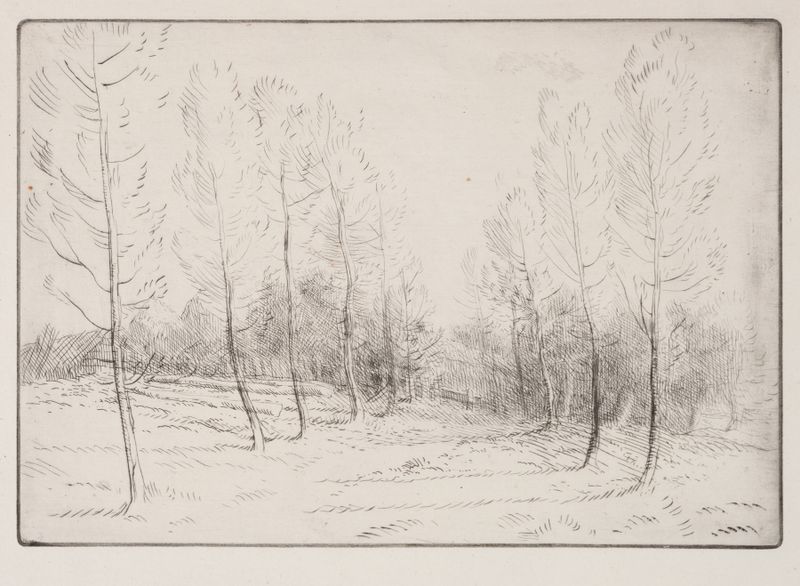
Avenue of Poplars
Alphonse Legros
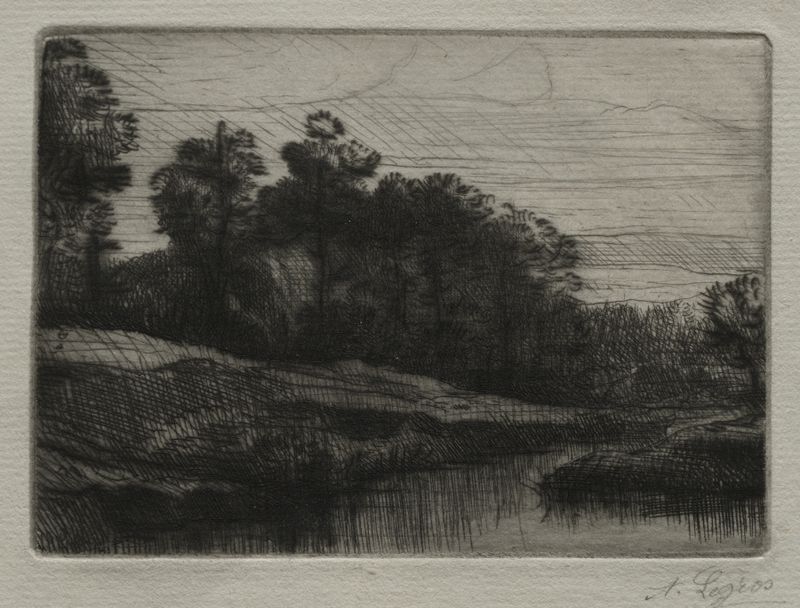
Evening
Alphonse Legros

The Fish in the Hoop Net
Alphonse Legros

The Little Beggar
Alphonse Legros
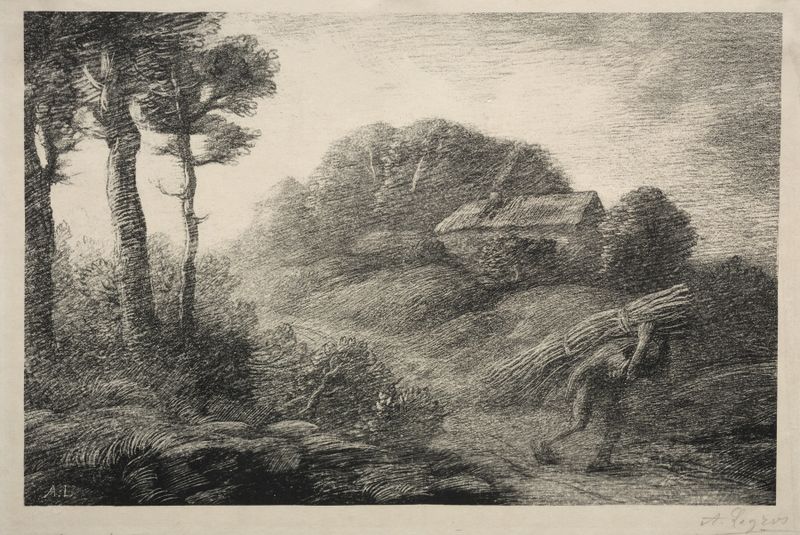
The Return of the Fagot Gatherer
Alphonse Legros

Storm
Alphonse Legros
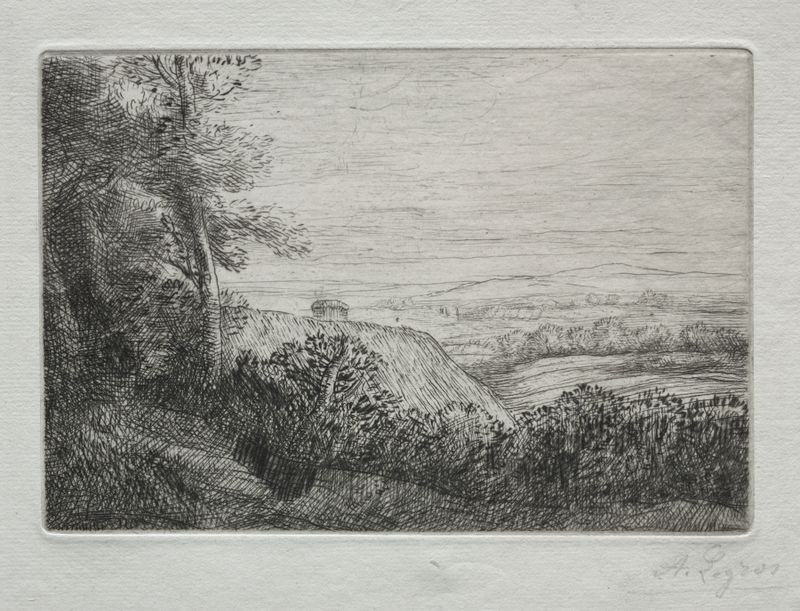
Les dernière Rayons de Soleil
Alphonse Legros
The Traveler Stretched out on the Grass
Alphonse Legros
Guard House
Alphonse Legros

Death of a Vagabond
Alphonse Legros





