
Indian Camp — History & Facts
In a world where perception blurs the lines of reality, madness often lies beneath surface calm. This haunting notion resonates through the work of Ralph Albert Blakelock. Look closely at the foreground, where a solitary figure sits, surrounded by a wilderness of dark greens and muted browns. The subtle brushstrokes create a soft texture, almost echoing the quiet rustle of leaves, inviting you in.
Notice how the interplay of light dances upon the figure’s features, a gentle illumination that hints at both isolation and introspection, while deeper shadows loom ominously around the edges of the canvas. The contrast between the vibrant yet restrained palette and the brooding undertones speaks to the complexities of the human condition. The figure’s stillness amidst the cacophony of nature suggests both serenity and an impending madness, a reflection of the psychological battles waged within. The trees, towering yet elegant, seem to stretch beyond the horizon, symbolizing both freedom and confinement, as if enclosing the figure in an enigmatic embrace. In the late 19th century, Blakelock found himself grappling with personal turmoil and mental health issues, which profoundly influenced his artistry.
He painted Indian Camp around 1890, amidst a milieu where Romanticism was giving way to more introspective themes. This period marked a turning point in his exploration of light, color, and the intricacies of solitude, creating a poignant commentary on the human experience.
More Artworks by Ralph Albert Blakelock
Browse all →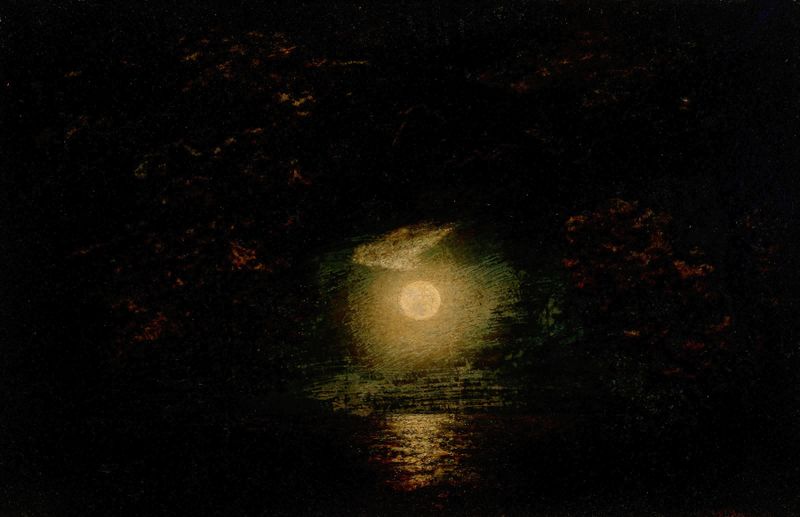
Moonlight
Ralph Albert Blakelock

Ghost Dance (The Vision of Life)
Ralph Albert Blakelock
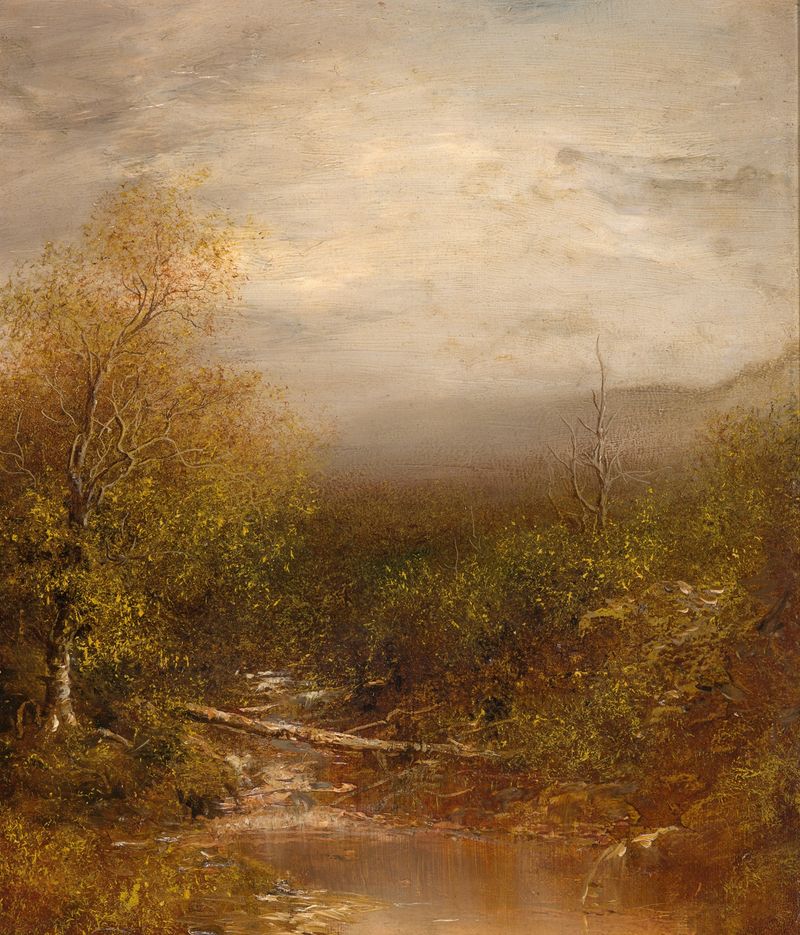
Pool in the Adirondacks
Ralph Albert Blakelock

Encampment at Sunset
Ralph Albert Blakelock
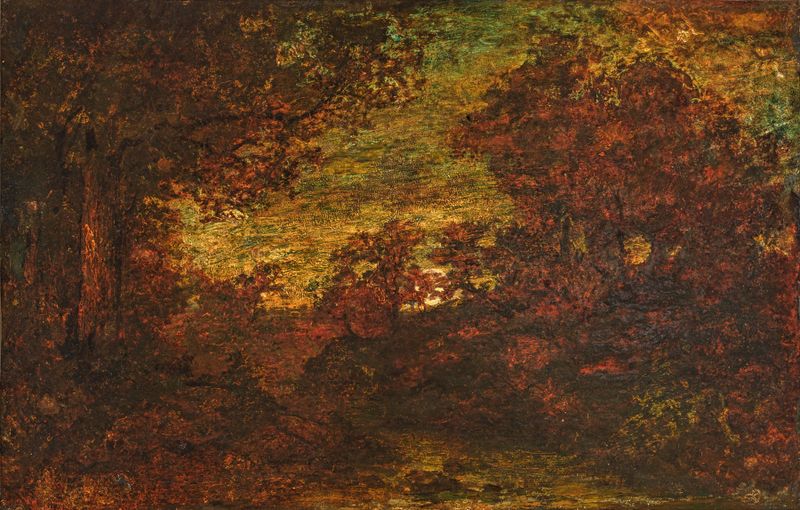
Moonrise
Ralph Albert Blakelock

Moonlight
Ralph Albert Blakelock

Indian Encampment
Ralph Albert Blakelock

Moonlight, Indian Encampment
Ralph Albert Blakelock

Moonlit Landscape with Indians
Ralph Albert Blakelock

Landscape with Trees
Ralph Albert Blakelock





