
Isenring — History & Facts
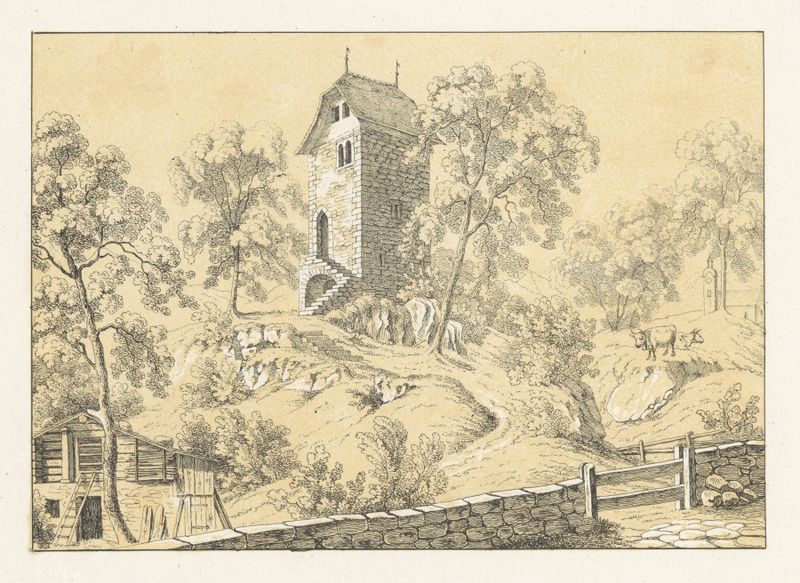
Art reveals the soul when the world turns away. Behind every brushstroke lies a narrative of absence, echoing the timeless struggle with loss and memory. Look closely at the delicate interplay of light and shadow that dances across the canvas. The muted palette—grays, browns, and soft whites—invites a sense of tranquility yet cloaks an underlying tension.
Notice how the figures, rendered with exquisite detail, embody a stillness that resonates deeply. Their expressions are contemplative, caught in a moment of introspection as they navigate the weight of their surroundings. The contrasts throughout the piece are striking—the serene landscape juxtaposed against the palpable emotional burden the figures carry. Each element, from the gnarled trees to the distant mountains, seems to whisper stories of things left behind.
The stillness of the scene belies a sorrowful narrative, suggesting the haunting specters of memories unable to fade. This balance between tranquility and tension serves as a powerful reminder of the human condition, where beauty often intertwines with grief. Johann Friedrich Wagner painted Isenring between 1840 and 1844 during a period marked by significant upheaval in Europe. As the Romantic movement flourished, artists sought to express profound emotions and the complexities of existence.
Wagner, influenced by these currents, encapsulated a moment where personal loss meets the broader human experience, reflecting a world grappling with change and nostalgia. His work resonates with the viewer, inviting contemplation on the ephemeral nature of life and the indelible impact of what we lose.
More Artworks by Johann Friedrich Wagner
Browse all →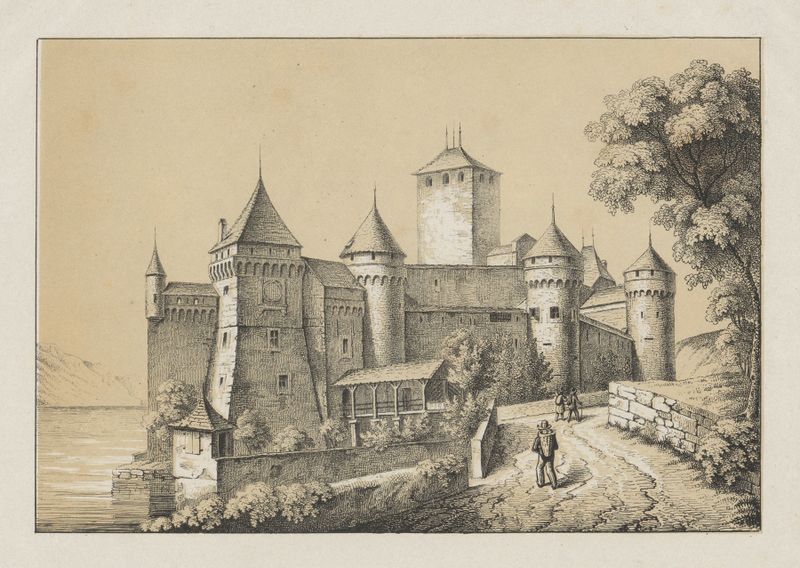
Chillon
Johann Friedrich Wagner

Valangin
Johann Friedrich Wagner
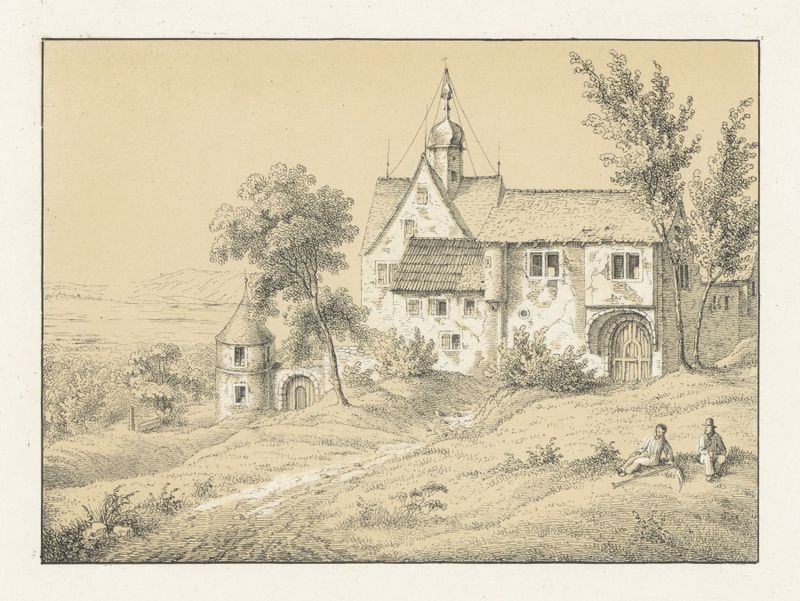
Greifenstein
Johann Friedrich Wagner

Vorburg
Johann Friedrich Wagner
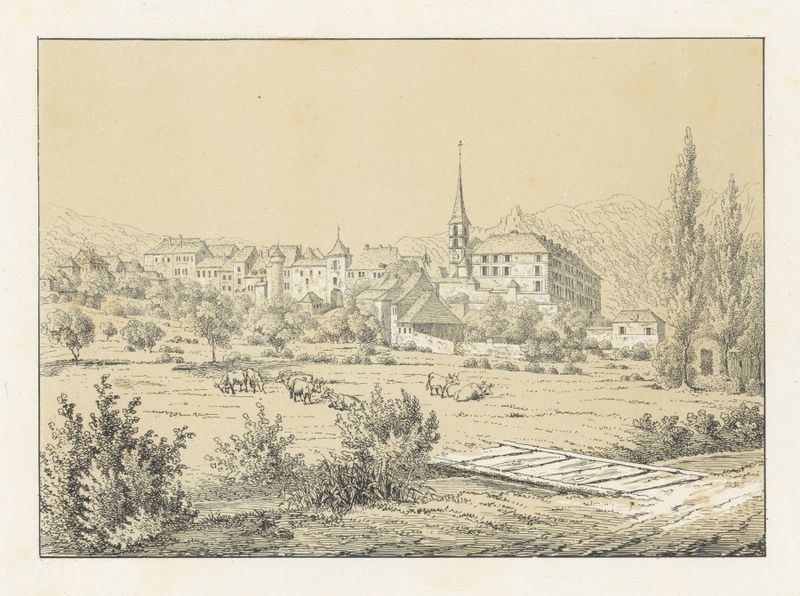
Delémont
Johann Friedrich Wagner

Pleujouse
Johann Friedrich Wagner

Challay
Johann Friedrich Wagner
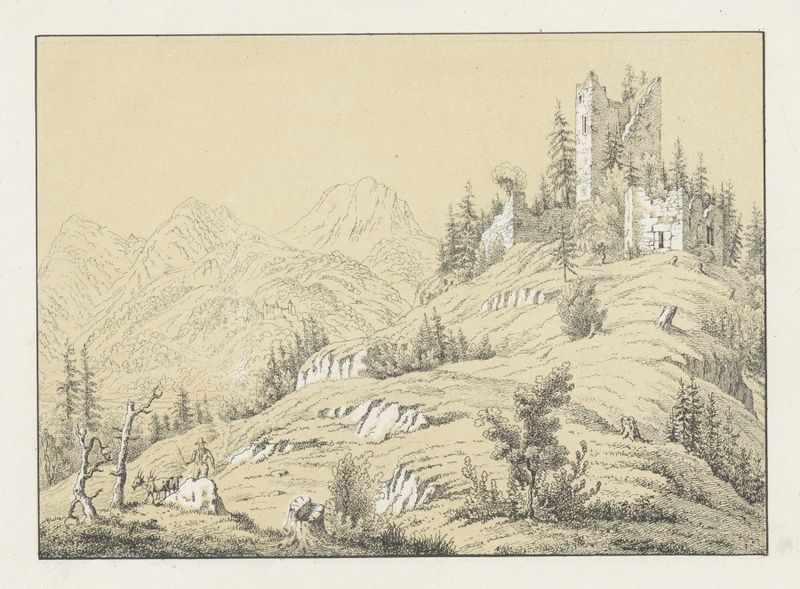
Mont Salvant
Johann Friedrich Wagner
Aha. Od. Untere Burg von Sarnen
Johann Friedrich Wagner
Lausanne
Johann Friedrich Wagner





