
Italian Landscape — History & Facts
Can beauty exist without sorrow? In the serene embrace of nature, the answer lingers in the air, suggesting that even the loveliest of landscapes may hold an ache beneath their splendor. Look to the left at the rolling hills, golden under the afternoon sun. The soft brushstrokes of Berchem evoke a lushness that invites exploration, while the vibrant hues of green and ochre seem to dance in harmony. Notice how the clouds lazily drift across the sky, casting gentle shadows that play on the water's surface, creating a sense of calm yet hinting at an unseen depth.
The composition balances foreground and background, drawing the eye toward a distant horizon that beckons with promise, yet remains tantalizingly out of reach. The juxtaposition in this landscape is striking; the idyllic scenery stands in stark contrast to the void hinted at by the distant mountains obscured by mist. This ambiguity speaks to a longing, a passage that suggests the unresolved nature of life and beauty. Each tree, each ripple of the stream, serves as a reminder that tranquility often coexists with the shadows of uncertainty, echoing the complexities of the human experience. During the mid-17th century, Berchem was deeply influenced by his surroundings in the Netherlands, where he painted Italian Landscape.
This era marked a transition in the art world toward the appreciation of natural beauty, yet it was also a time of societal upheaval and change. As he captured the enchanting vistas of Italy, Berchem navigated the duality of sheer beauty and the void it may conceal, weaving personal and historical narratives into his work.
More Artworks by Nicolaes Pietersz Berchem
Browse all →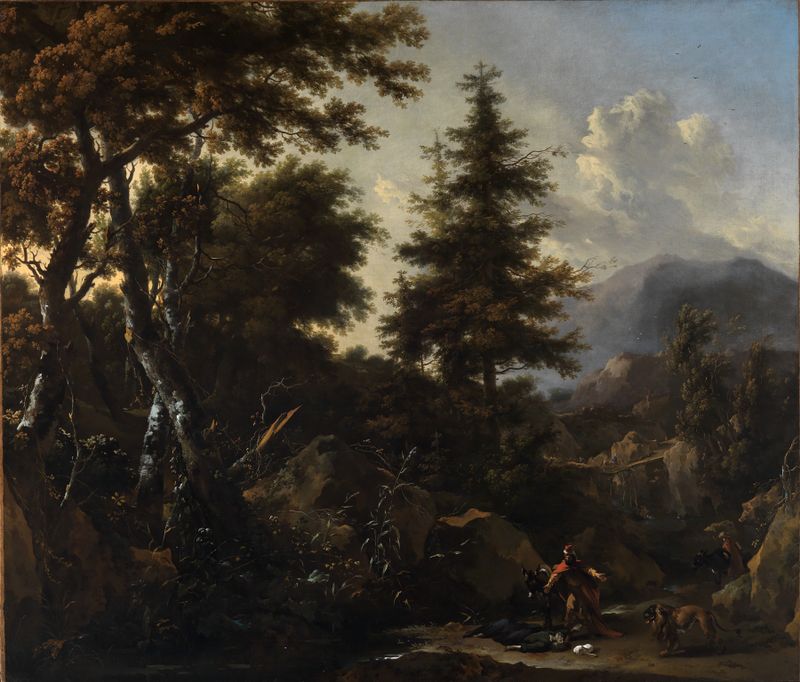
Schlucht im Bergwald mit alttestamentlicher Staffage
Nicolaes Pietersz Berchem
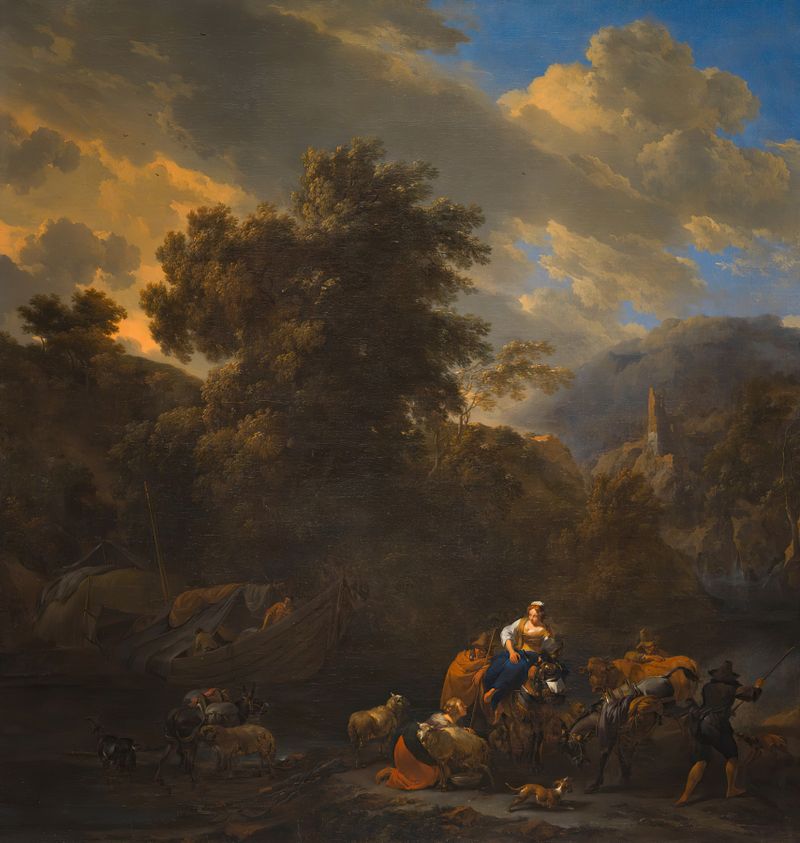
Italianate Landscape with Figures and Pack Animals on the Banks of a River
Nicolaes Pietersz Berchem
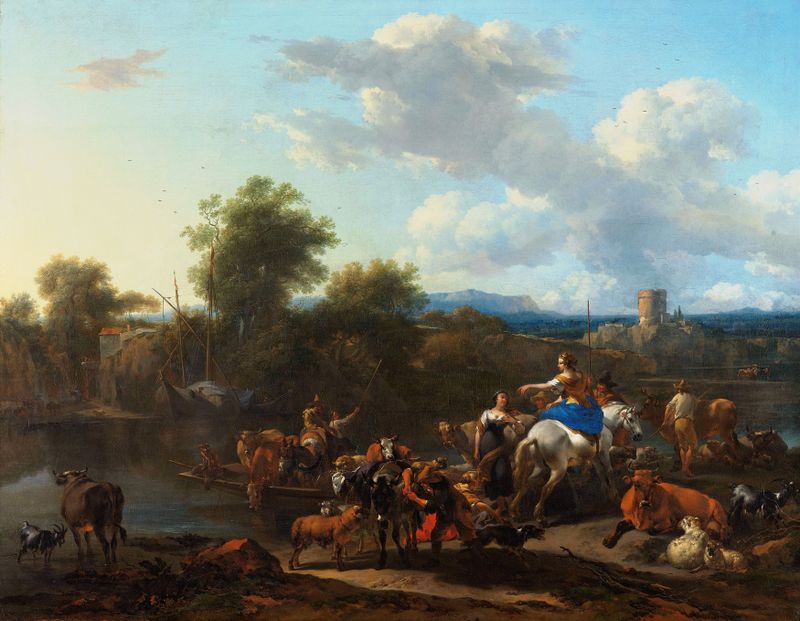
The Cattle Ferry
Nicolaes Pietersz Berchem
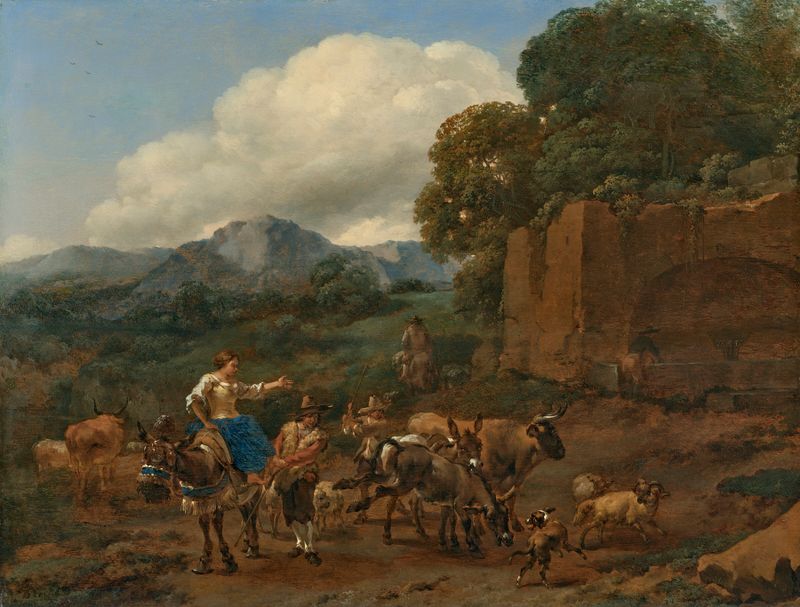
An Italianate landscape with a shepherdess on a mule and a shepherd, herding cattle, sheep, donkeys and dogs on a mountain track next to ruins
Nicolaes Pietersz Berchem
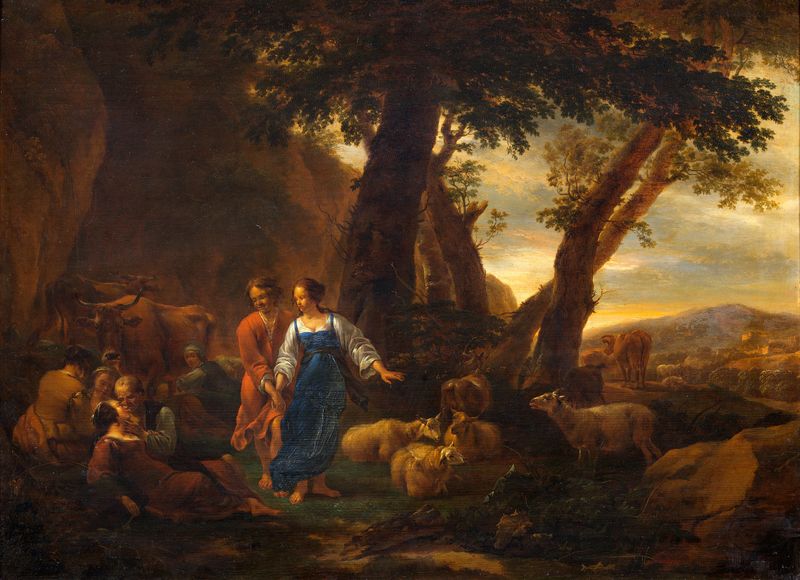
Landscape with Peasants and Cattle
Nicolaes Pietersz Berchem
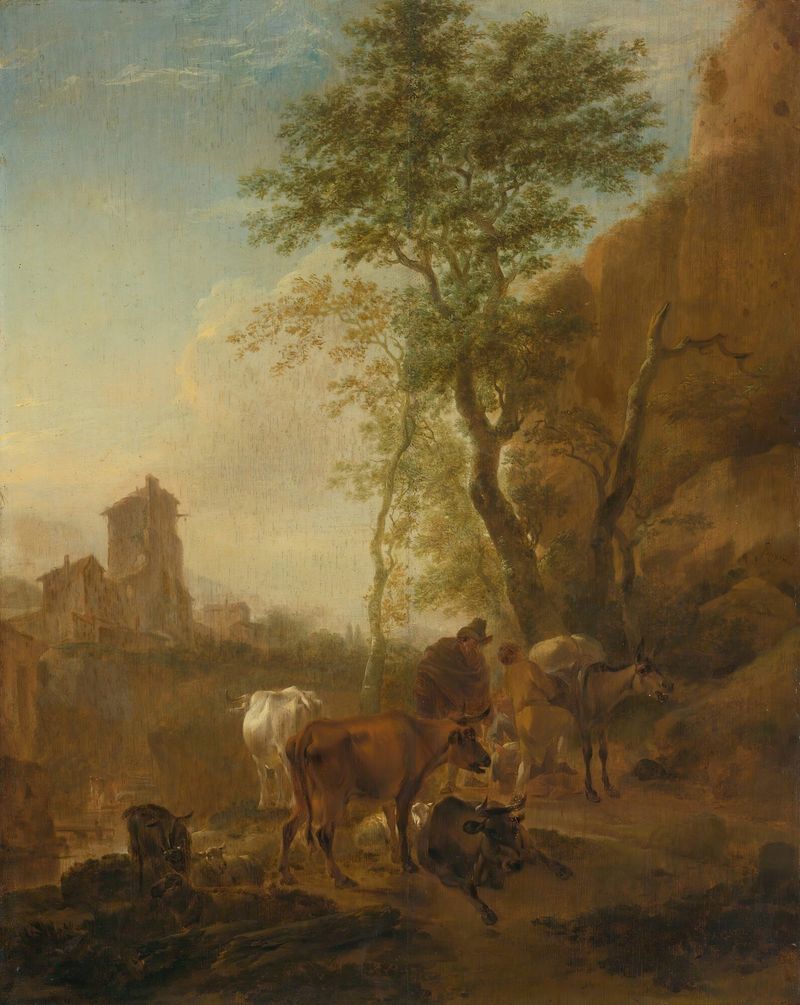
Italianate Landscape With Cows
Nicolaes Pietersz Berchem
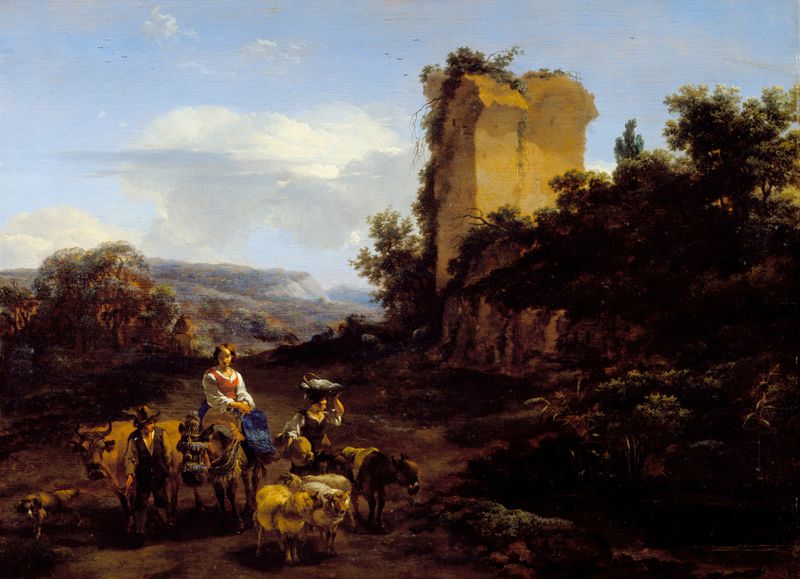
Landscape with Ruins and Travelers
Nicolaes Pietersz Berchem
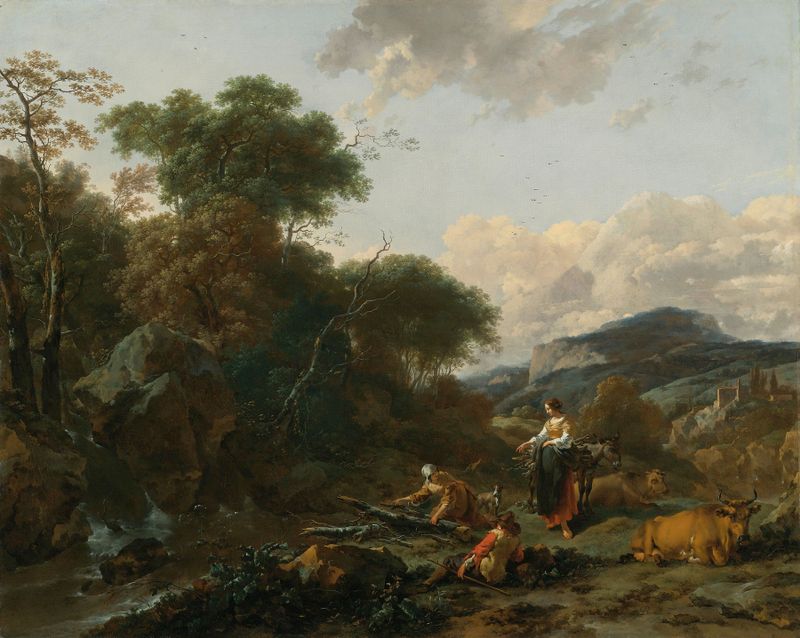
A Landscape With Figures
Nicolaes Pietersz Berchem
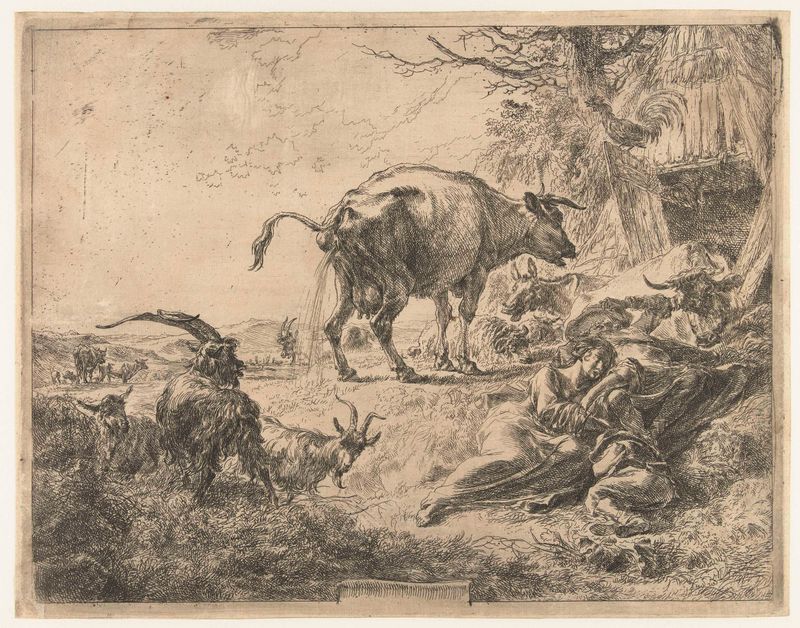
Slapende herdersfamilie en rustend vee
Nicolaes Pietersz Berchem
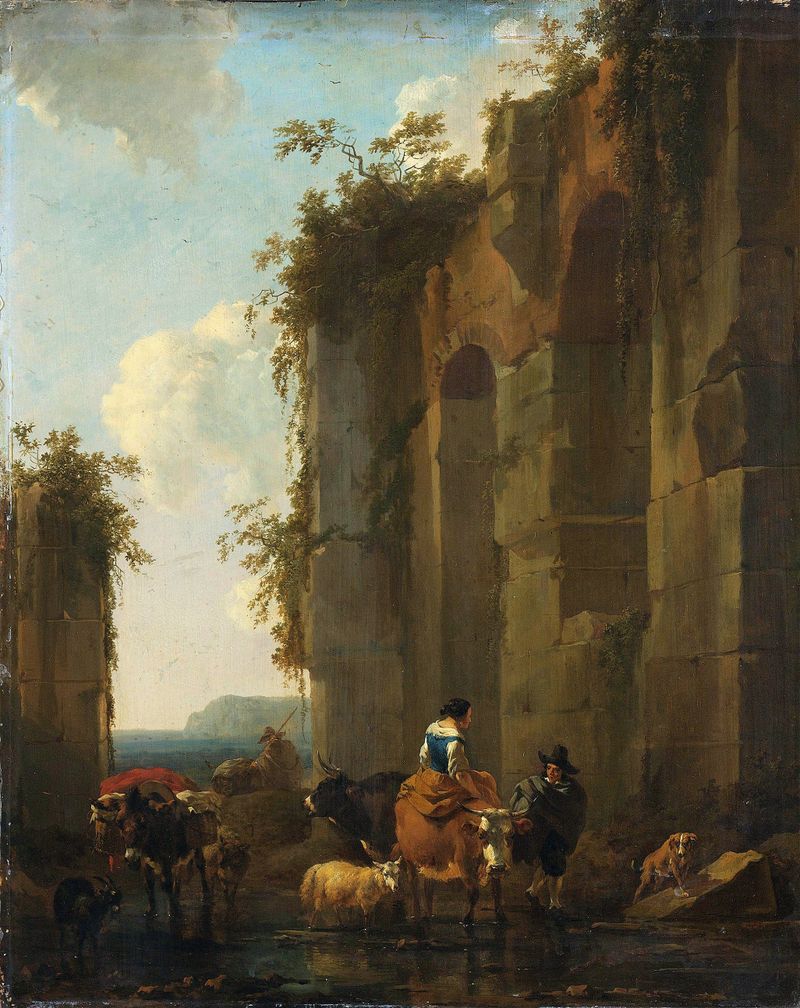
Ruins in Italy
Nicolaes Pietersz Berchem





