
Italian Landscape — History & Facts
In the stillness of an Italian landscape, a gentle reminder of hope emerges from the shadows of history. Look to the left at the rolling hills bathed in soft, golden hues. The artist’s deft brushwork captures the interplay of sun and shadow, inviting you to wander deeper into this idyllic scene. Notice how the azure sky meets the verdant fields, creating a harmonious balance that evokes tranquility.
The scattered figures in the distance, mere silhouettes against the vastness, suggest a quiet connection to nature, reinforcing the sense of timelessness. Yet, beneath this serene surface lies a nuanced exploration of longing and nostalgia. The lush greenery symbolizes flourishing life, while the distant mountains hint at challenges yet to come. The tension between light and dark not only enhances the physical depth but also reflects the emotional landscape — a juxtaposition of serenity and an unspoken yearning for what lies beyond. In 1656, the artist found himself in the vibrant context of the Dutch Golden Age, a period marked by flourishing creativity and the rise of landscape painting.
Working in Italy, Berchem embraced the beauty of the region, combining local charm with his own artistic vision. This work reflects the broader trends of the time, as artists sought to capture not just the physical world but also the spirit of hope and renewal inherent in the landscapes they depicted.
More Artworks by Nicolaes Pietersz Berchem
Browse all →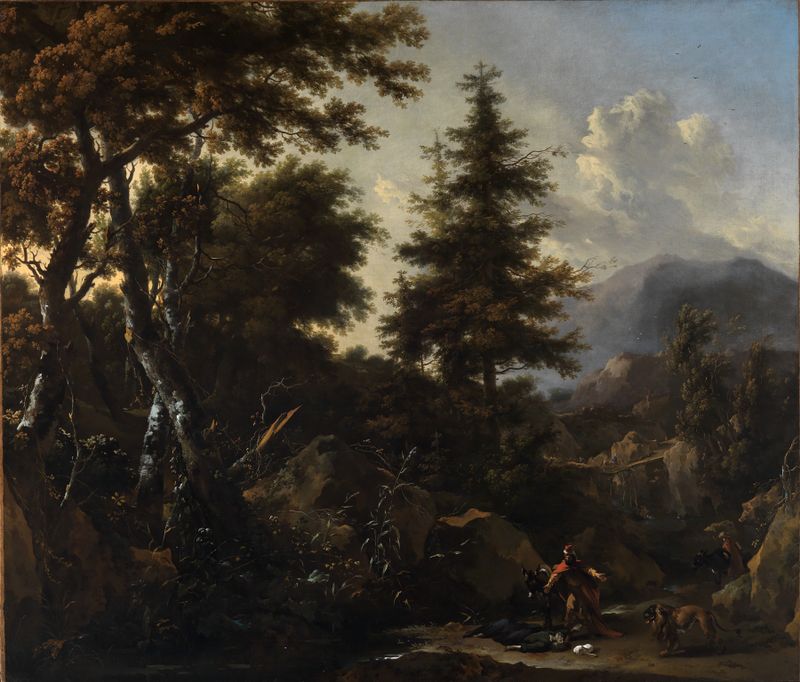
Schlucht im Bergwald mit alttestamentlicher Staffage
Nicolaes Pietersz Berchem
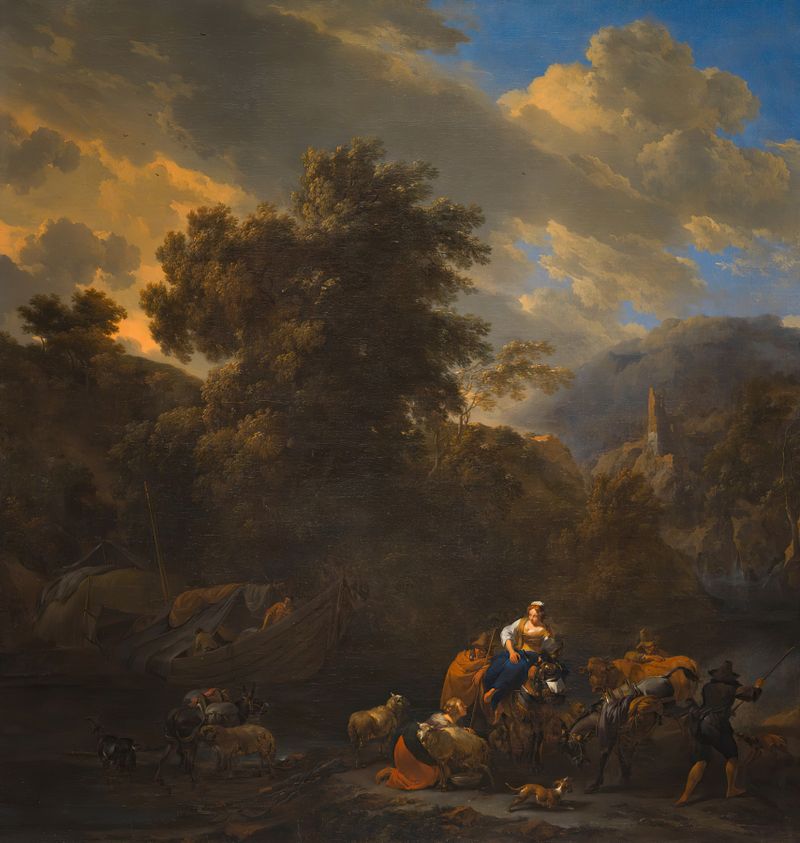
Italianate Landscape with Figures and Pack Animals on the Banks of a River
Nicolaes Pietersz Berchem
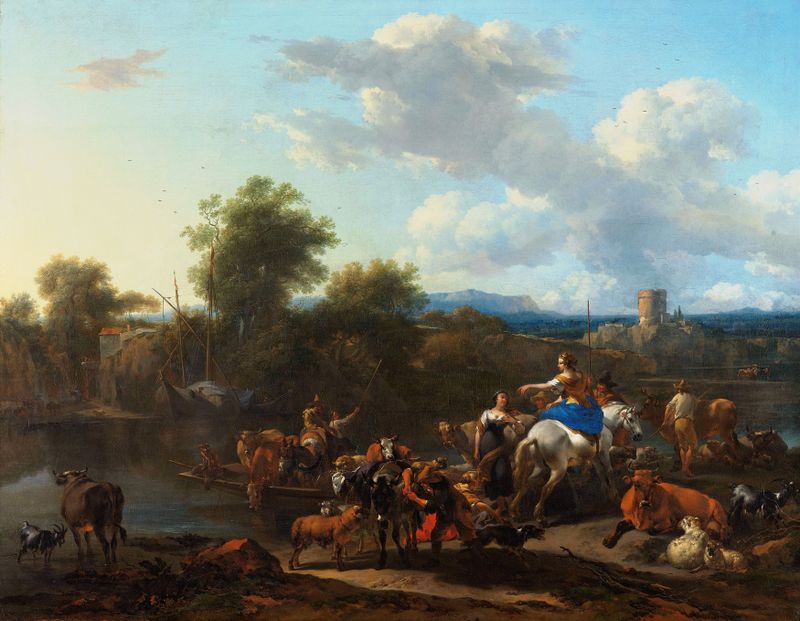
The Cattle Ferry
Nicolaes Pietersz Berchem
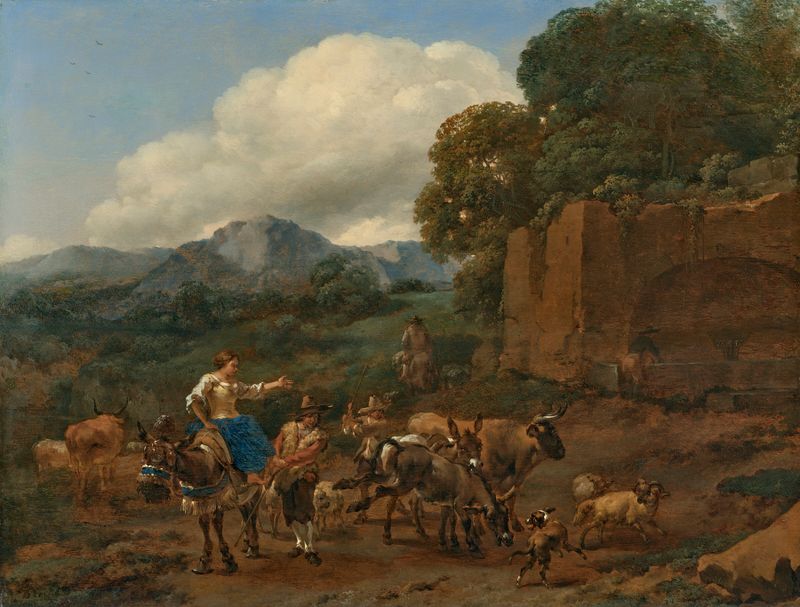
An Italianate landscape with a shepherdess on a mule and a shepherd, herding cattle, sheep, donkeys and dogs on a mountain track next to ruins
Nicolaes Pietersz Berchem
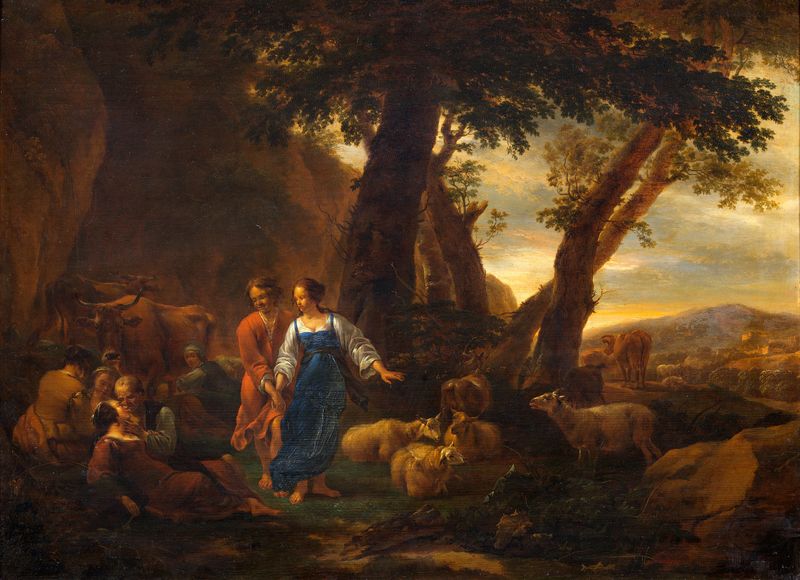
Landscape with Peasants and Cattle
Nicolaes Pietersz Berchem
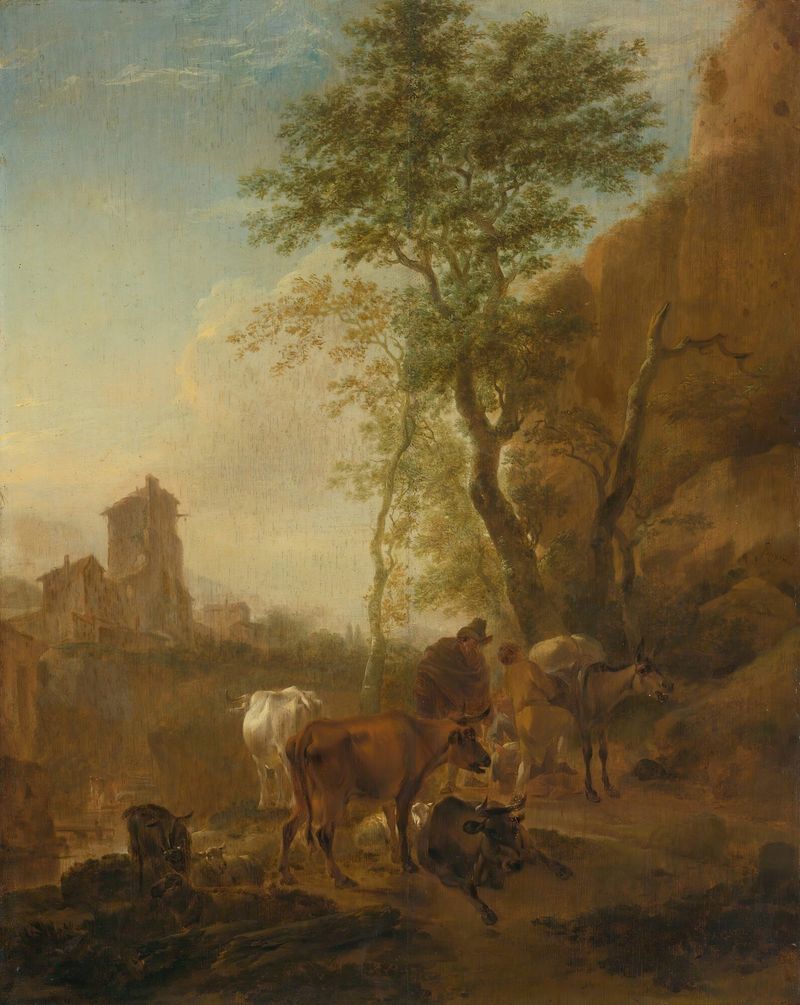
Italianate Landscape With Cows
Nicolaes Pietersz Berchem
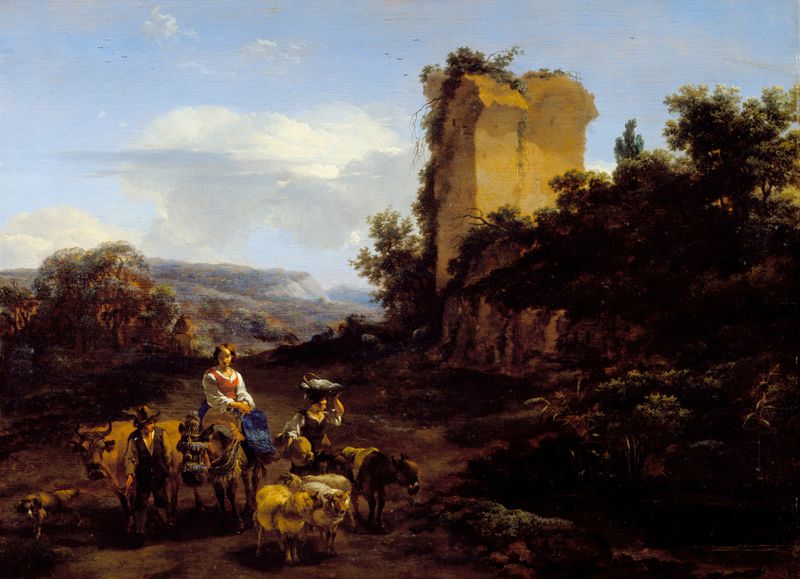
Landscape with Ruins and Travelers
Nicolaes Pietersz Berchem
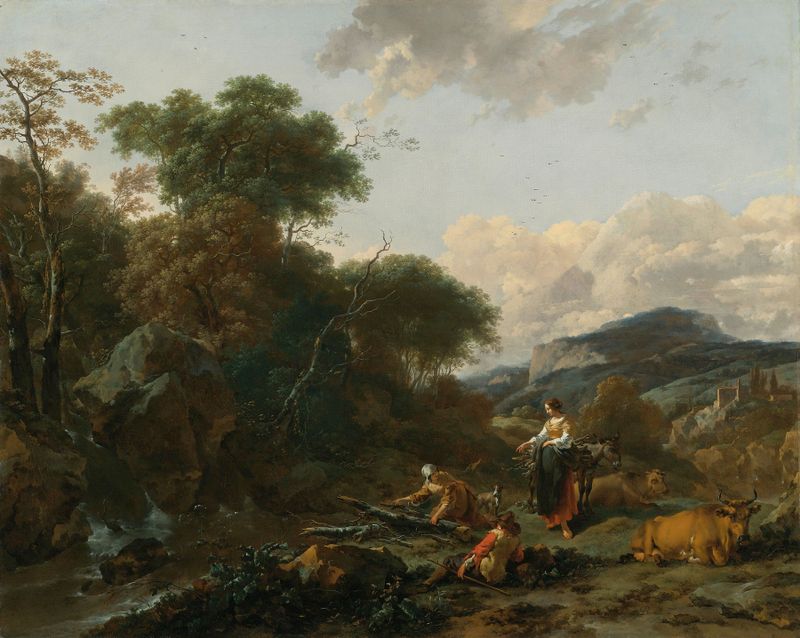
A Landscape With Figures
Nicolaes Pietersz Berchem
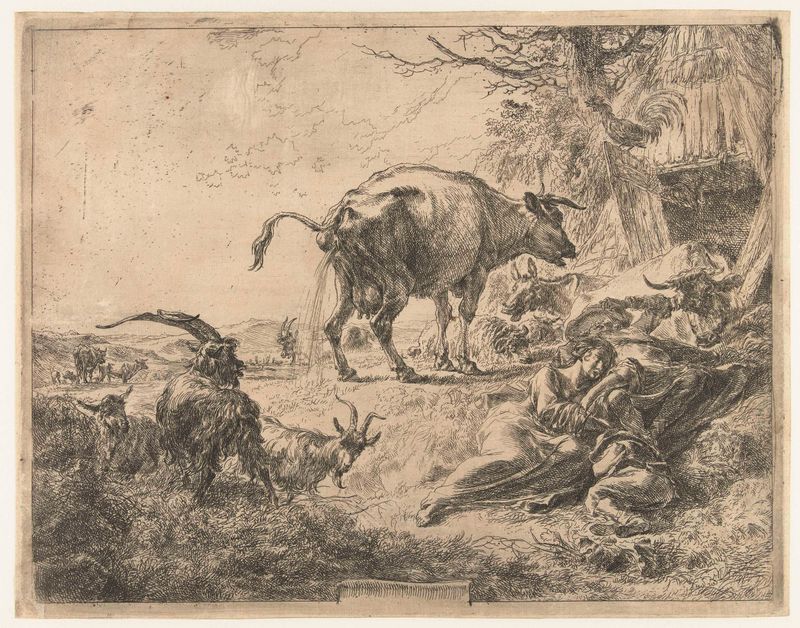
Slapende herdersfamilie en rustend vee
Nicolaes Pietersz Berchem
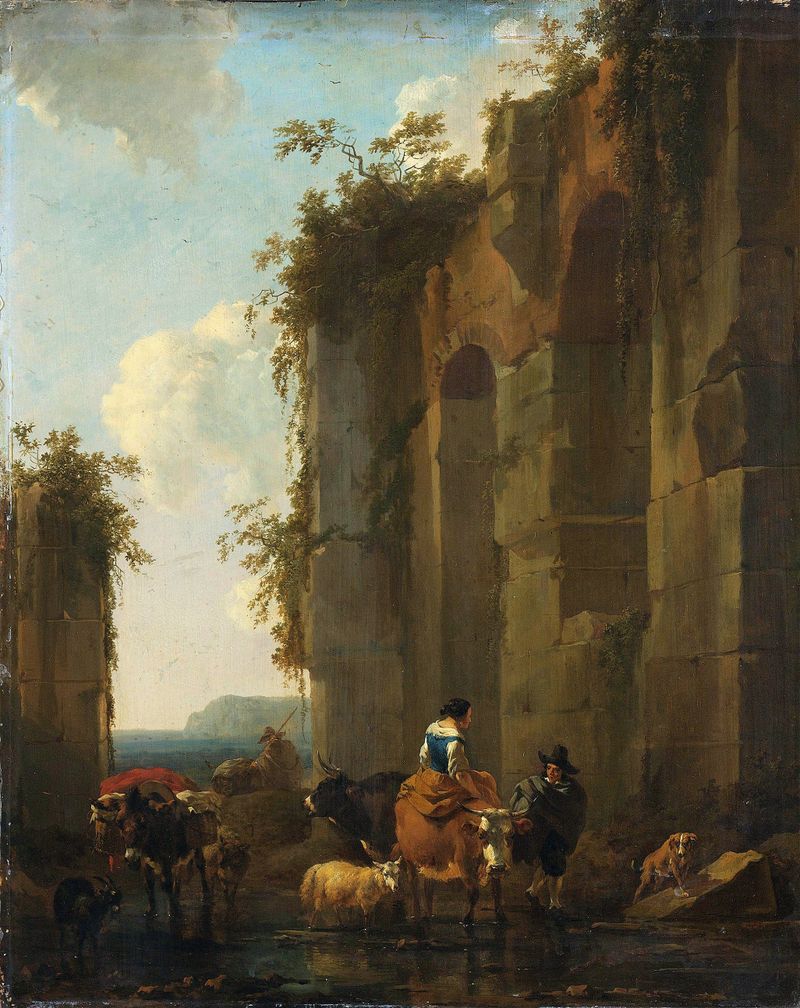
Ruins in Italy
Nicolaes Pietersz Berchem





