Italianate River Landscape With Herdsmen By The Ruins Of An Amphitheatre, And Peasants Crossing A Bridge — History & Analysis
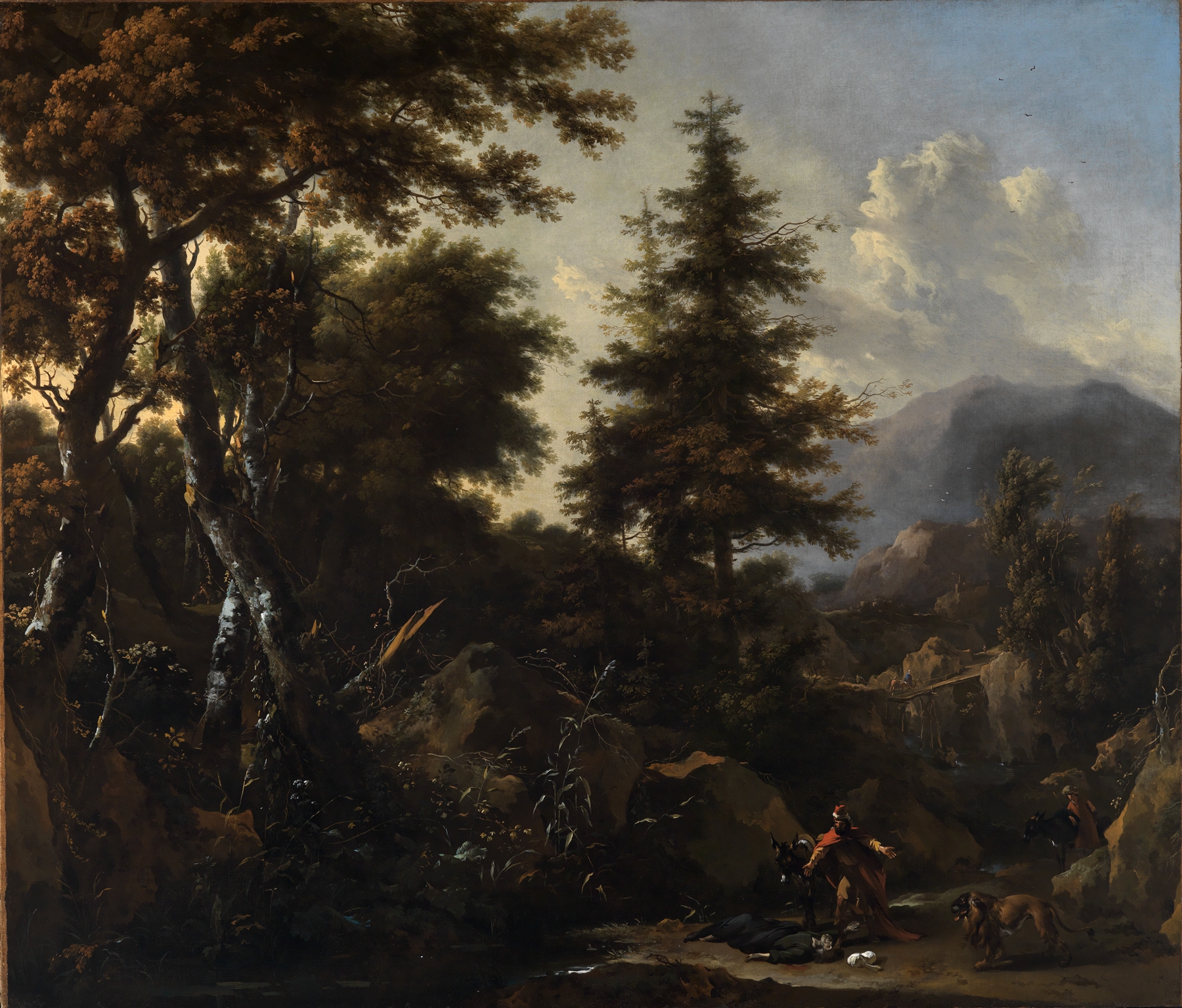
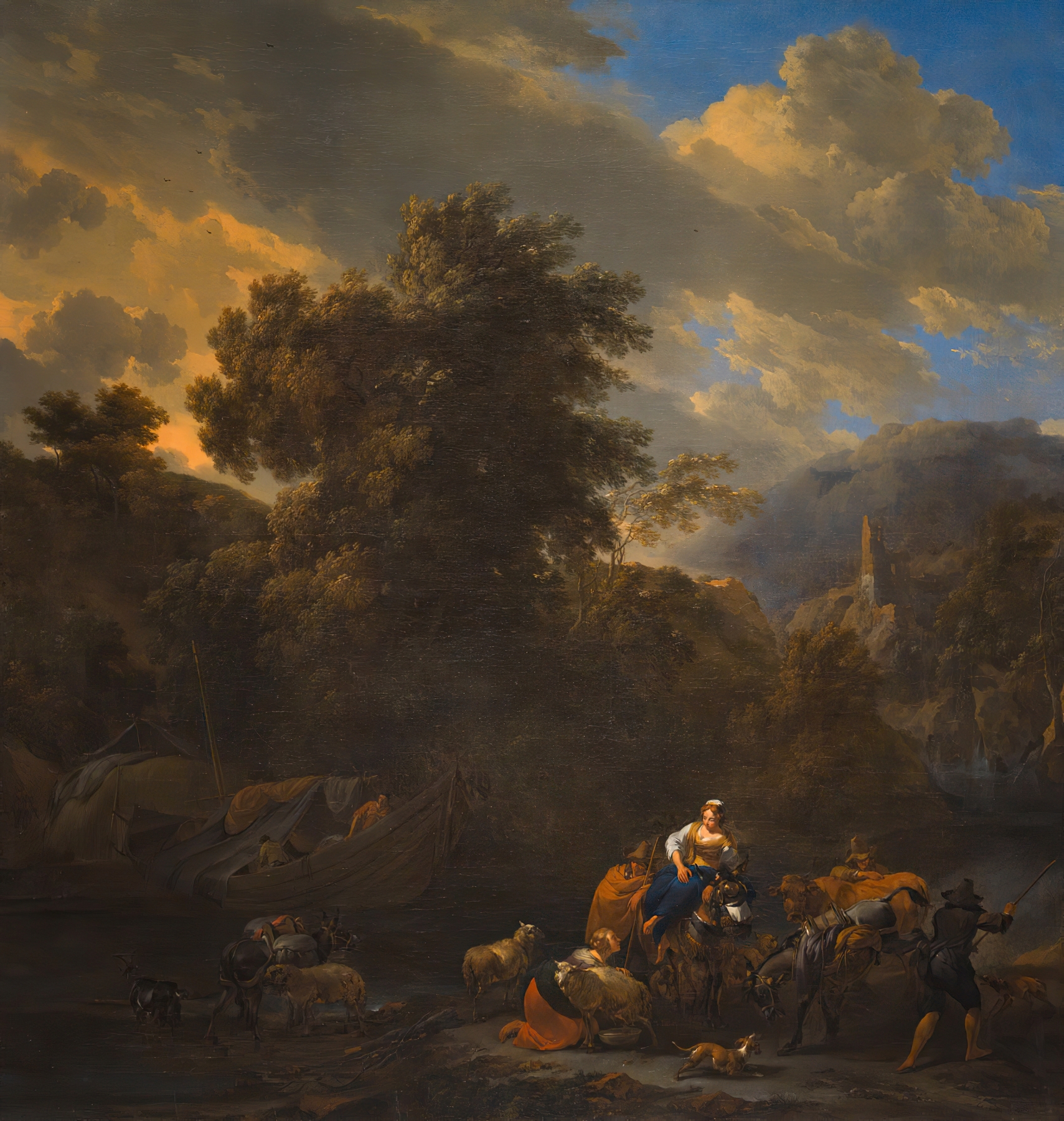
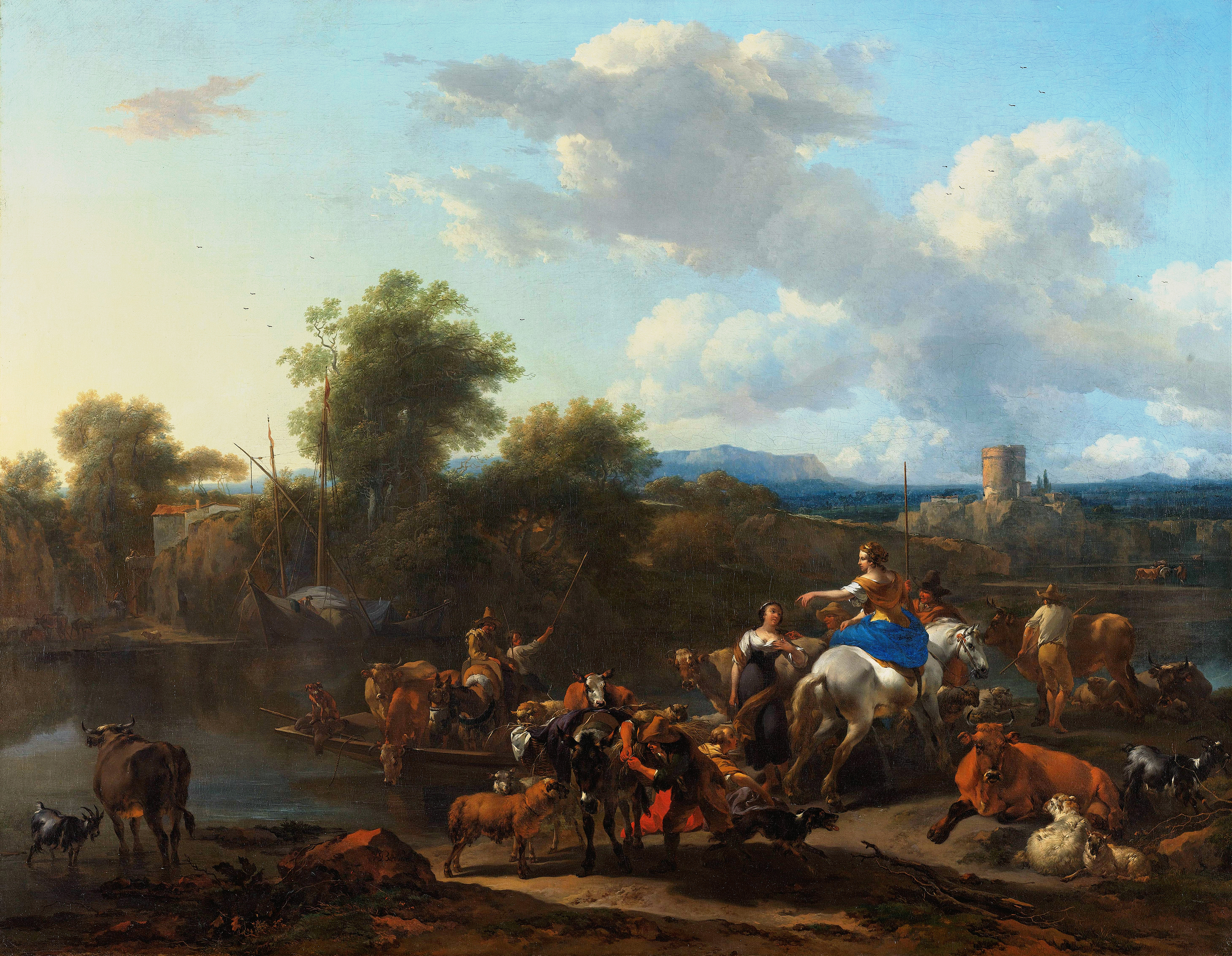
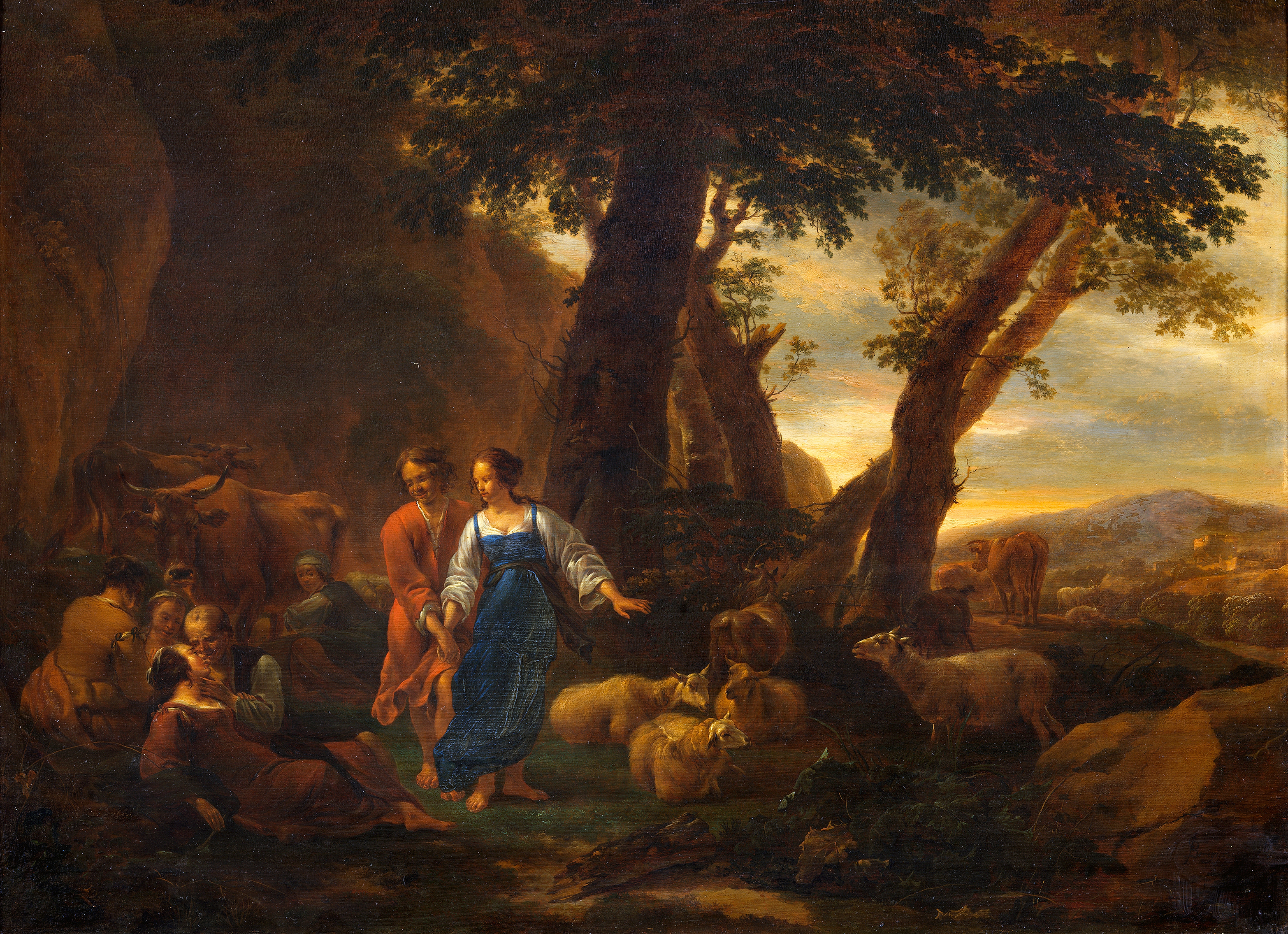
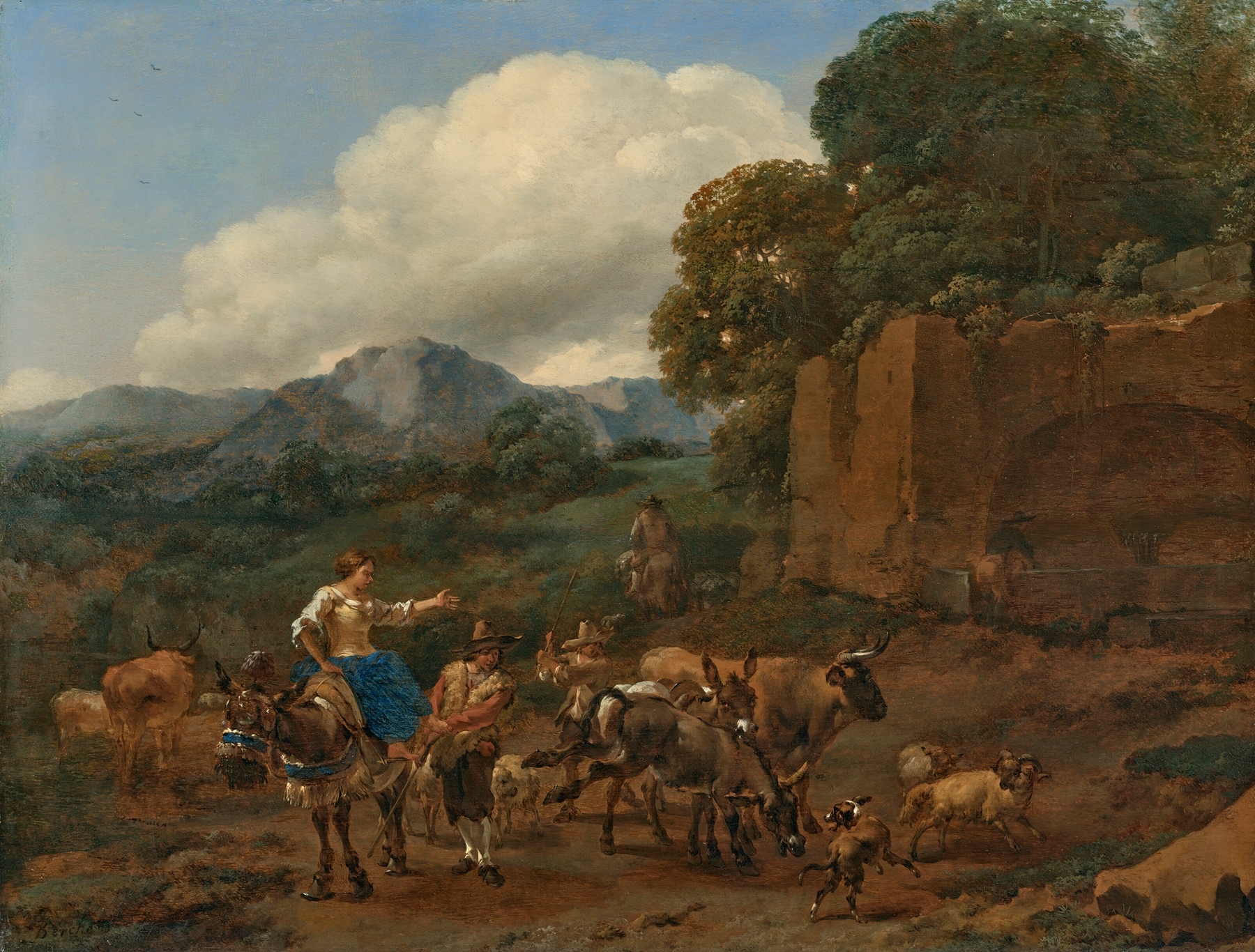
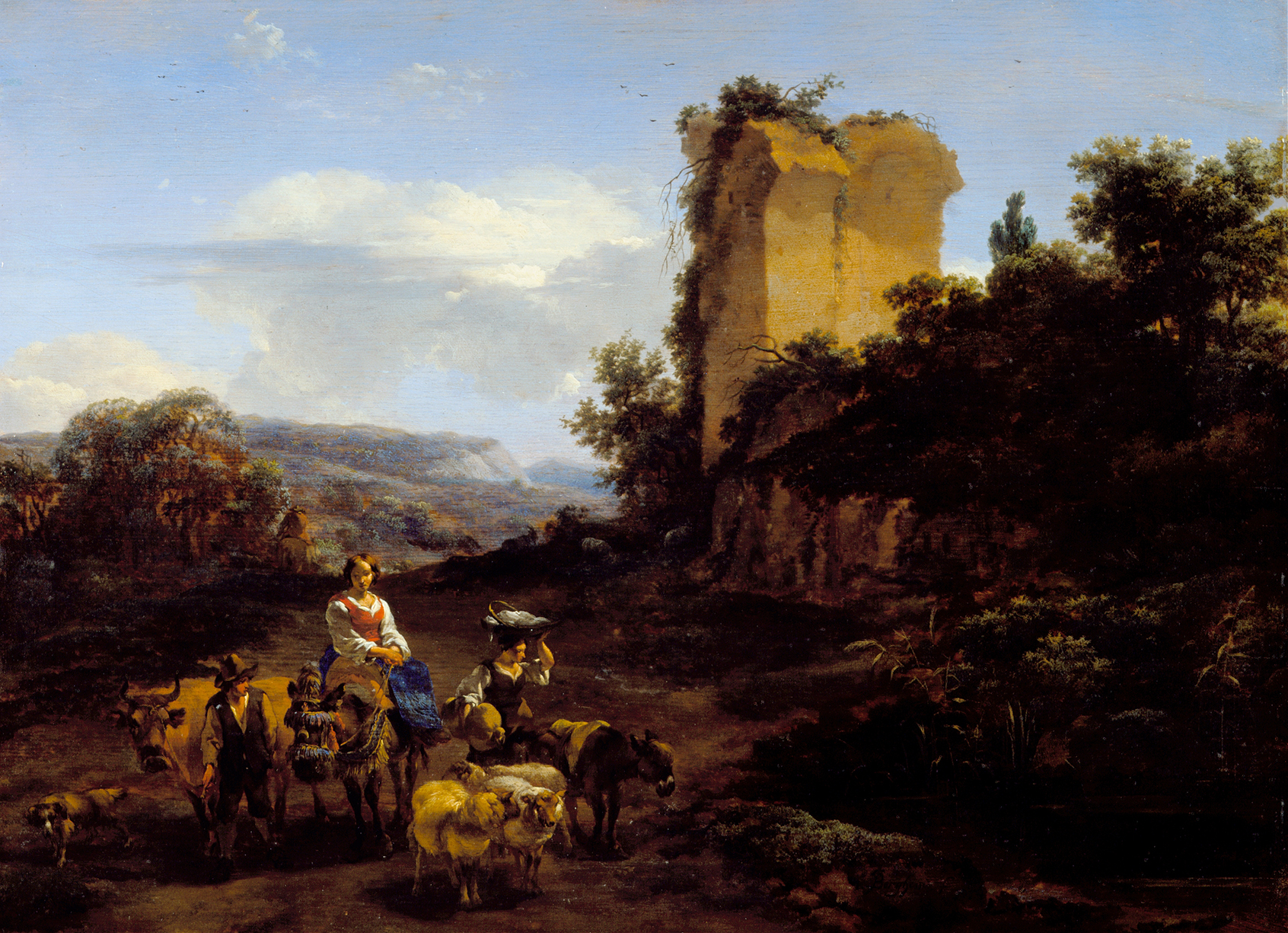
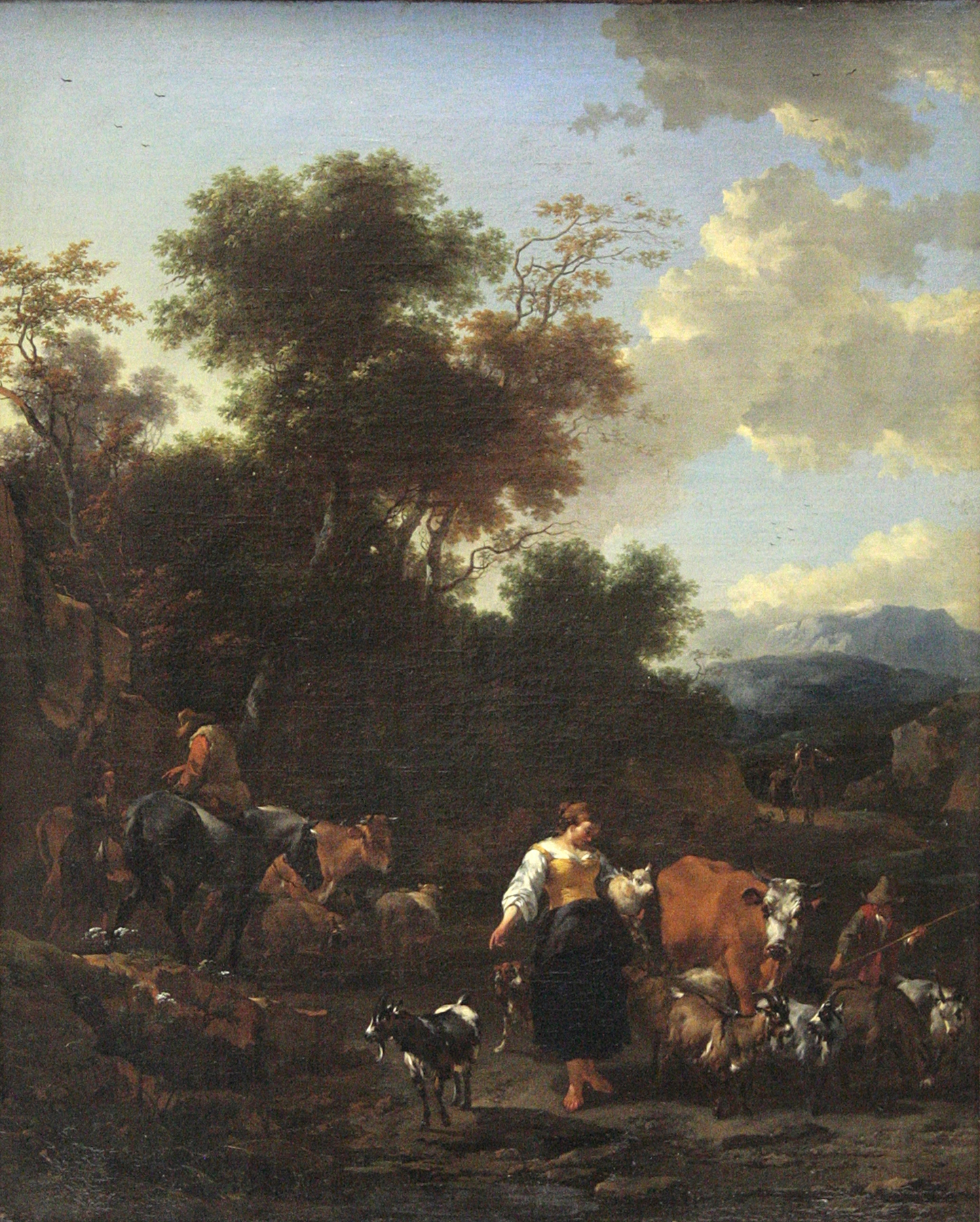
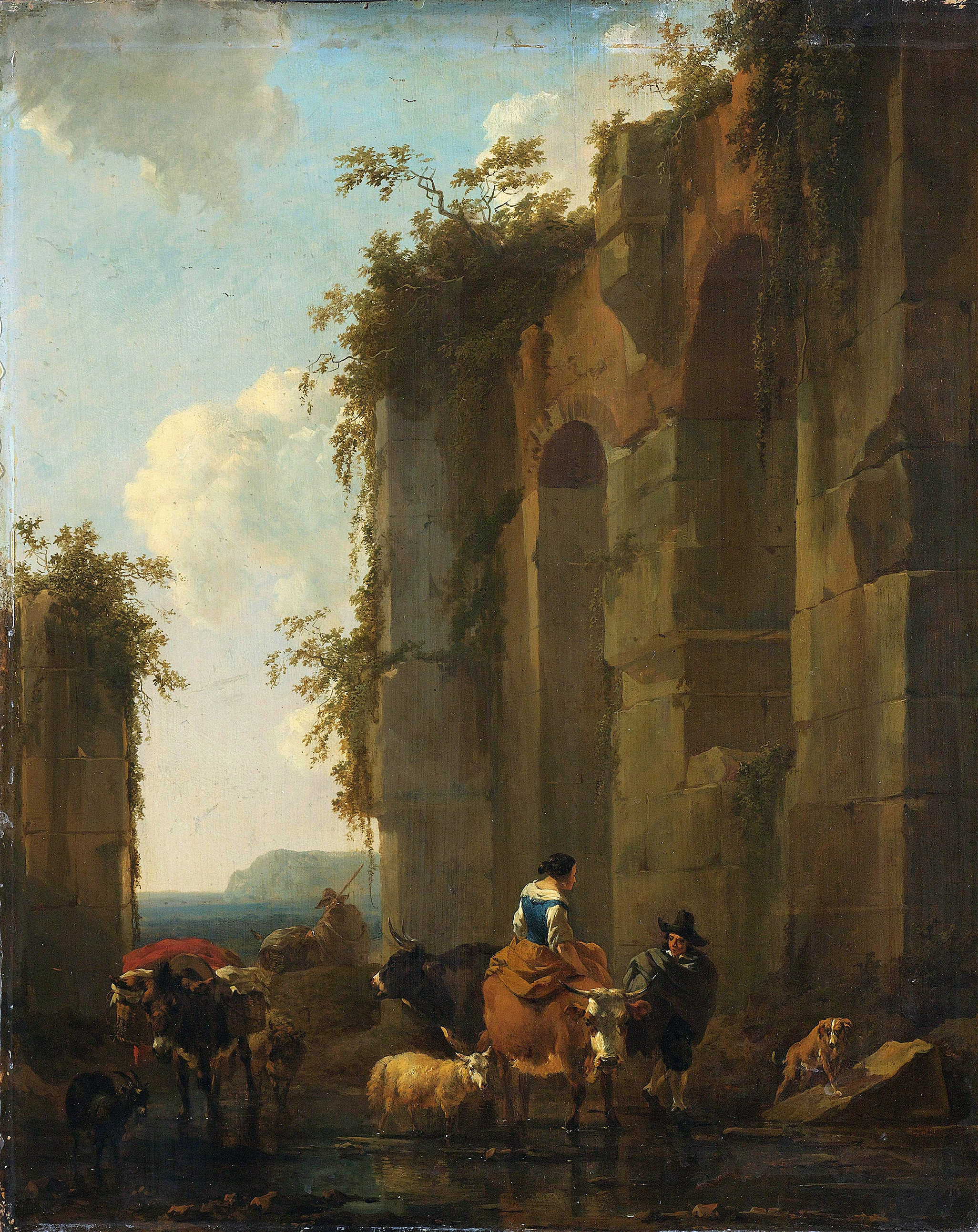
Where does light end, and longing begin? This question reverberates in the essence of transformation, beckoning us to reflect on the delicate interplay of time and memory in our lives. Look closely at the foreground, where the sun-drenched figures of herdsmen and peasants traverse a bridge, drawing our gaze towards their humble endeavors. Notice how the soft golden hues of the setting sun illuminate their tired faces, highlighting the texture in their garments. The gentle ripples of the river reflect a spectrum of colors, merging with the soft greens of the landscape, creating a serene harmony that envelops the entire scene.
Each brushstroke feels deliberate, guiding us through a world where light not only reveals but also conceals. As the eye wanders, we uncover deeper layers of emotion. The dilapidated amphitheater in the background stands as a poignant reminder of past grandeur, its ruins whispering stories of ephemeral beauty and forgotten glory. The peasants crossing the bridge symbolize the passage of time—caught between the remnants of history and the simple joys of daily life.
This juxtaposition evokes a sense of nostalgia, as we consider the transience of existence amid the enduring beauty of nature. Painted during a time when the Dutch Golden Age was flourishing, the artist found himself drawn to the idyllic landscapes of Italy. The absence of a specific date suggests that this work may belong to a period of exploration and inspiration, reflecting a world captivated by classical antiquity while incorporating the vibrancy of contemporary life. Here, art transcends mere representation; it becomes a meditation on the cycles of time and the enduring human spirit amidst the majestic landscapes that cradle our stories.