
Jahrmarkt in Noordwijk — History & Facts
Who listens when art speaks of silence? In the stillness of a bustling fairground, the weight of destiny hangs palpably in the air, intertwined with fleeting moments that define life itself. As you gaze upon the canvas, start from the left, where the vibrant colors of the tents draw in the eye with their joyous allure. Notice how the brushstrokes create a vibrancy that almost hums with excitement, each hue layered with intention, from the lively reds to the deep blues. The figures are densely packed, yet their expressions reveal individual stories, caught in a moment of laughter or contemplation, inviting the viewer to ponder their narratives amidst the joyful chaos. Within this lively scene, contrasts arise quietly—between light and shadow, joy and reflection.
The sun, blessedly bright, dances on the textured surface, casting long shadows that hint at the complexities of human experience. The juxtaposition of carefree laughter and the subtle melancholia of moments lost speaks to the transient nature of happiness, a poignant reminder that every celebration is shadowed by the passage of time. Max Liebermann created this piece in 1912, during a period when European art was shifting towards modernism, embracing new techniques and subjects. At this time, he was deeply engaged in capturing contemporary life, reflecting the burgeoning interest in scenes that blend the ordinary with the extraordinary.
The art world was buzzing with innovation, yet Liebermann remained rooted in the intimate portrayal of humanity, weaving together the threads of joy and fate in this enchanting fairground scene.
More Artworks by Max Liebermann
Browse all →
Die Blumenterrasse in Wannsee mit Blick auf den Fischotterbrunnen
Max Liebermann
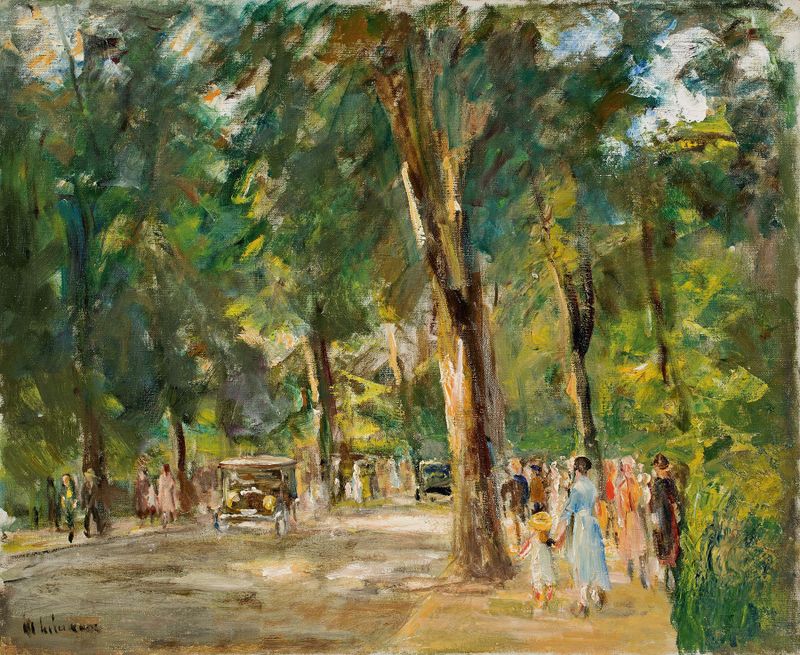
Die Große Seestraße in Wannsee mit Spaziergängern
Max Liebermann

Seitlicher Blick in den Wannseegarten
Max Liebermann

Der Rosengarten in Wannsee
Max Liebermann

Allee mit Spaziergängern und Automobilen
Max Liebermann

Blick in meinen Garten
Max Liebermann
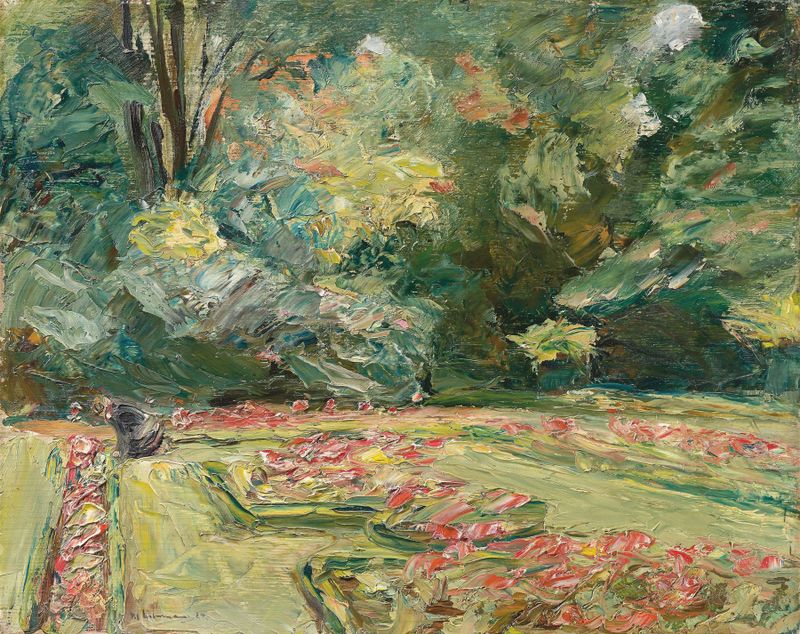
Die Blumenterrasse im Wannseegarten nach Norden
Max Liebermann

Spielende Kinder am Strand
Max Liebermann
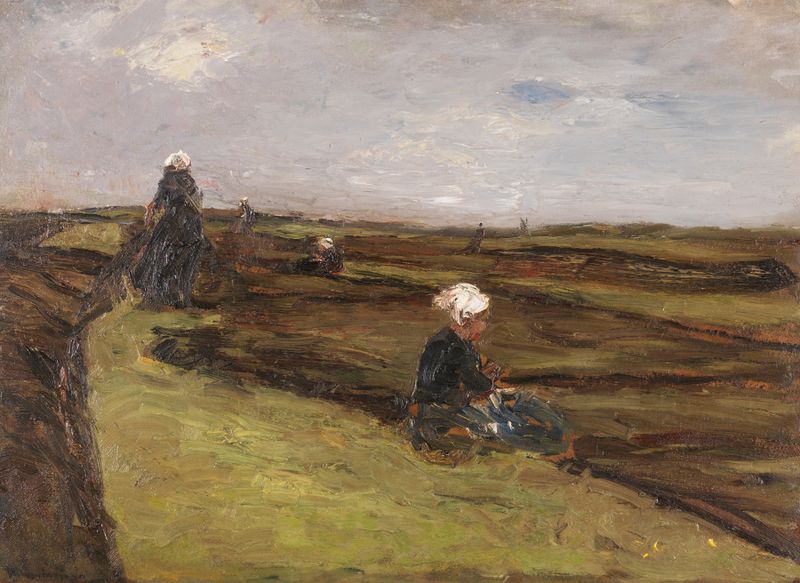
Die Netzflickerinnen
Max Liebermann

Am Strand von Noordwijk
Max Liebermann





