
Jan van de Poll (1668-1745) and his Son Harmen Hendrick (1697-1772). — History & Facts
What draws the viewer in first is the quiet, almost conspiratorial closeness between father and son, their faces emerging from the dusk of a formal garden. The elder, Jan van de Poll, meets our gaze with a steady, reserved confidence, his hand gently guiding the younger Harmen Hendrick’s gesture toward a basket of fruit. The light is handled with care: it falls most clearly on their faces and hands, drawing attention to the bond between generations, and to the symbolic abundance of grapes and peaches, which speak of prosperity and the cycles of life.
The stone ledge and the shadowy garden beyond frame the pair in a world both private and cultivated, while the rich folds of their garments and the careful rendering of textures invite the eye to linger. This kind of double portrait, painted by Arnold Boonen between 1700 and 1729, belongs to a tradition in Dutch portraiture where family ties and worldly success are displayed with subtle pride. Patrons of such works were often affluent burghers, eager to record not just their likenesses but their values—industry, continuity, and refinement. The painting’s pendant status, mentioned in the records, hints at a larger family story, perhaps mirrored in another canvas.
Today, the work resides in the Rijksmuseum collection, where it stands as a testament to both personal ambition and the painter’s ability to capture the quiet drama of everyday inheritance. Look again at the boy’s hand, poised above the fruit: it is both an echo of his father’s gesture and a promise of things to come.
More Artworks by Arnold Boonen

Portrait of Jan van Huysum
Arnold Boonen
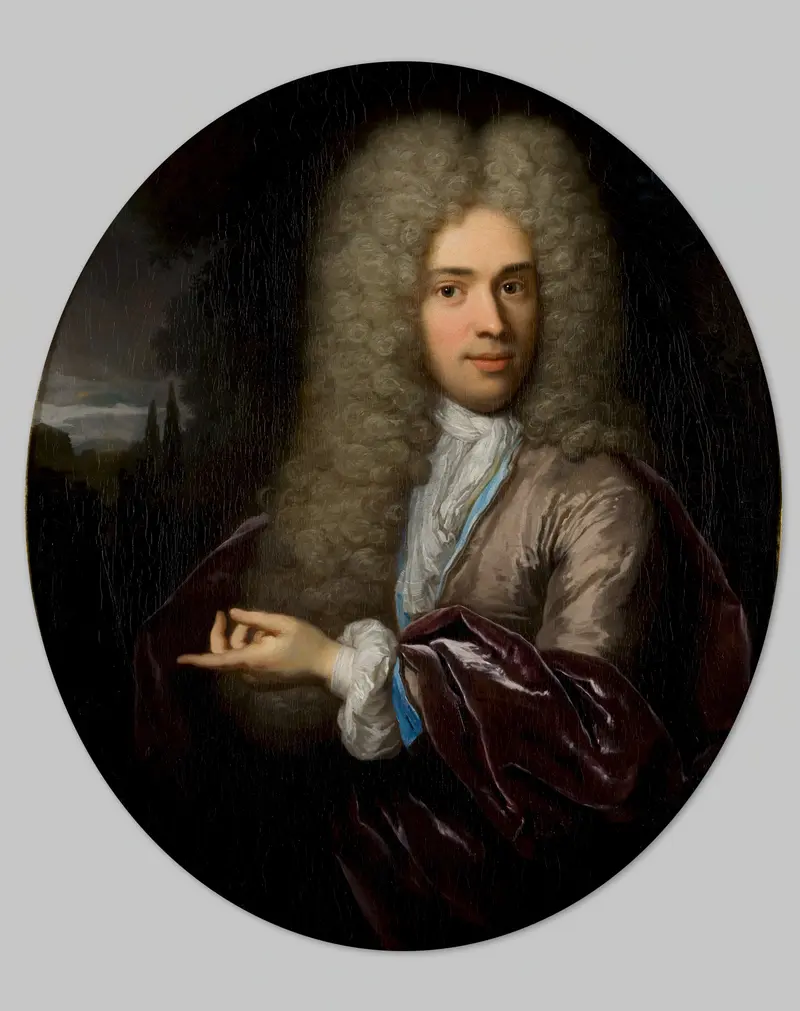
Daniël Deutz
Arnold Boonen
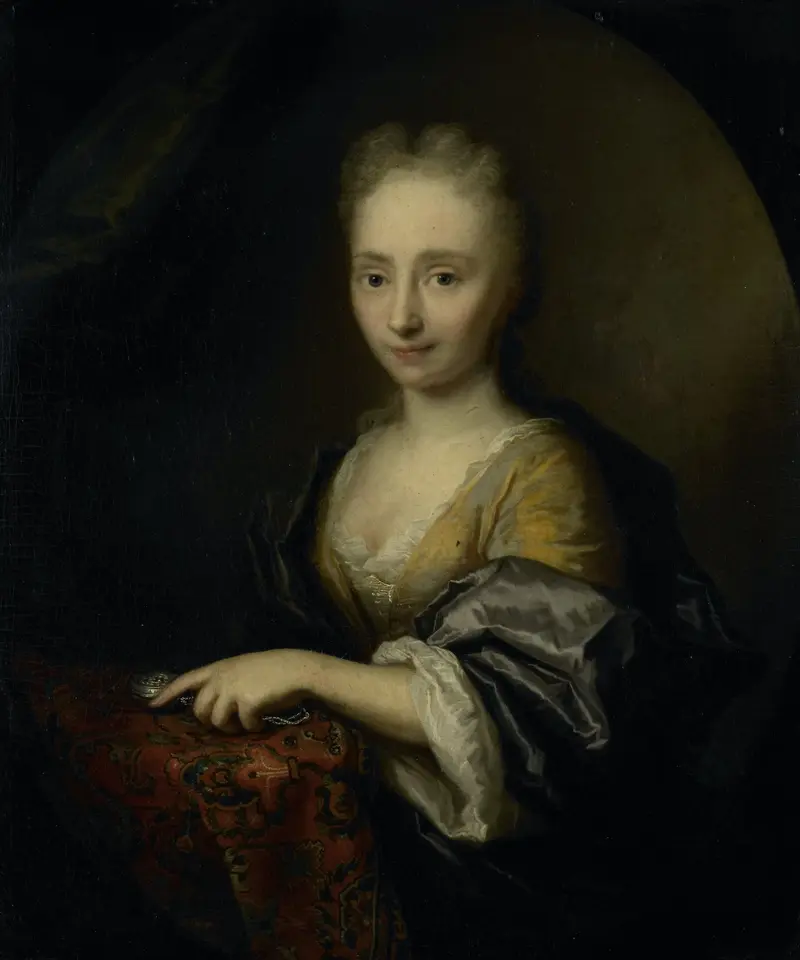
Portrait of a Woman SK-A-
Arnold Boonen
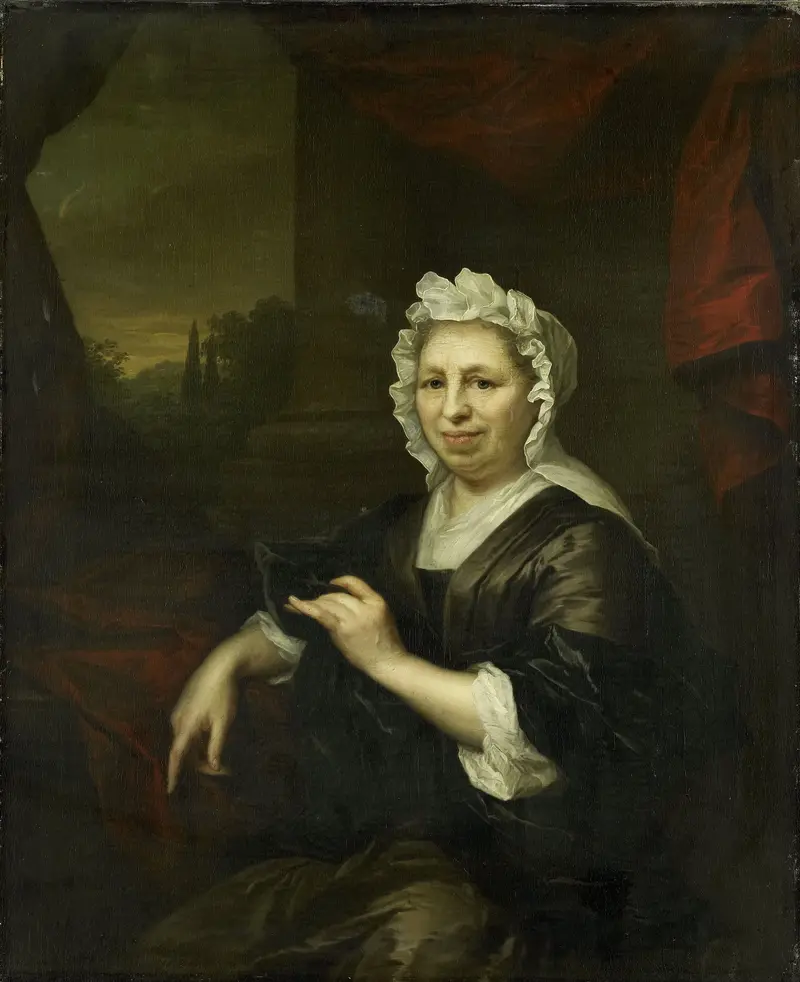
Portrait Brechje Hooft (1640-1721). Widow of Harmen van de Poll
Arnold Boonen
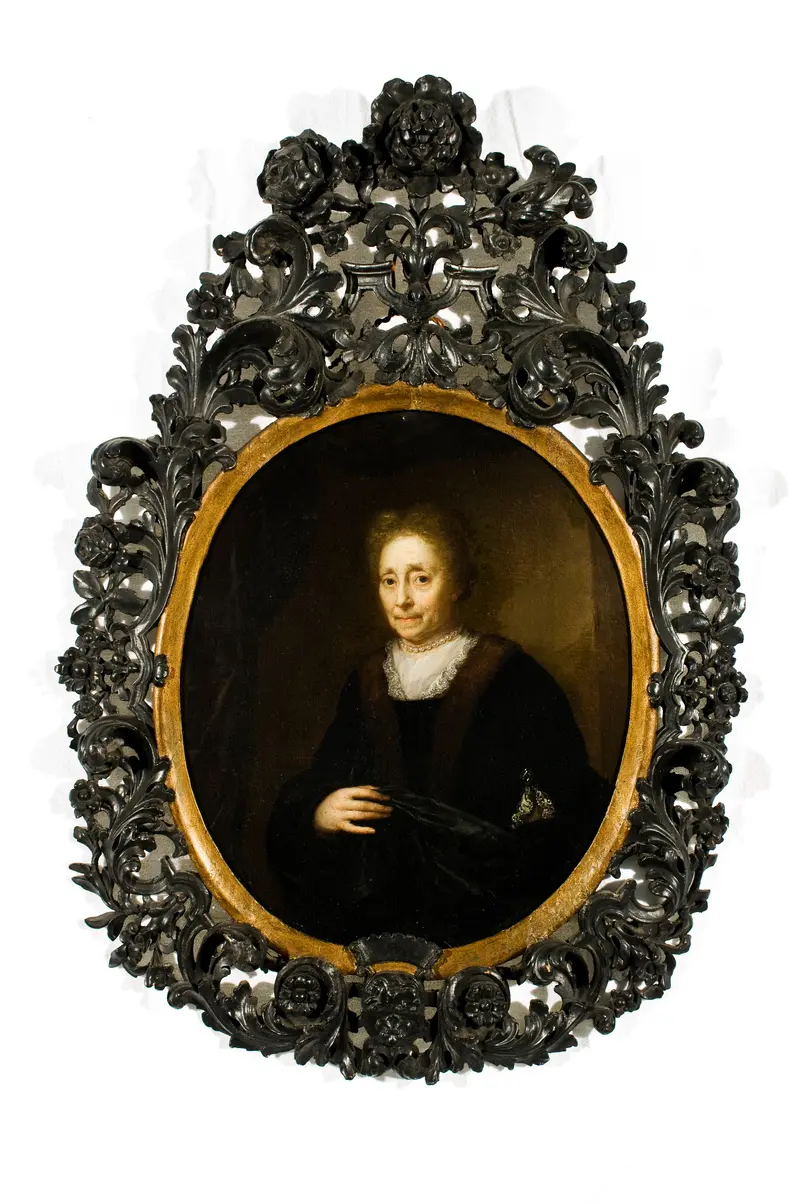
Portret van Elisabeth Schaep van Strijen, echtgenote van Mr. Pieter Schaep DM 011 980 Dordrechts Museum
Arnold Boonen
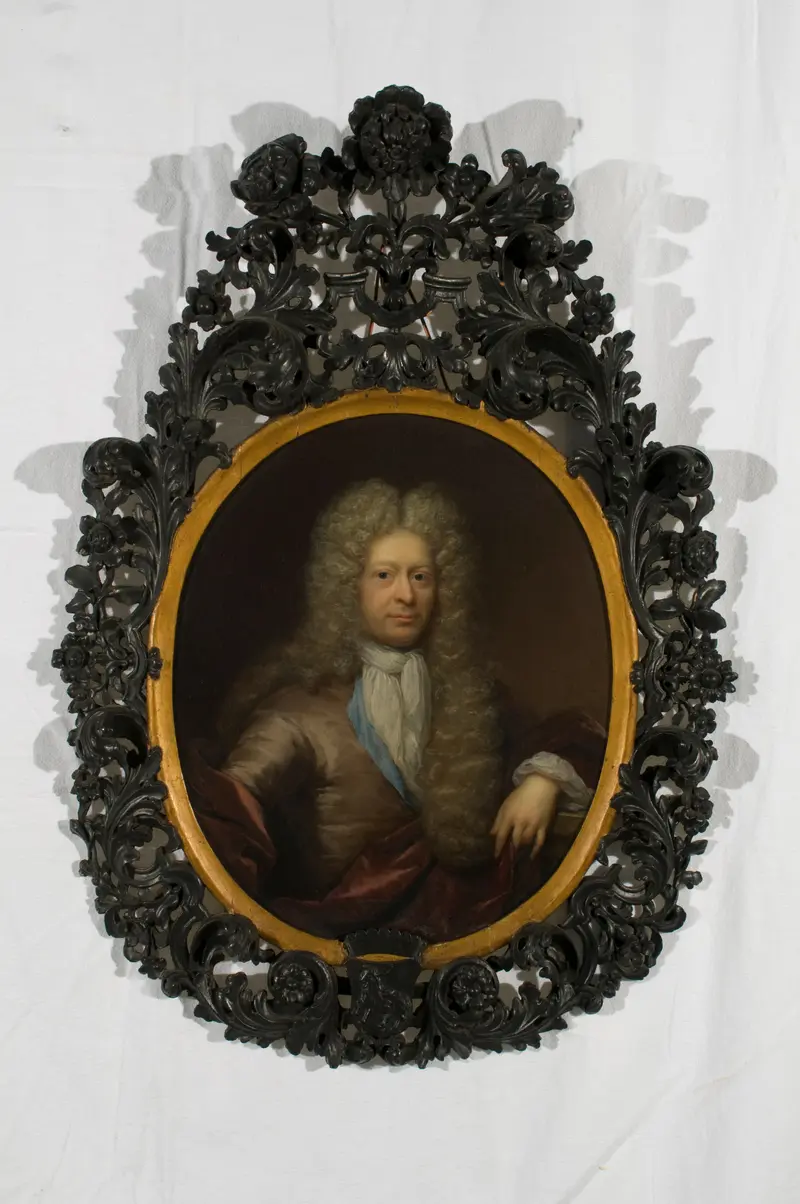
Portret van Mr Reynier Schaep DM 011 981 Dordrechts Museum
Arnold Boonen
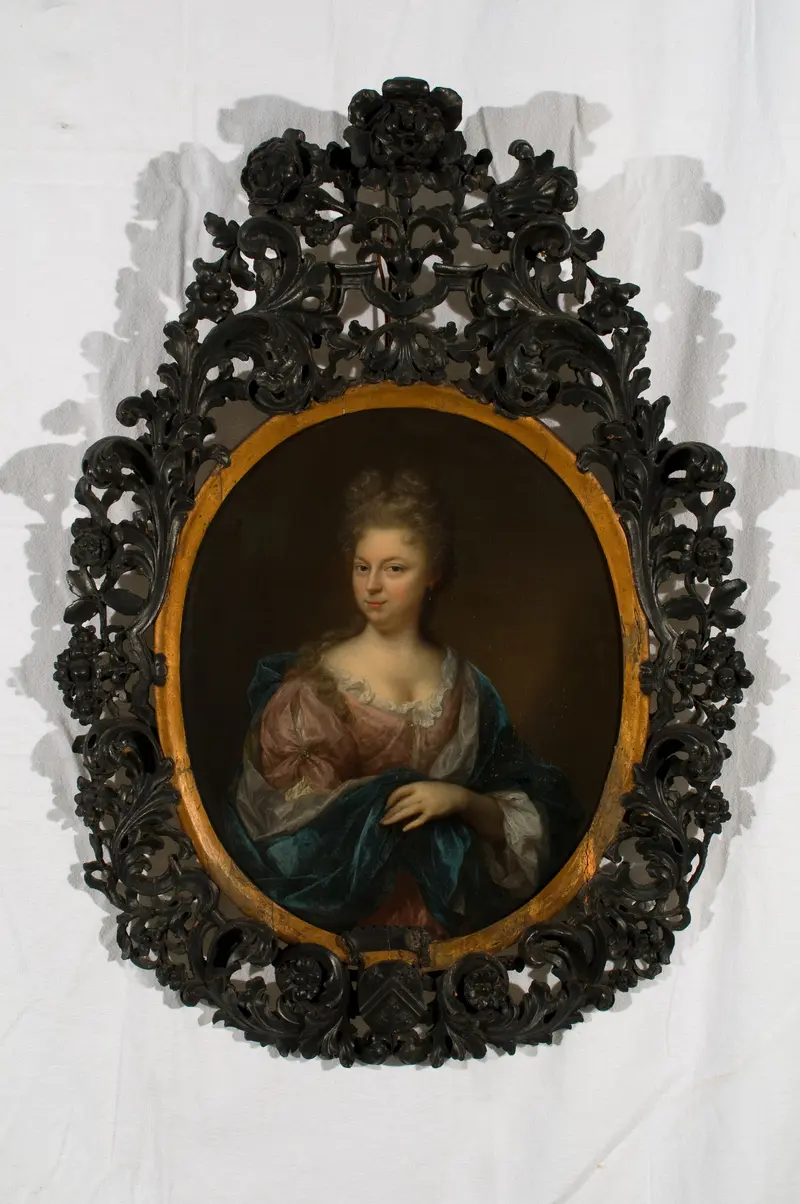
Portret van Eva Maria Muilman DM 011 982 Dordrechts Museum
Arnold Boonen
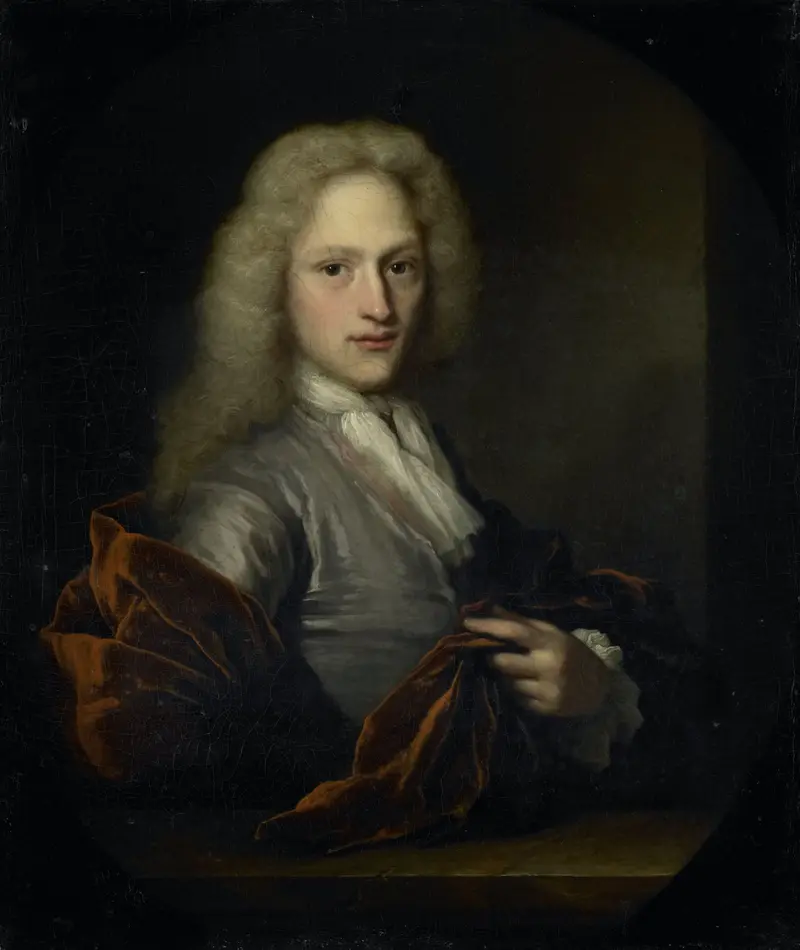
Portrait of a Man SK-A-
Arnold Boonen
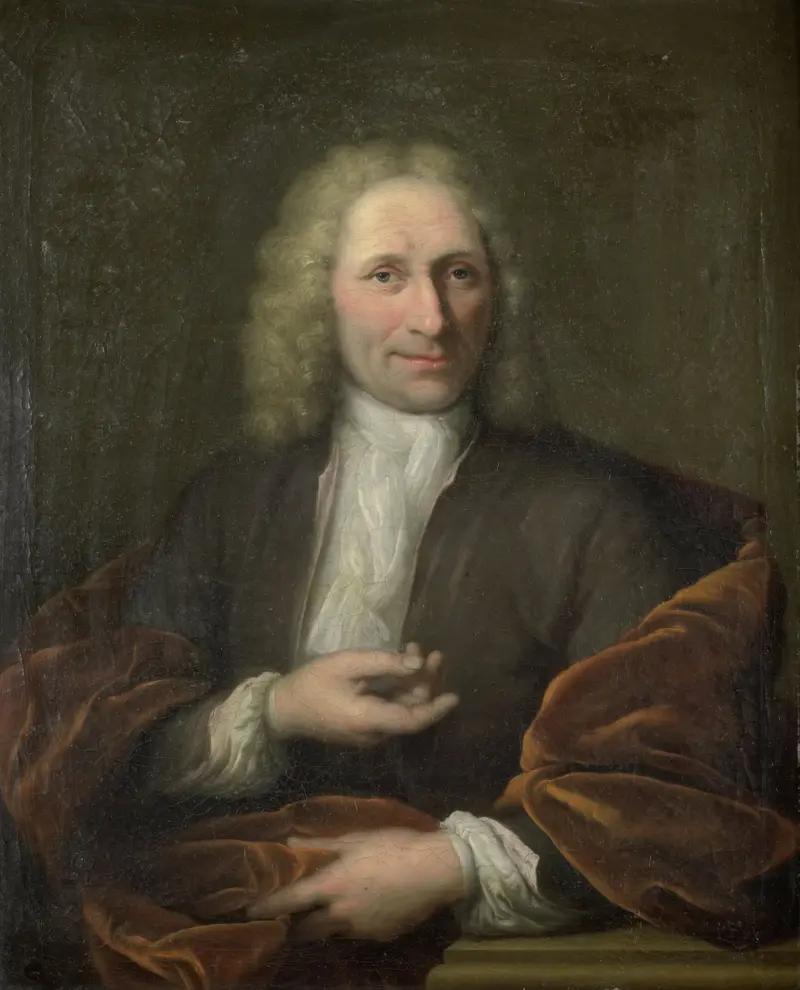
Portrait of a Man
Arnold Boonen
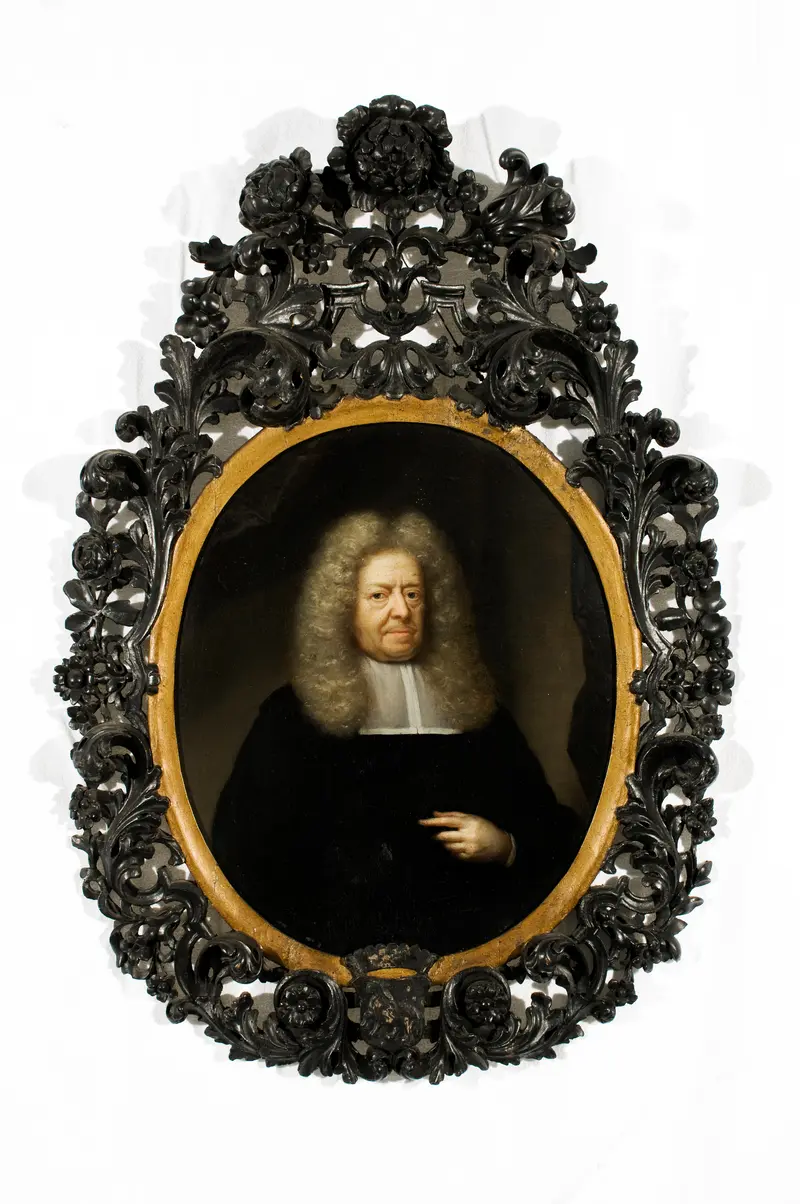
Portret van Mr. Pieter Schaep DM 011 979 Dordrechts Museum
Arnold Boonen





