
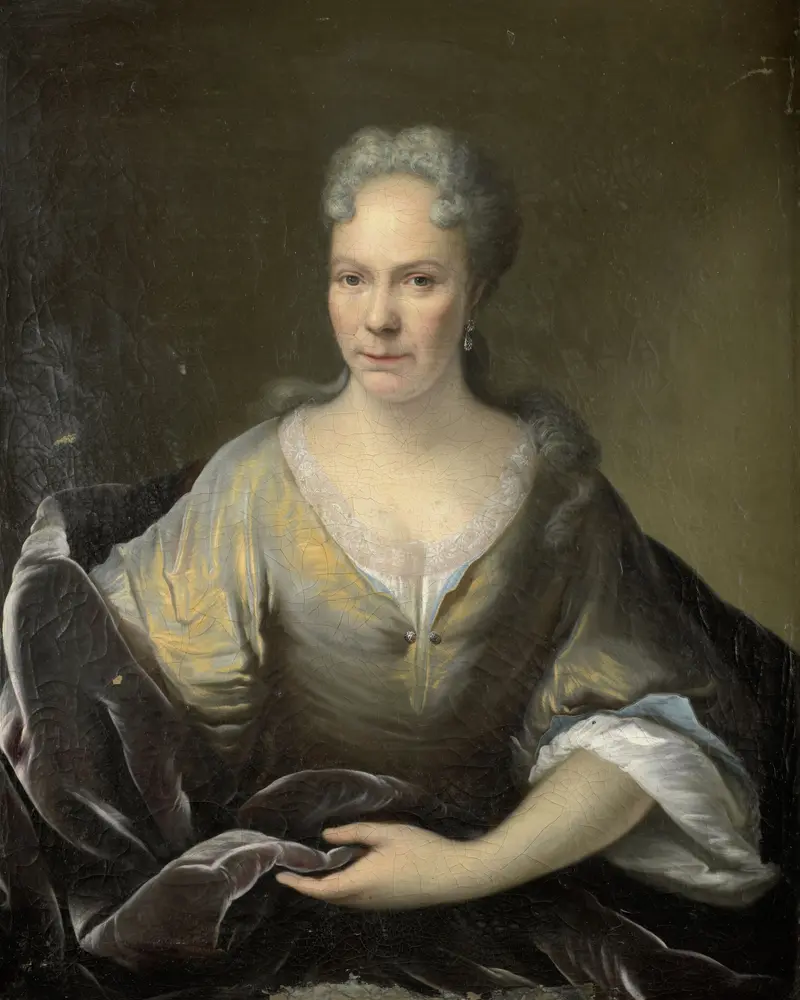
Portret van Eva Maria Muilman DM 011 982 Dordrechts Museum — History & Facts
What first catches the eye is not only the sitter’s composed gaze, but the lavish, almost theatrical frame that seems to cradle her in a nest of black foliage. The woman’s face emerges from a deep, velvety background, her skin luminous against the dark, as if she has just stepped into a pool of candlelight. Her dress, a swirl of blue and rose silk, is painted with a tactile softness that invites the viewer to imagine the rustle of fabric.
The hand at her chest, poised yet relaxed, suggests a moment of gentle self-presentation—an invitation to meet her gaze, but on her terms. The ornate frame is not simply decoration; it signals status, taste, and the importance of the subject within her world. Works like this portrait by Arnold Boonen belong to a tradition that flourished in the Dutch Republic as the eighteenth century dawned, when the rising bourgeoisie and patrician classes sought to immortalize themselves with the dignity once reserved for nobility. Portraits were both private treasures and public statements, often commissioned to mark marriages, inheritances, or ascents in social rank.
The Dordrechts Museum preserves this example, though history has kept few traces of its sitter’s life or the painting’s early journey. Yet, in the confident pose and sumptuous costume, we glimpse the aspirations of an age—and the enduring power of a painted encounter.
More Artworks by Arnold Boonen

Portrait of Jan van Huysum
Arnold Boonen
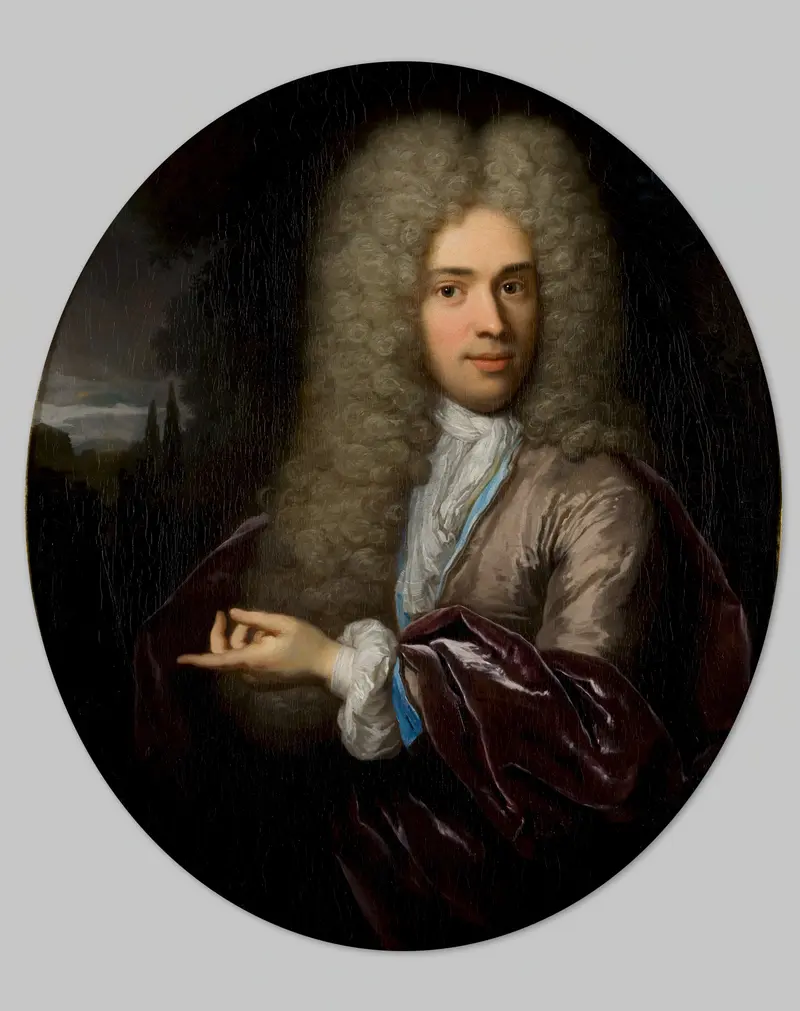
Daniël Deutz
Arnold Boonen
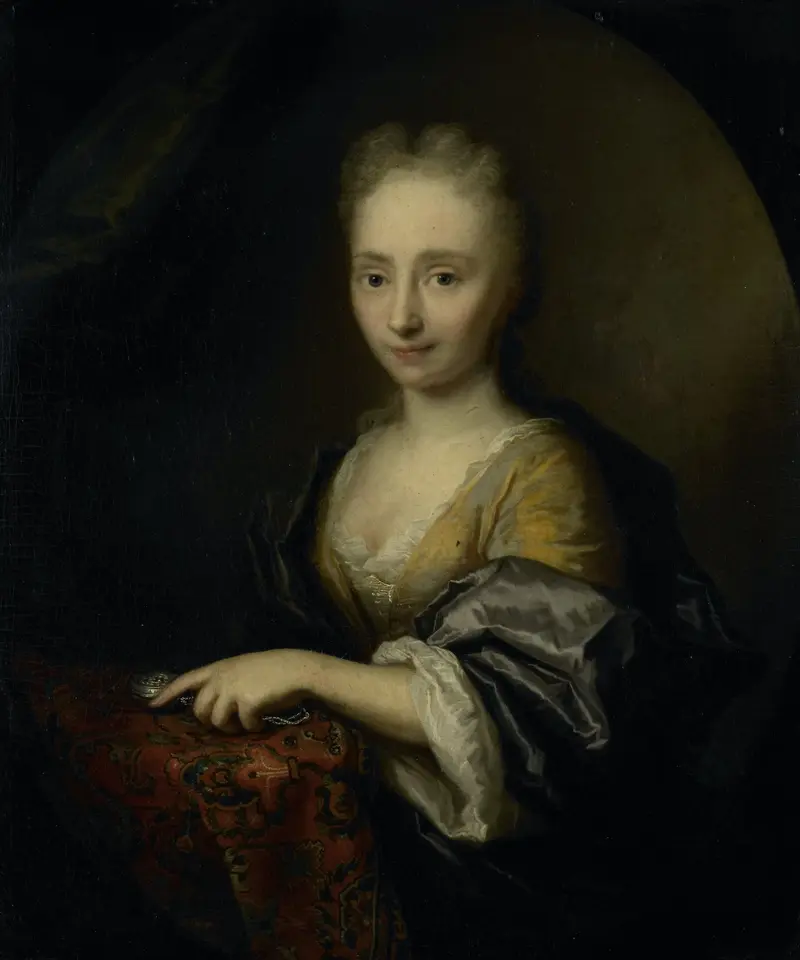
Portrait of a Woman SK-A-
Arnold Boonen
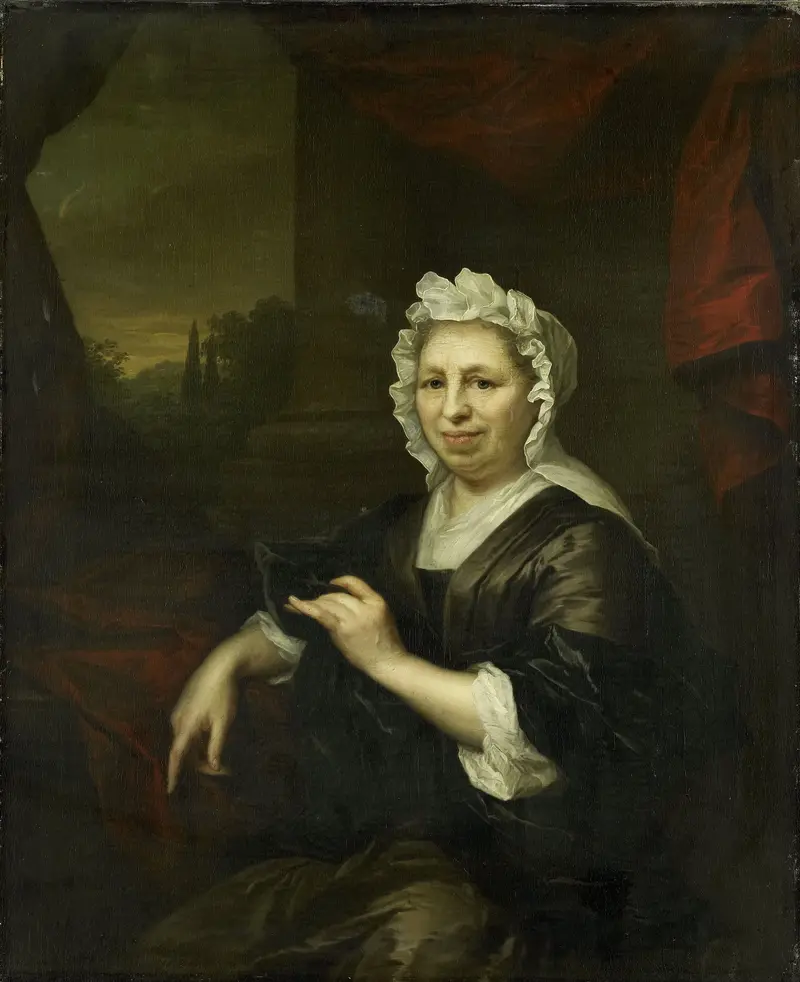
Portrait Brechje Hooft (1640-1721). Widow of Harmen van de Poll
Arnold Boonen
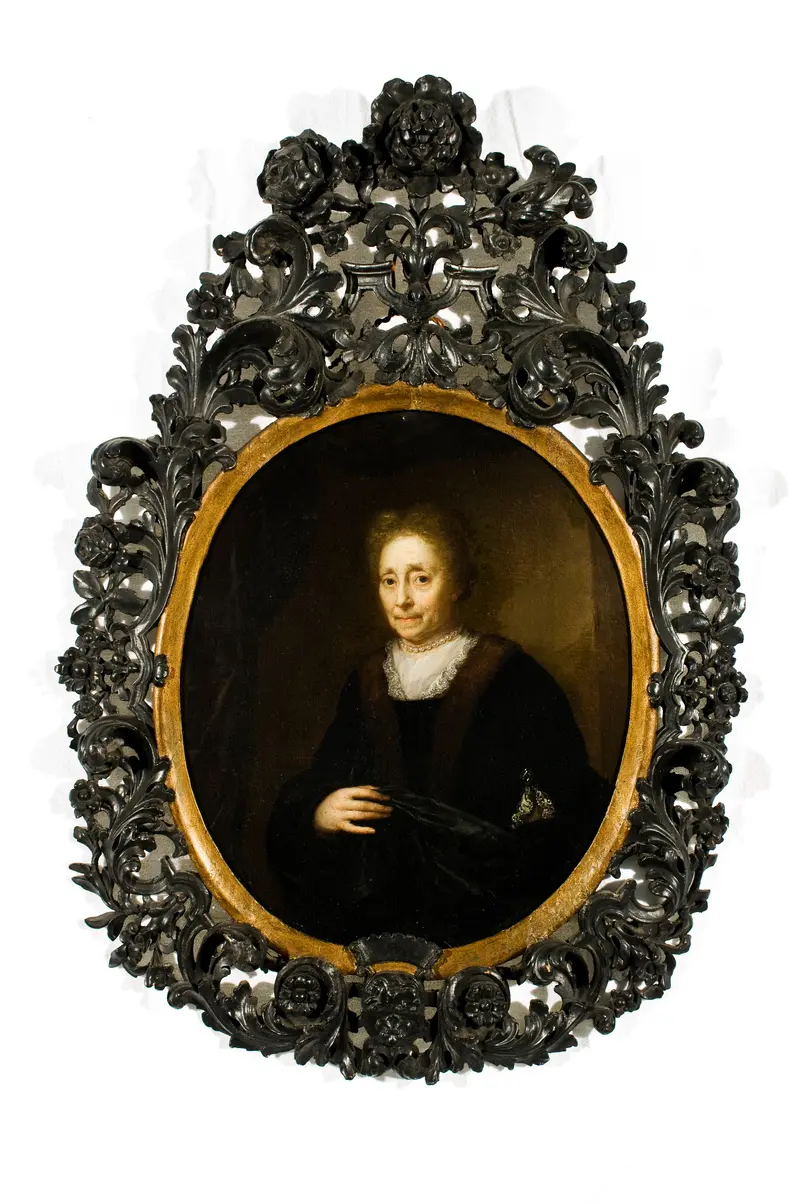
Portret van Elisabeth Schaep van Strijen, echtgenote van Mr. Pieter Schaep DM 011 980 Dordrechts Museum
Arnold Boonen
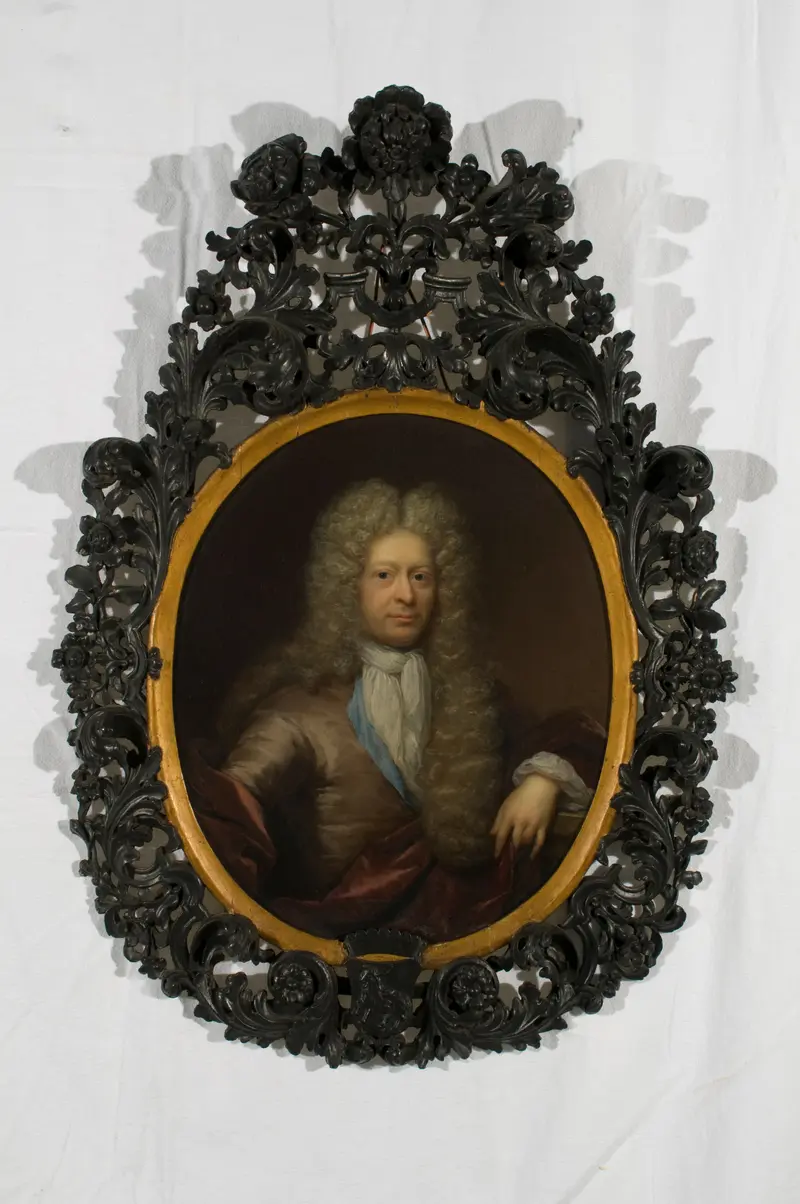
Portret van Mr Reynier Schaep DM 011 981 Dordrechts Museum
Arnold Boonen
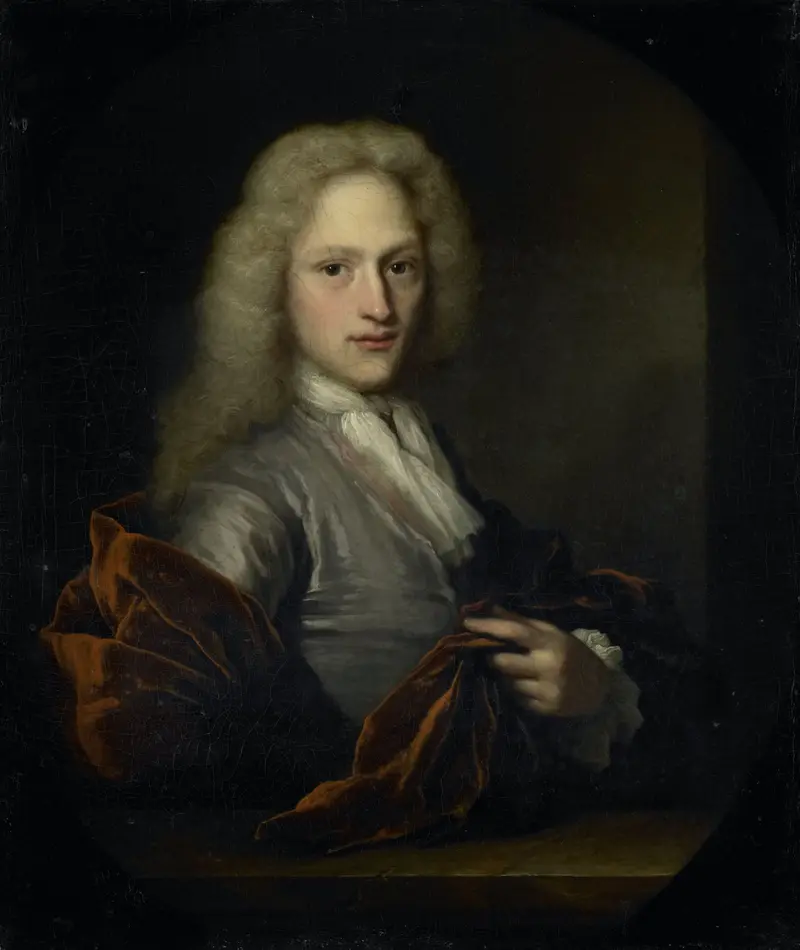
Portrait of a Man SK-A-
Arnold Boonen
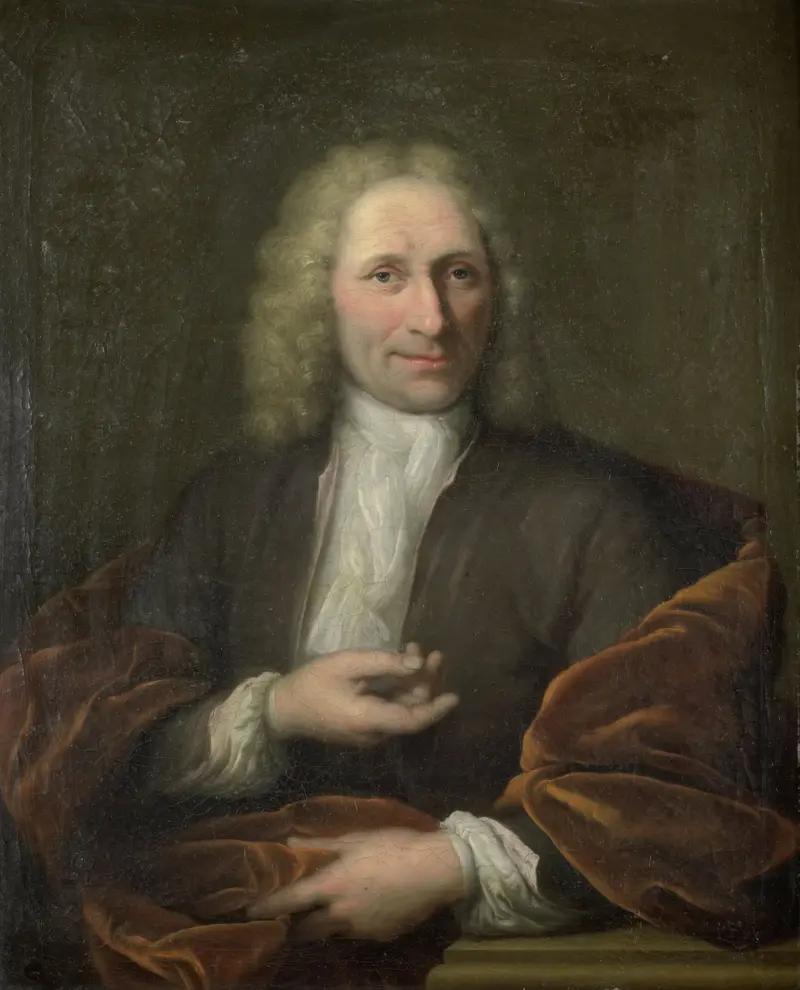
Portrait of a Man
Arnold Boonen
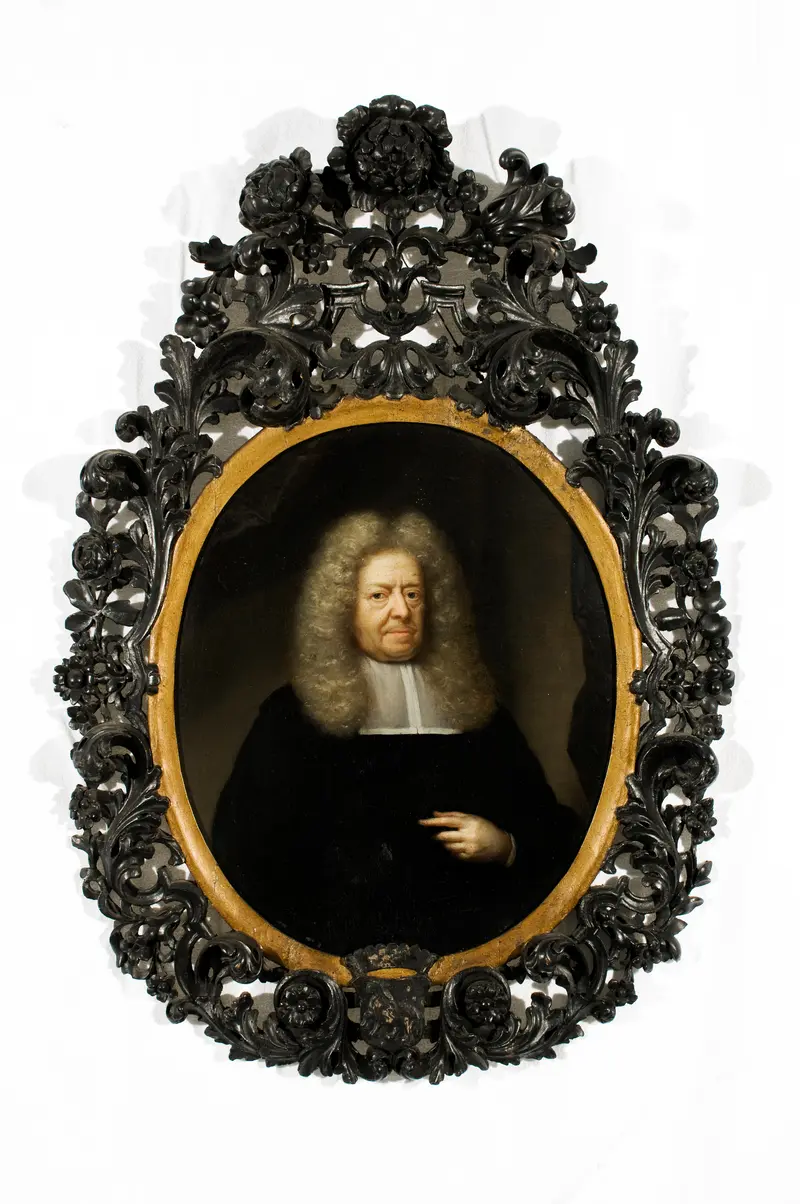
Portret van Mr. Pieter Schaep DM 011 979 Dordrechts Museum
Arnold Boonen
Portrait of a Woman
Arnold Boonen





