
Portrait of a Man — History & Facts
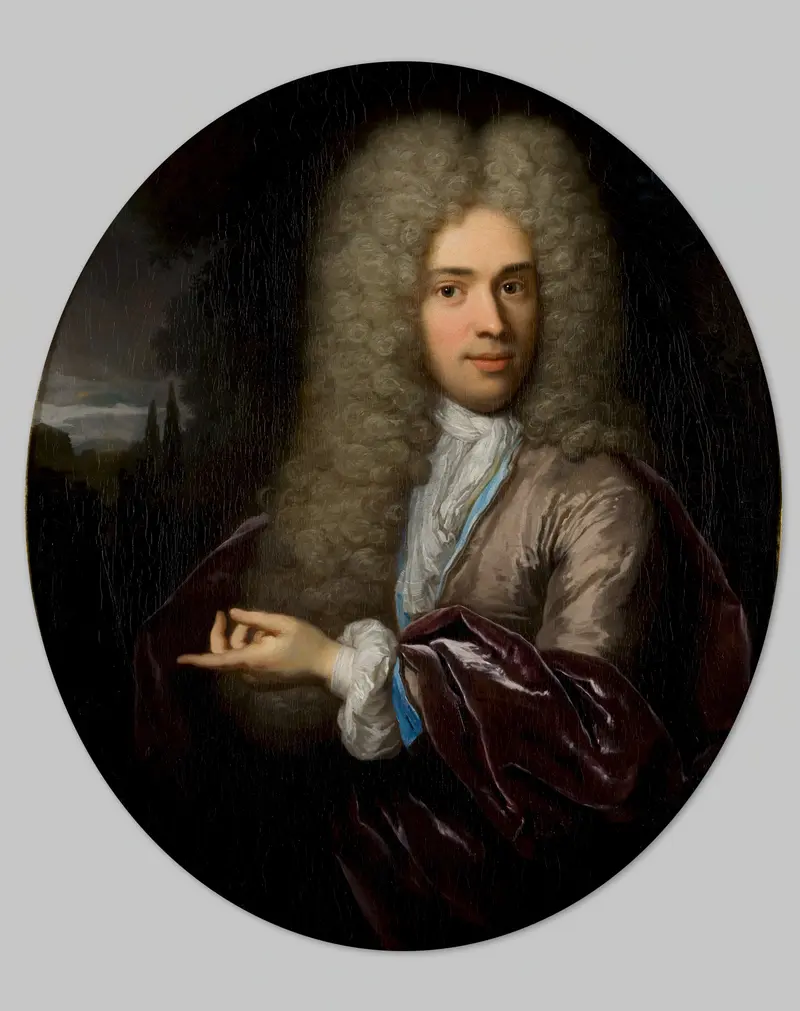
The first thing that draws the eye in Portrait of a Man by Arnold Boonen is the sitter’s direct, almost conversational gaze. His face, softly illuminated against a shadowy background, is framed by a cascade of powdered curls and the rich, heavy folds of a brown velvet robe. There is a quiet confidence in the way he holds himself, his left hand poised with two fingers extended as if caught mid-thought or about to speak.
The subtle blush on his cheeks, the crisp white cravat, and the gentle play of light across the fabric all work together to suggest a man of some standing, self-assured but approachable. The painter’s brush lingers on the tactile pleasures of velvet and linen, drawing the viewer into the textures as much as the personality. Works like this, painted between 1690 and 1750, belonged to a world where portraiture was a declaration of identity and status. In the Dutch Republic, such images were often commissioned by prosperous burghers and professionals eager to record their place in society.
Arnold Boonen, active in this period, was known for his ability to capture both likeness and a sense of character, following a tradition that prized realism and psychological presence. This painting, now in the Rijksmuseum collection, is a pendant to another portrait—suggesting it once hung as part of a pair, perhaps husband and wife, or business partners. History has kept few traces of this sitter’s name or story, but the painting’s quiet dignity invites us to imagine the world he inhabited and the reasons he wished to be remembered in this way.
More Artworks by Arnold Boonen

Portrait of Jan van Huysum
Arnold Boonen
Daniël Deutz
Arnold Boonen
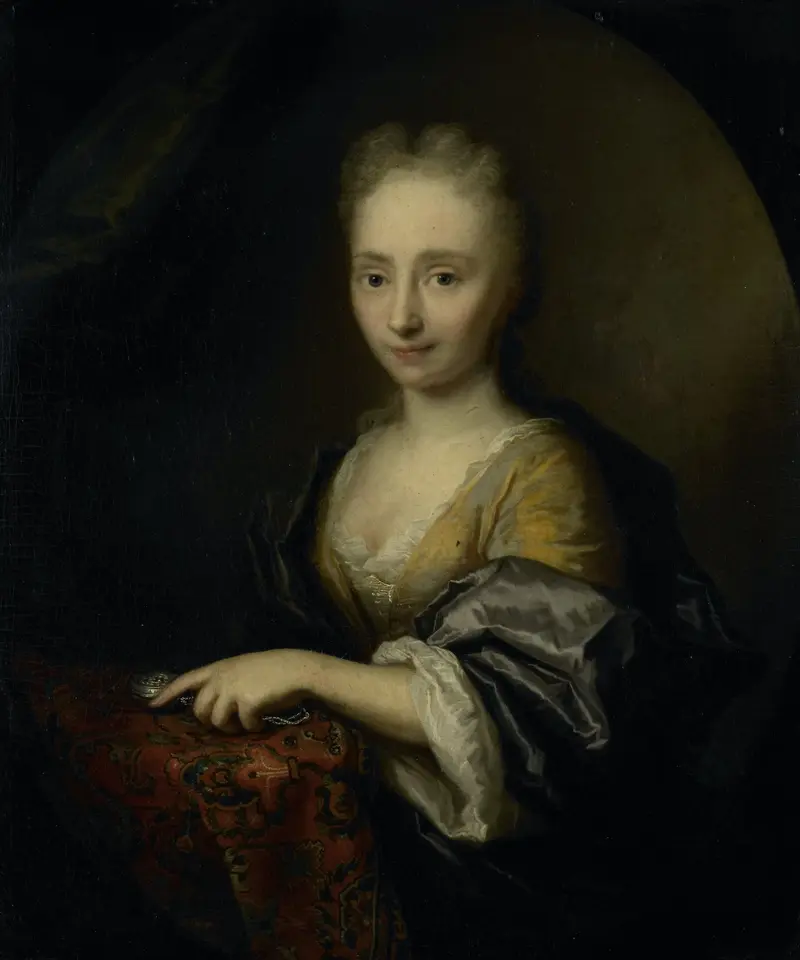
Portrait of a Woman SK-A-
Arnold Boonen
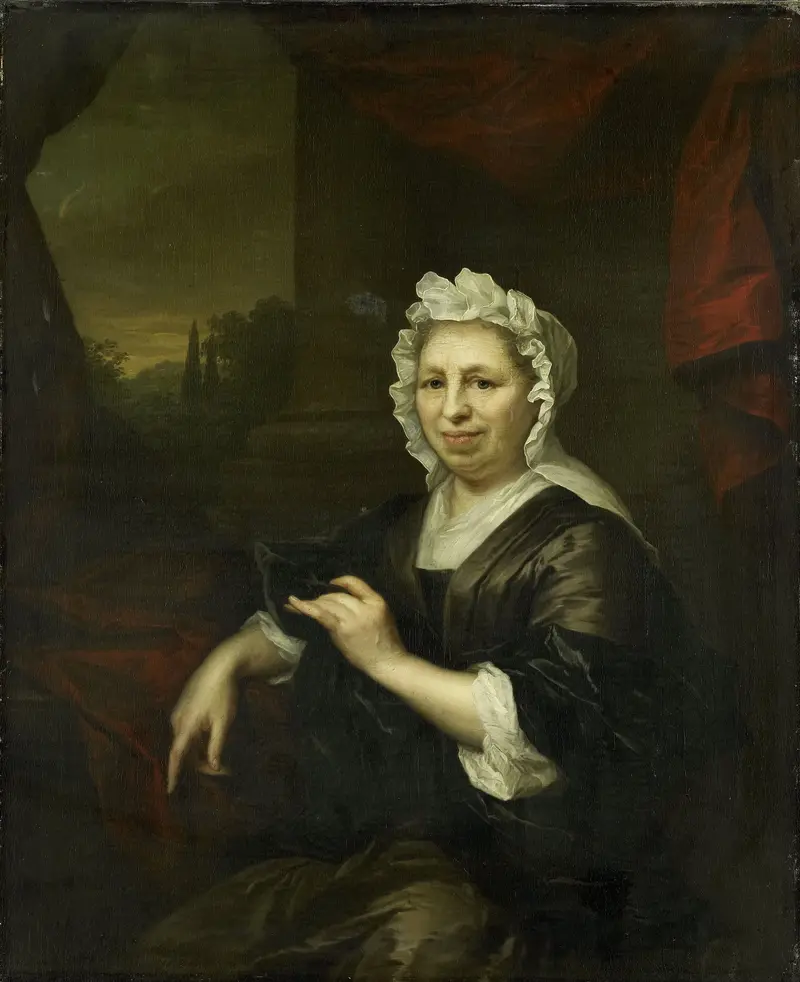
Portrait Brechje Hooft (1640-1721). Widow of Harmen van de Poll
Arnold Boonen
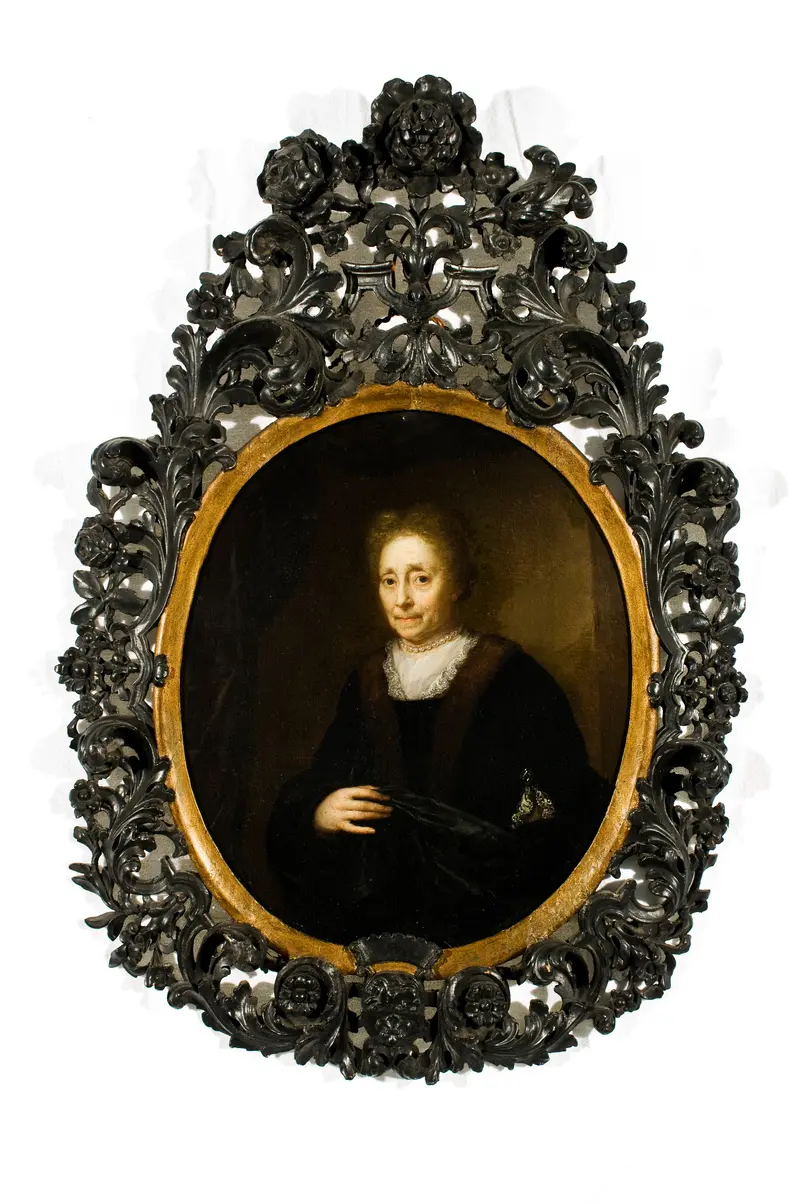
Portret van Elisabeth Schaep van Strijen, echtgenote van Mr. Pieter Schaep DM 011 980 Dordrechts Museum
Arnold Boonen
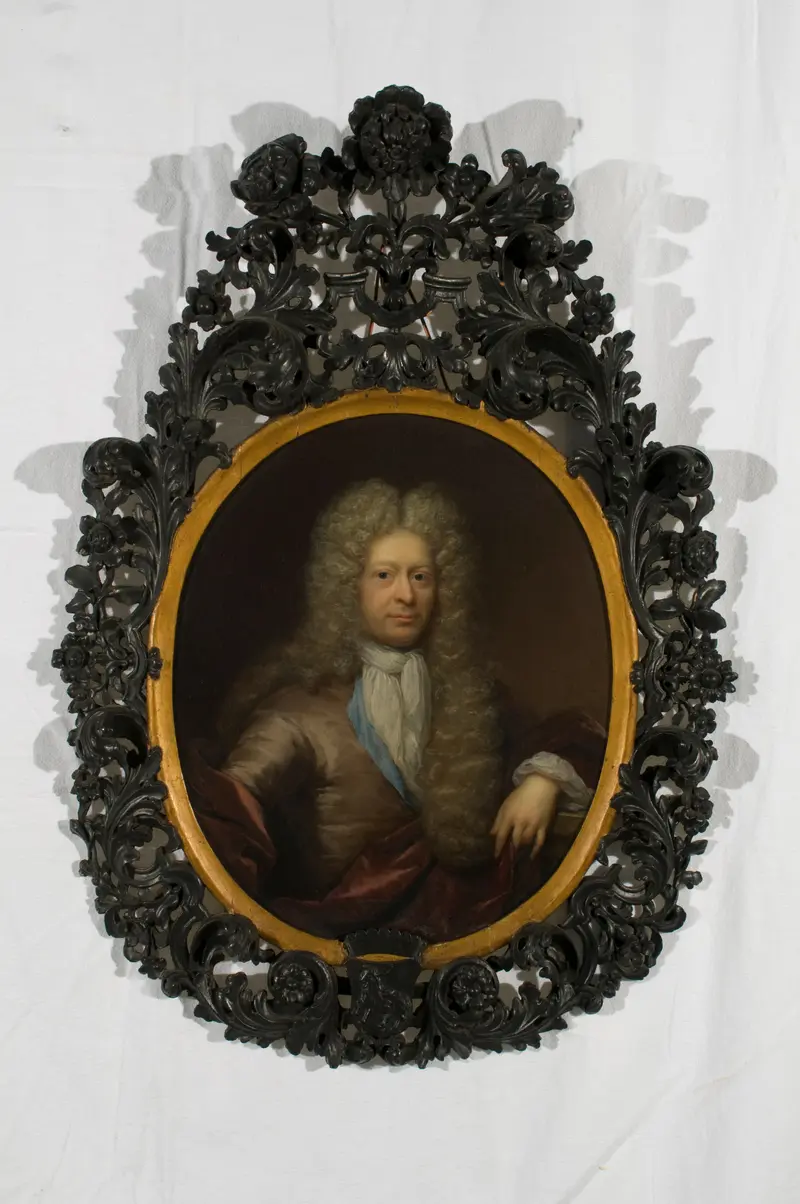
Portret van Mr Reynier Schaep DM 011 981 Dordrechts Museum
Arnold Boonen
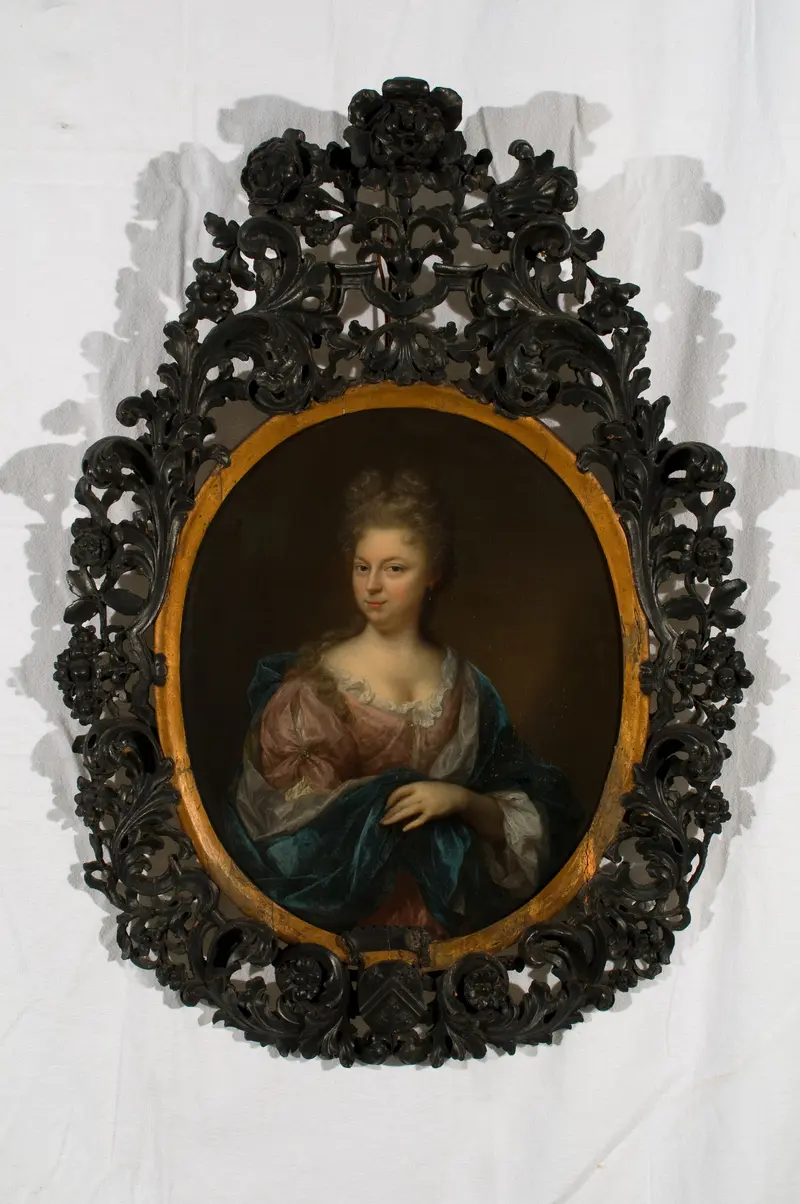
Portret van Eva Maria Muilman DM 011 982 Dordrechts Museum
Arnold Boonen
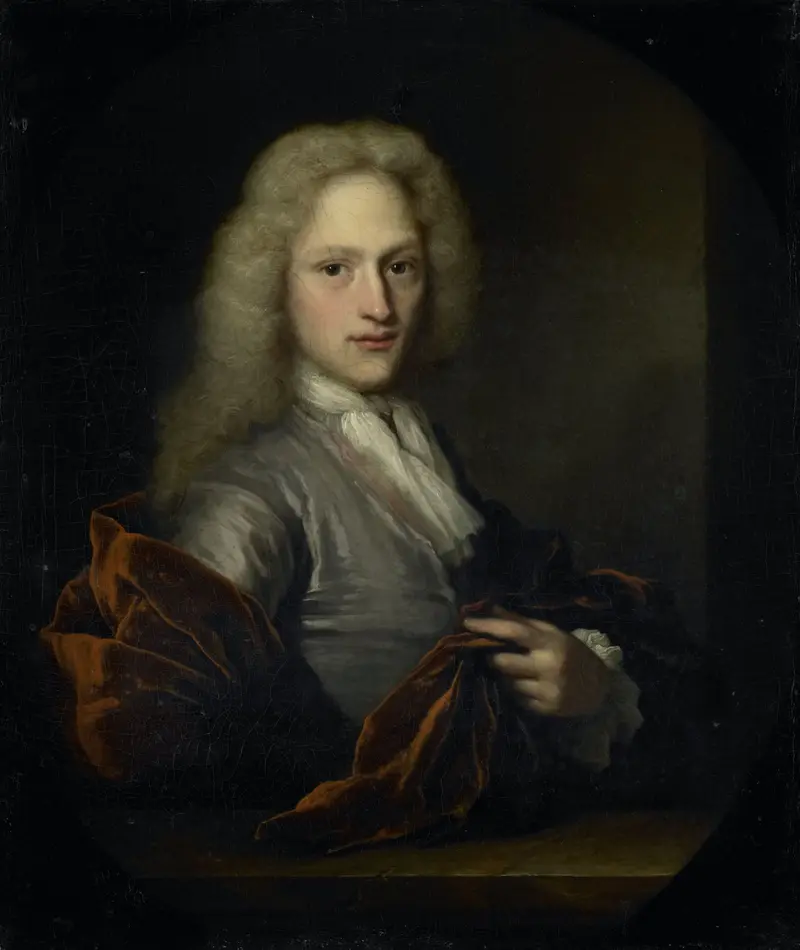
Portrait of a Man SK-A-
Arnold Boonen
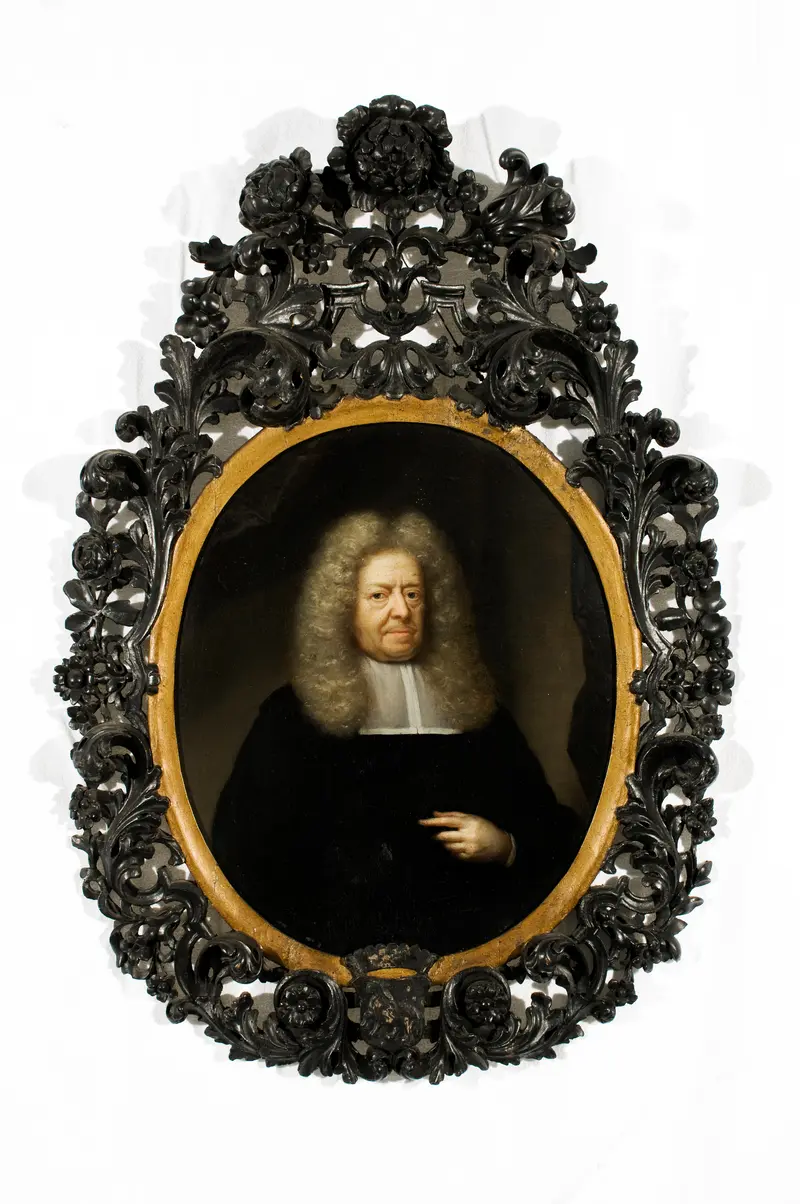
Portret van Mr. Pieter Schaep DM 011 979 Dordrechts Museum
Arnold Boonen
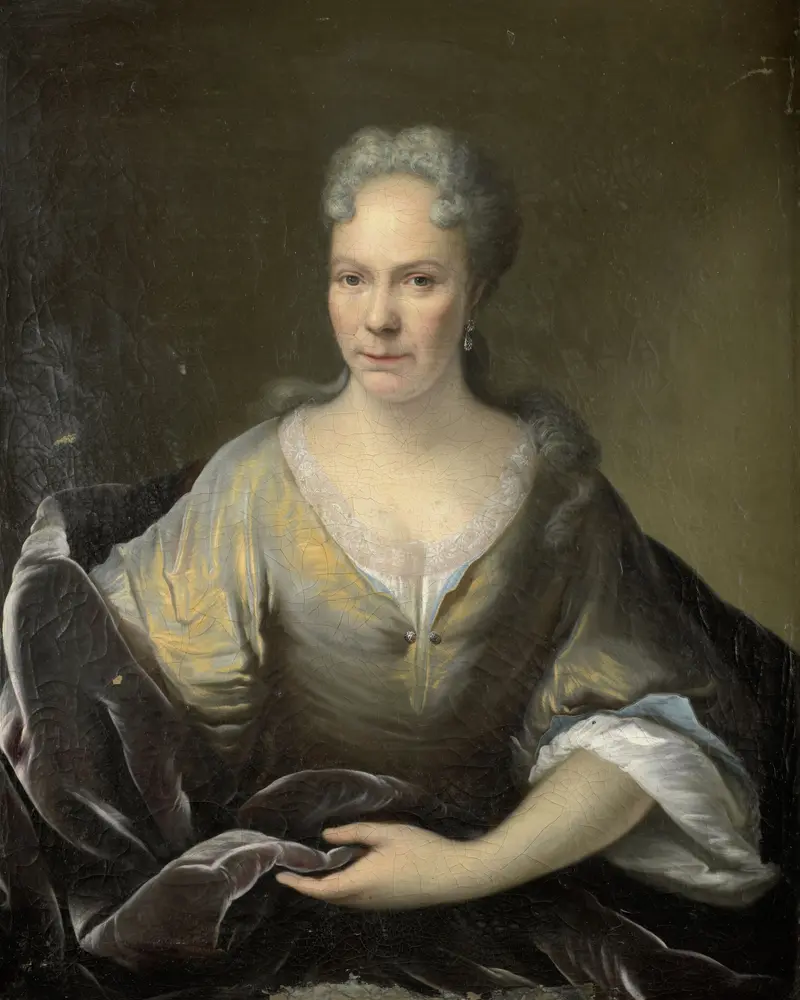
Portrait of a Woman
Arnold Boonen





