
Portrait of a Woman SK-A- — History & Facts
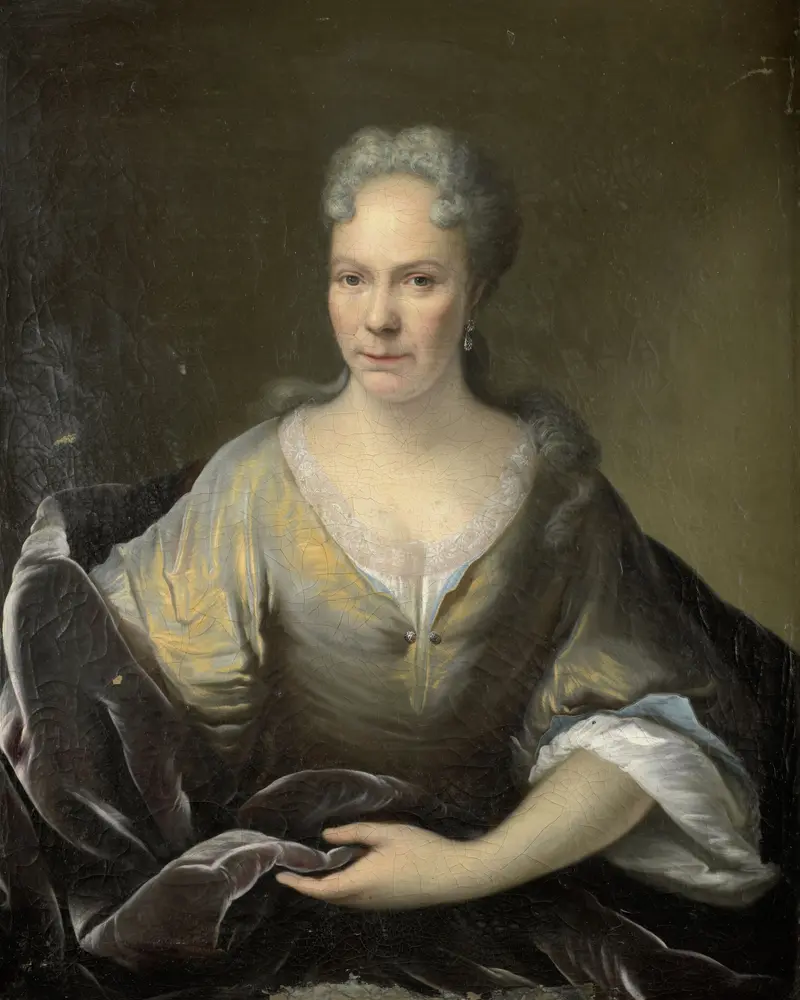
What first draws the eye in Portrait of a Woman SK-A- by Arnold Boonen is the quiet confidence with which the sitter meets our gaze, her hand delicately resting on a richly patterned tablecloth, fingers curled around a watch. The light falls softly across her face and bodice, picking out the sheen of her yellow gown and the silvery folds of her wrap, while the background dissolves into a gentle shadow that frames her presence. The watch she holds is no idle detail: it signals both wealth and a consciousness of time, perhaps a nod to the virtues of diligence or the fleeting nature of beauty.
Her expression is composed but not distant, inviting the viewer into a moment of poised self-possession. The painter’s attention to the play of textures—skin, fabric, metal—guides the eye in a gentle circle, always returning to the sitter’s steady look. Works like this, painted between 1690 and 1729, belong to a world where portraiture was a statement of status and character, often commissioned to commemorate marriages, alliances, or personal milestones. In the Dutch Republic, such portraits flourished among a prosperous middle class eager to display their refinement and taste.
Arnold Boonen was known for his ability to capture the subtle individuality of his sitters, part of a tradition that valued both likeness and gentle idealization. This painting, now in the Rijksmuseum collection, stands as a pendant to another portrait, suggesting a pair—perhaps husband and wife—meant to be viewed together, their stories intertwined. The centuries have left us with few words about this particular woman, but her presence, as composed by Boonen, continues to invite speculation and admiration.
More Artworks by Arnold Boonen

Portrait of Jan van Huysum
Arnold Boonen
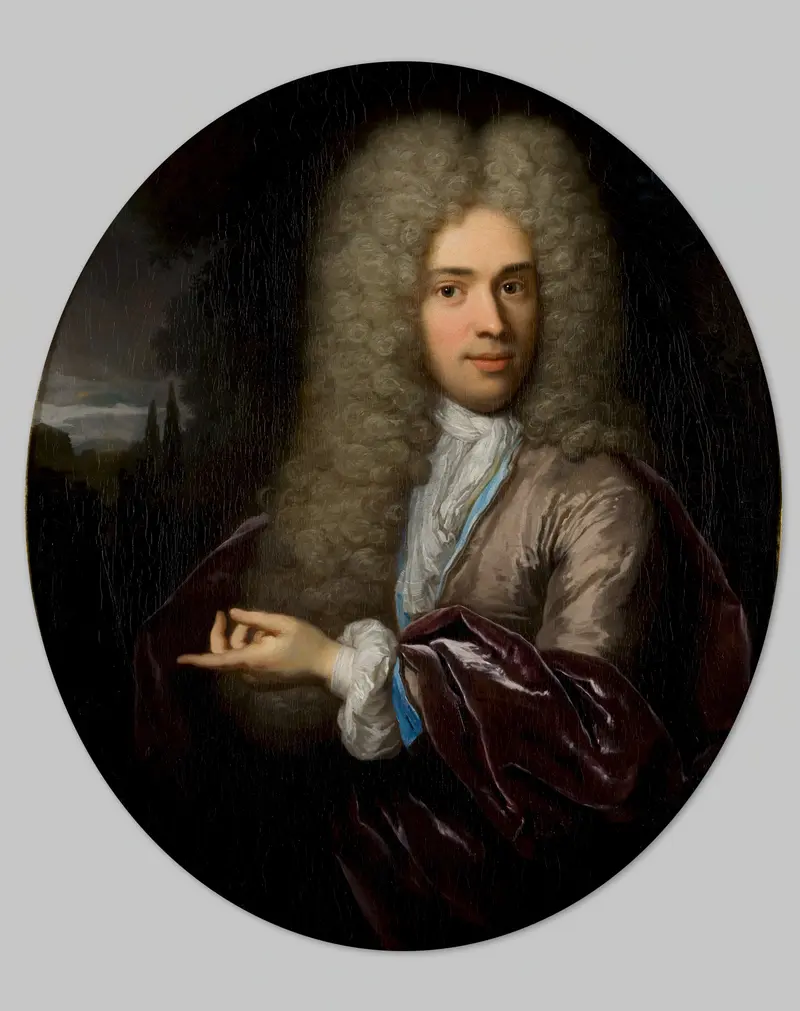
Daniël Deutz
Arnold Boonen
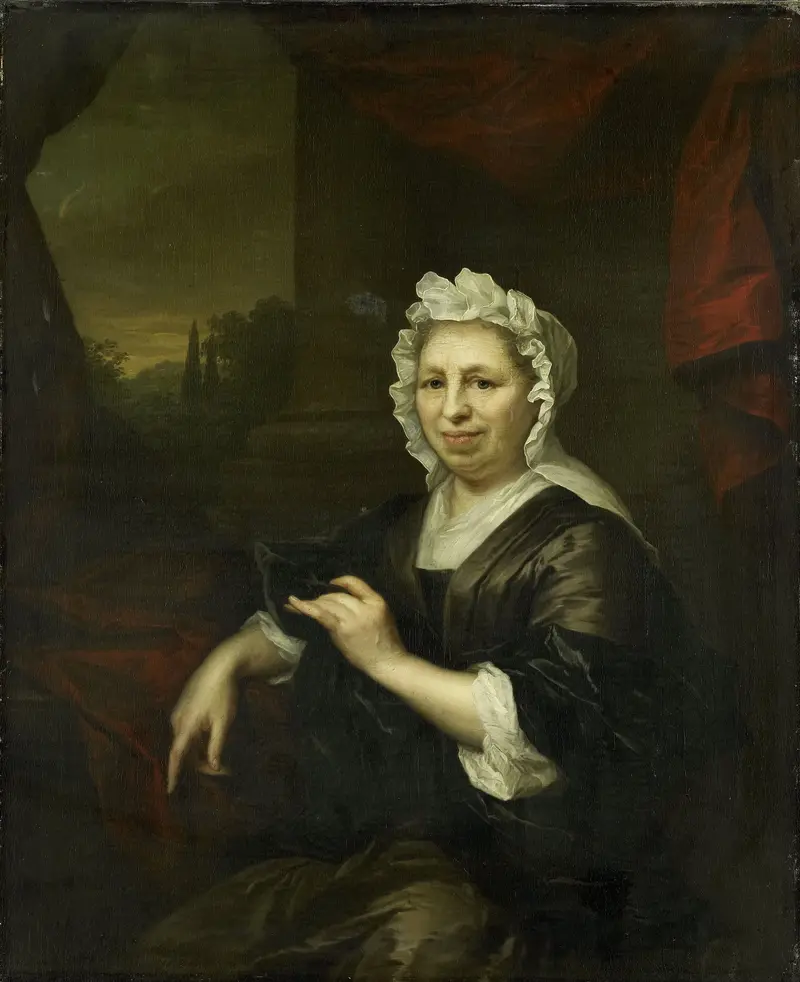
Portrait Brechje Hooft (1640-1721). Widow of Harmen van de Poll
Arnold Boonen
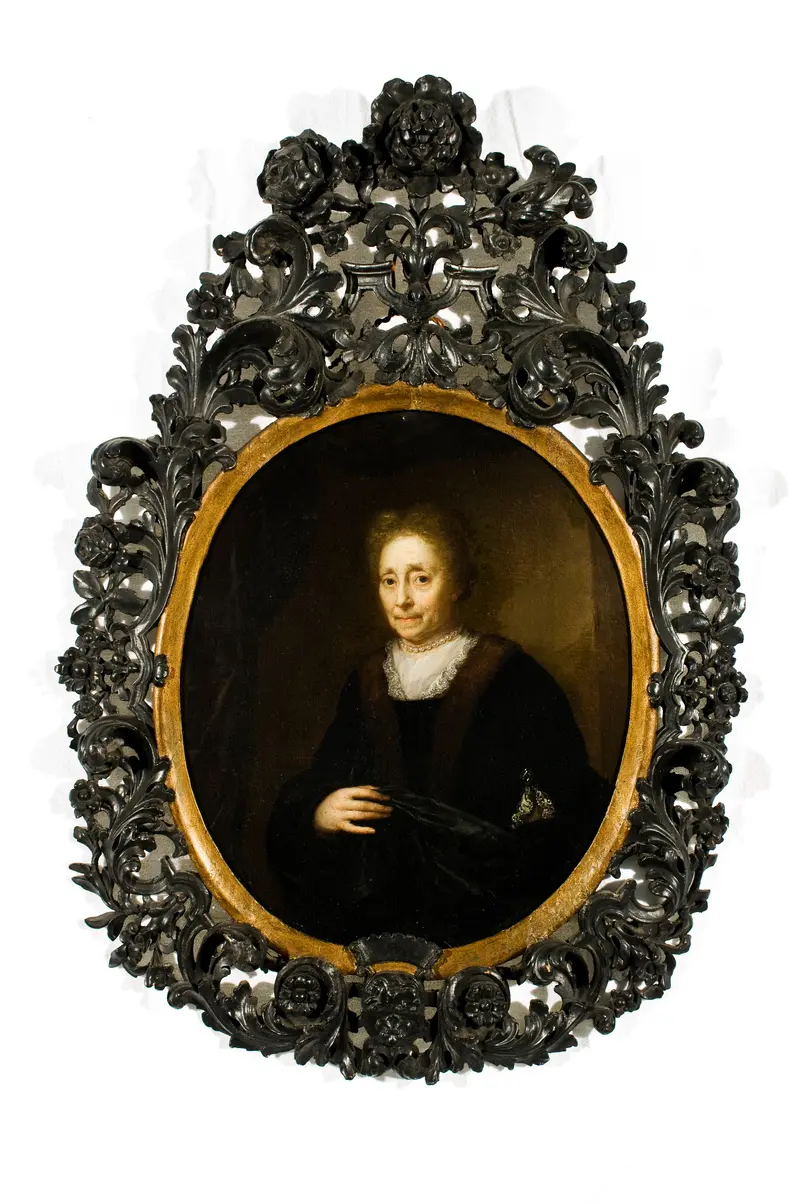
Portret van Elisabeth Schaep van Strijen, echtgenote van Mr. Pieter Schaep DM 011 980 Dordrechts Museum
Arnold Boonen
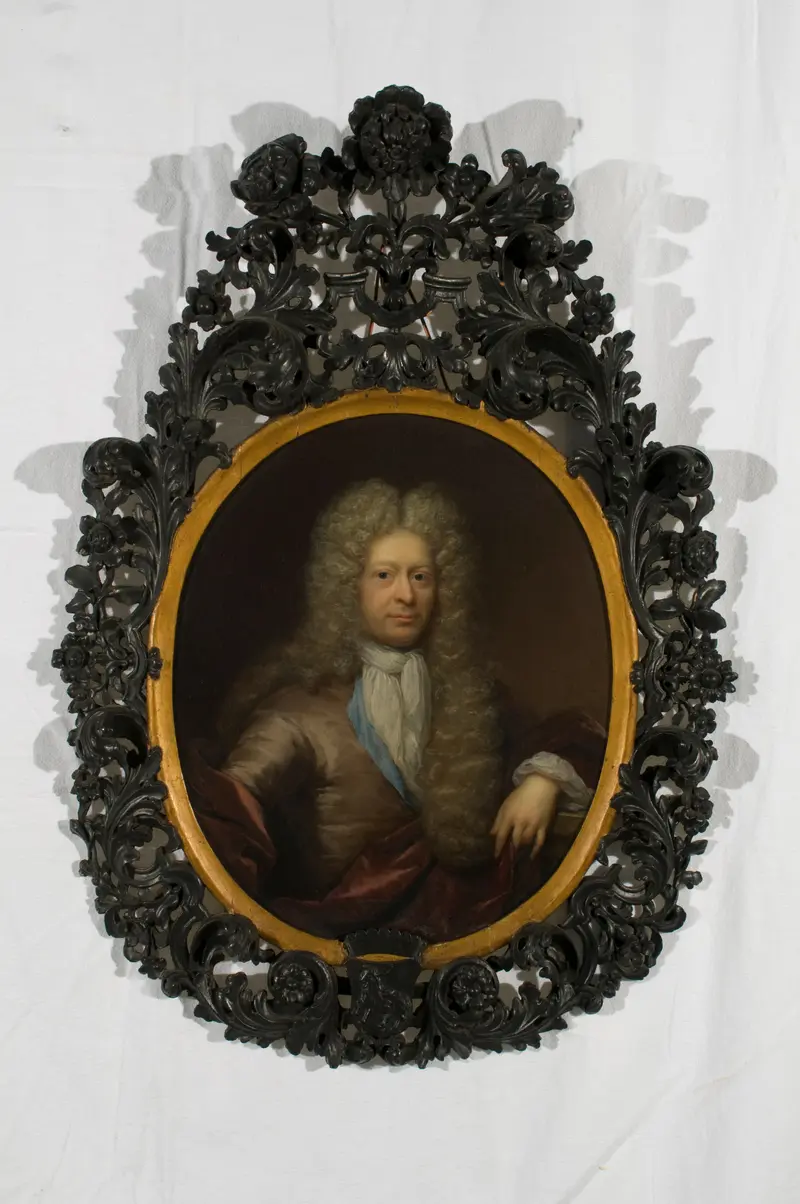
Portret van Mr Reynier Schaep DM 011 981 Dordrechts Museum
Arnold Boonen
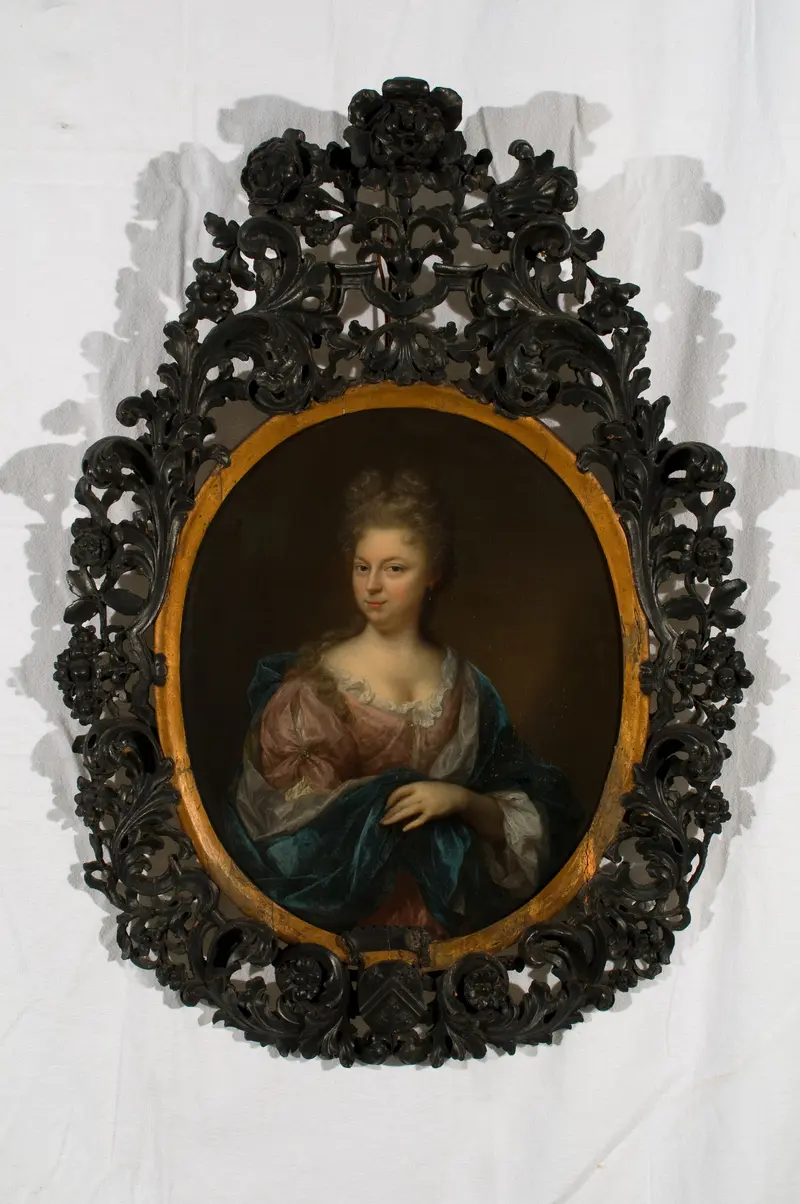
Portret van Eva Maria Muilman DM 011 982 Dordrechts Museum
Arnold Boonen
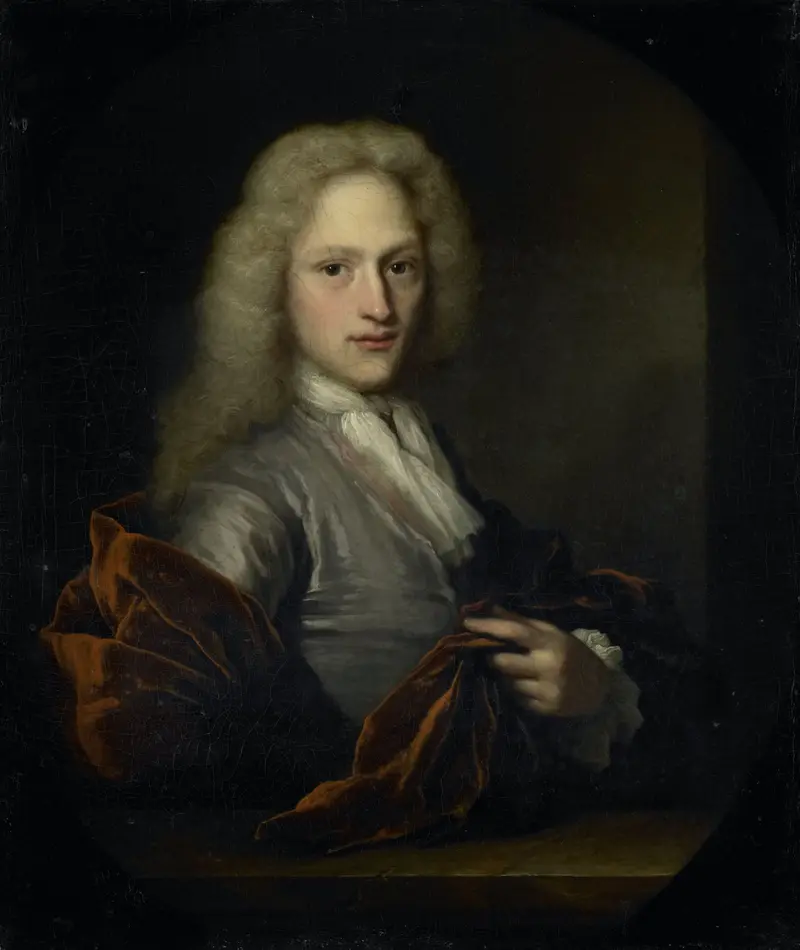
Portrait of a Man SK-A-
Arnold Boonen
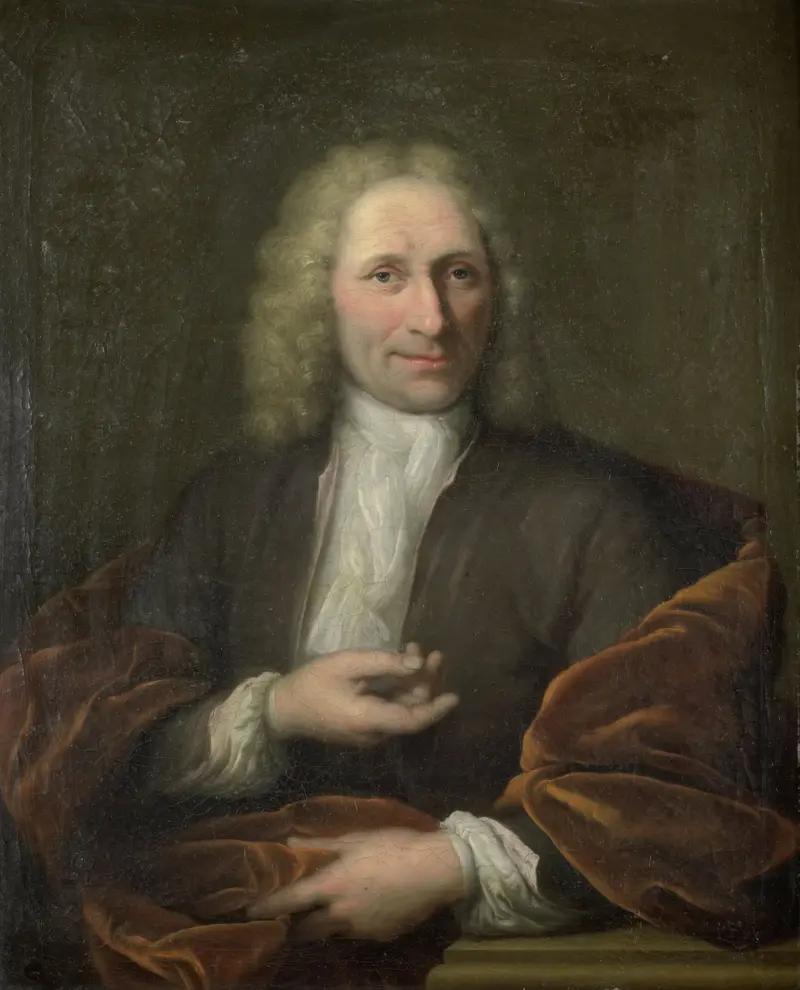
Portrait of a Man
Arnold Boonen
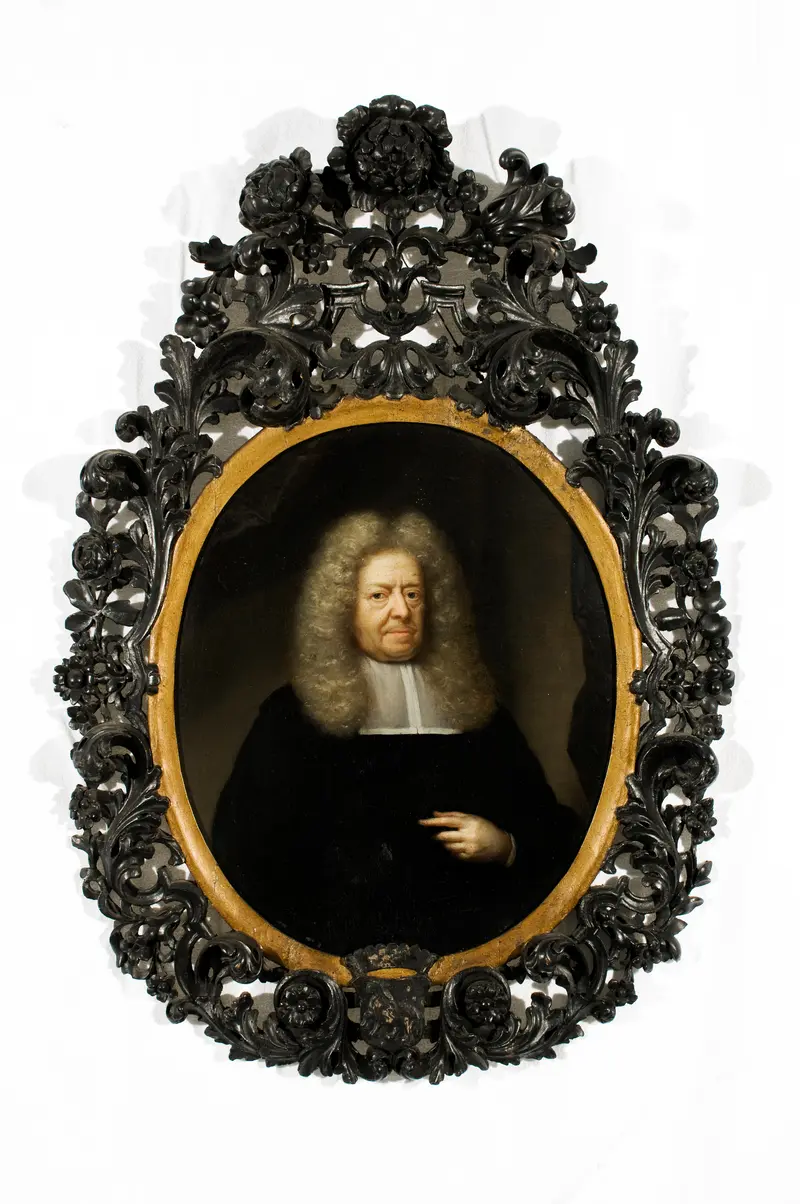
Portret van Mr. Pieter Schaep DM 011 979 Dordrechts Museum
Arnold Boonen
Portrait of a Woman
Arnold Boonen





