
Portret van Mr. Pieter Schaep DM 011 979 Dordrechts Museum — History & Facts
What first commands attention here is the extraordinary frame—an explosion of dark, curling foliage and carved blooms, as if the sitter’s presence demanded not just a portrait but a stage. Inside this ornate border, the subject’s gaze is unwavering, his expression measured yet edged with a quiet authority. The light falls from above and slightly to the left, catching the silvery mass of his wig and the crisp white of his collar, drawing your eye to the face and hands.
His right hand, poised in a subtle gesture, suggests a man accustomed to speech and decision, while the deep black of his robe anchors him in sober dignity. This is a portrait that insists on the sitter’s importance, yet leaves the particulars of his story tantalizingly just out of reach. Works like this, painted by Arnold Boonen in the Dutch Republic, were often commissioned by prosperous burghers or civic officials eager to assert their status and legacy. Portraits from this era were less about flattery and more about recording presence, character, and the trappings of respectability—hence the formal attire, the grandiose wig, and the carefully controlled pose.
The Dordrechts Museum now houses this painting, a reminder of a time when the middle classes rose to prominence and portraiture became a tool of self-fashioning. History has kept few traces of the sitter’s daily life, but the painting’s gravitas and artistry invite us to imagine the world he moved through—one of council chambers, legal debates, and the slow, weighty business of civic duty. Look again at the hand, the face, the frame: each detail is a clue to a vanished world.
More Artworks by Arnold Boonen

Portrait of Jan van Huysum
Arnold Boonen
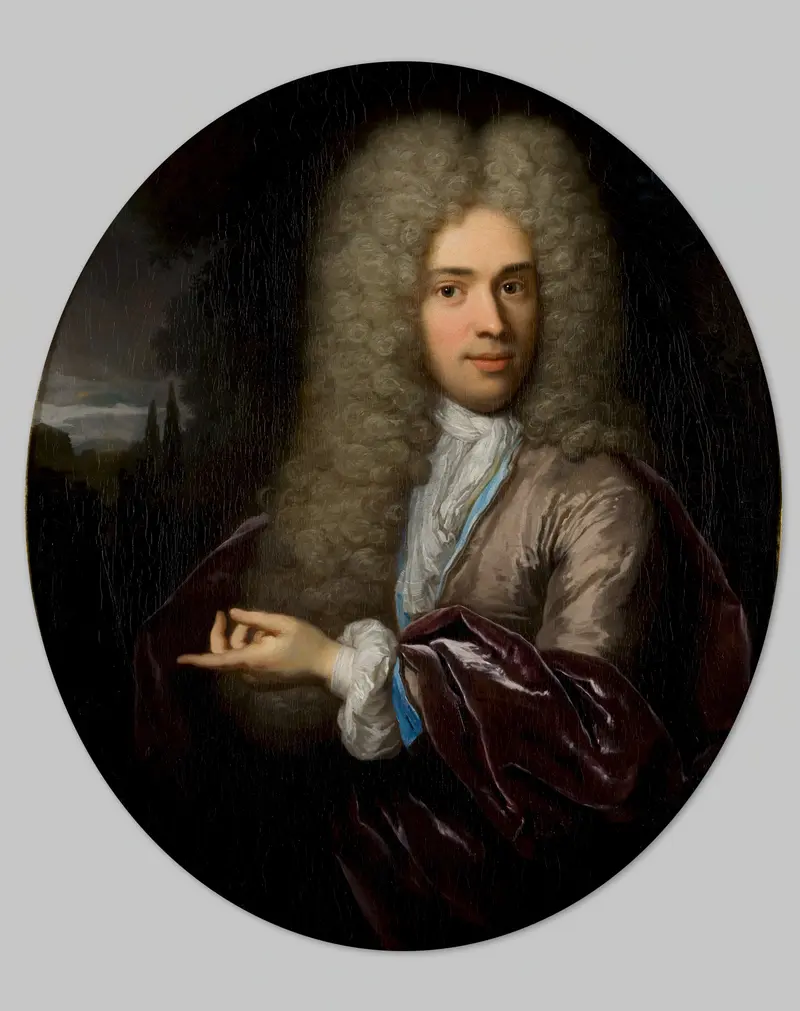
Daniël Deutz
Arnold Boonen
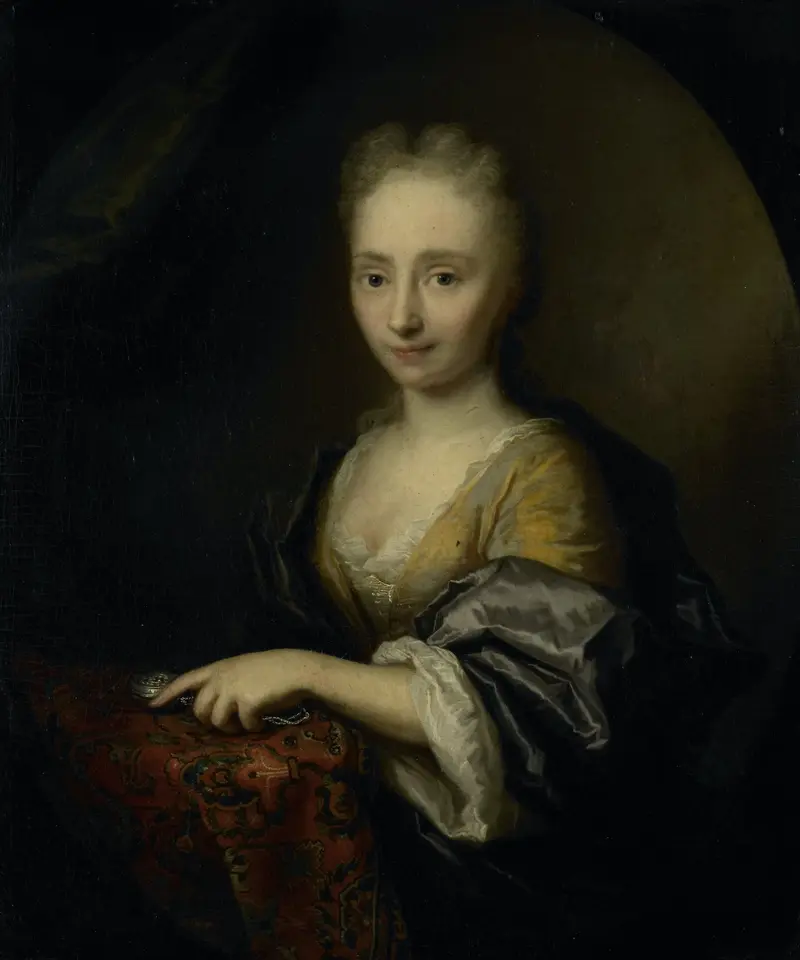
Portrait of a Woman SK-A-
Arnold Boonen
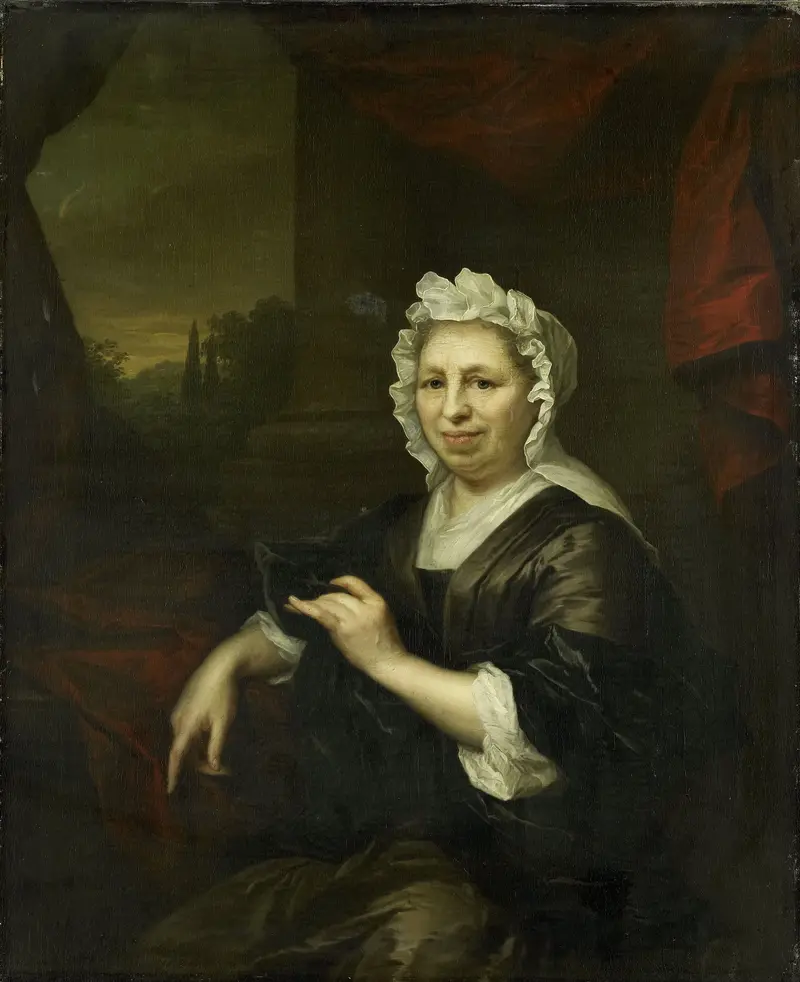
Portrait Brechje Hooft (1640-1721). Widow of Harmen van de Poll
Arnold Boonen
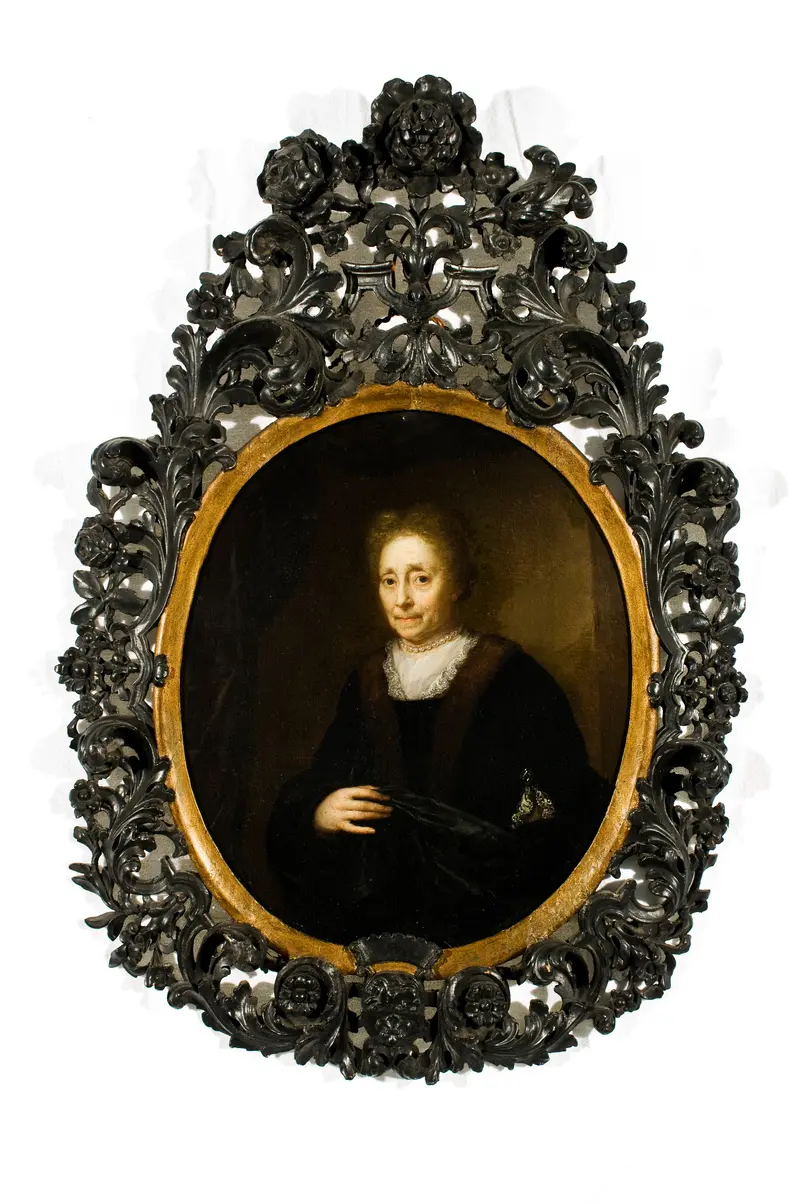
Portret van Elisabeth Schaep van Strijen, echtgenote van Mr. Pieter Schaep DM 011 980 Dordrechts Museum
Arnold Boonen
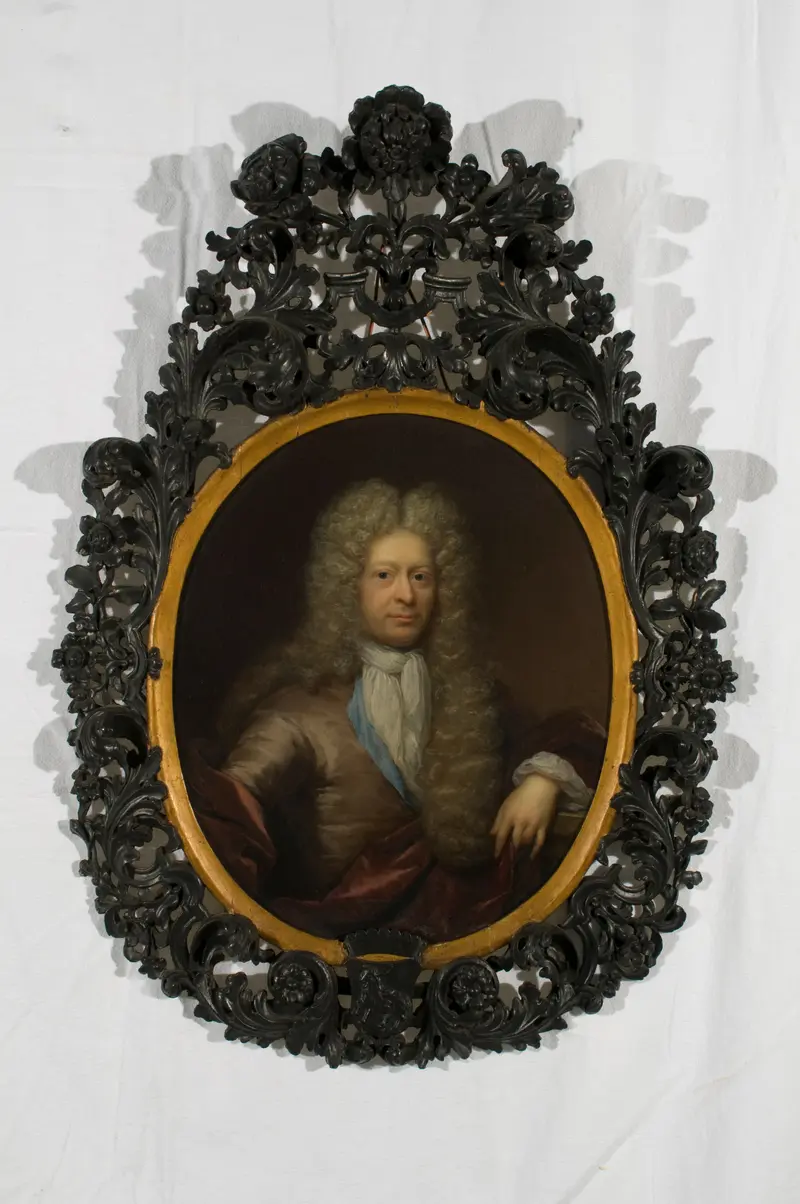
Portret van Mr Reynier Schaep DM 011 981 Dordrechts Museum
Arnold Boonen
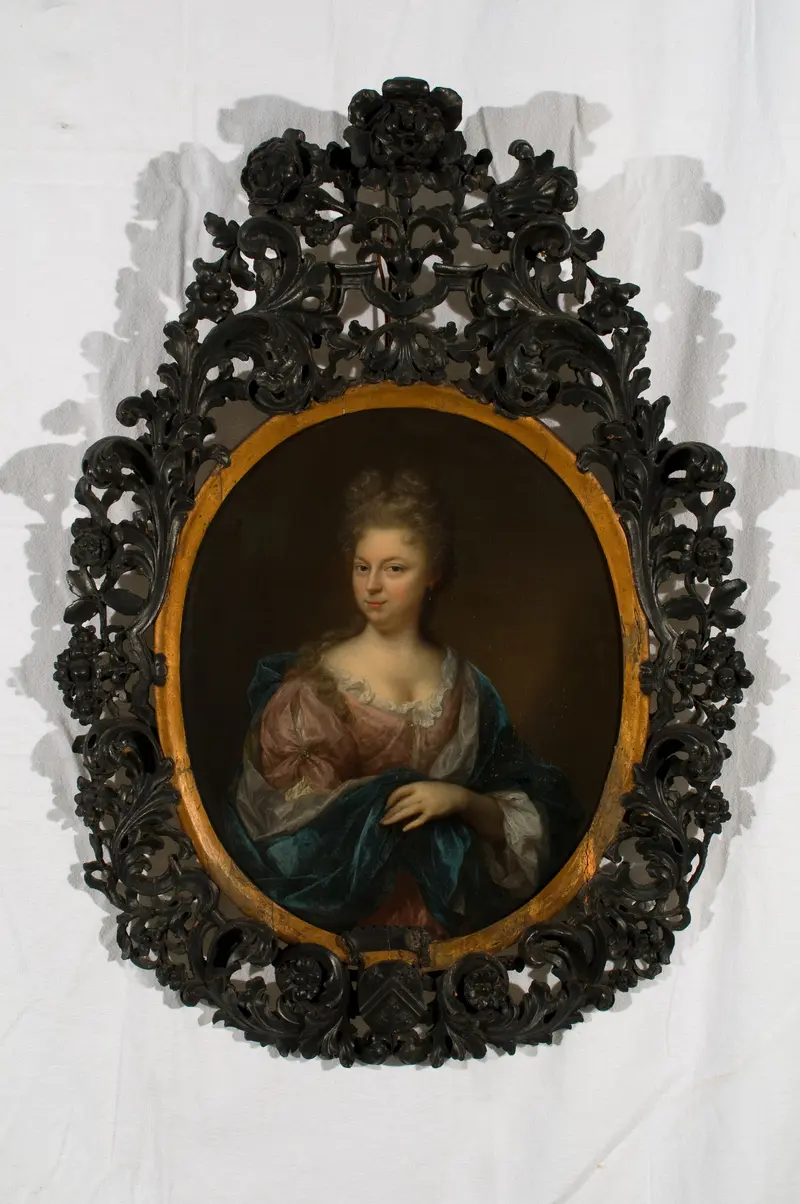
Portret van Eva Maria Muilman DM 011 982 Dordrechts Museum
Arnold Boonen
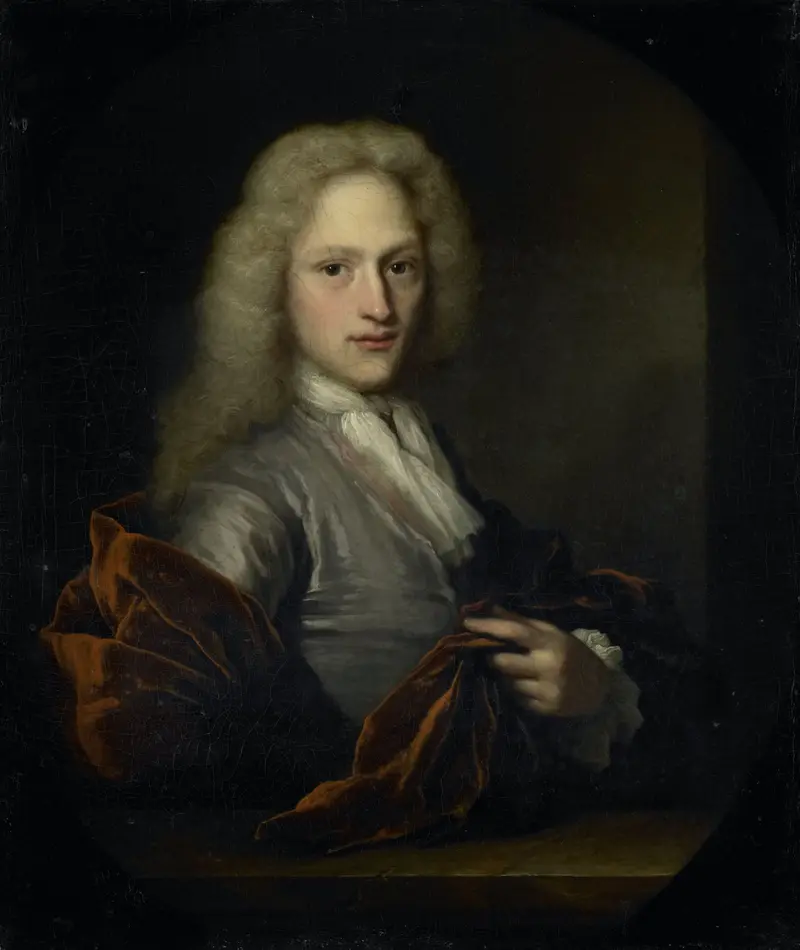
Portrait of a Man SK-A-
Arnold Boonen
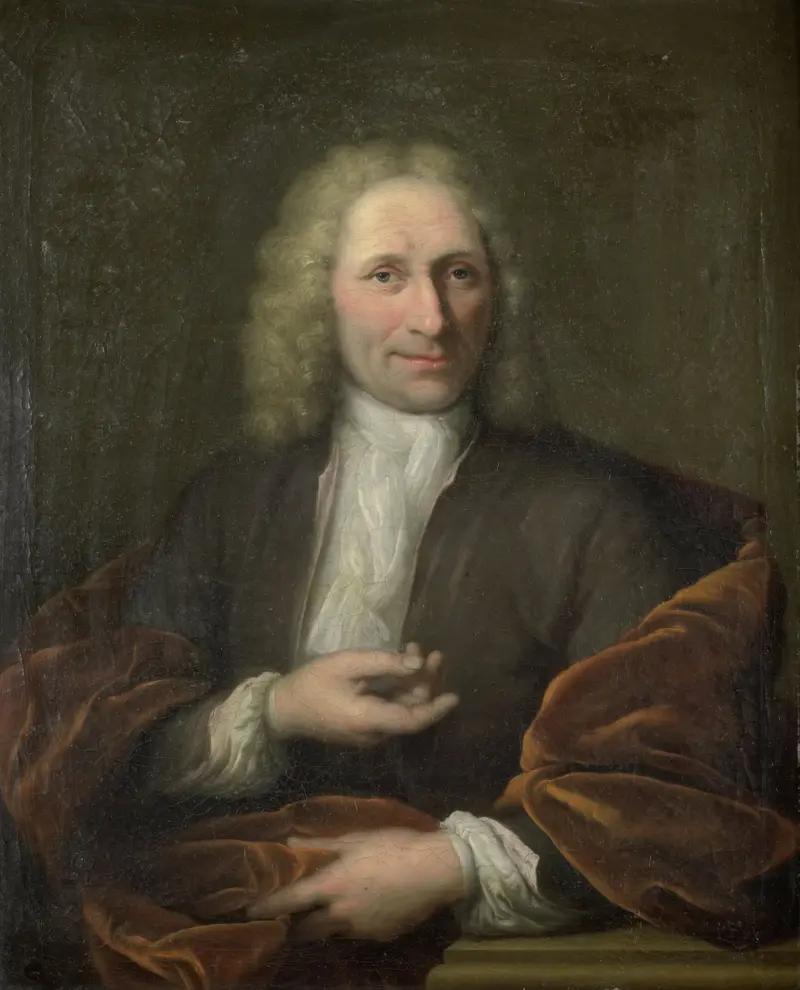
Portrait of a Man
Arnold Boonen
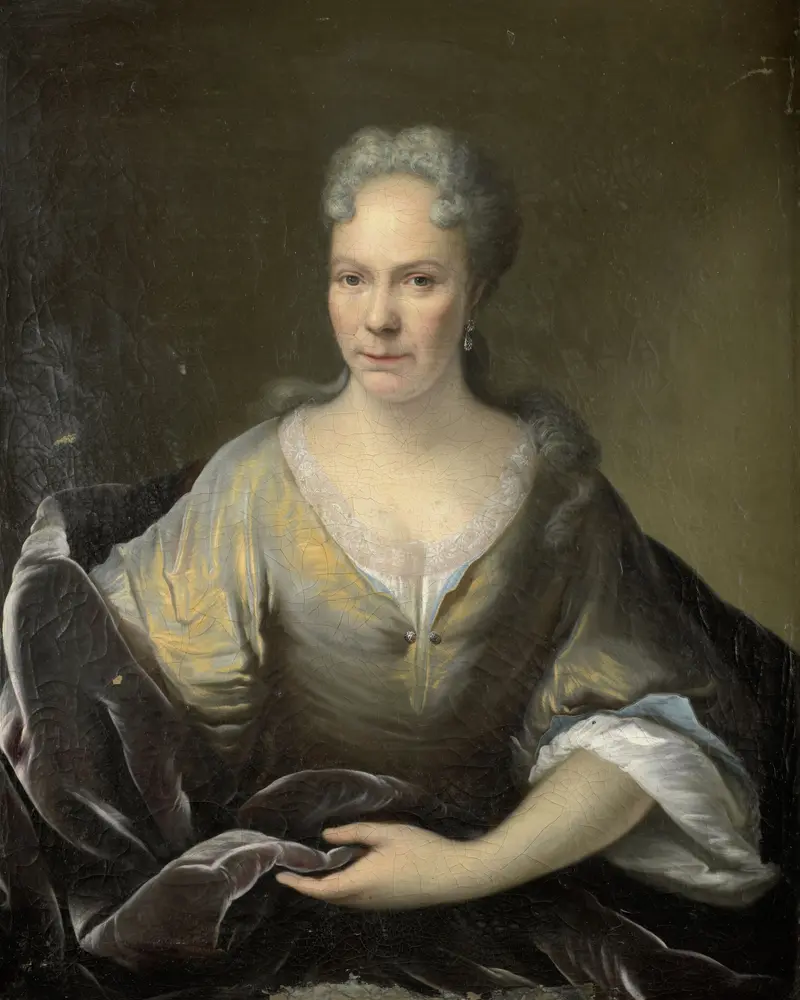
Portrait of a Woman
Arnold Boonen





