
Portrait of a Man SK-A- — History & Facts
It is the gaze that first catches you—direct, unflinching, as if the sitter has just turned to meet your eyes across centuries. The light falls cleanly on his face, revealing a youthful complexion framed by a cascade of pale curls, while the rest of the world recedes into shadow. His hand, poised with a subtle gesture at the edge of a rich, rust-colored drapery, suggests both elegance and a quiet assertion of self.
The creamy folds of his cravat and the lustrous sheen of his jacket speak to a certain prosperity, but the real intrigue lies in the sitter’s expression: alert, slightly parted lips, a sense of presence that feels almost conversational. Painted by Arnold Boonen sometime between 1690 and 1729, this portrait belongs to a world where likeness was both a record and a statement. Portraits like this were often commissioned by the rising merchant or professional classes of the Dutch Republic, eager to assert their place in society through art that balanced dignity with individuality. The restrained palette and dramatic lighting place the sitter against a dark, undefined background, a hallmark of late Dutch Baroque portraiture, where the play of shadow and light was used to heighten psychological immediacy.
Now part of the Rijksmuseum collection, the painting stands as a quiet testament to a moment in time when self-presentation became an art form in itself—inviting us to wonder about the life behind that steady, questioning gaze.
More Artworks by Arnold Boonen

Portrait of Jan van Huysum
Arnold Boonen
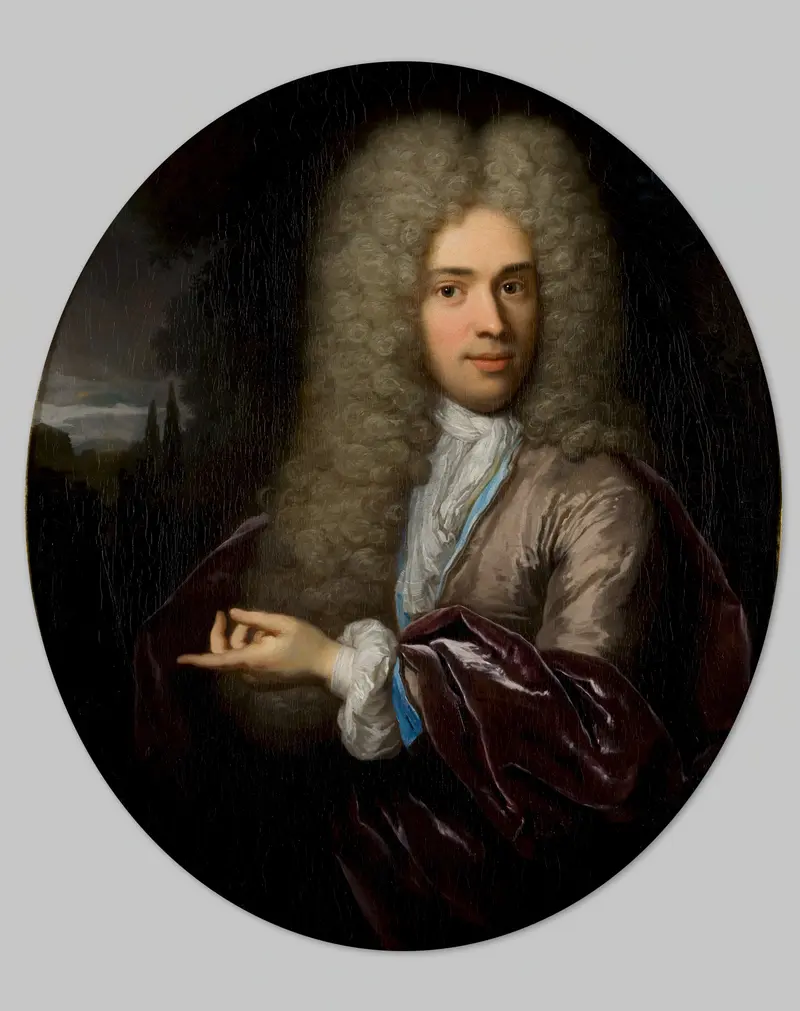
Daniël Deutz
Arnold Boonen
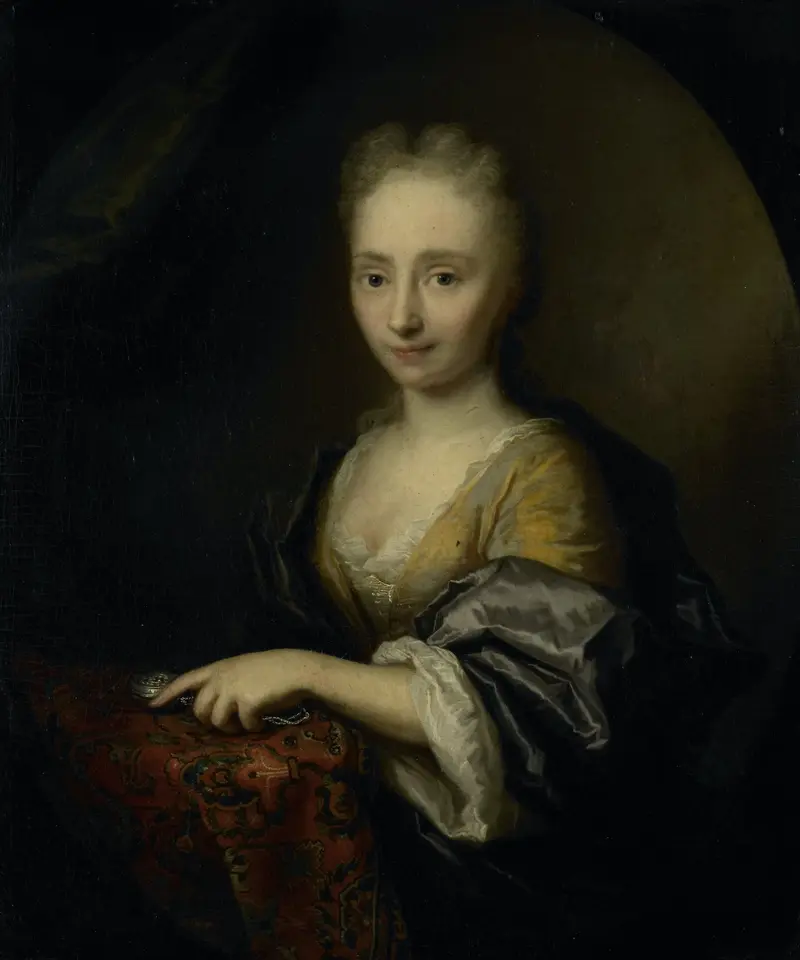
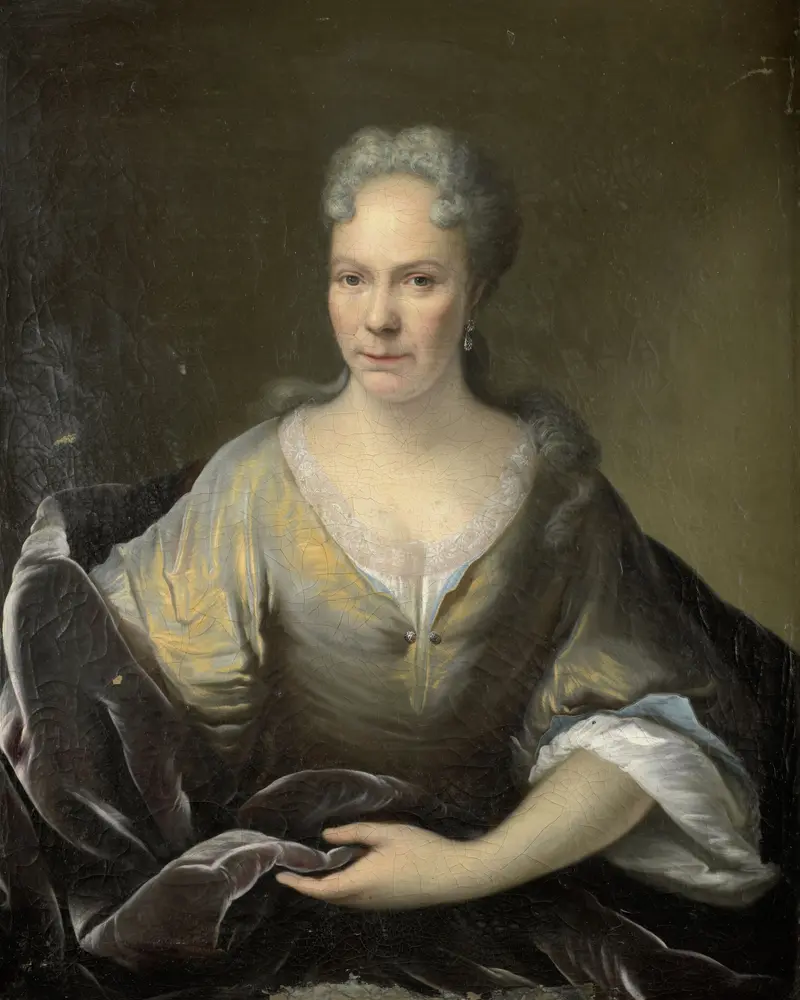
Portrait of a Woman SK-A-
Arnold Boonen
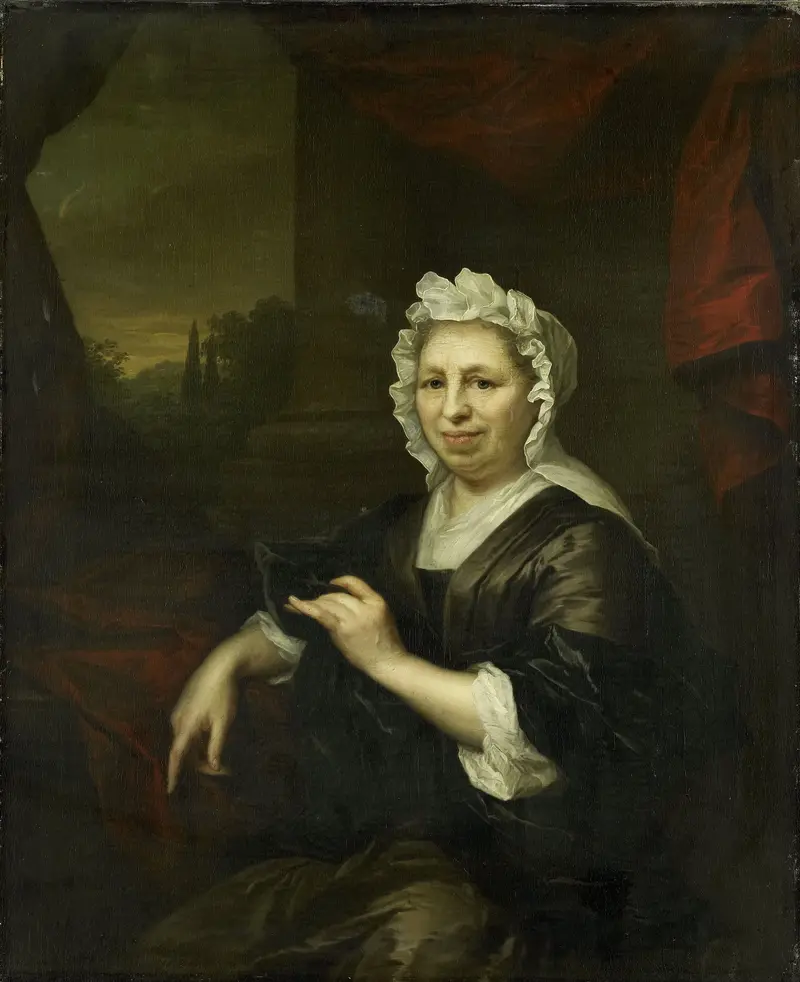
Portrait Brechje Hooft (1640-1721). Widow of Harmen van de Poll
Arnold Boonen
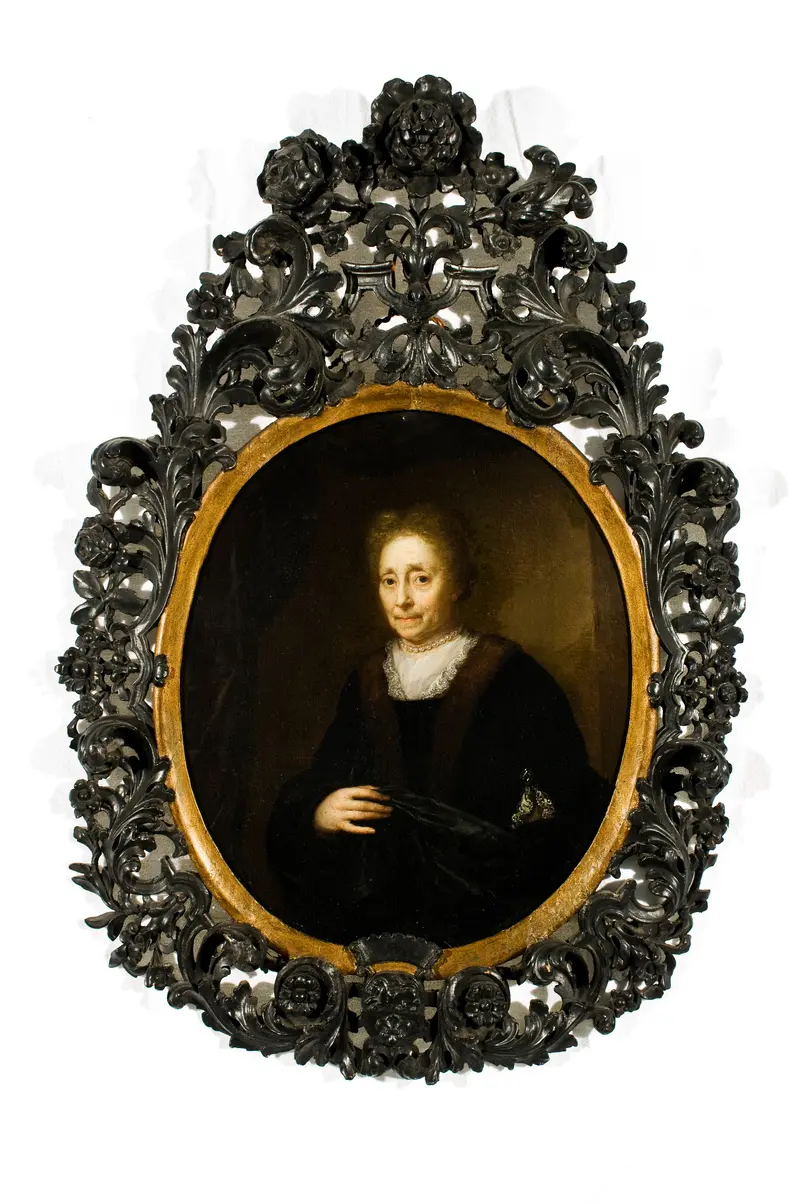
Portret van Elisabeth Schaep van Strijen, echtgenote van Mr. Pieter Schaep DM 011 980 Dordrechts Museum
Arnold Boonen
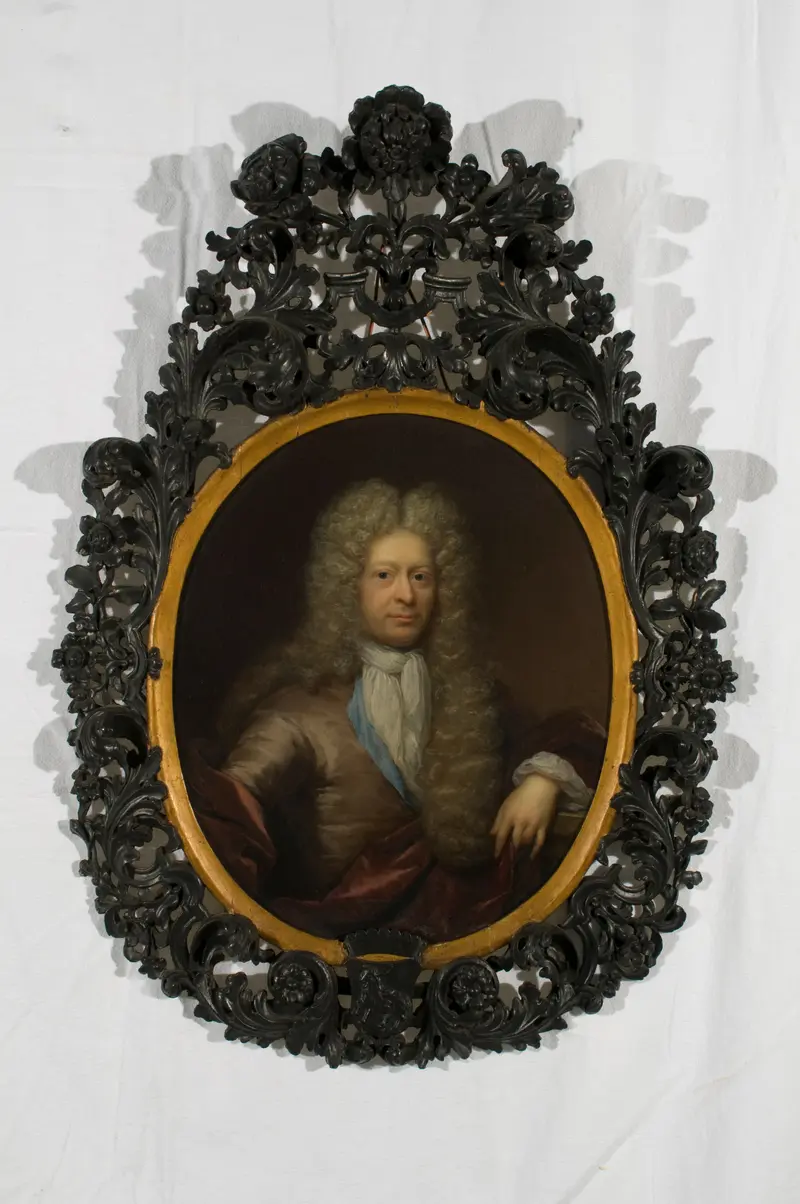
Portret van Mr Reynier Schaep DM 011 981 Dordrechts Museum
Arnold Boonen
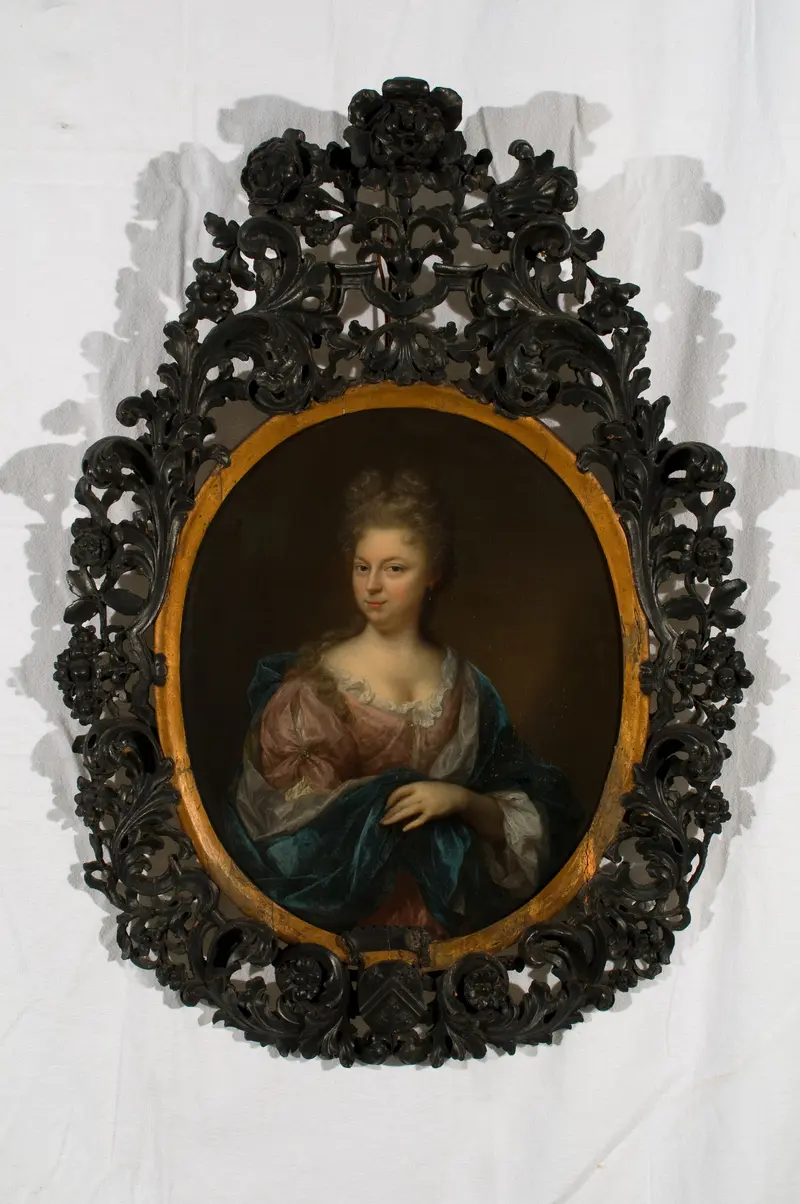
Portret van Eva Maria Muilman DM 011 982 Dordrechts Museum
Arnold Boonen
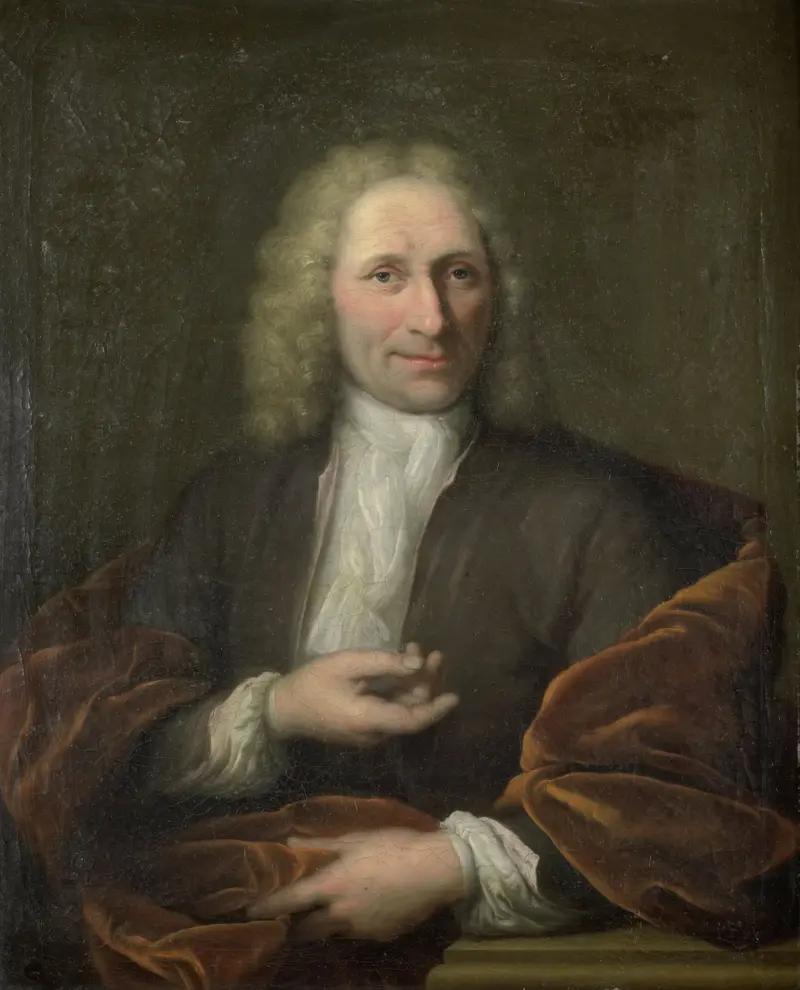
Portrait of a Man
Arnold Boonen
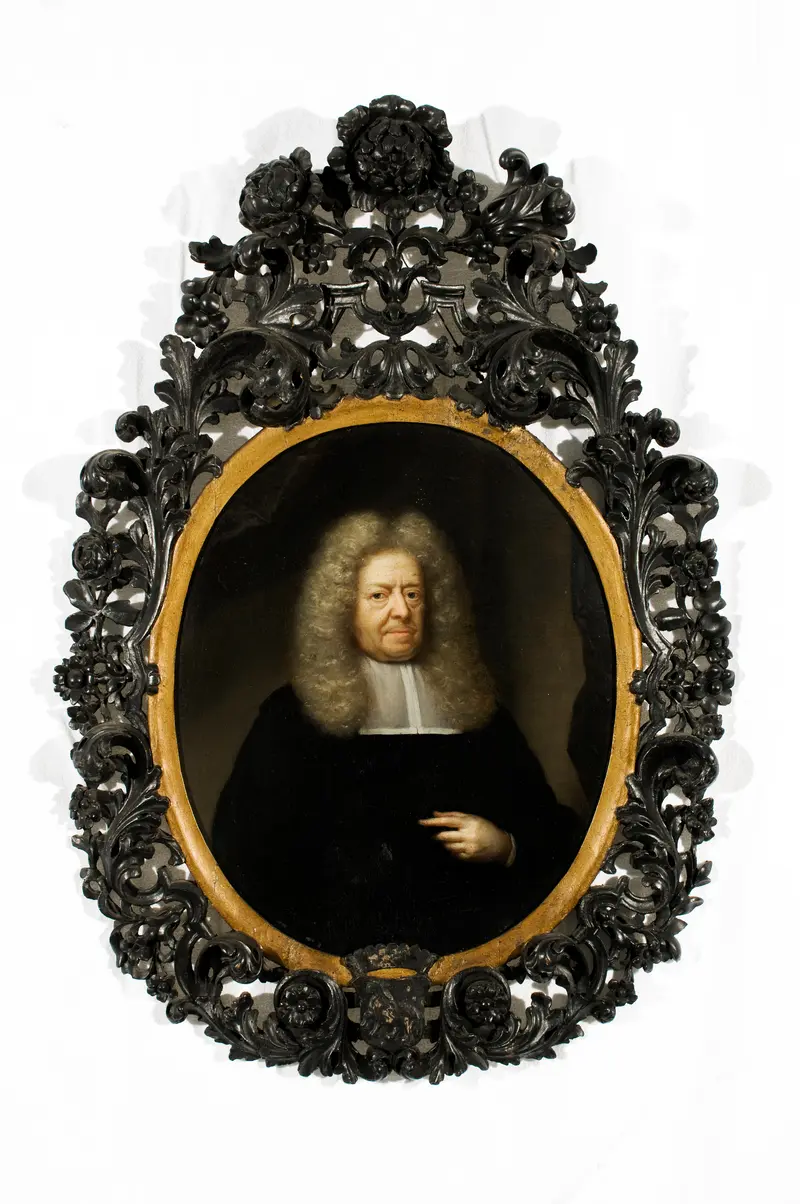
Portret van Mr. Pieter Schaep DM 011 979 Dordrechts Museum
Arnold Boonen
Portrait of a Woman
Arnold Boonen





