
Jane Dormer, Duchess of Feria (?) — History & Facts
What first catches the eye in this portrait is the poised confidence of the sitter, her gaze meeting the viewer with a calm directness that seems to hold its own secrets. The intricate embroidery and jeweled adornments across her bodice and sleeves do more than display wealth—they are a coded language of status and taste in the 16th century. Notice how the delicate lace ruff frames her face, drawing attention to her composed expression, while the cascade of gold chains and the careful arrangement of flowers on her sleeve suggest both opulence and a cultivated sense of self-presentation.
Even the sitter’s hand, resting lightly on a green surface, is positioned with intention, balancing the composition and hinting at a life shaped by ceremony. Painted in 1558, this work belongs to a world where portraiture was a tool of both memory and ambition, often commissioned to assert lineage or secure alliances. The style and costume place the sitter firmly in the courtly circles of Renaissance Europe, a period when artists like Antonis Mor were sought after for their ability to capture not only likeness but the aura of power. The identity of the woman remains uncertain—history has left us with only the suggestion that she may be Jane Dormer—but the painting’s survival in the Prado collection speaks to the enduring fascination with these enigmatic faces from the past.
Look again at the subtle interplay of textures and the sitter’s unwavering gaze; in these details, the ambitions and anxieties of a vanished world are still alive.
More Artworks by Antonis Mor

Portrait of a Man
Antonis Mor
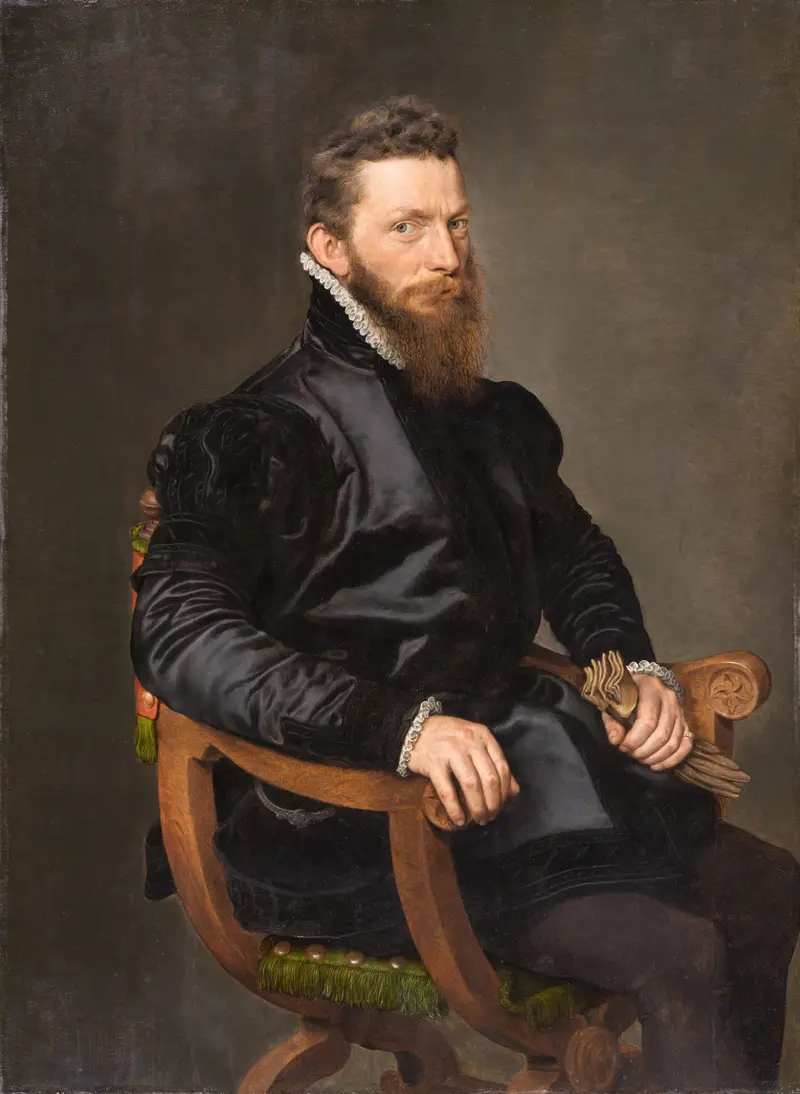
Portrait of a Gentleman
Antonis Mor
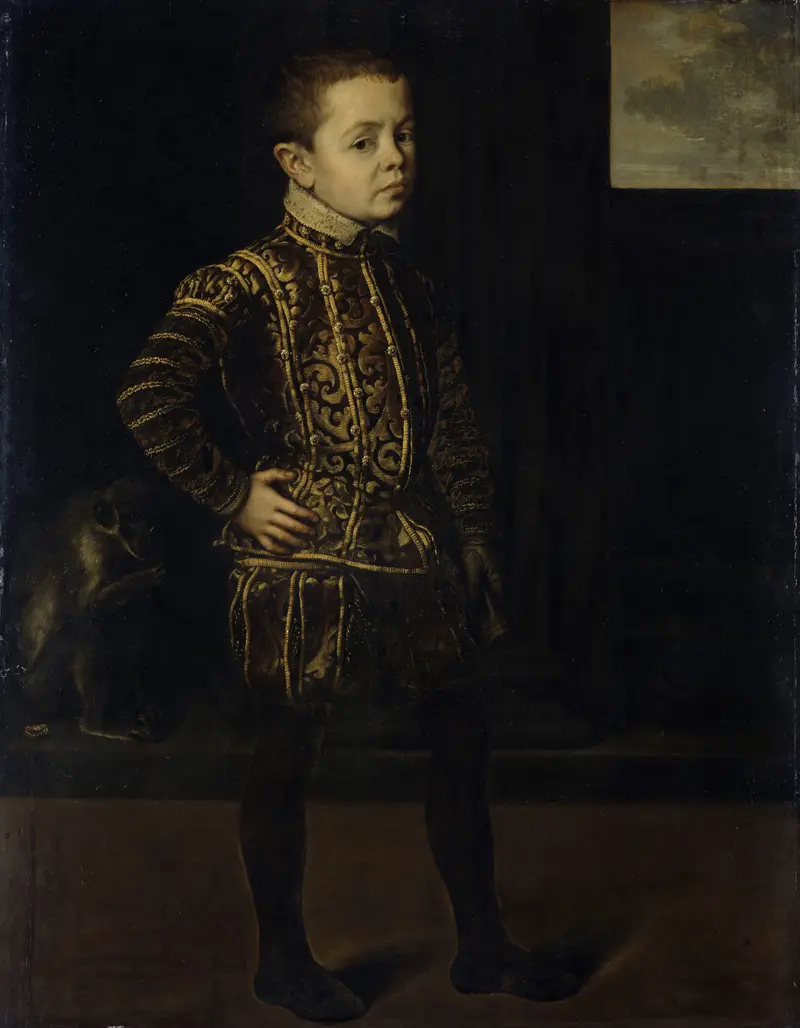
Portrait of a young prince
Antonis Mor
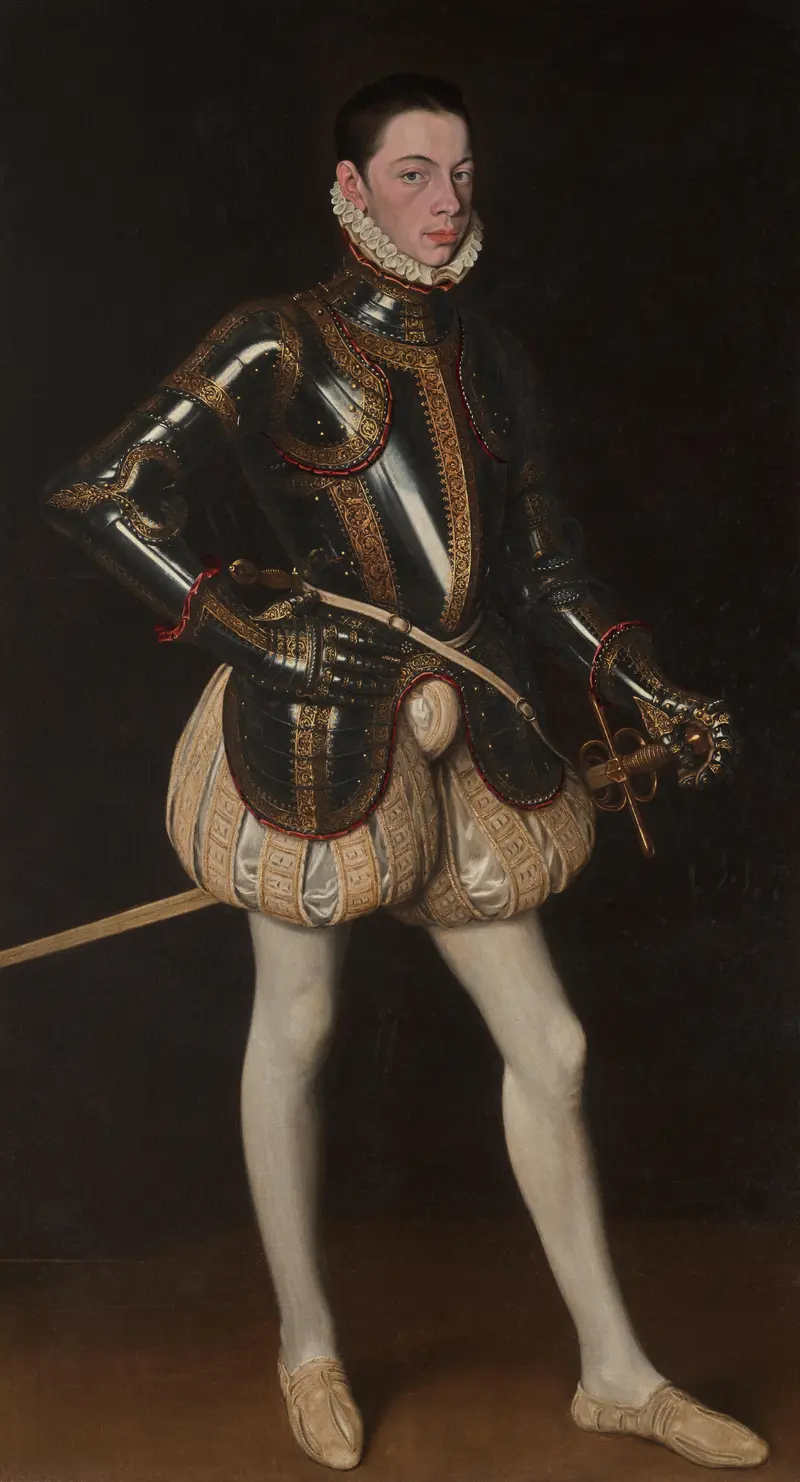
Alessandro Farnese in Armor
Antonis Mor
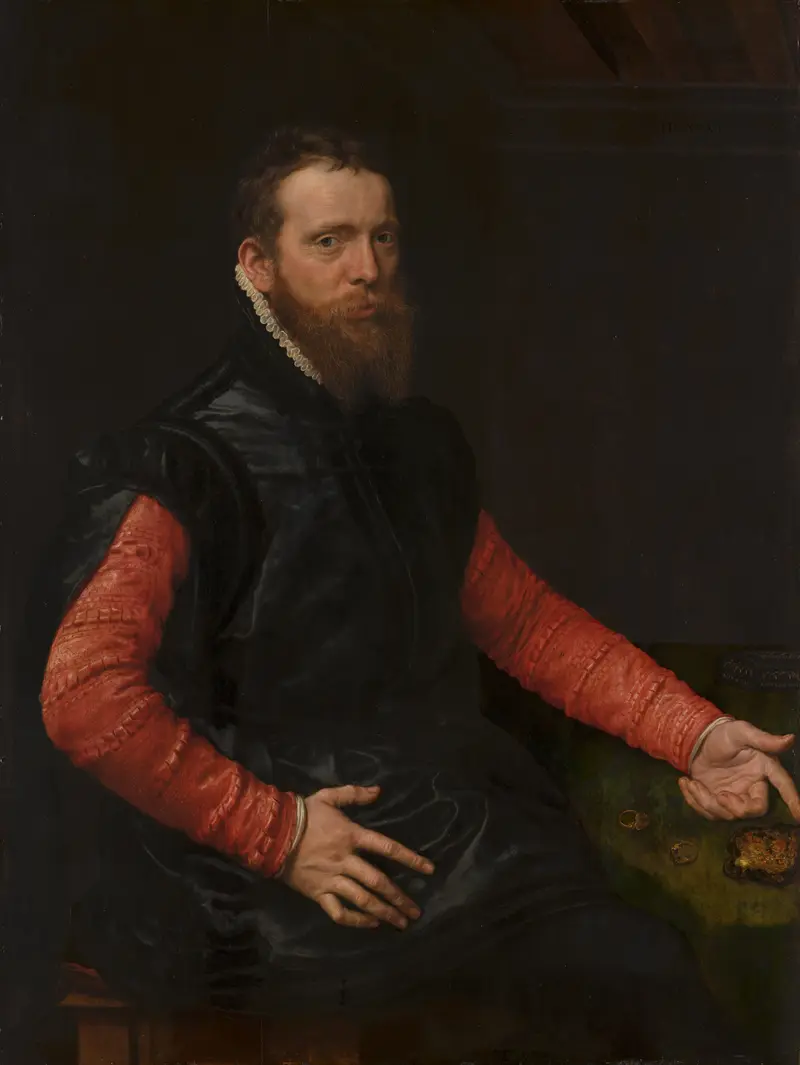
Steven van Herwijck
Antonis Mor
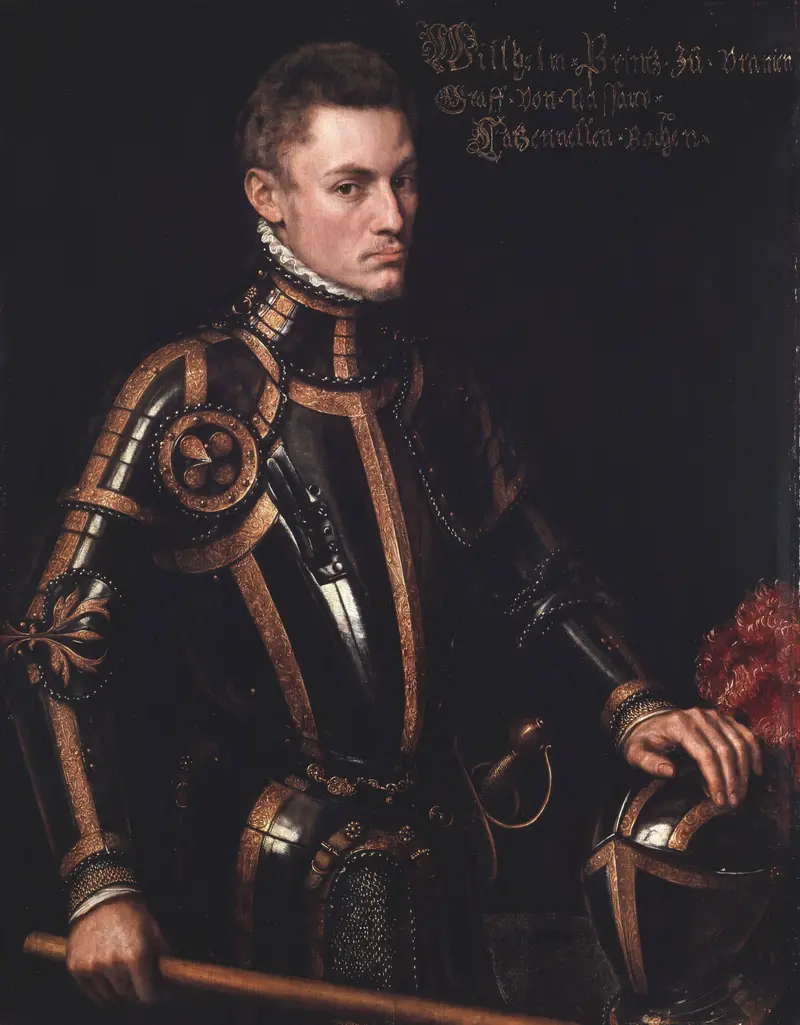
Portrait of William I of Nassau
Antonis Mor
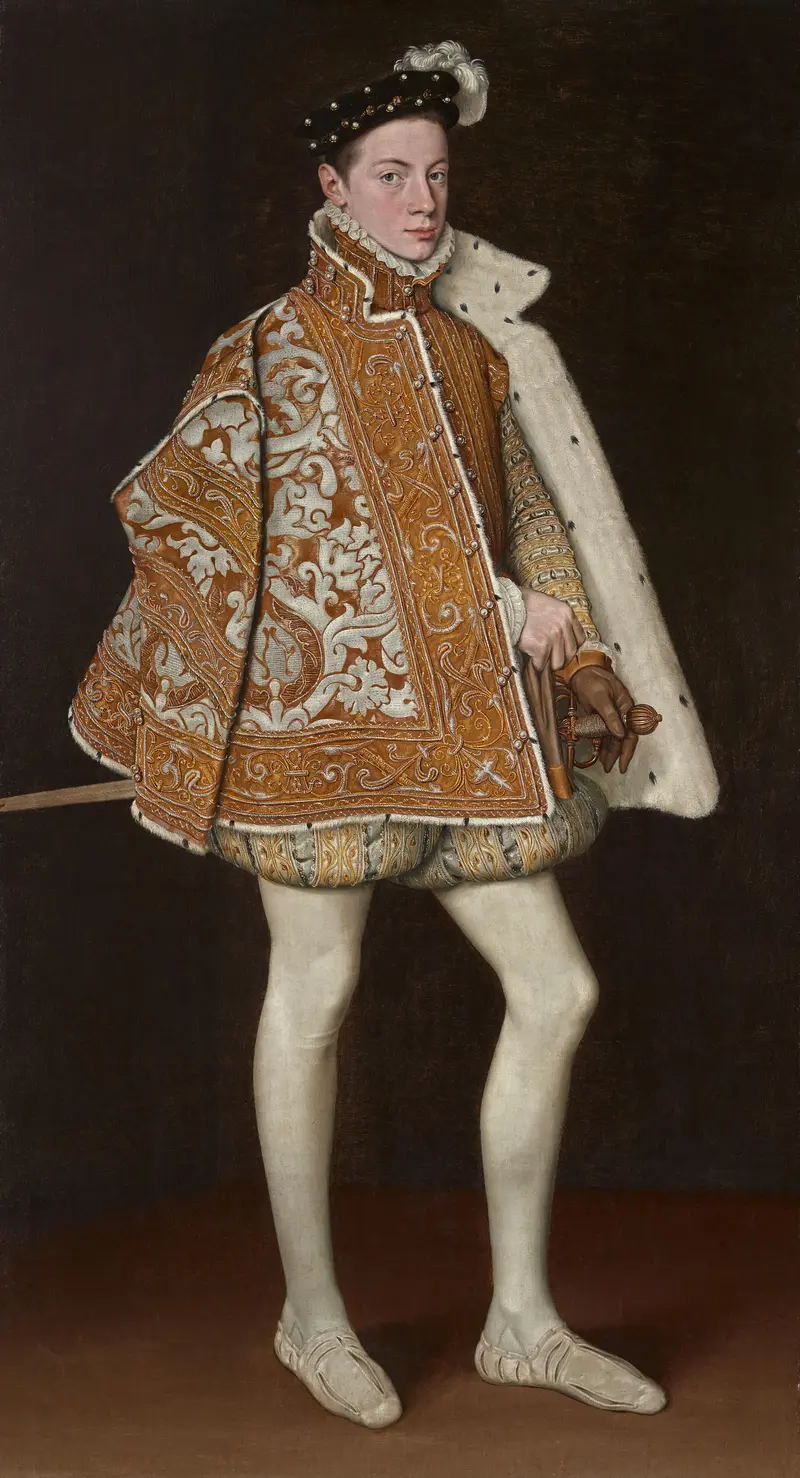
Portrait of Alessandro Farnese in Cape and Black Cap
Antonis Mor
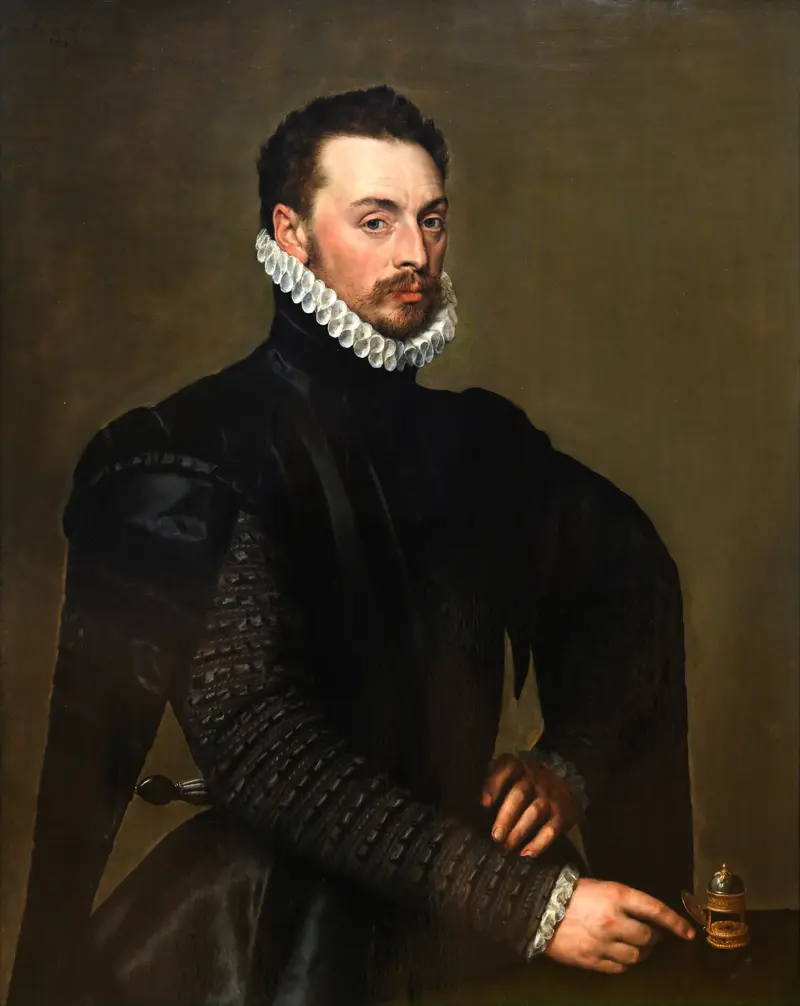
Portrait d'homme désignant une pendule Antonio Moro Musée du Louvre Peintures INV 1582 ; MR 880
Antonis Mor
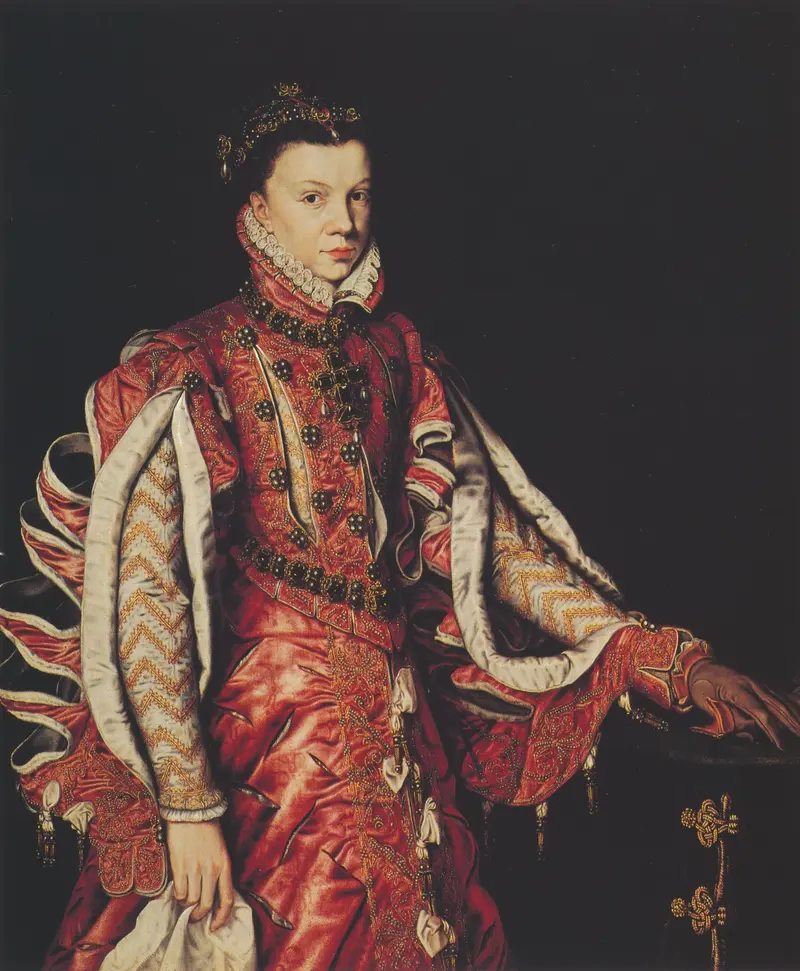
Portrait of Elisabeth of Valois, third wife of King Philip II of Spain
Antonis Mor
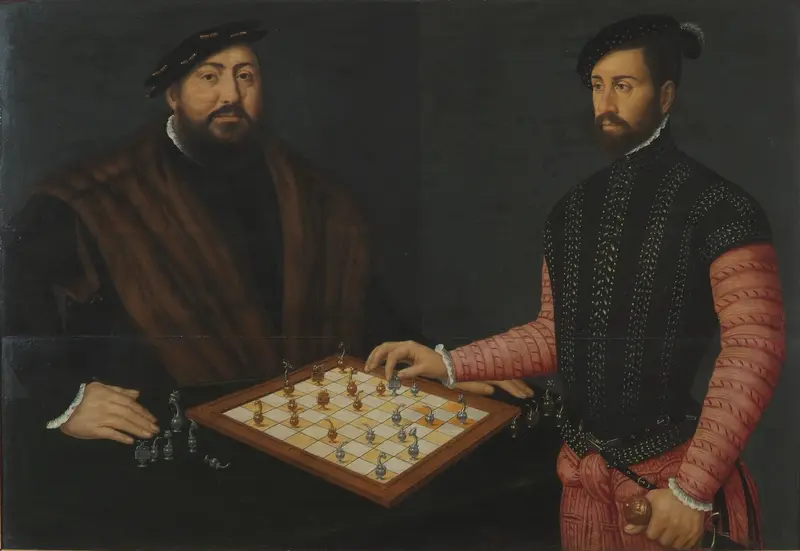
Von Sachsen vs. a Spaniard
Antonis Mor





