Jar with geometric patterns — History & Facts
Art reveals the soul when the world turns away. In a fragment of time, a humble jar offers us an unspoken story, etched in the patterns of its ancient surface. Its geometric designs whisper of a civilization that sought beauty in the everyday, a melancholic reminder of what once was. Look closely at the intricate patterns swirling around the jar’s body, each line a thread connecting us to the artisans of a distant past.
Notice how the muted earthy tones interplay with the light, casting shadows that dance along the contours of its form. The simplicity of the vessel invites contemplation, drawing the eye into a labyrinth of shapes that speak of both the natural world and human creativity. Delve into the significance of the geometry — circles and triangles suggesting harmony and balance, while the wear and patina hint at the passage of time. Here lies a dichotomy between permanence and transience; the jar is both a utility and an artifact, embodying the fragility of existence.
Each pattern may reflect societal values or rituals, yet their meanings have faded, leaving us to grapple with incomplete narratives and the weight of history. This jar, crafted around 3000 to 2000 BCE by an unknown artisan, emerges from a time when cultures were beginning to define themselves through art. Amidst the dawn of civilization, as societies flourished in the cradle of humanity, the creator was likely surrounded by communal life, crafting not just for utility but to express identity, beliefs, and aspirations in a world still steeped in mystery.
More Artworks by Unknown Artist
Browse all →
Ridder, Dood en Duivel
Unknown Artist
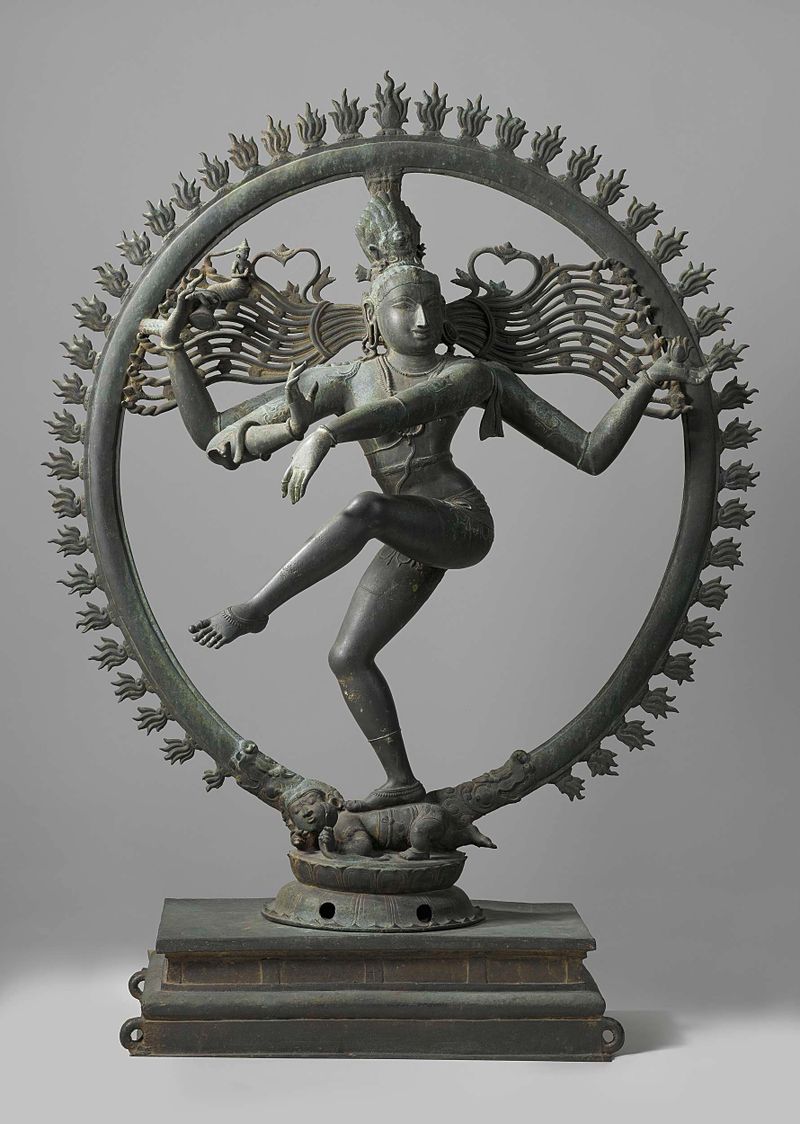
Shiva Nataraja
Unknown Artist
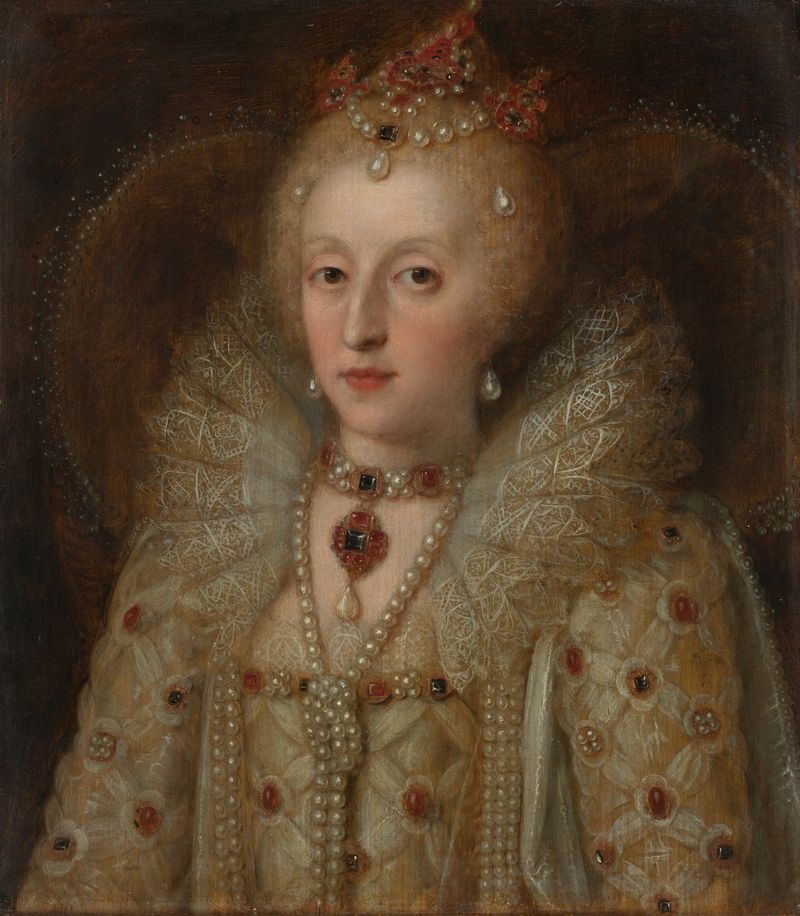
Portrait of Elizabeth I, Queen of England
Unknown Artist
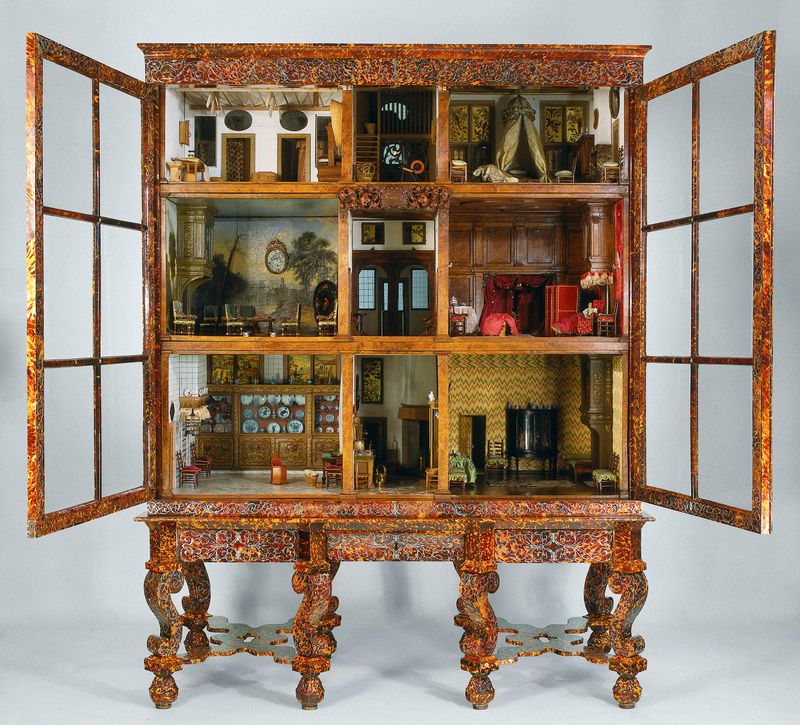
Dolls’ house of Petronella Oortman
Unknown Artist
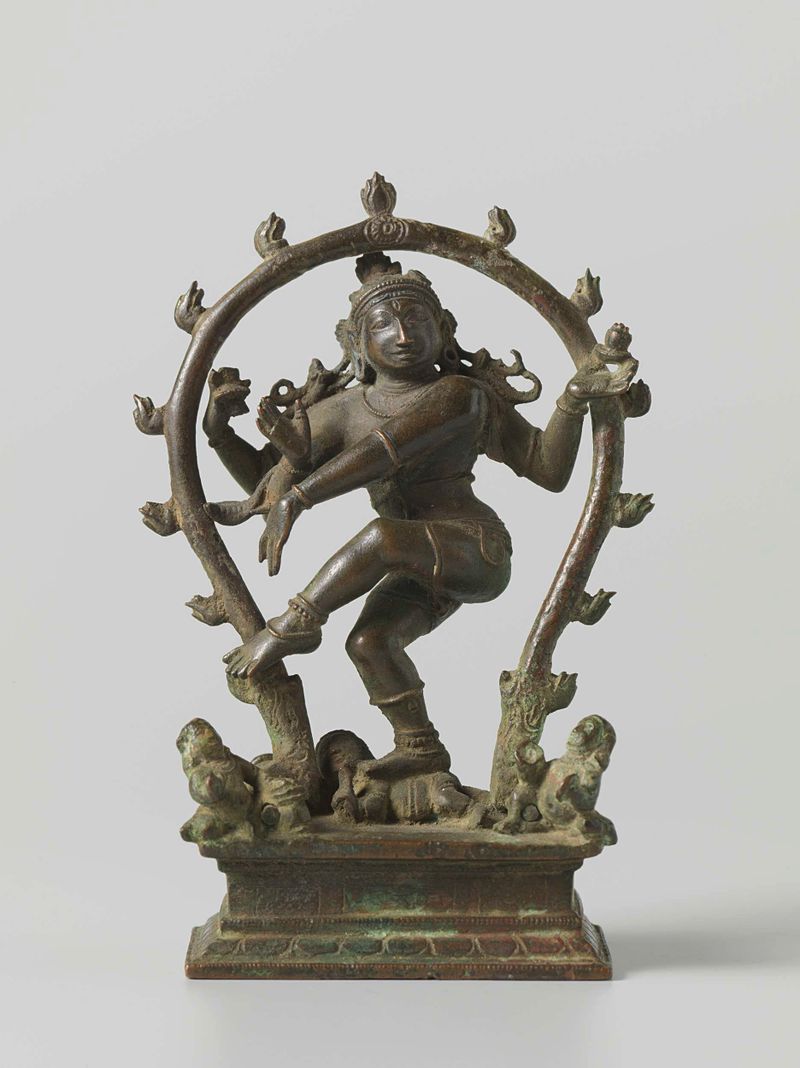
Shiva Nataraja
Unknown Artist

The Tale of Genji
Unknown Artist

The Tale of Genji
Unknown Artist

Cong
Unknown Artist
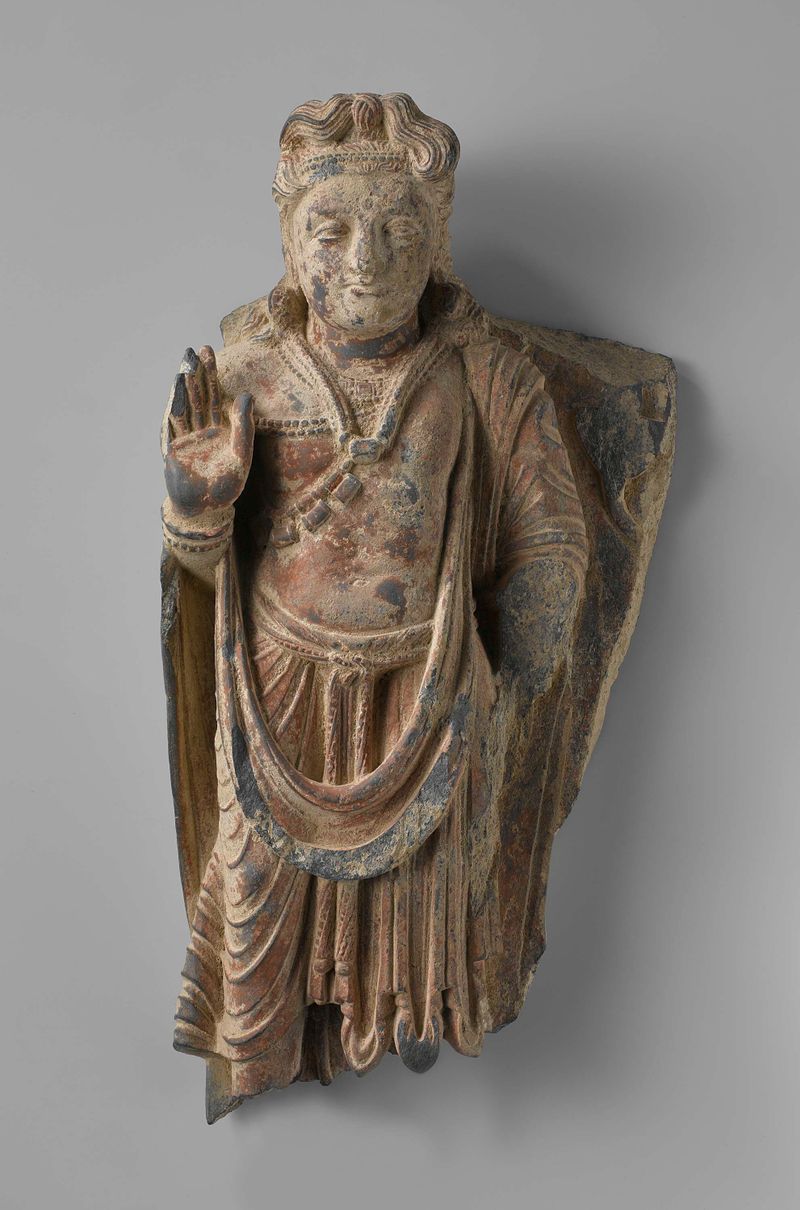
The bodhisattva Maitreya
Unknown Artist

Teabowl with a 'hare's fur' glaze
Unknown Artist