Javaanse kris — History & Facts
In the depths of a rich, intricate tapestry, a thread of awakening runs through the vibrant patterns, enticing the viewer to delve deeper into the artistry woven into life’s fabric. Look closely at the central kris, its wavy blade a masterclass in form and function. Notice how the light dances across the polished surface, creating a play of reflections that evoke its dual purpose: both a weapon and a symbol of cultural heritage. The surrounding motifs, swirling in deep earth tones and vivid blues, draw your gaze outward, suggesting stories untold and histories intertwined.
Each detail is meticulously crafted, revealing the unknown artist's skill and reverence for the object’s significance. The interplay of color and texture captures a profound emotional tension. The kris, an embodiment of identity, stands in contrast to the seemingly chaotic patterns that envelop it, representing a struggle between tradition and modernity. The silent power of the blade speaks volumes, resonating with themes of courage and resilience, while the surrounding elements hint at the vibrant culture from which it springs.
This juxtaposition invites the viewer to reflect on the complexities of cultural identity and personal awakening, challenging perceptions of beauty and artistry. Created between 1800 and 1900, this artwork emerges from a time when the world was in flux, grappling with colonial influences and the search for cultural roots. The unknown artist, working in Java, was part of a rich artistic tradition that sought to preserve and celebrate indigenous craftsmanship amid external pressures. During this period, there was a burgeoning interest in the unique artistry of the region, allowing for a renewed sense of pride and identity within the local culture.
More Artworks by Unknown Artist
Browse all →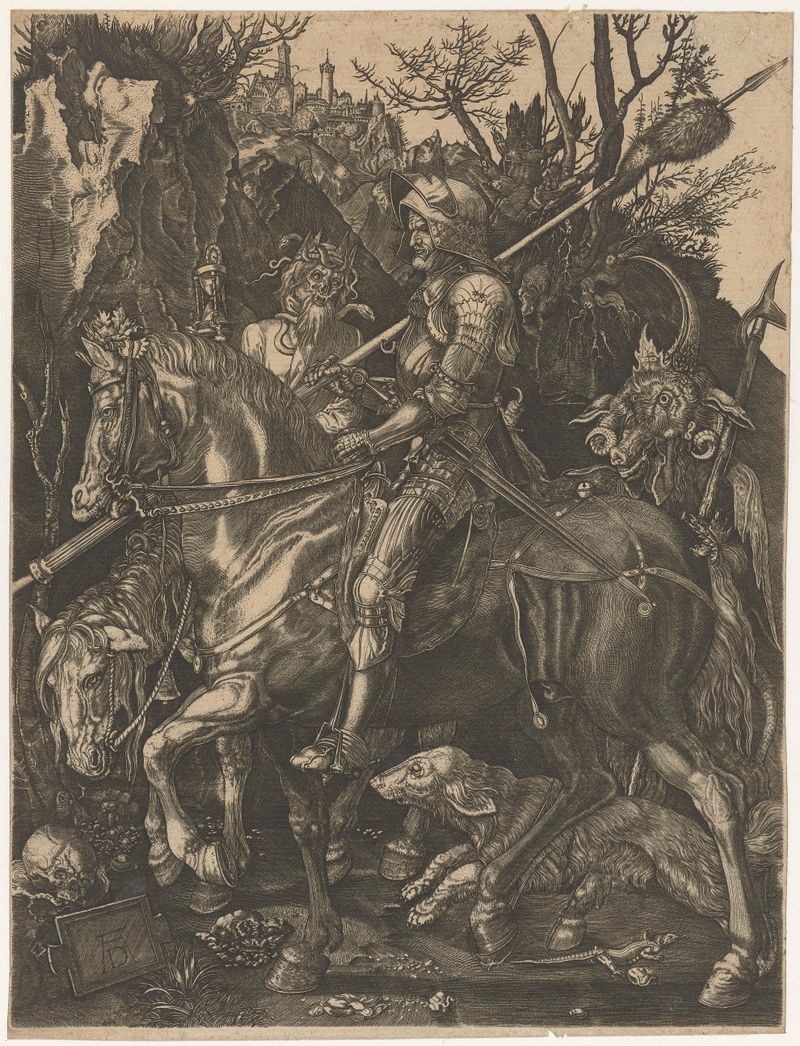
Ridder, Dood en Duivel
Unknown Artist
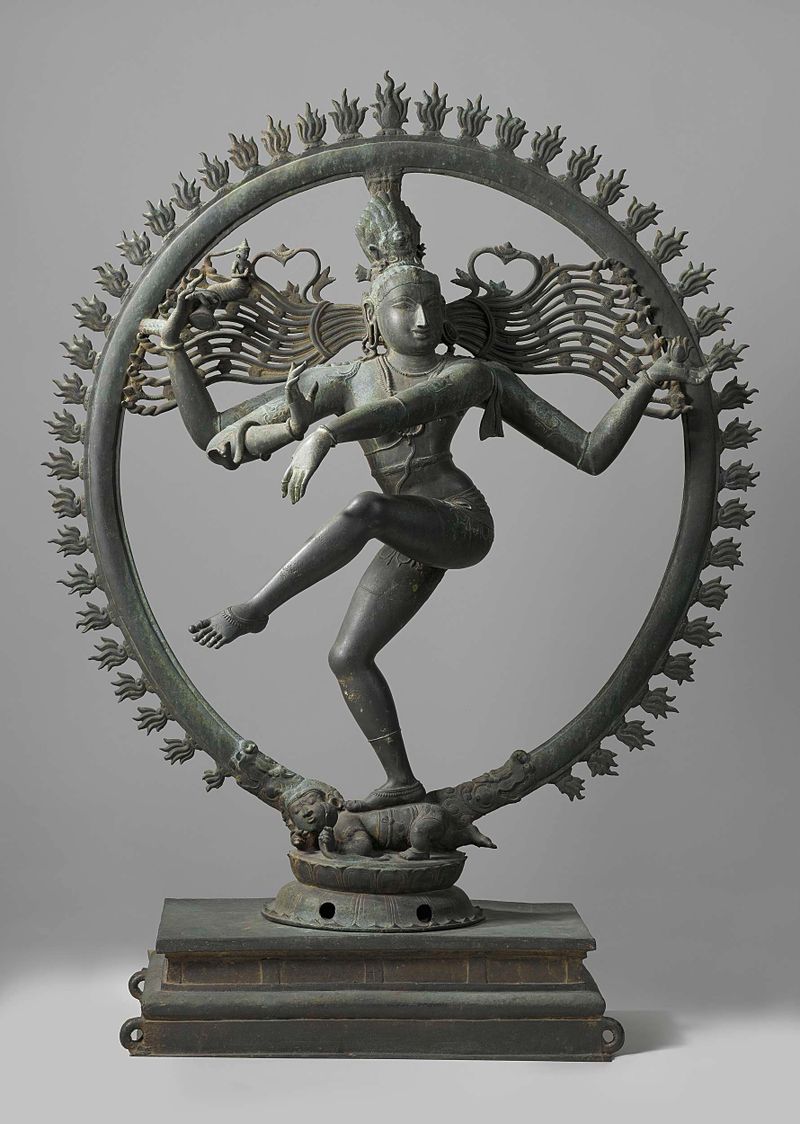
Shiva Nataraja
Unknown Artist
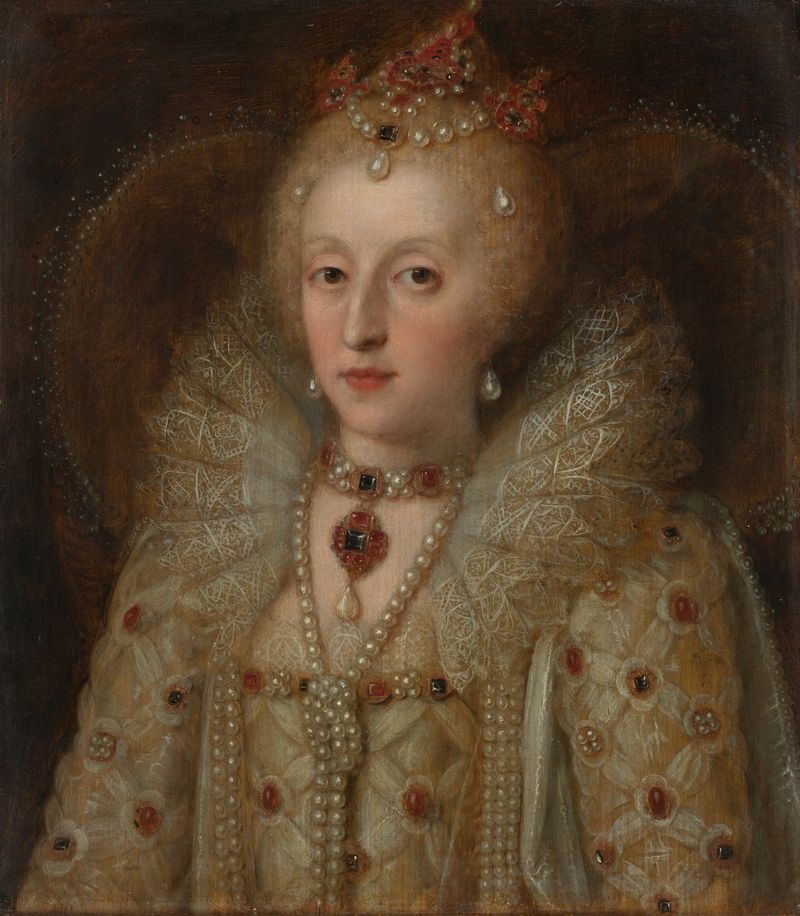
Portrait of Elizabeth I, Queen of England
Unknown Artist
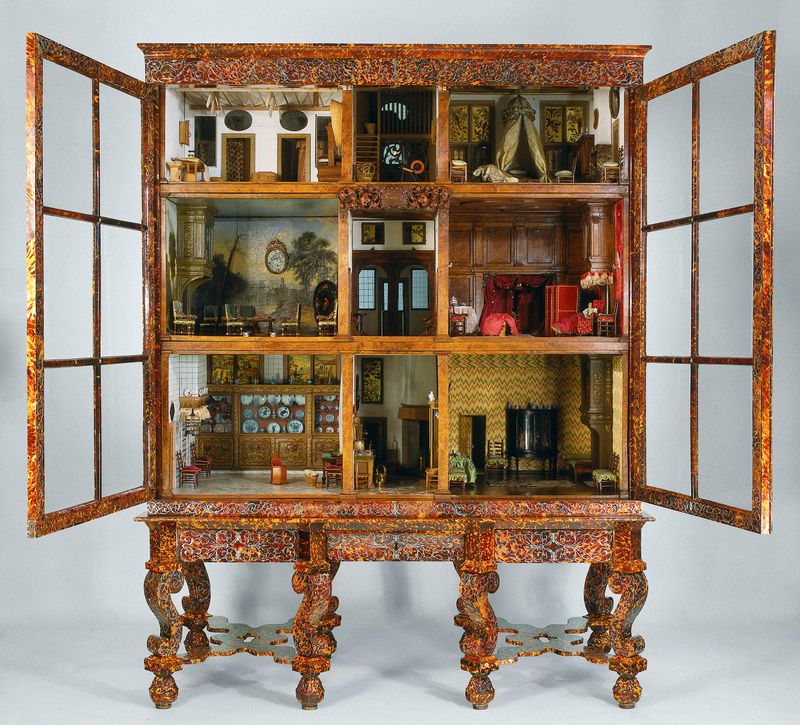
Dolls’ house of Petronella Oortman
Unknown Artist
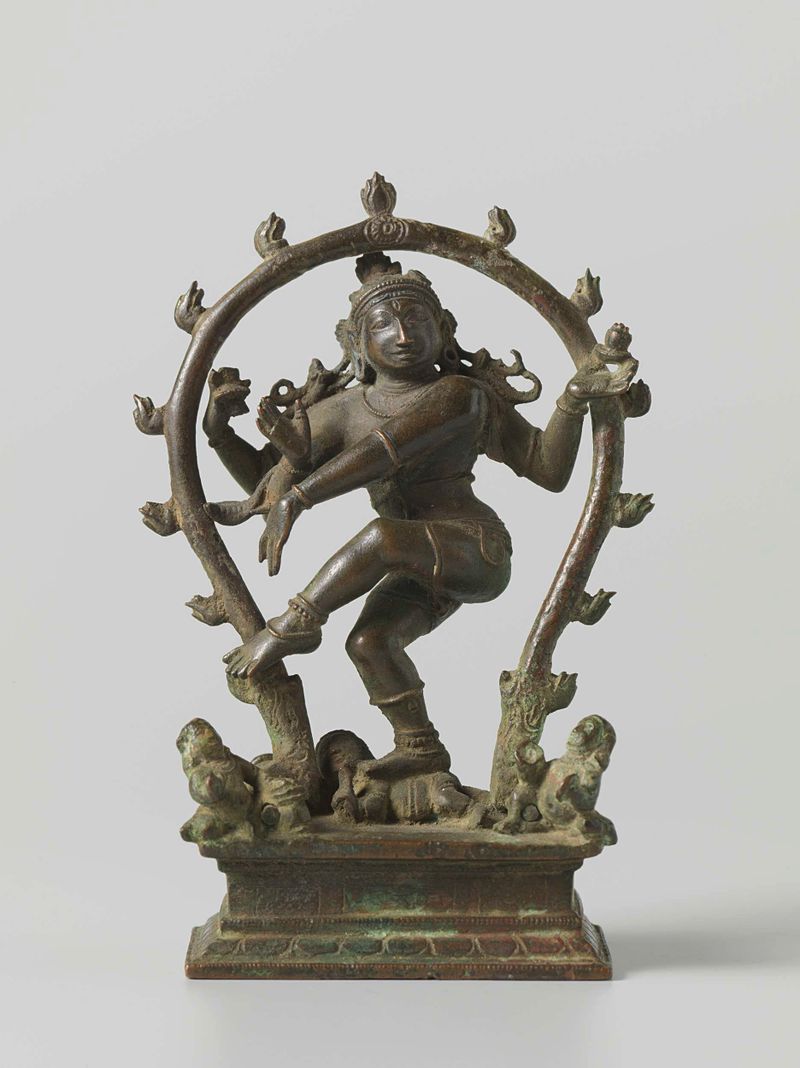
Shiva Nataraja
Unknown Artist

The Tale of Genji
Unknown Artist

The Tale of Genji
Unknown Artist
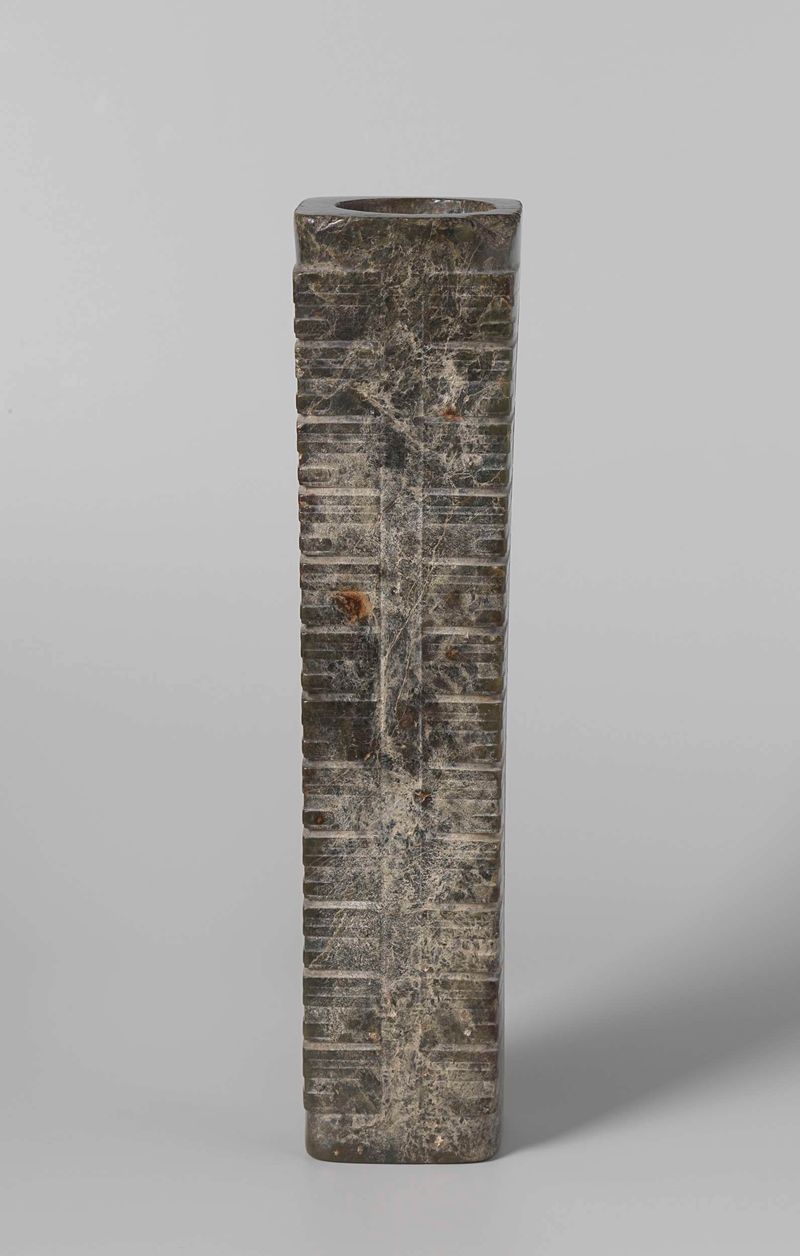
Cong
Unknown Artist
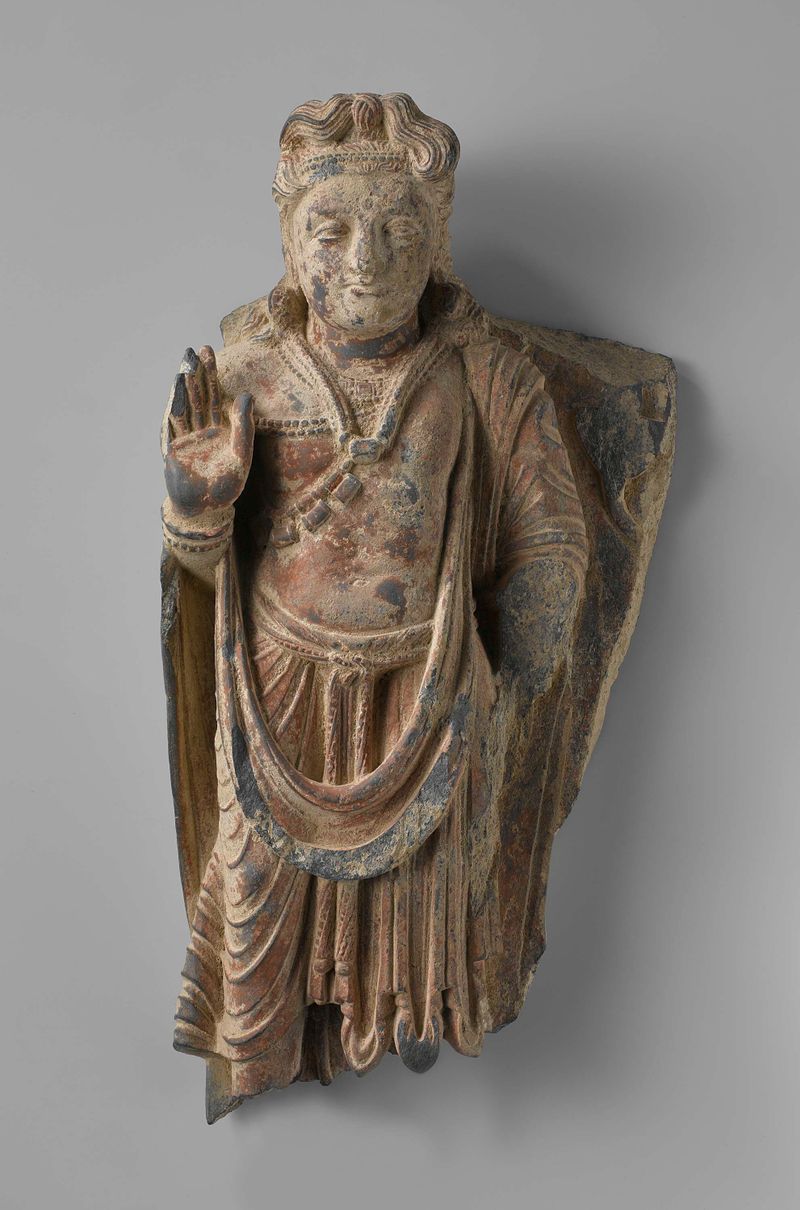
The bodhisattva Maitreya
Unknown Artist
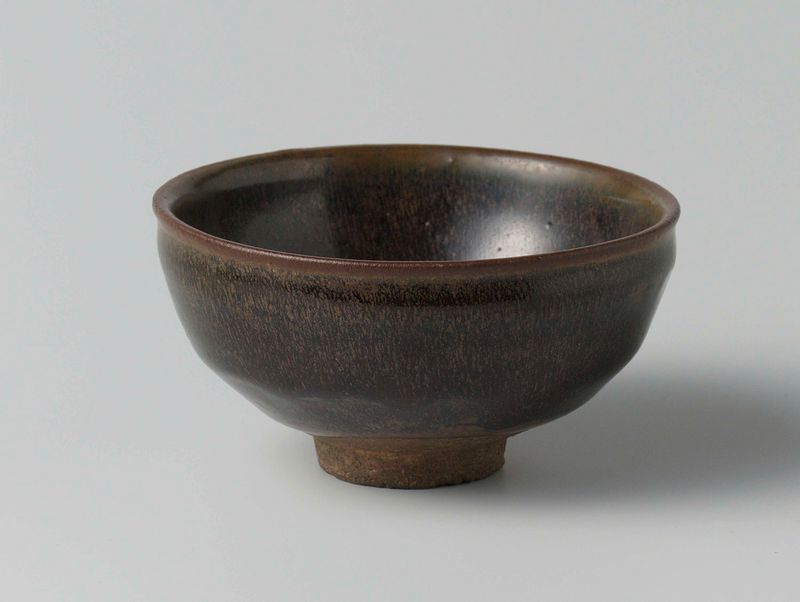
Teabowl with a 'hare's fur' glaze
Unknown Artist