Jean Renoir Sewing — History & Facts
In the tranquility of creation, beneath the surface of domesticity, lies an undercurrent of tension that challenges the very essence of peace. Look to the left at the gentle curve of the seamstress’s shoulder, the soft play of light caressing her form. The colors dance together in harmonious pastels, yet beneath the surface, the vibrancy of the fabric contrasts sharply with the muted tones of her surroundings. Notice how her fingers deftly maneuver the needle, each stitch a testament to skill and patience, as if she is embroidering a narrative fraught with untold stories.
The brushwork breathes life into her delicate features, while the background remains a blur, reminding us that her world is both intimate and isolated. As you observe the scene, the juxtaposition emerges: the act of creation is laden with unspoken struggles. The meticulously crafted beauty of the sewing evokes an internal conflict, where the serene moment belies a history of women's labor often overlooked or unappreciated. Each fold of fabric seems to whisper secrets of resilience, reflecting the societal pressures of the time — a dance between art and the violence of expectation that binds them. In the late 1890s, Pierre-Auguste Renoir was engrossed in capturing everyday life in his beloved France.
He painted Jean Renoir Sewing during a period of transition in his career, embracing a lighter palette and exploring new themes amid the rise of Impressionism. This work encapsulates a moment in the evolution of modern art, reflecting both personal and broader cultural shifts as he sought to capture the beauty and complexity of the human experience.
More Artworks by Pierre-Auguste Renoir
Browse all →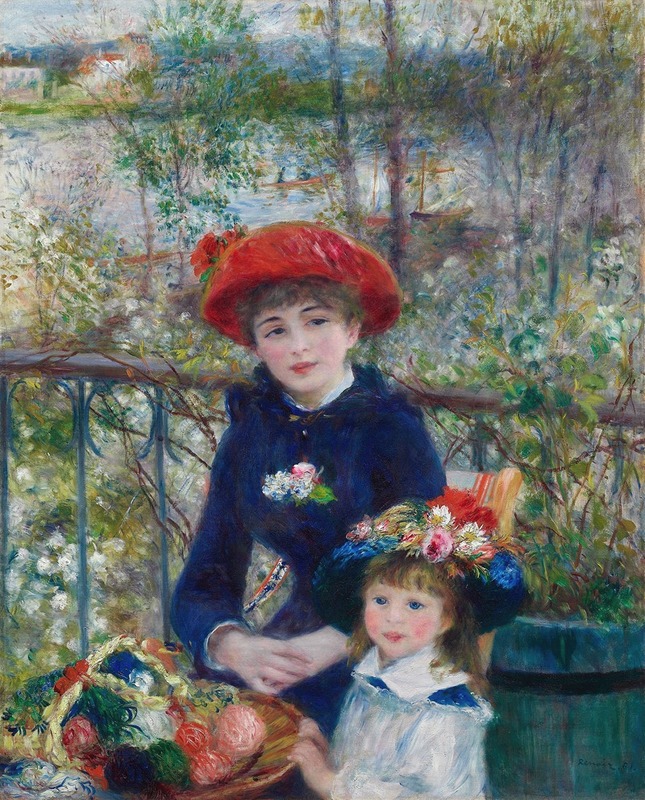
Two Sisters (On the Terrace)
Pierre-Auguste Renoir
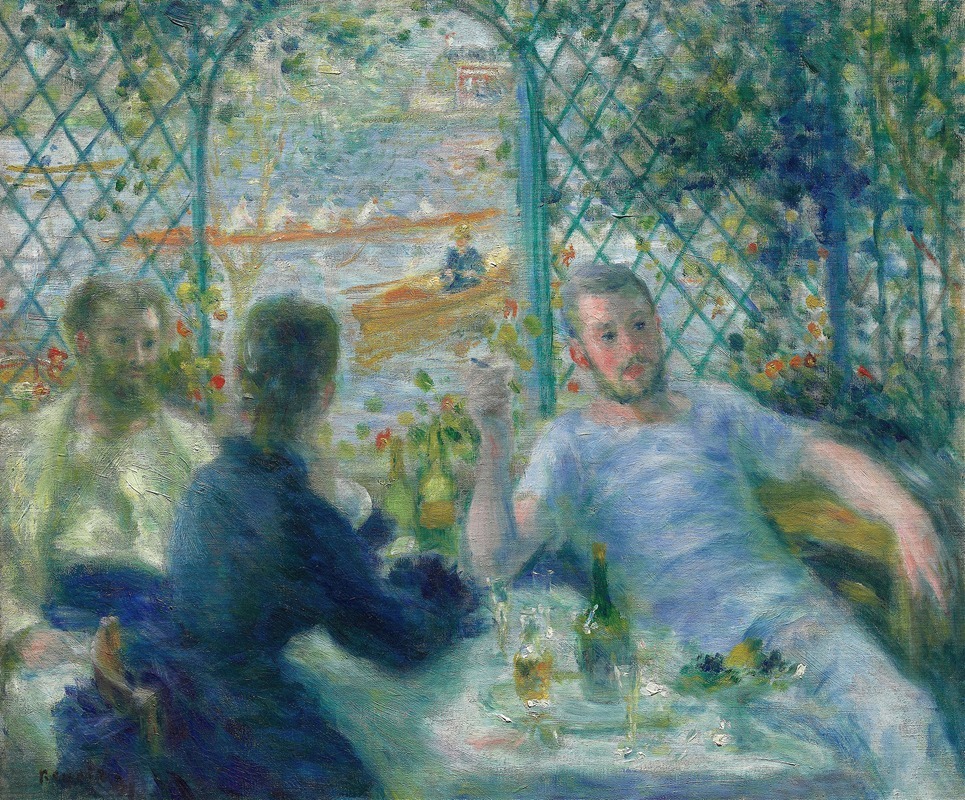
Lunch at the Restaurant Fournaise (The Rowers' Lunch)
Pierre-Auguste Renoir
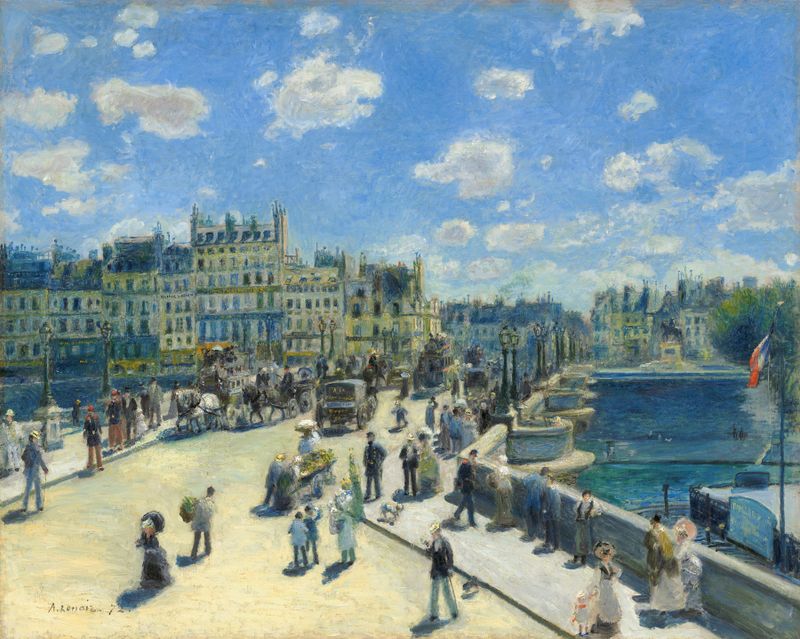
Pont Neuf, Paris
Pierre-Auguste Renoir
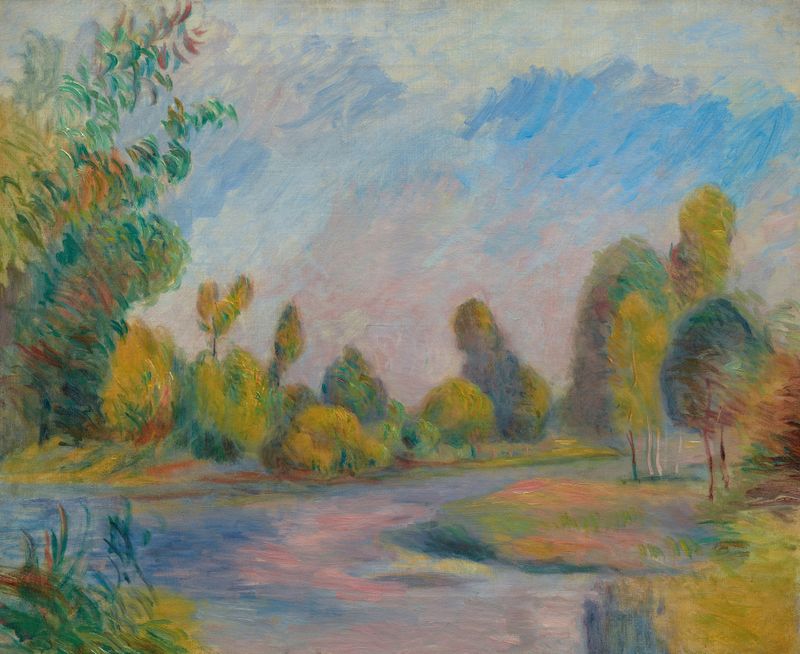
Au bord de la rivière
Pierre-Auguste Renoir

Near the Lake
Pierre-Auguste Renoir
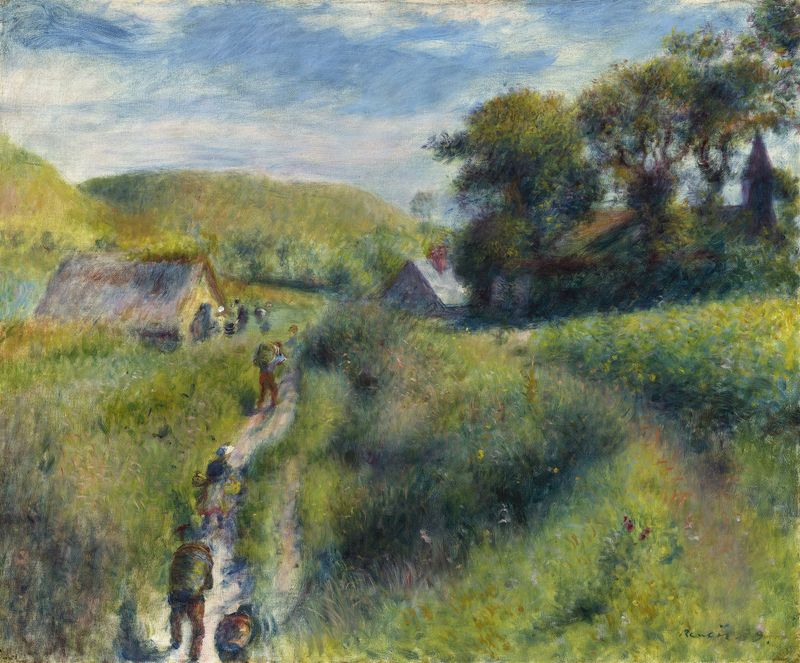
The Mussel Harvest
Pierre-Auguste Renoir

The Seine at Chatou
Pierre-Auguste Renoir
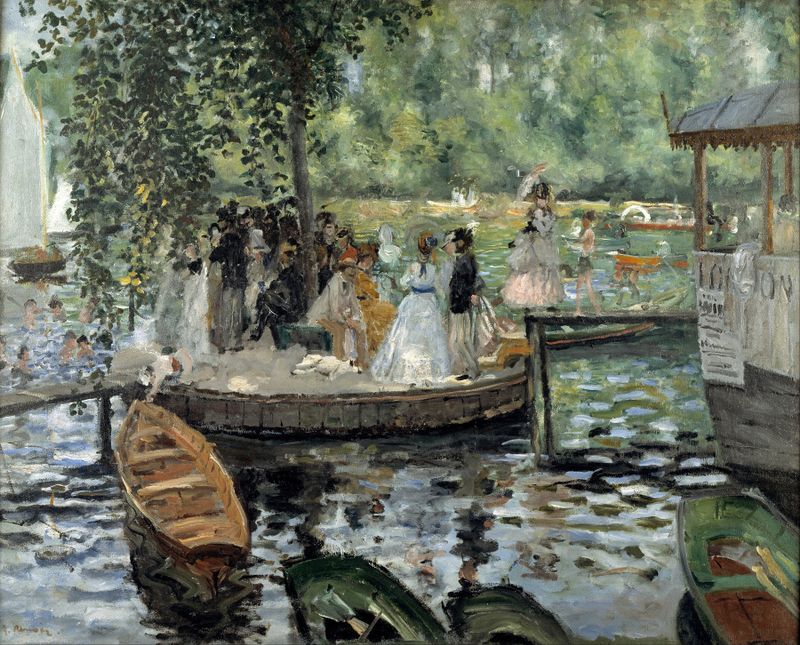
La Grenouillère
Pierre-Auguste Renoir
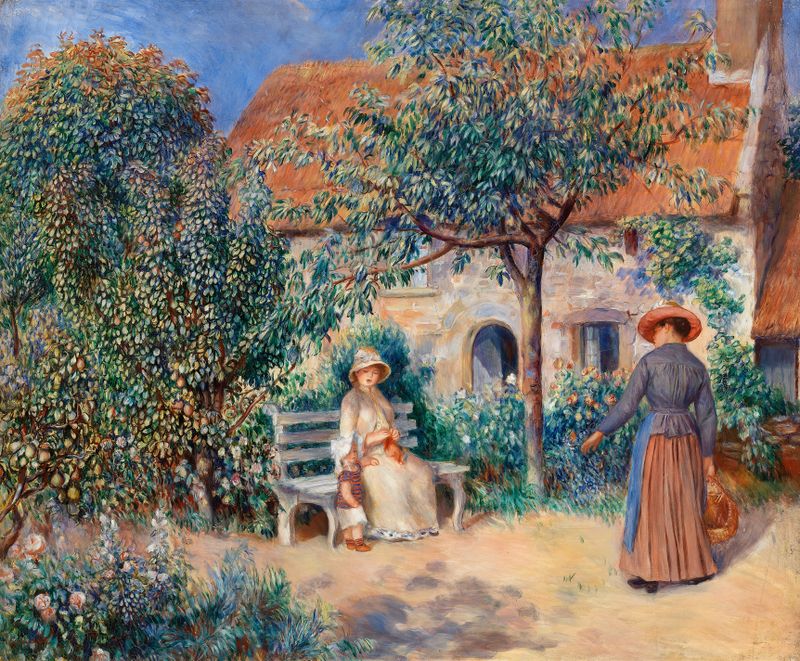
In Brittany (En Bretagne)
Pierre-Auguste Renoir
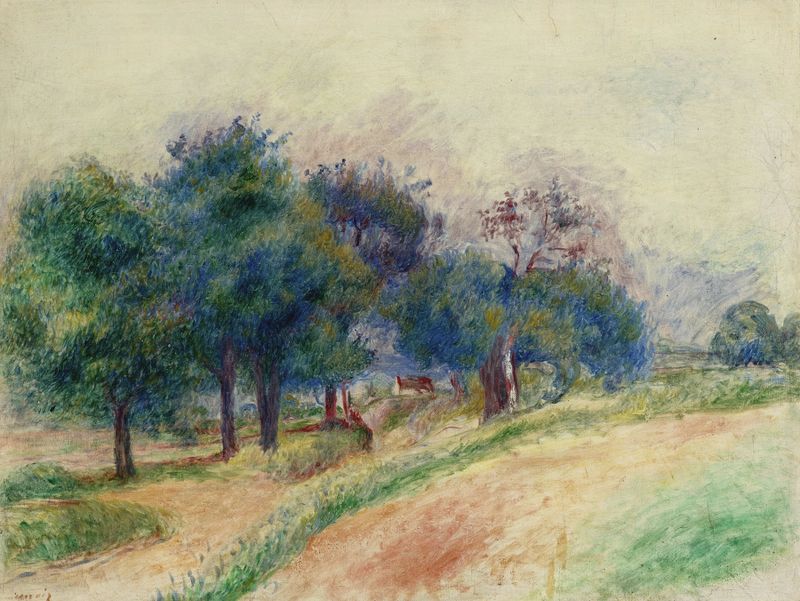
Paysage d’Essoyes
Pierre-Auguste Renoir