
Jesuits’ garden in Lviv — History & Facts
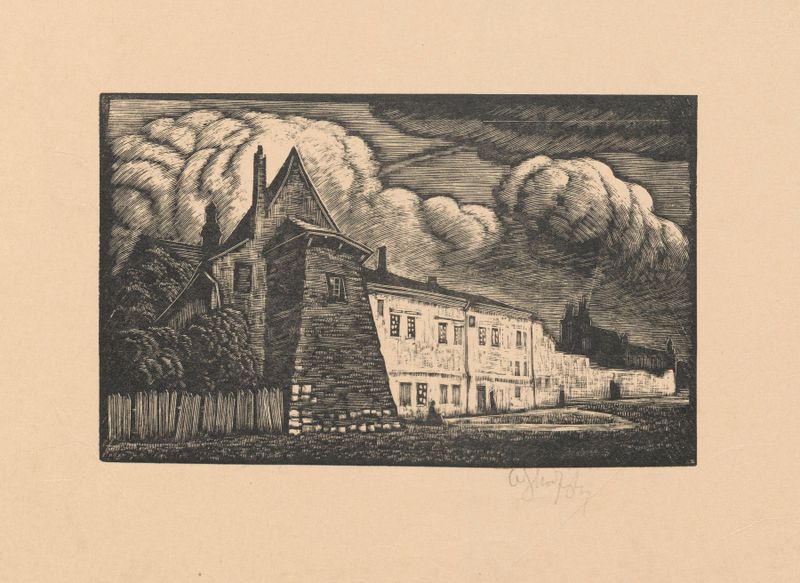
A soft breeze rustles through the lush greenery of a hidden garden, sunlight filtering through the leaves, casting dappled shadows on the cobblestone path. A figure clad in a simple habit kneels, tending to vibrant flowers that burst forth from the earth, their colors alive and inviting. Nearby, the harmonious sound of laughter drifts from a group of children playing, their innocence caught in a timeless moment of joy. Look to the center of the canvas, where the monk’s devoted figure draws your gaze.
The earth-toned palette contrasts starkly against the vivid blossoms, emphasizing the sacred relationship between man and nature. Notice how the interplay of light creates a serene ambiance, highlighting the textures of the foliage and petals, inviting the viewer to appreciate the nuances of each brushstroke. The composition’s balance speaks of harmony, as if the elements are in a sacred dialogue with one another. Yet, beneath the serene surface lies a deeper tension: the juxtaposition of sacred labor and youthful exuberance.
While the monk embodies dedication and discipline, the children represent spontaneity and joy. This delicate balance echoes the complexity of faith — a revelation that amidst devotion, one can also embrace life's fleeting pleasures. The garden, a symbol of growth and nurturing, reveals the spiritual richness found in both hard work and the simplicity of play. Władysław Skoczylas created this scene during a time of great cultural shifts in Poland in the early 20th century, a period when the nation was confronting modernity and identity.
Living in Lviv, he sought to capture the essence of Polish heritage and spirituality through his art. The artist’s choice to portray a Jesuit garden reflects a deep reverence for nature and the contemplative life, highlighting the integral role these values played in his work amidst the changing landscape of the era.
More Artworks by Władysław Skoczylas
Browse all →
Motyw ze Starego Miasta
Władysław Skoczylas
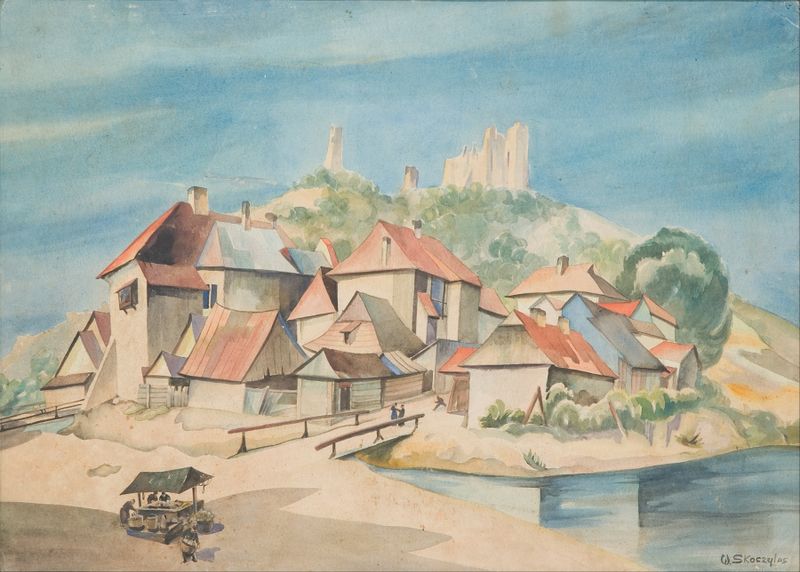
Widok Kazimierza nad Wisłą
Władysław Skoczylas
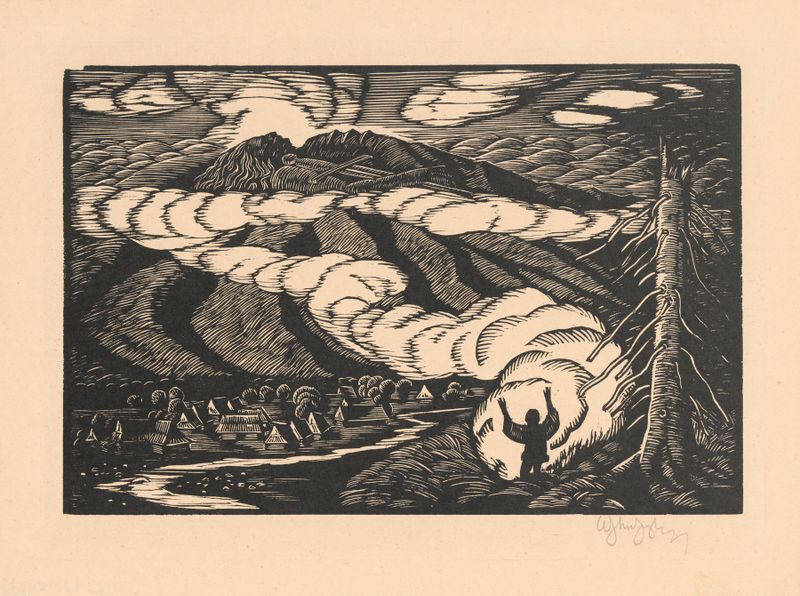
Giewont
Władysław Skoczylas
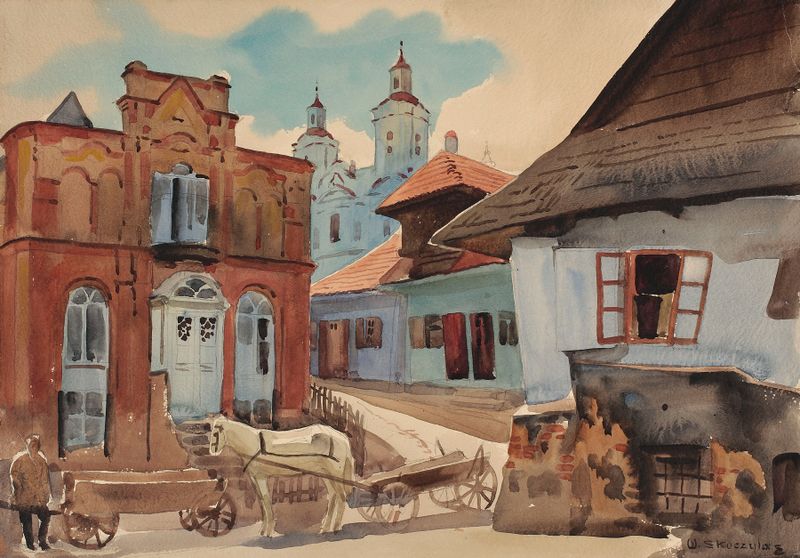
Fragment miasteczka
Władysław Skoczylas

Kościół w Dębnie
Władysław Skoczylas

Ulica w Kazimierzu
Władysław Skoczylas

Rynek w Kazimierzu nad Wisłą
Władysław Skoczylas
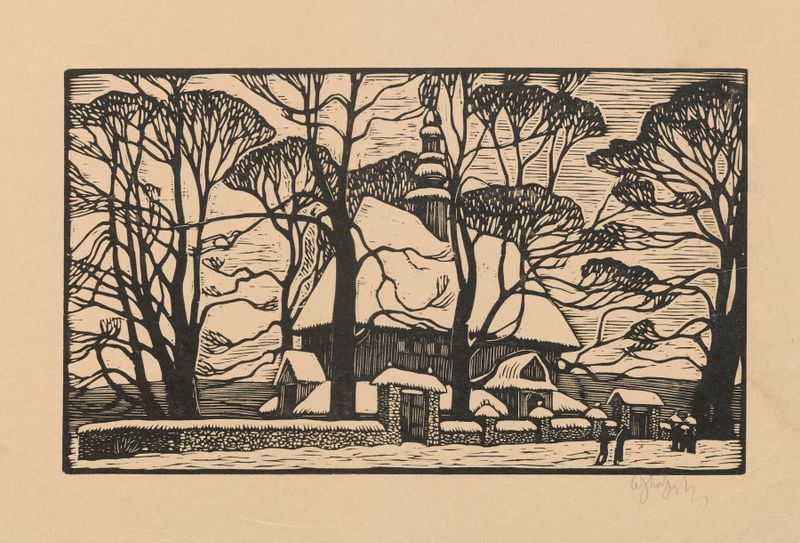
Kościółek w zimie
Władysław Skoczylas

Kolumna Zygmunta
Władysław Skoczylas
Motyw z Krakowa; Baszta Augustianów
Władysław Skoczylas





