
Jeune hindoue — History & Facts
In Jeune hindoue, Henri Matisse presents a striking portrait of a young Indian woman. The painting is characterized by vibrant colors, with bold reds, greens, and yellows dominating the canvas. The figure is depicted with a serene expression, adorned in traditional attire that reflects her cultural background.
The background features abstract shapes and colors that enhance the overall composition. This artwork is an example of Matisse's Fauvist style, which emphasizes color over detail. The brushwork is loose and expressive, allowing the colors to blend and interact dynamically. The dimensions of the painting are approximately 65 x 81 cm, making it a medium-sized work that draws attention.
The use of oil on canvas adds richness to the colors and depth to the image. Henri Matisse created Jeune hindoue during a period when he was exploring the use of color and form in new ways. This painting is part of a series of works that reflect his fascination with non-Western cultures, particularly Indian art. An interesting fact about this work is that it showcases Matisse's departure from traditional representation, embracing a more expressive and emotional approach.
The painting is currently housed in the Musee d'Orsay in France.
More Artworks by Henri Matisse
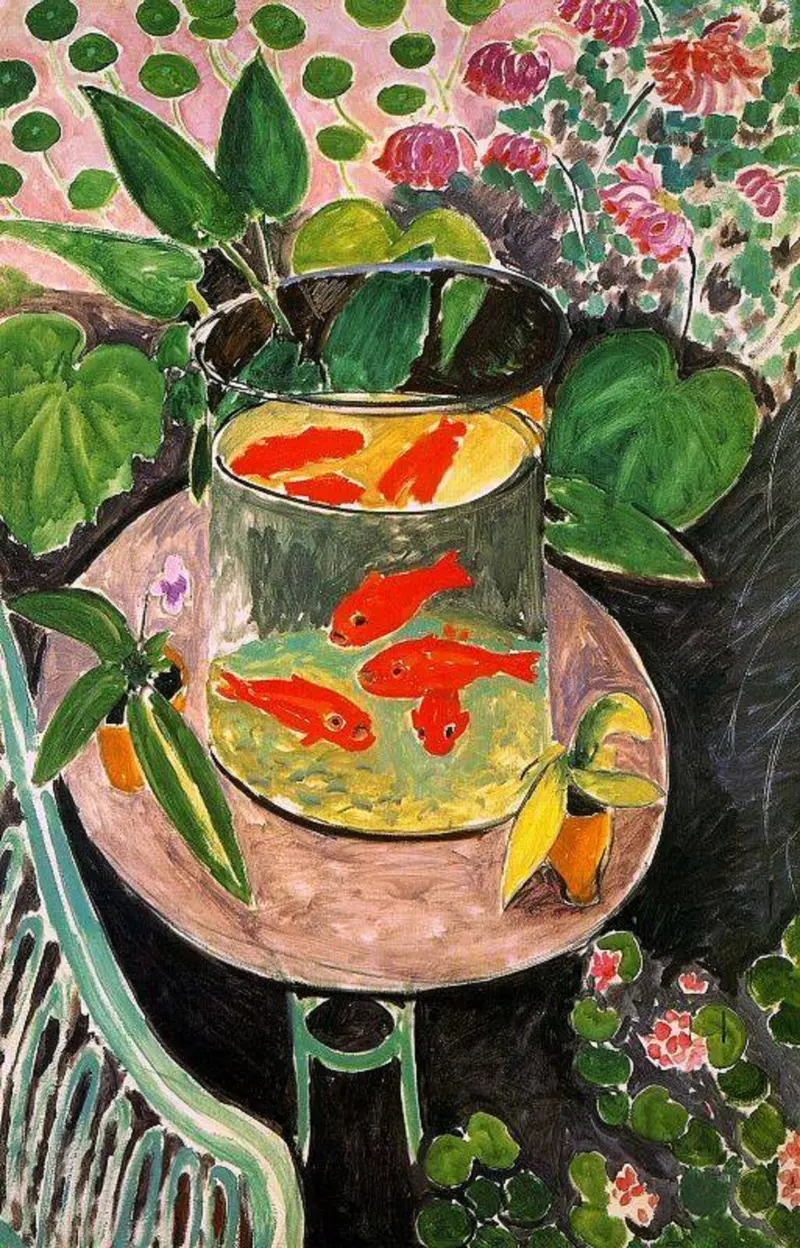
Goldfish
Henri Matisse

Femme au chapeau fleuri
Henri Matisse
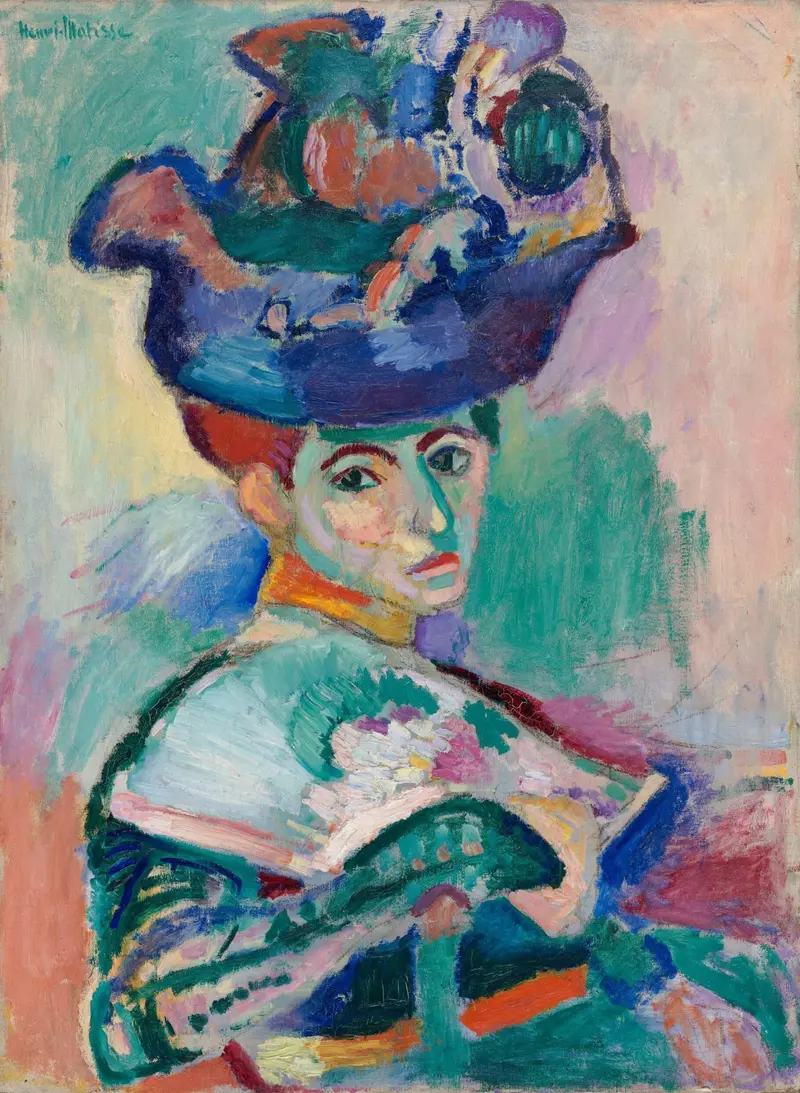
Woman with a Hat
Henri Matisse
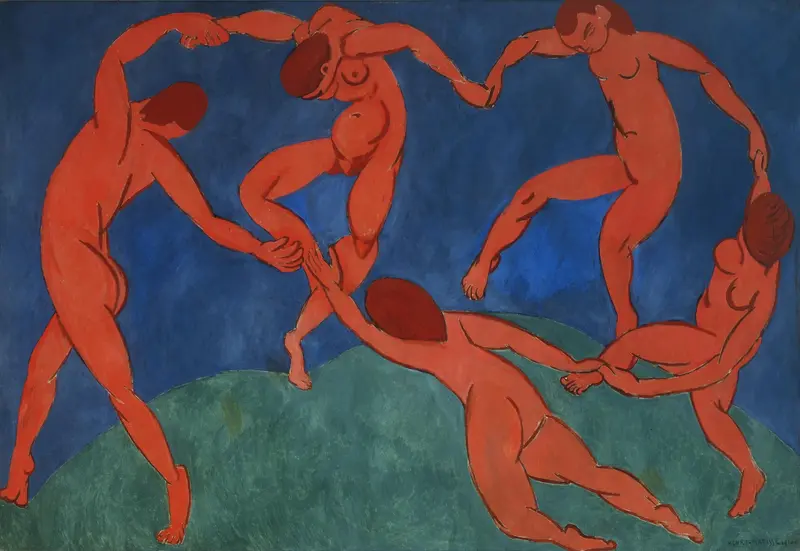
The Dance
Henri Matisse

Le Bonheur de vivre, also called The Joy of Life
Henri Matisse

Femme près de la fenêtre, Nice
Henri Matisse
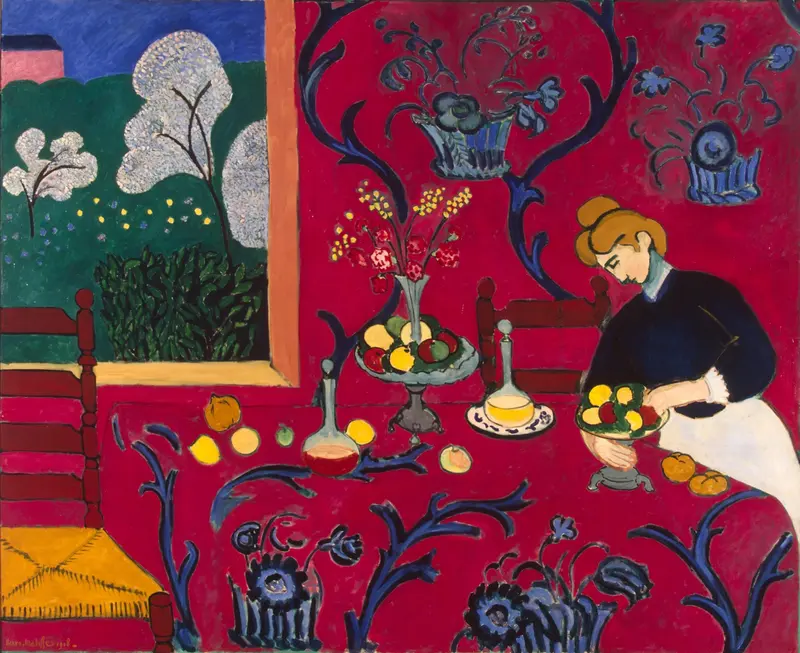
Harmony in Red (The Red Room)
Henri Matisse
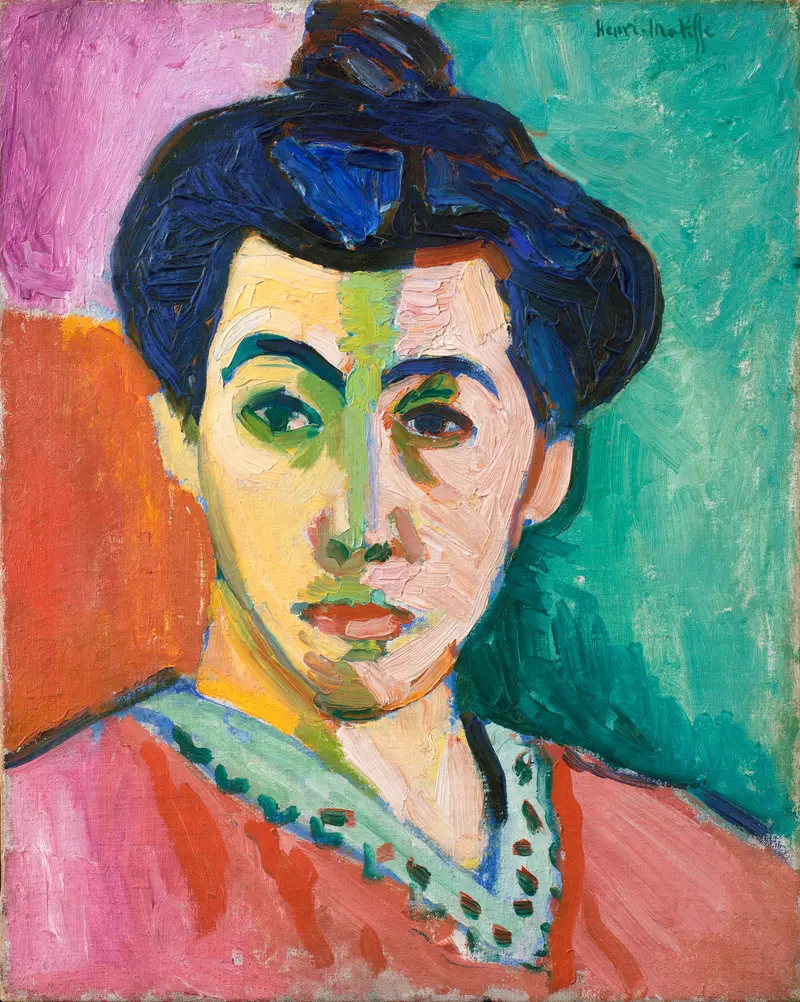
The Green Stripe (Portrait of Madame Matisse)
Henri Matisse
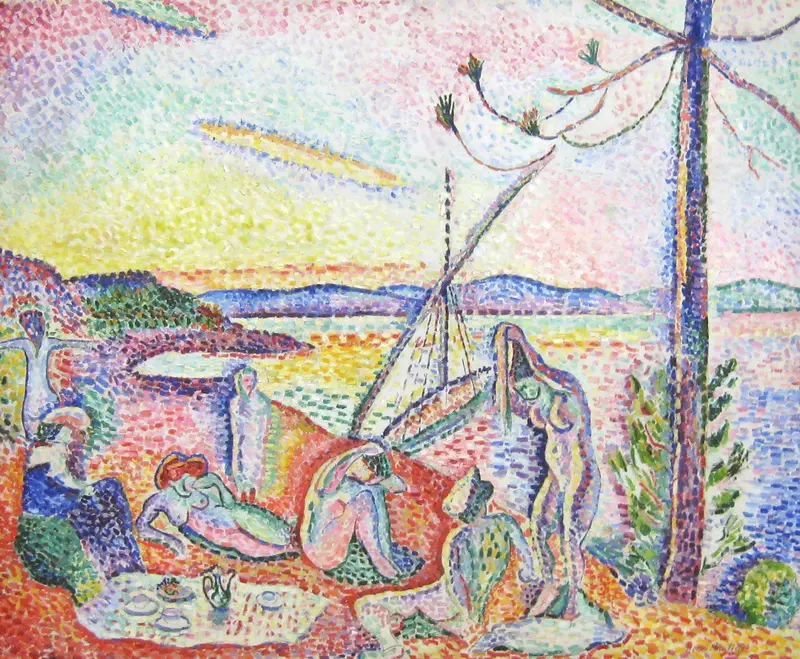
Luxe, Calme et Volupté
Henri Matisse
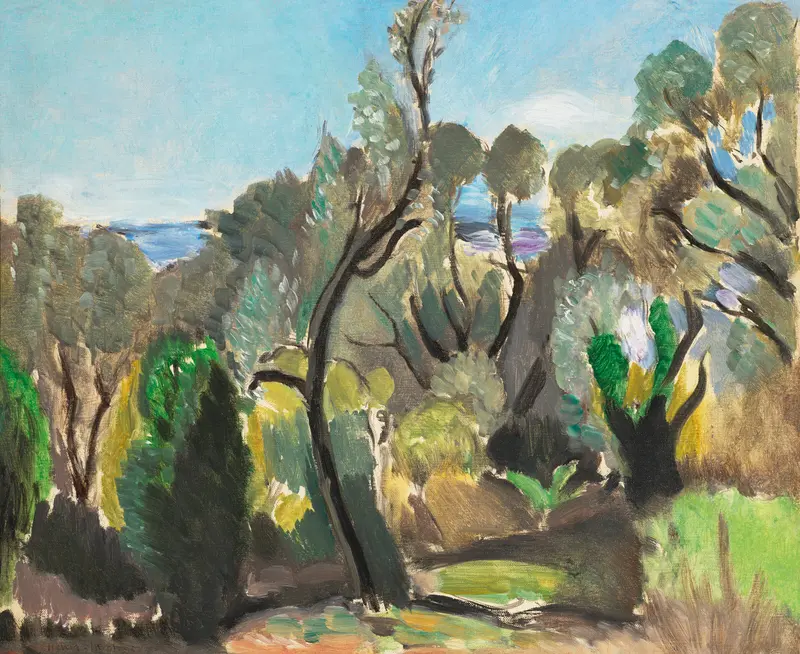
Paysage aux environs de Nice ou Les Oliviers ou Coin du Mont-Boron
Henri Matisse





