
Jllens — History & Facts
When did color learn to lie? The vivid hues of Jllens dance around the viewer, presenting a vision that feels both truthful and deceitful in its serene beauty. It beckons reflection, inviting us to ponder the depths of tranquility and the facades it might mask. Look to the center of the canvas where a figure emerges, draped in soft, flowing fabrics that seem to ripple with the soft breeze of a silent afternoon. The gentle interplay of light and shadow highlights the nuances of the scene, creating a harmony that draws the eye.
The surrounding landscape, with its delicate strokes of greens and blues, envelops the figure, crafting an atmosphere of profound calm. Notice how the artist uses a palette that shifts seamlessly from warm to cool tones, evoking a sense of balance that invites contemplation. Yet beneath this veneer of peace, there lies a tension between the figure's stillness and the vibrant hues around them. The contrast of light plays upon the canvas, suggesting an internal struggle—a celebration of serenity that may conceal deeper emotions.
Delve into the subtle expressions captured within the figure’s posture, which speaks to a longing or an unfulfilled desire, hinting at a narrative that transcends mere visual appreciation. Johann Friedrich Wagner painted Jllens between 1840 and 1844, a period marked by significant shifts in artistic movements and personal introspection. Living in Germany during this time, he was influenced by Romantic ideals that emphasized emotions and nature. The world around him was oscillating between the nostalgia of the past and the rapid advancements of industrialization, a duality that likely informed the tranquility and complexity imbued in this artwork.
More Artworks by Johann Friedrich Wagner
Browse all →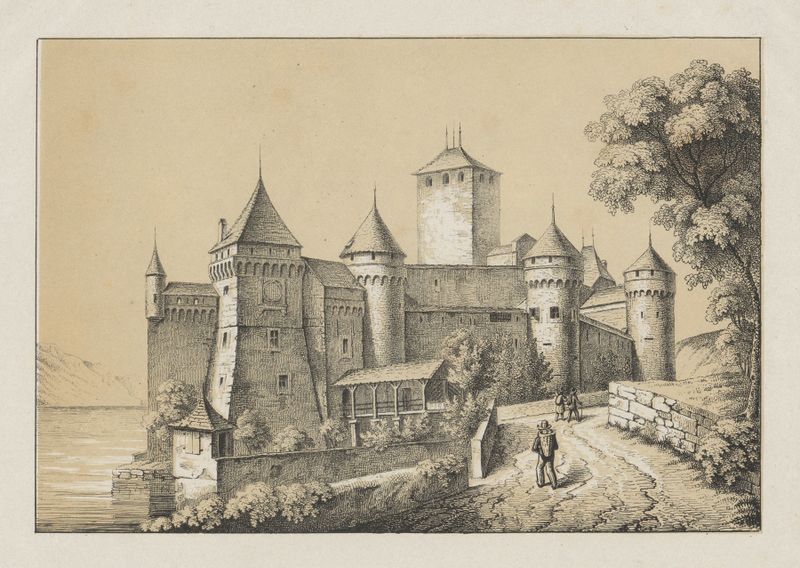
Chillon
Johann Friedrich Wagner

Valangin
Johann Friedrich Wagner
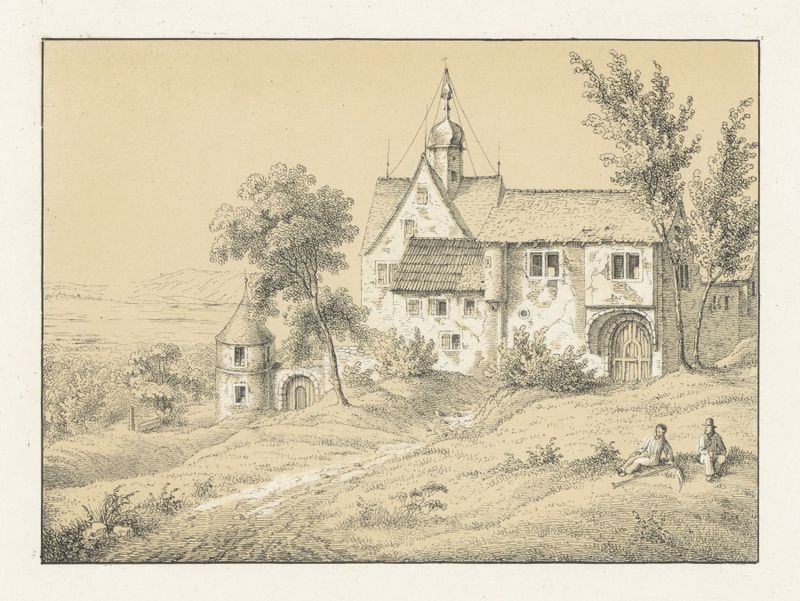
Greifenstein
Johann Friedrich Wagner

Vorburg
Johann Friedrich Wagner
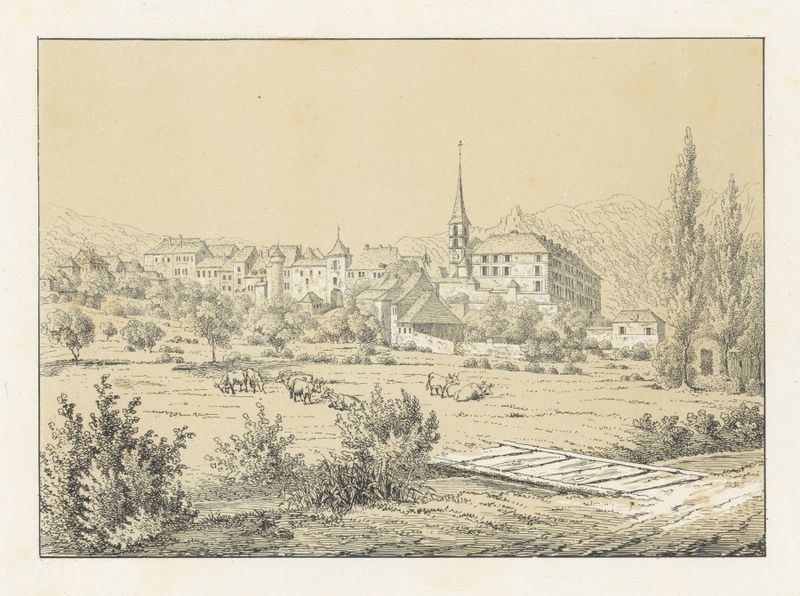
Delémont
Johann Friedrich Wagner

Pleujouse
Johann Friedrich Wagner

Challay
Johann Friedrich Wagner
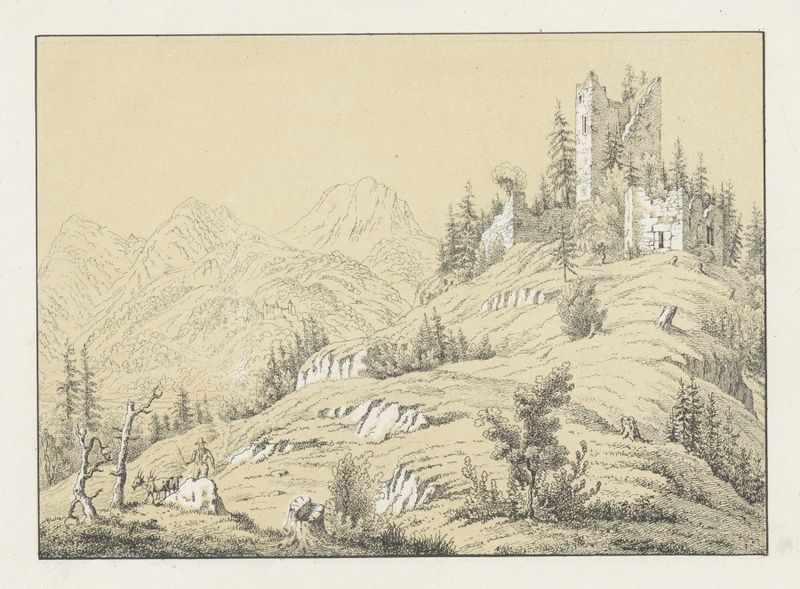
Mont Salvant
Johann Friedrich Wagner
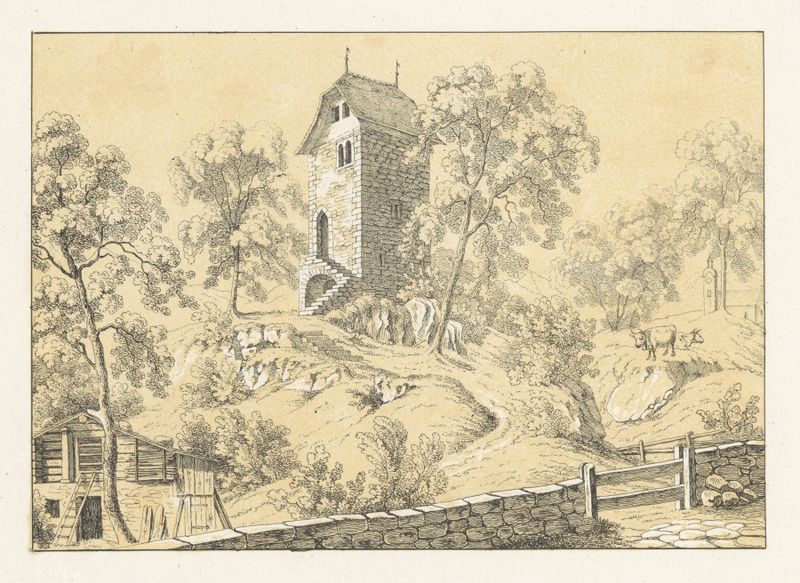
Aha. Od. Untere Burg von Sarnen
Johann Friedrich Wagner
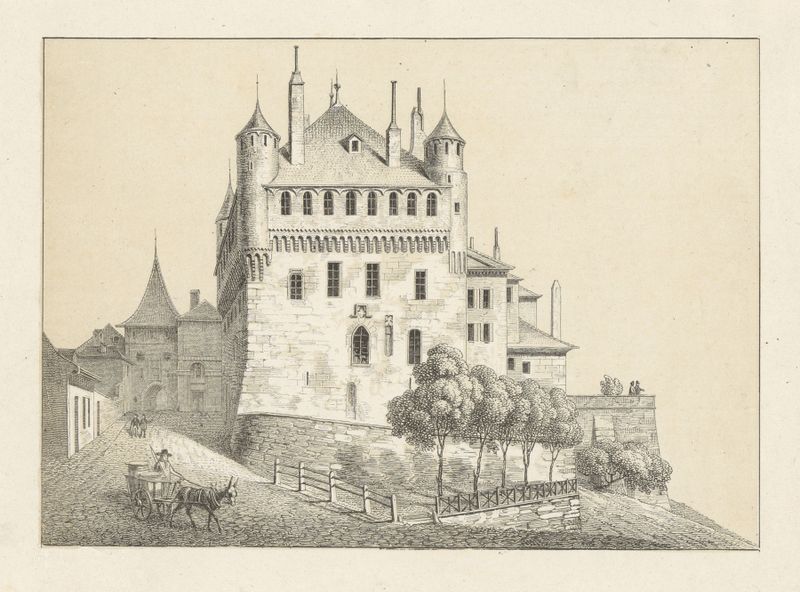
Lausanne
Johann Friedrich Wagner





