
Jozef vlucht weg van de vrouw van Potifar — History & Facts
In the stillness of this moment, the void of trust and betrayal resonates profoundly, echoing the choices that shape our destinies. Look to the left at the figure of Joseph, whose body language speaks volumes; he is poised to flee, muscles taut in a desperate bid for freedom. The vivid colors of his robe contrast sharply with the pale background, drawing the eye to his tumultuous emotion. Notice how the light falls upon the opulent textures of the woman’s attire, emphasizing her allure yet casting shadows of deceit across her face.
The composition deftly captures the tension between them, an interplay of desire and resolve that is palpable. Delve into the nuances of their expressions, where pain and longing coexist; the longing in her eyes belies her intentions. The space between them seems to compress, a physical representation of the conflict between virtue and temptation. This duality of character is mirrored in the artist's choice of vibrant hues, igniting the canvas with a sense of urgency while simultaneously revealing the emotional void that Joseph is escaping. Lucas Cranach (I) created this work between 1528 and 1554, a period marked by a burgeoning Reformation and shifting societal values.
He remained in Wittenberg throughout his career, where he embraced the demands of his patrons while reflecting the era’s moral dilemmas in his art. The painting captures a timeless narrative of virtue in the face of seduction, emphasizing the artist's keen awareness of both personal and societal tensions at play.
More Artworks by Lucas Cranach (I)
Browse all →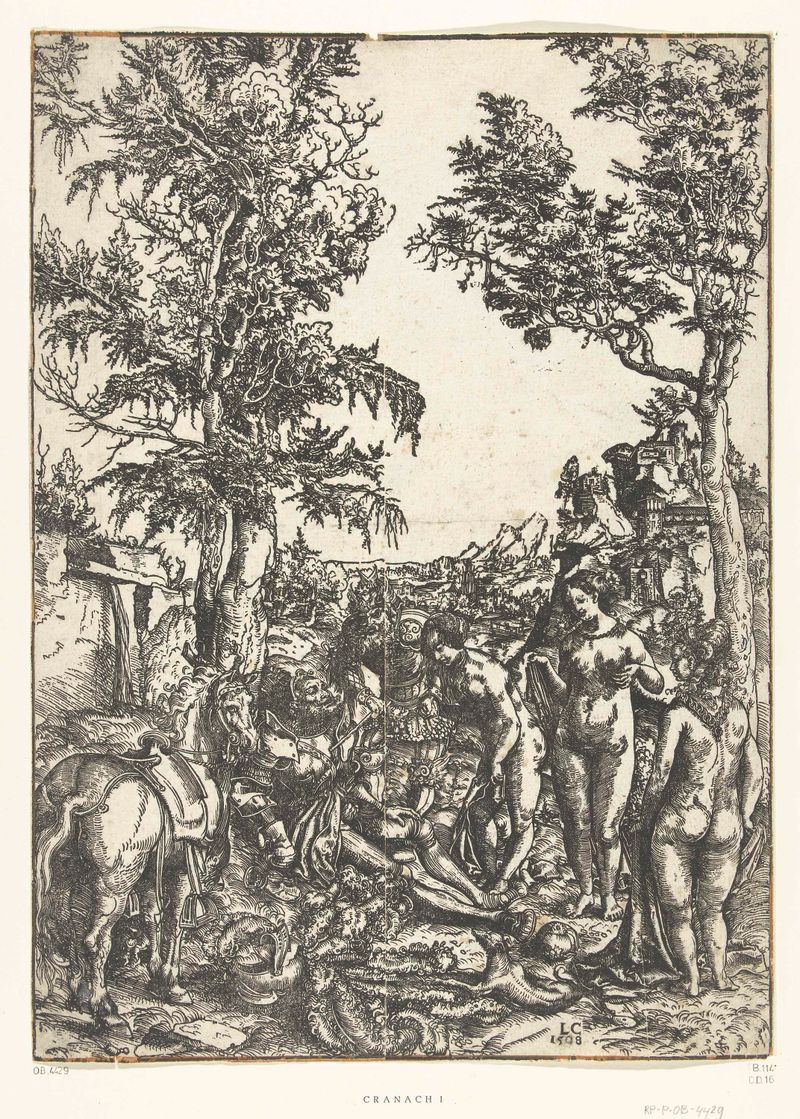
Oordeel van Paris
Lucas Cranach (I)
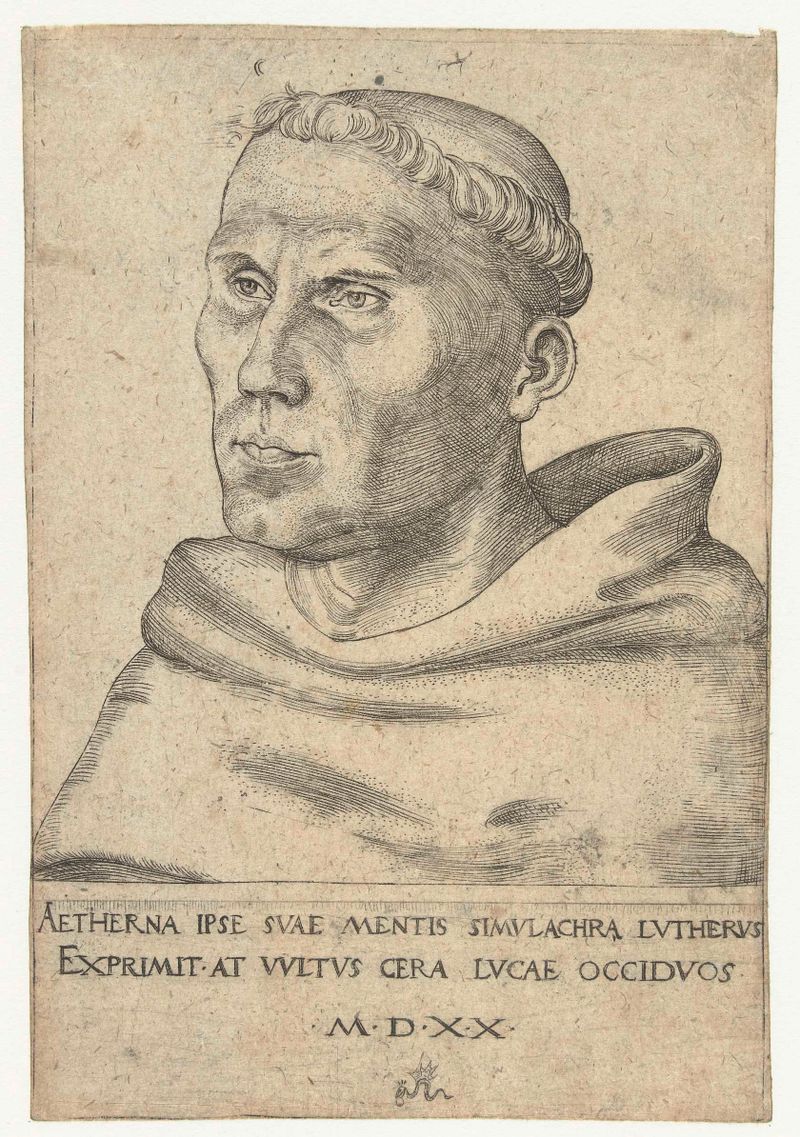
Portret van Martin Luther als Augustijner monnik
Lucas Cranach (I)
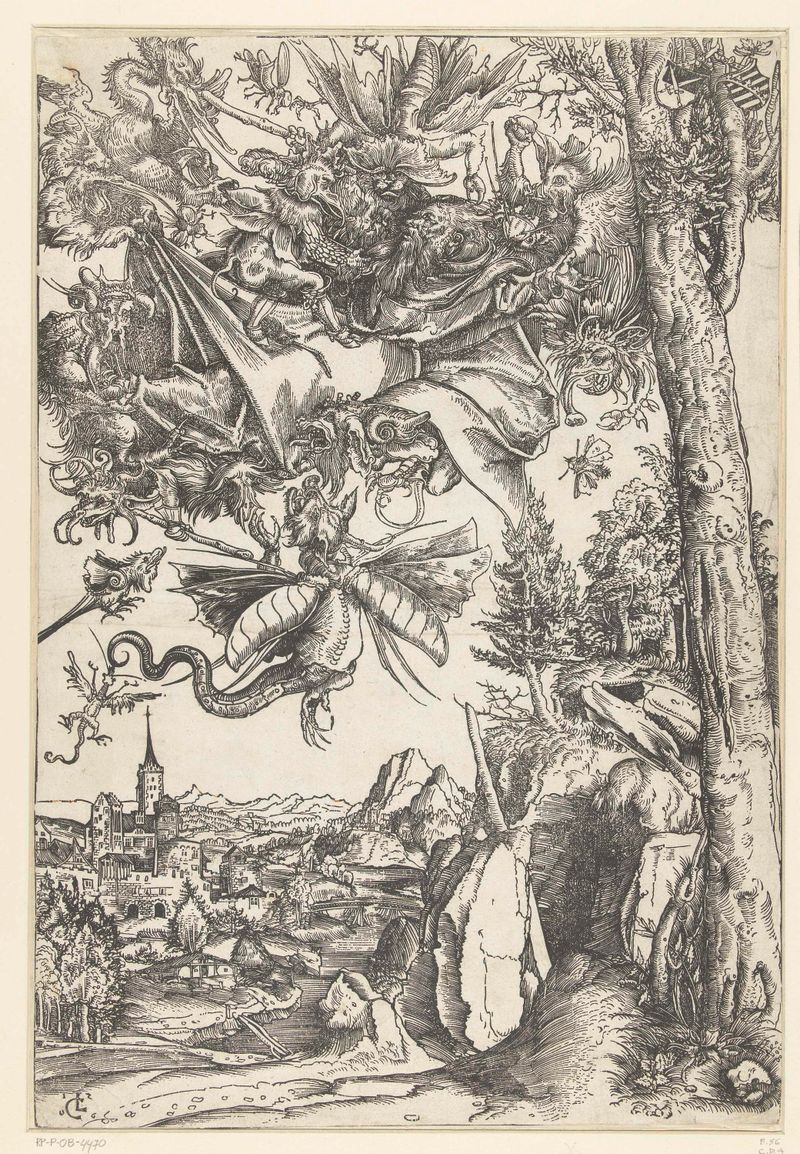
Verzoeking van Antonius met aanval door demonen
Lucas Cranach (I)

Christus en de Samaritaanse vrouw
Lucas Cranach (I)

Duits toernooi met twee edelmannen als ridders te paard
Lucas Cranach (I)
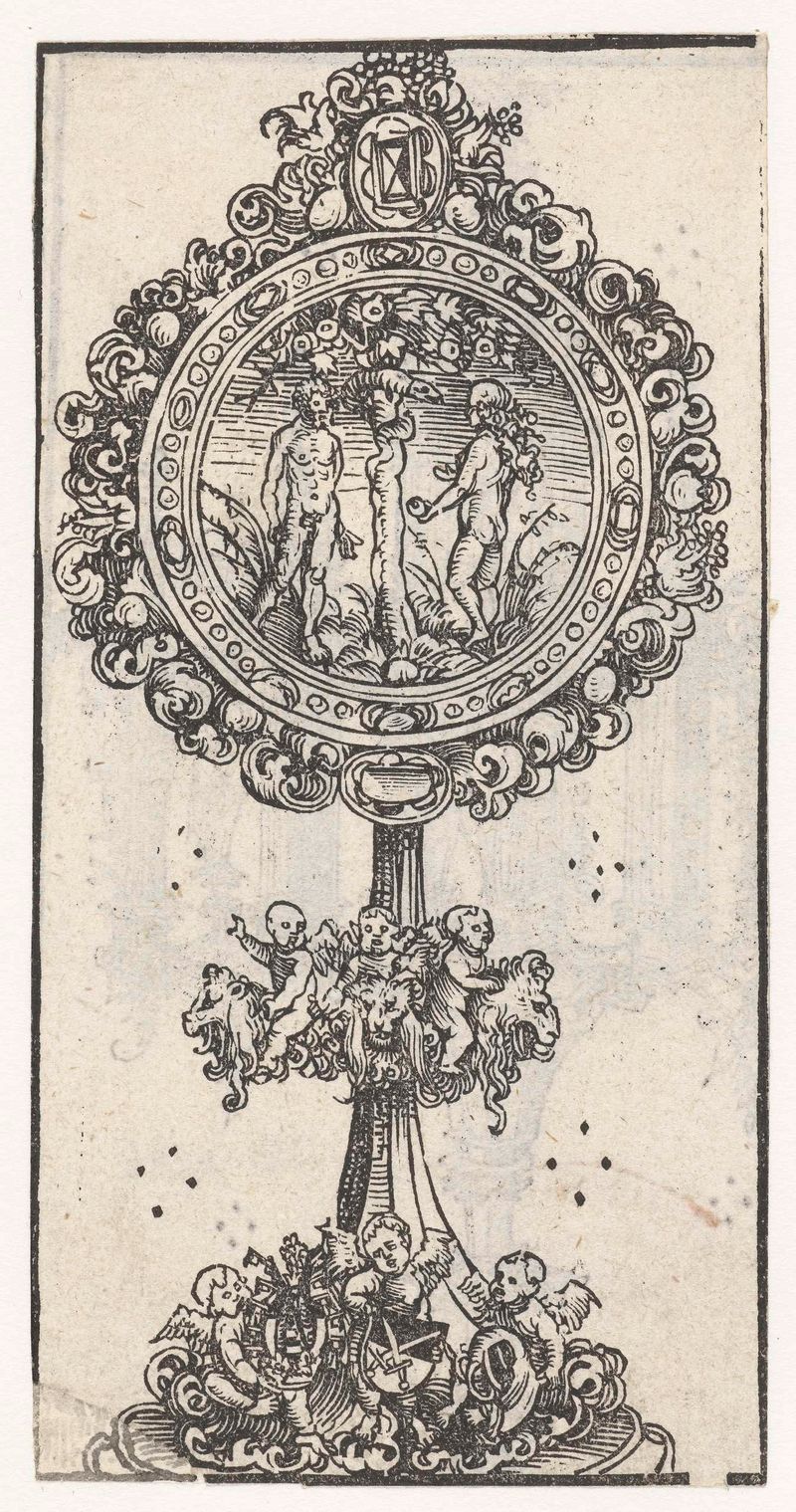
Reliekhouder met de verzoeking van Adam en Eva
Lucas Cranach (I)

Intocht van Christus in Jerusalem
Lucas Cranach (I)
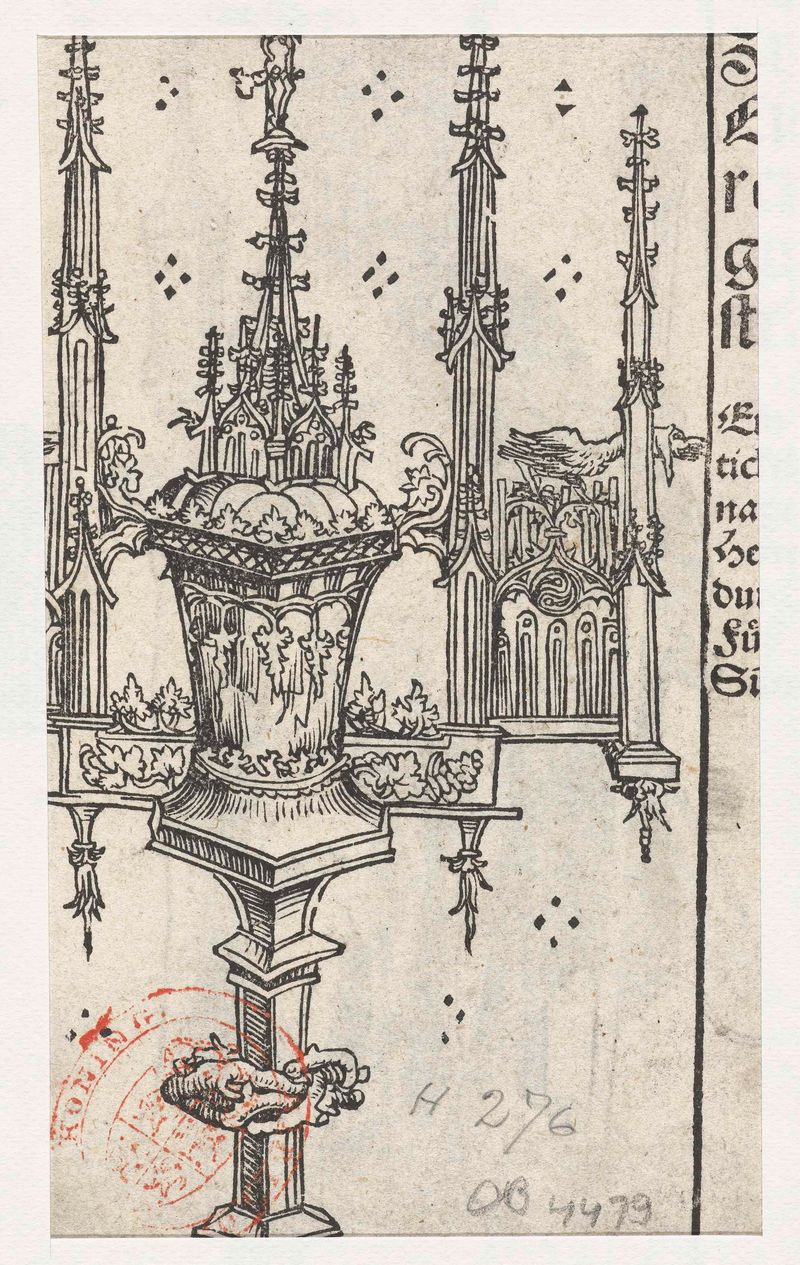
Monstrans met vogel (pelikaan)
Lucas Cranach (I)
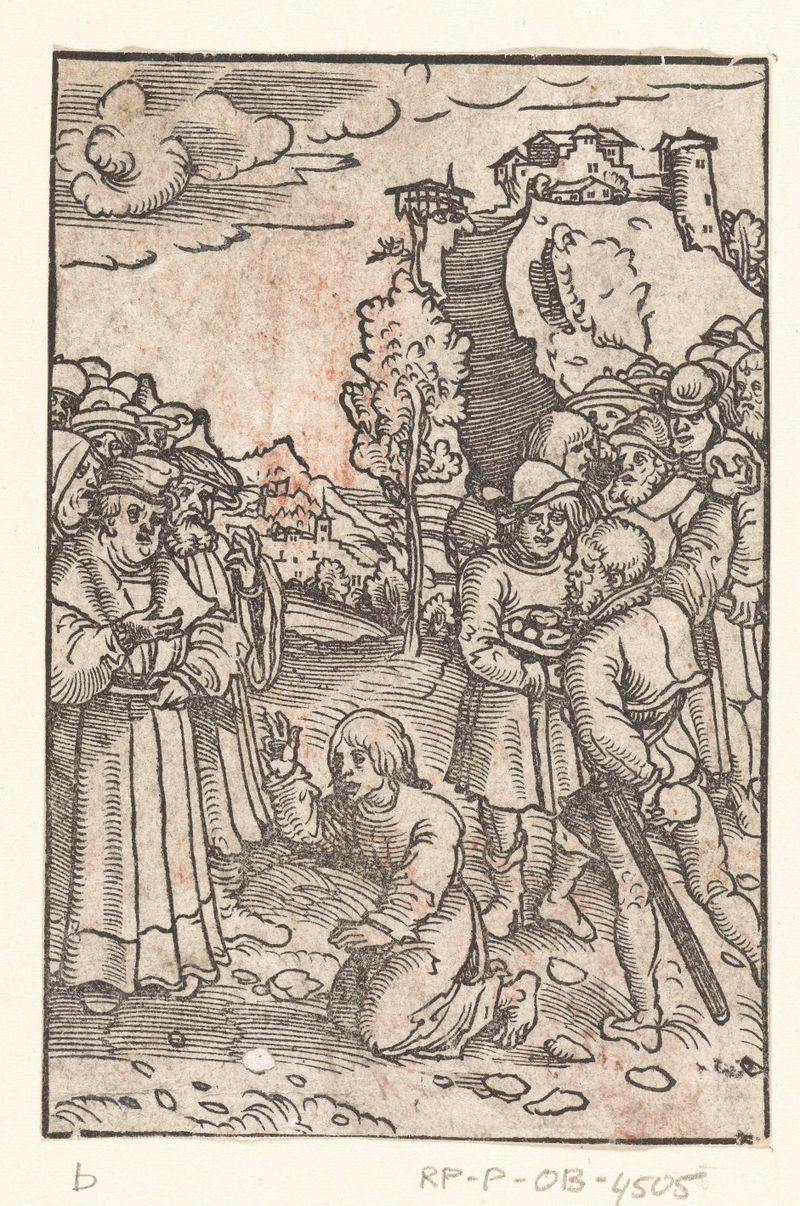
Steniging van Stefanus
Lucas Cranach (I)
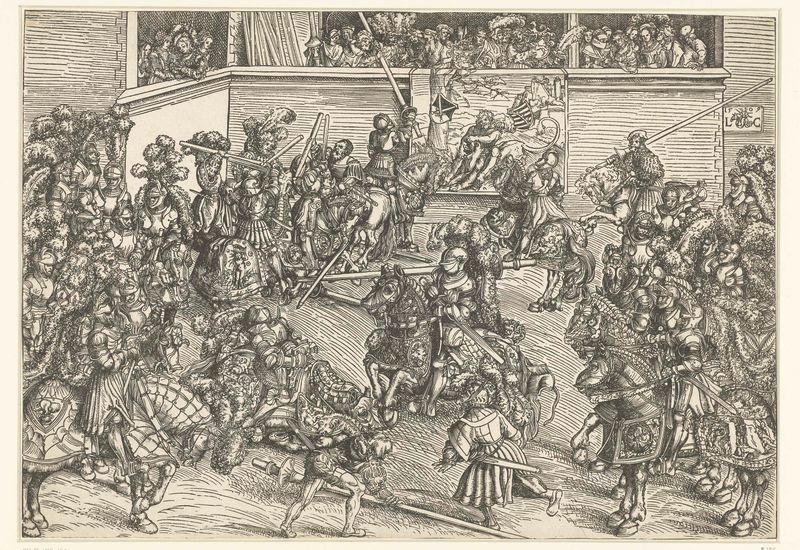
Toernooi van het keurvorstelijk hof van Saksen met wandtapijt Simson doodt de leeuw
Lucas Cranach (I)
More Historical Art
Browse all →
The Night Watch Militia Company of District II under the Command of Captain Frans Banninck Cocq
Rembrandt van Rijn

Lincoln Memorial
Henry Bacon

The Third of May 1808
Francisco de Goya

Isaac and Rebecca, Known as ‘The Jewish Bride’
Rembrandt van Rijn

The Charge of the Mamelukes (1814)
Francisco de Goya

De vier ruiters van de apocalyps
Albrecht Dürer