
Jozef wordt door zijn broers uit put getrokken — History & Facts
In a world saturated with noise and chaos, this artwork beckons us to discover the profound beauty found in moments of stillness. Begin by focusing on the central figure, illuminated by a gentle light that seems almost divine. Notice how Jozef’s expression, a complex mix of vulnerability and resilience, draws you in, inviting empathy. The surrounding dark figures of his brothers, rendered in muted tones, create a stark contrast that heightens the emotional gravity of the scene.
Their gestures, at once aggressive and protective, encapsulate the tension between familial betrayal and the flicker of redemption. The imagery is rich with symbolism: the deep shadows surrounding Jozef represent despair, while the light that falls upon him signifies hope and salvation. Each brother's varied stance and expression hint at their internal conflicts, blurring the lines between compassion and jealousy. This intricacy compels the viewer to examine their own relationships, as the duality of human emotion becomes palpable within the painted frame. In 1538, the artist found himself deeply immersed in the intricate world of the Northern Renaissance, marked by a rising interest in humanism and detailed realism.
Life in Basel was vibrant yet tumultuous, with shifting political landscapes and theological debates shaping artistic expression. This period fostered Holbein’s exploration of complex narratives, as he navigated personal and societal upheavals, ultimately capturing the essence of the human condition in works like this one.
More Artworks by Hans Holbein (II)

Portret van Erasmus
Hans Holbein (II)
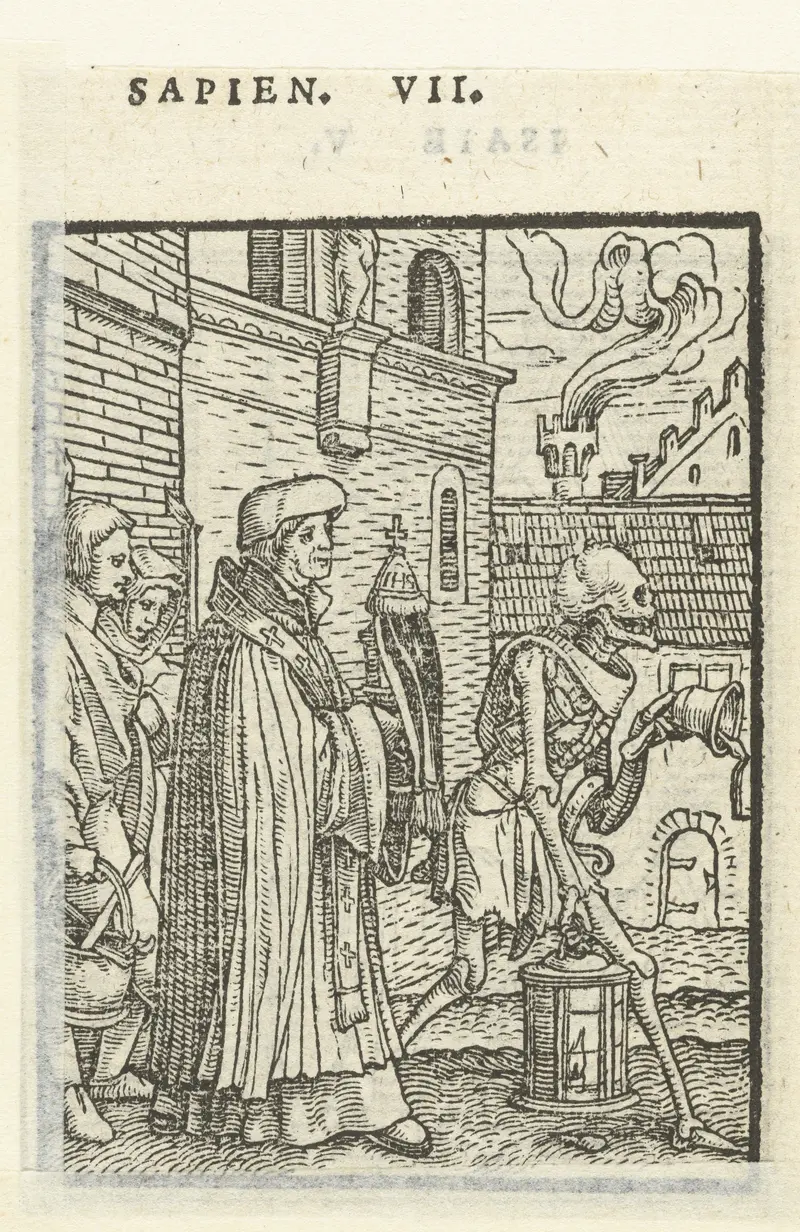
Priester en de Dood
Hans Holbein (II)
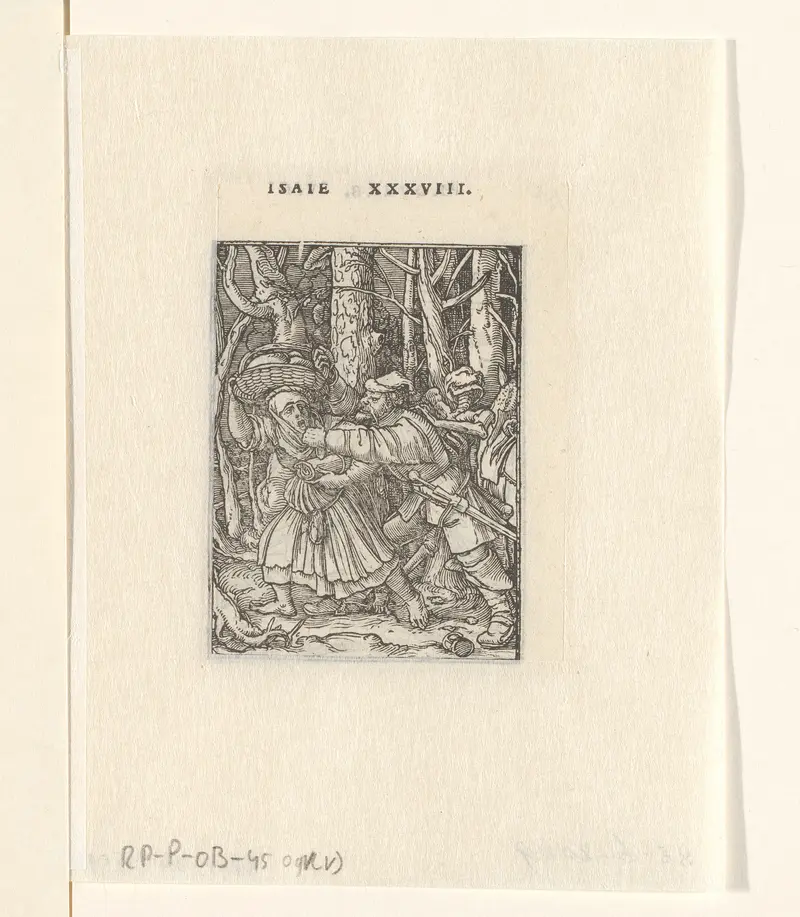
Dief en de Dood
Hans Holbein (II)
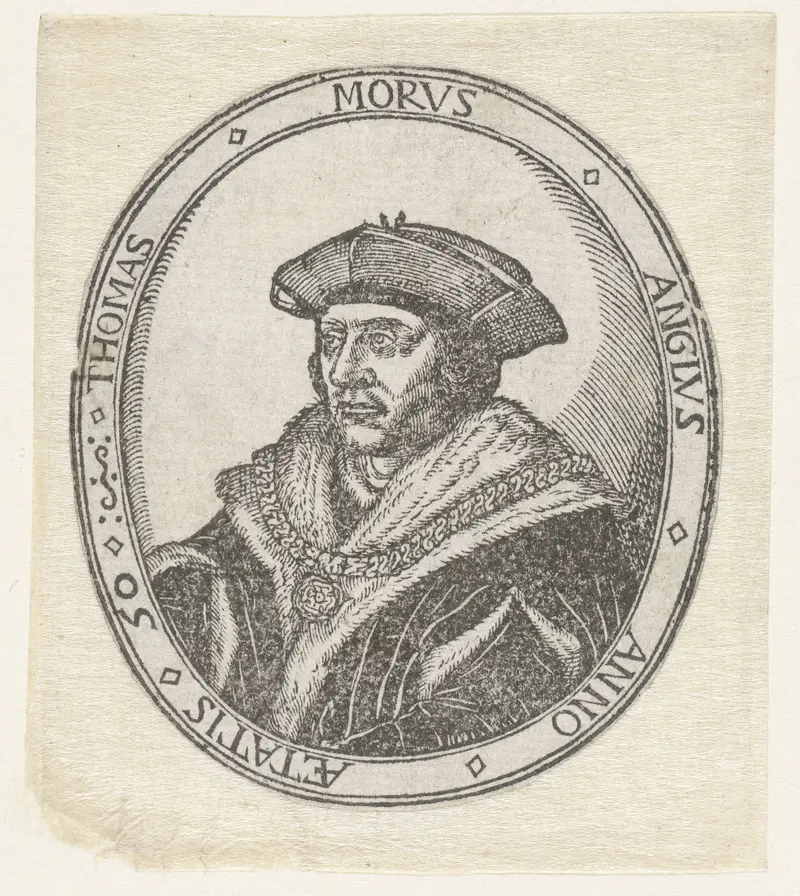
Portret van Thomas More
Hans Holbein (II)
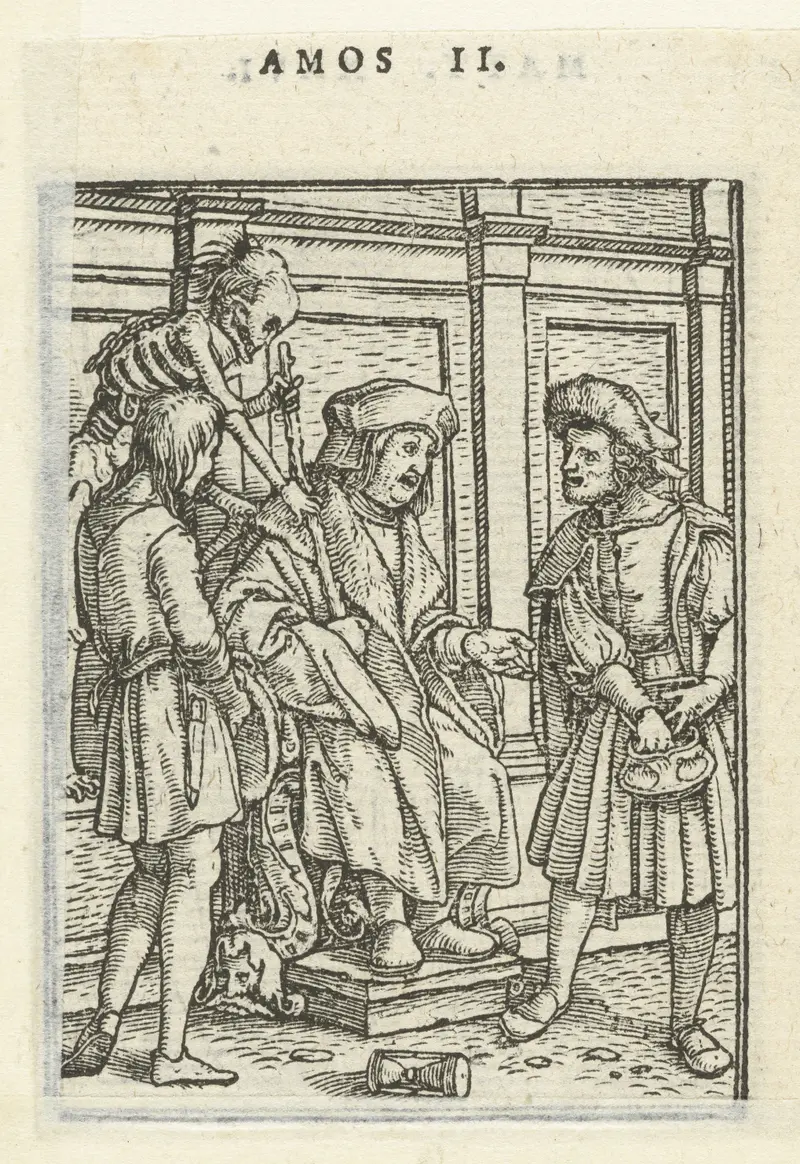
Rechter en de Dood
Hans Holbein (II)
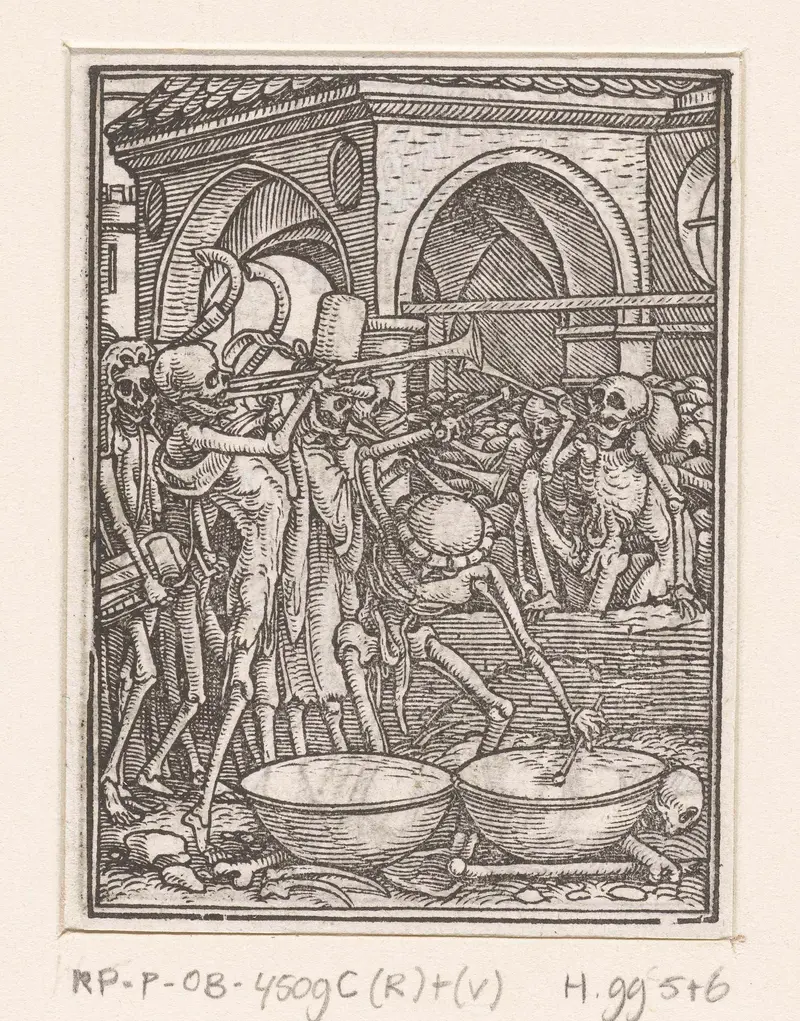
Skeletons Making Music from Dance of the Dead
Hans Holbein (II)
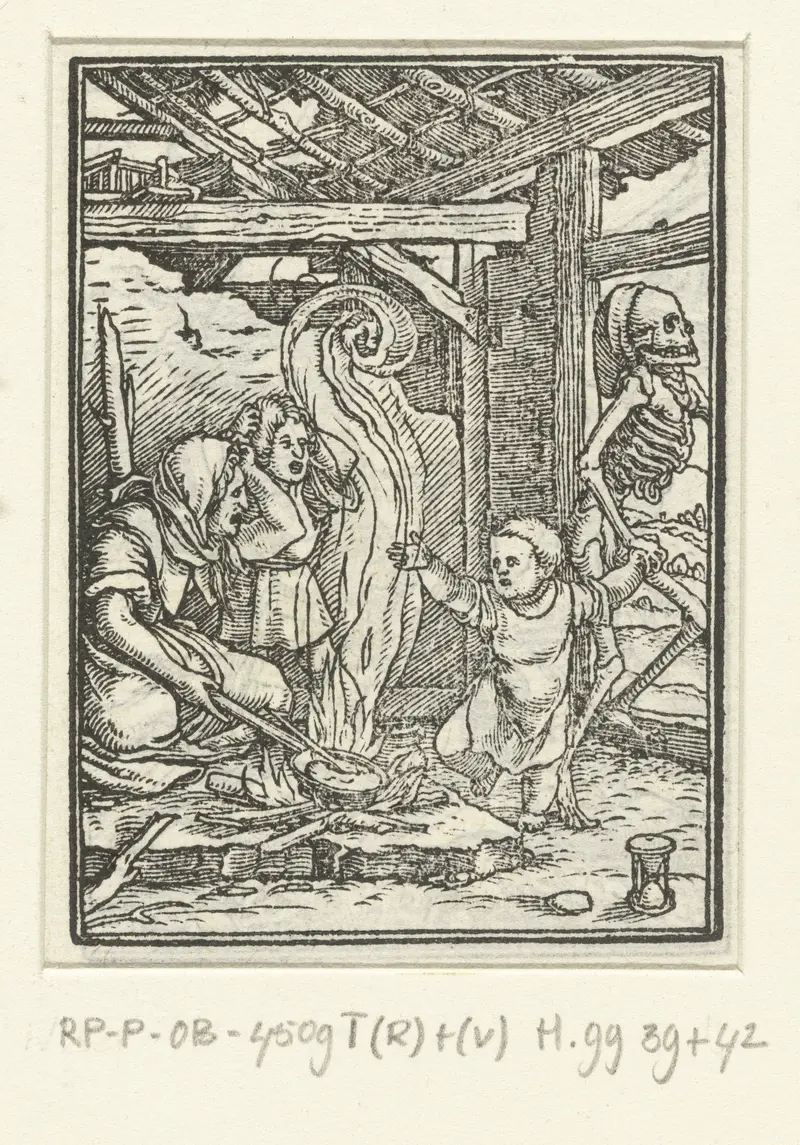
Kind en de Dood
Hans Holbein (II)
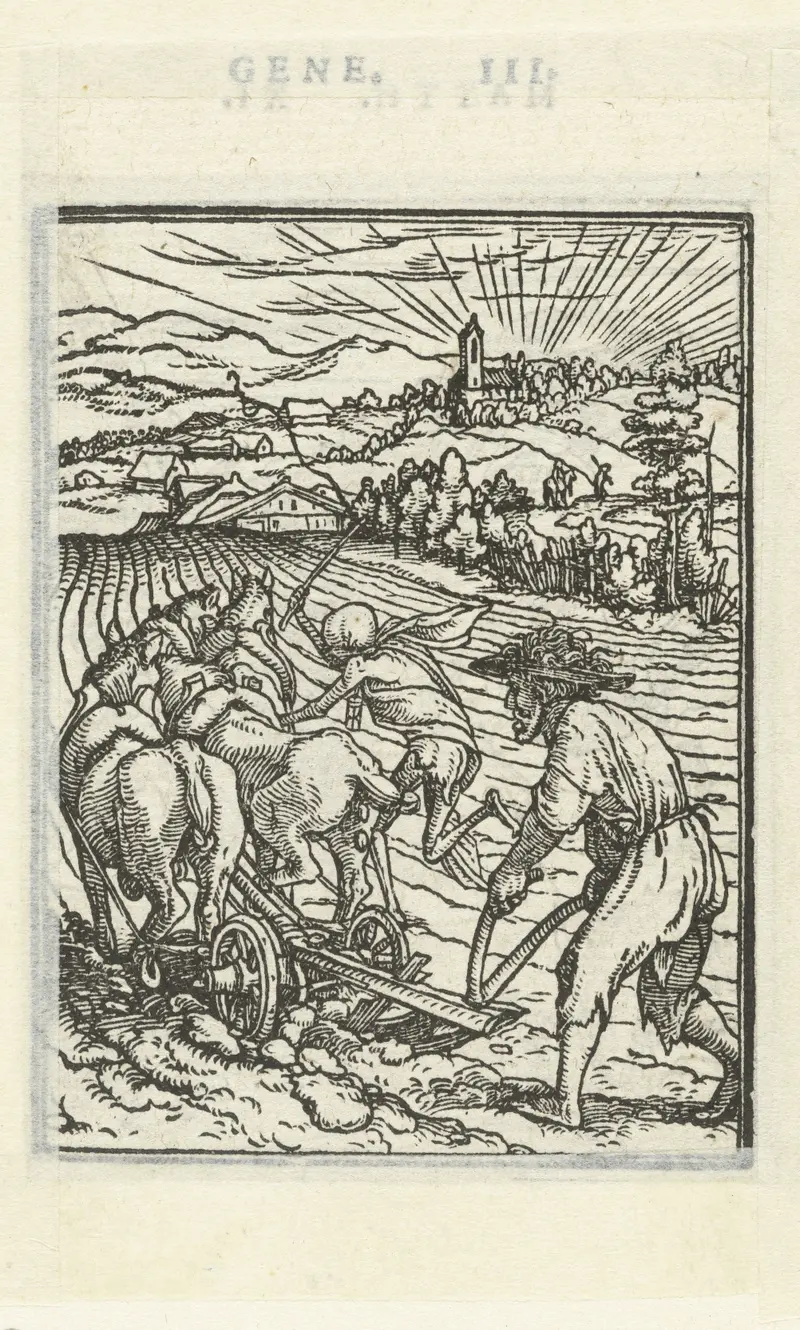
Boer en de Dood
Hans Holbein (II)

Abdis en de Dood
Hans Holbein (II)
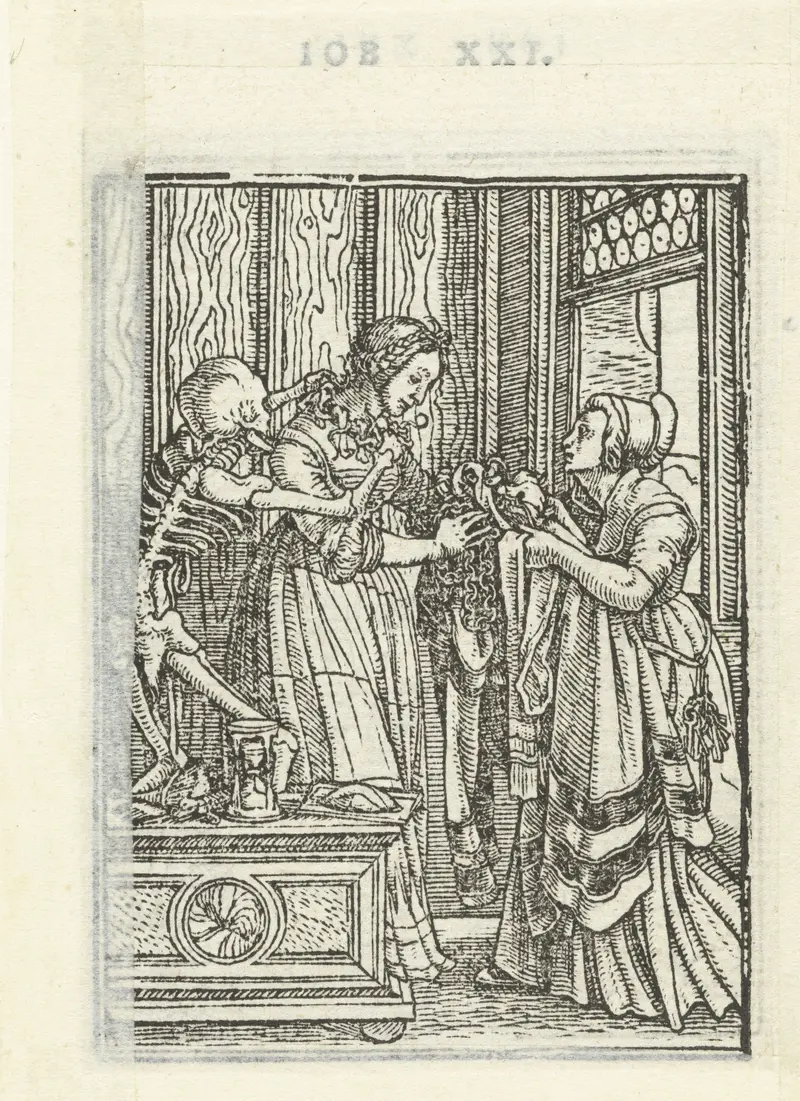
Gravin en de Dood
Hans Holbein (II)





