
Judgement Day — History & Facts
A riot of movement and color greets the viewer, as if the very surface of the painting is alive with the energy of a world in flux. The eye is drawn first to the sweeping black lines that carve their way across the canvas, looping and darting with a sense of urgent choreography. Amid the bursts of yellow, blue, and red, forms seem to emerge and dissolve—suggestions of faces, limbs, and wings, all caught in a swirling dance.
The palette is bold, the brushwork loose and spontaneous, creating a mood that is both chaotic and strangely harmonious. Here, every mark feels deliberate, as if each color and line is a note in a visual symphony, guiding the viewer through a story that resists easy telling. Painted in 1912, Judgement Day belongs to a world on the cusp of radical change, both in art and society. This was the era when Wassily Kandinsky and his contemporaries in the early abstract movement were breaking away from centuries of representational tradition, seeking instead to express the spiritual and emotional through pure form and color.
Works like this were not commissions for church or state, but bold experiments, often shown in avant-garde exhibitions and debated fiercely in new artistic circles. The title, Jüngster Tag, hints at apocalyptic or revelatory themes, but the painting itself offers no clear narrative—only the sense of a world being unmade and remade before our eyes. The longer you look, the more the image seems to shift, inviting you to find your own story in the storm.
More Artworks by Wassily Kandinsky

Improvisation 35
Wassily Kandinsky
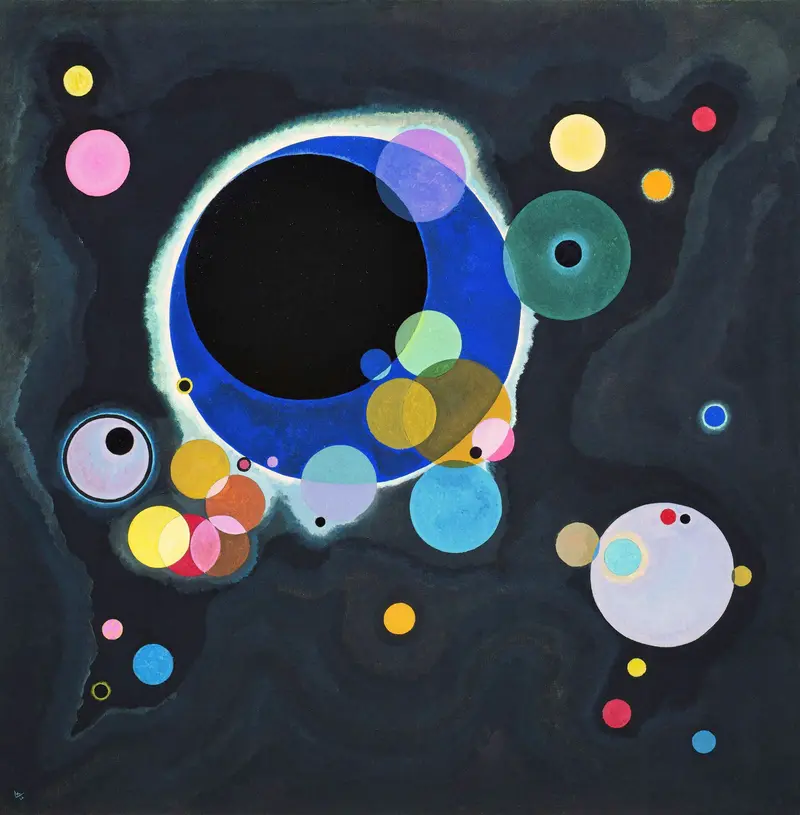
Several Circles
Wassily Kandinsky
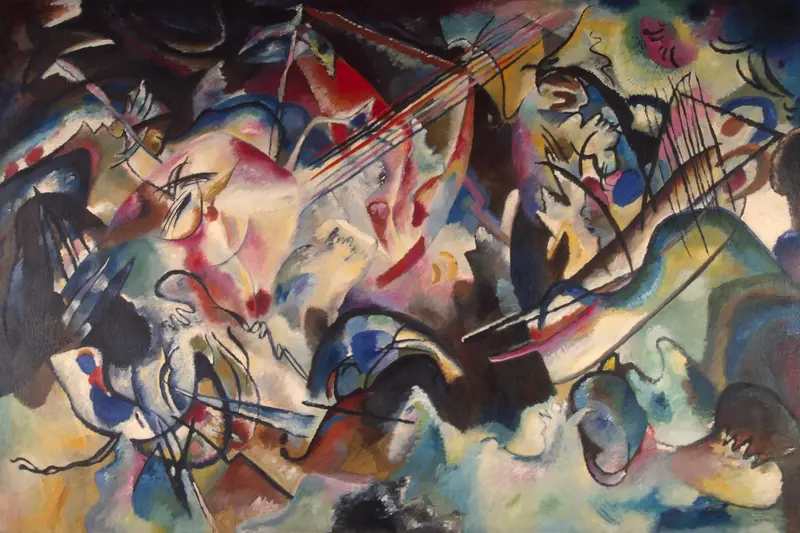
Composition VI
Wassily Kandinsky
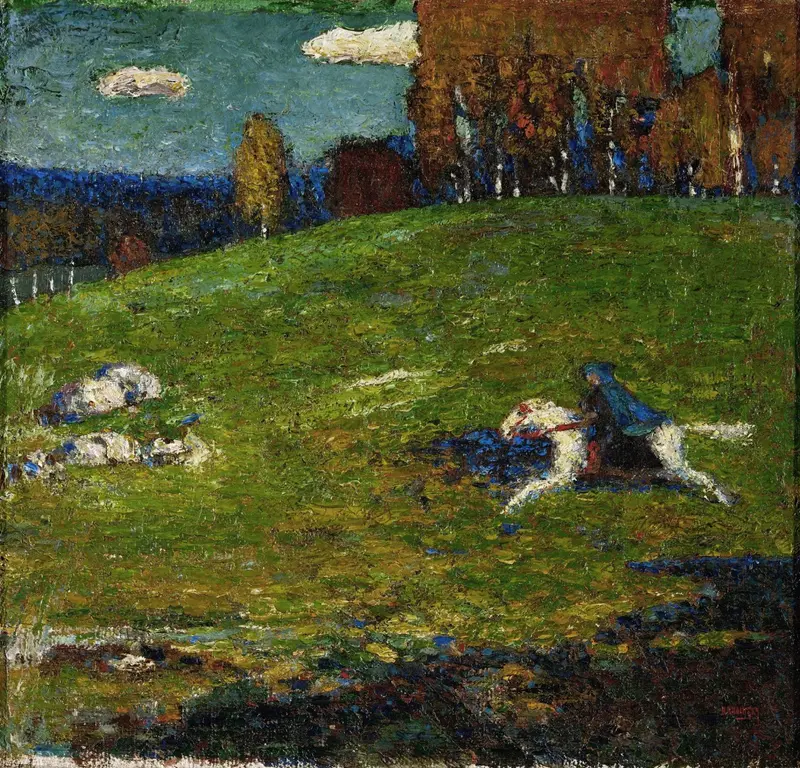
The Blue Rider
Wassily Kandinsky

Murnau
Wassily Kandinsky
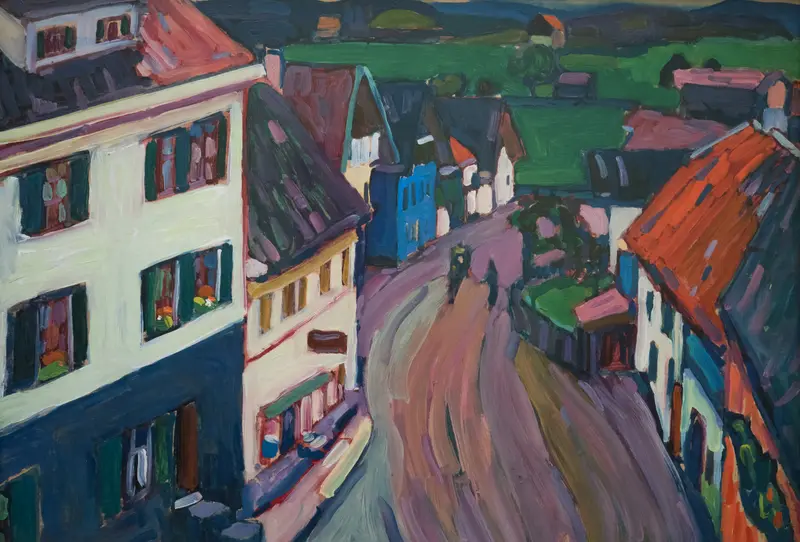
Murnau – View from the window of the Griesbräu
Wassily Kandinsky
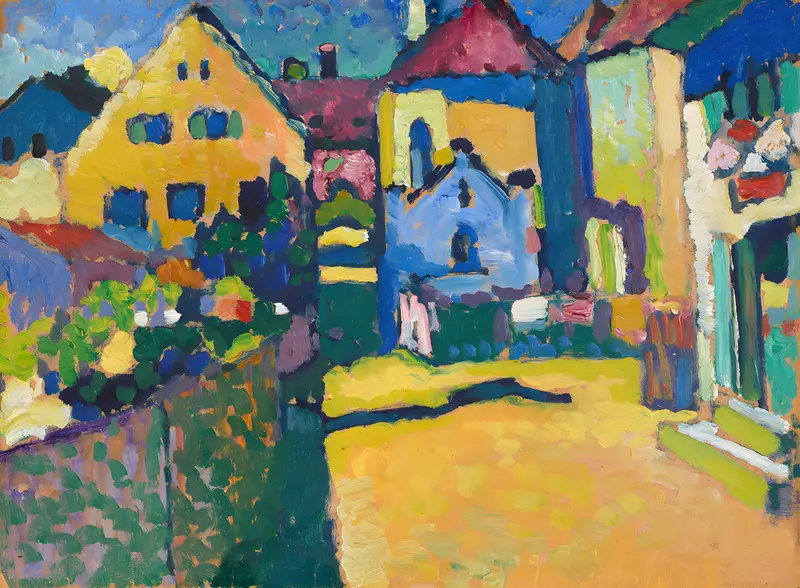
Green Lane in Murnau
Wassily Kandinsky
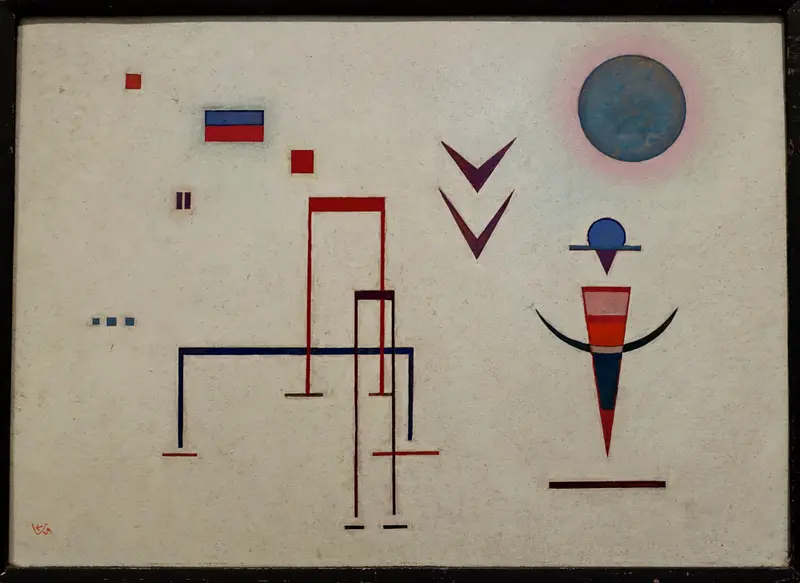
Jocular Sounds
Wassily Kandinsky

Zubovsky Platz
Wassily Kandinsky

Landscape with a yellow field
Wassily Kandinsky




