
The Blue Rider — History & Facts
A lone rider in a blue cloak moves across a sunlit green hillside on a white horse in The Blue Rider, painted by Wassily Kandinsky in 1903. The foreground is dominated by textured, impasto brushwork in tones of green, yellow, and blue, while two sheep rest on the grass to the left. The background features a line of slender trees with autumnal foliage and a blue sky with scattered clouds, rendered with short, expressive strokes. Painted in oil on canvas, this work demonstrates a transition in Kandinsky's style from representational landscape towards greater abstraction and expressive use of color.
The composition is structured around the diagonal movement of the rider, with the landscape built up from thick, layered paint that emphasizes surface texture. The palette is dominated by vivid greens and blues, with contrasting accents of white and ochre, creating a sense of movement and atmosphere. The Blue Rider was painted in 1903 and is in a private collection. The painting is an early example of themes and motifs that would later become central to Kandinsky's work and the Blue Rider group, though this piece predates the formal founding of the movement.
More Artworks by Wassily Kandinsky
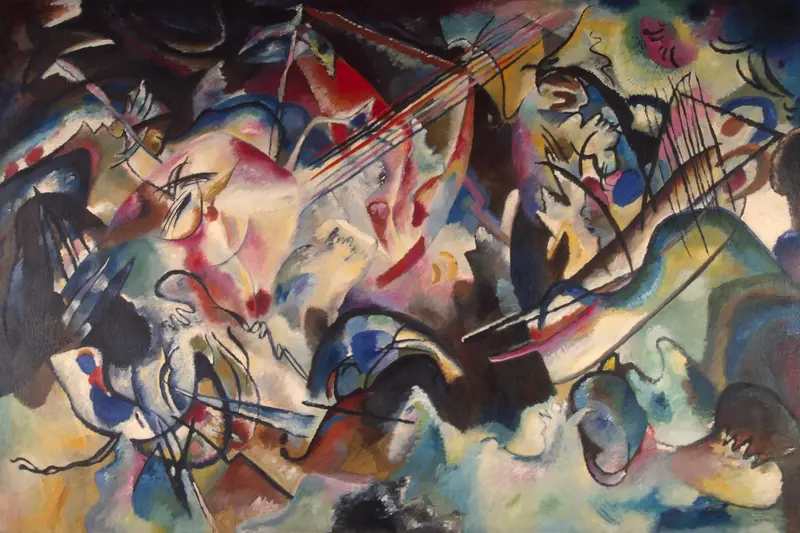
Composition VI
Wassily Kandinsky

Improvisation 35
Wassily Kandinsky
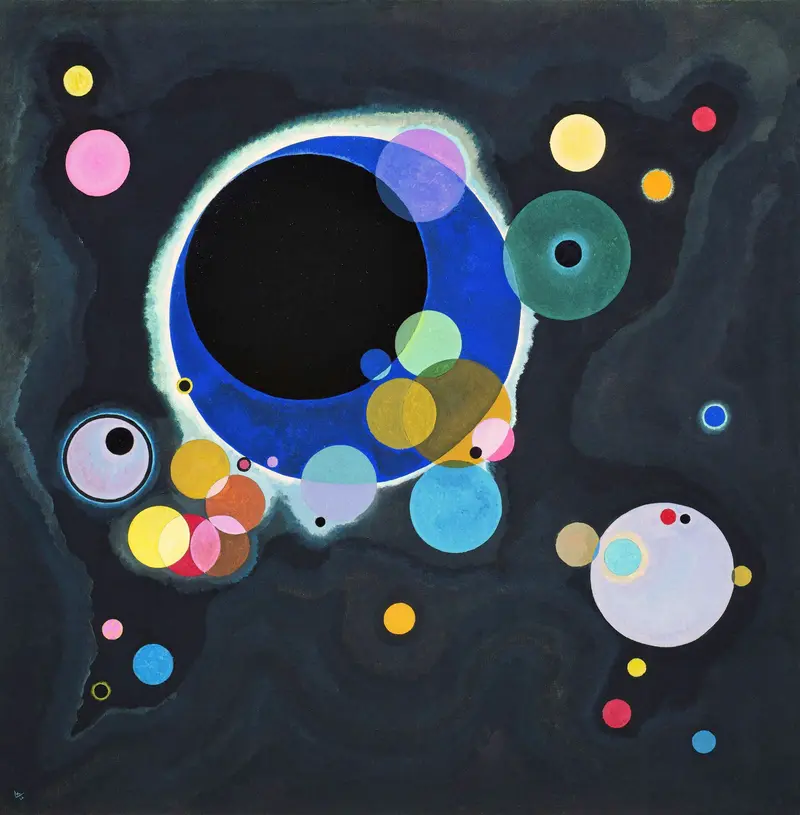
Several Circles
Wassily Kandinsky

Murnau
Wassily Kandinsky
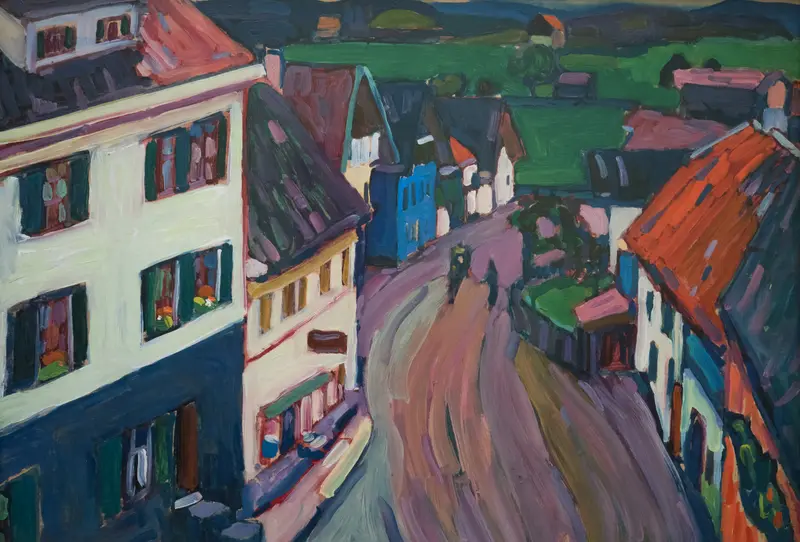
Murnau – View from the window of the Griesbräu
Wassily Kandinsky
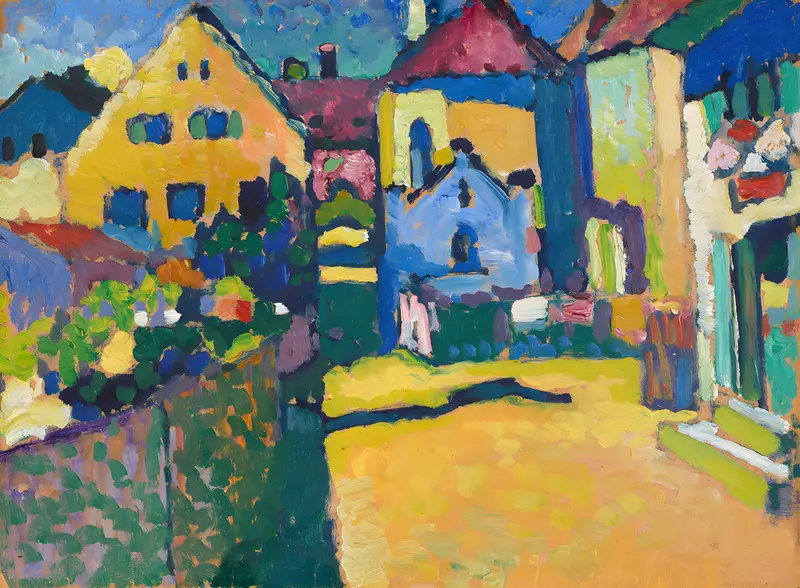
Green Lane in Murnau
Wassily Kandinsky
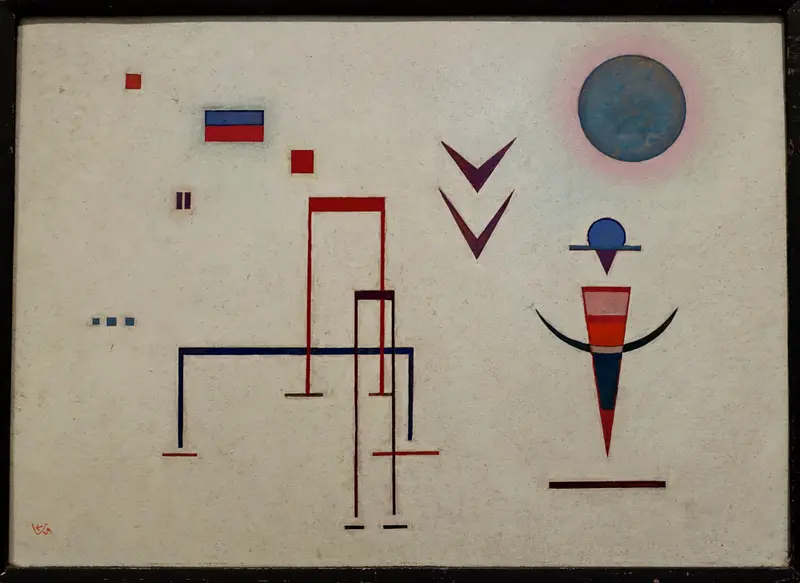
Jocular Sounds
Wassily Kandinsky

Zubovsky Platz
Wassily Kandinsky

Landscape with a yellow field
Wassily Kandinsky
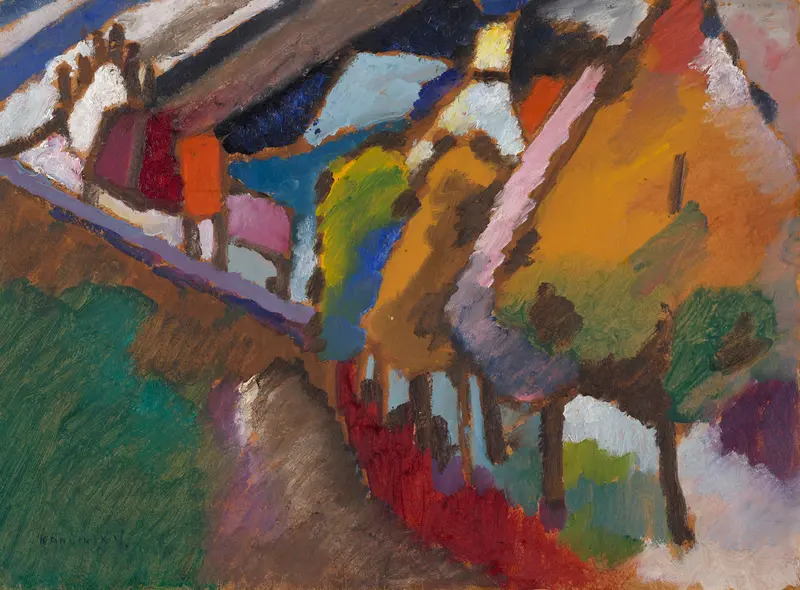
Murnau – Castle and Church
Wassily Kandinsky
More Landscape Art

The Starry Night
Vincent van Gogh

View of Delft
Johannes Vermeer

Water Lilies
Claude Monet

The Grand Canal, Venice, looking north-west from the Ca' Corner to the Ca' Contarini degli Scrigni, with the campanile of Santa Maria della Carità
Canaletto

Windsor Castle
Canaletto

The Grand Canal looking North-East from the Palazzo Dolfin-Manin to the Rialto Bridge
Canaletto