
Judith and Her Maidservant — History & Facts
Two women emerge from the darkness, their faces caught in a flicker of candlelight, as if the secret they share is too dangerous for the full light of day. One, with hair delicately curled and a dress gathered at the sleeve, leans forward in tense concentration; the other, wrapped in a white turban, grips a severed head and a burning taper, her arm steady and resolute. The shock of the scene is not in violence but in intimacy—this is a moment of silent conspiracy, the aftermath of a deed that has left both women changed.
The artist draws the viewer in with the sharp contrast of light and shadow, forcing the eye to follow the line of the candle, the glint on the blade, the subtle unease in the women's expressions. Every detail—the careful rendering of fabric, the gentle clasp of fingers—serves to heighten the sense of immediacy and complicity. Works like this, painted in the early sixteenth century, belong to a world where biblical heroines such as Judith were celebrated for their courage and cunning. In Renaissance Italy, such scenes were popular among private collectors, who sought both moral lessons and the thrill of dramatic storytelling rendered in oil and tempera.
Artists like Correggio were admired for their ability to transform familiar tales into psychological dramas, using light not just to illuminate forms but to reveal states of mind. This particular painting, documented as scanned in 2010, stands apart for its quiet suspense and the way it withholds as much as it reveals. Look again at the interplay of gazes and gestures—the story is not finished, and the darkness might yet yield more.
More Artworks by Antonio da Correggio

Virgin and Child with the Young Saint John the Baptist
Antonio da Correggio
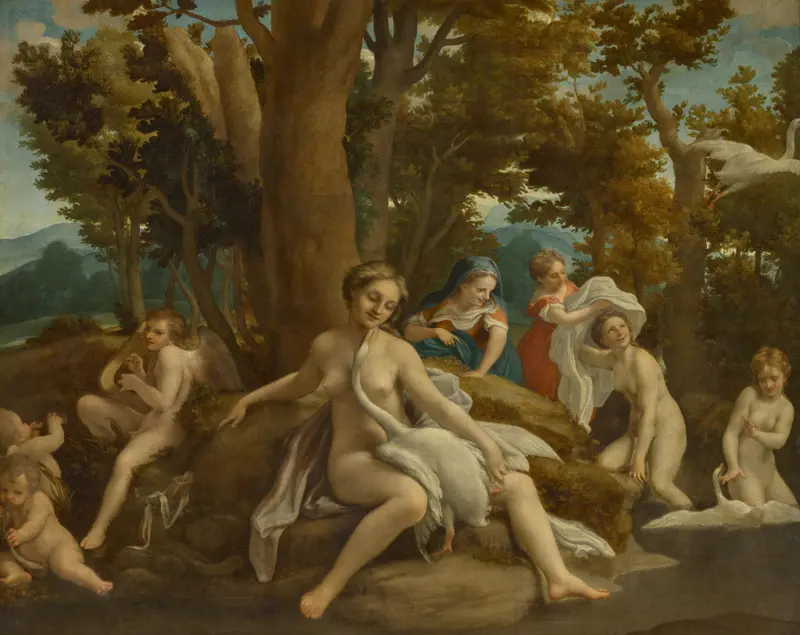
Leda and the Swan
Antonio da Correggio
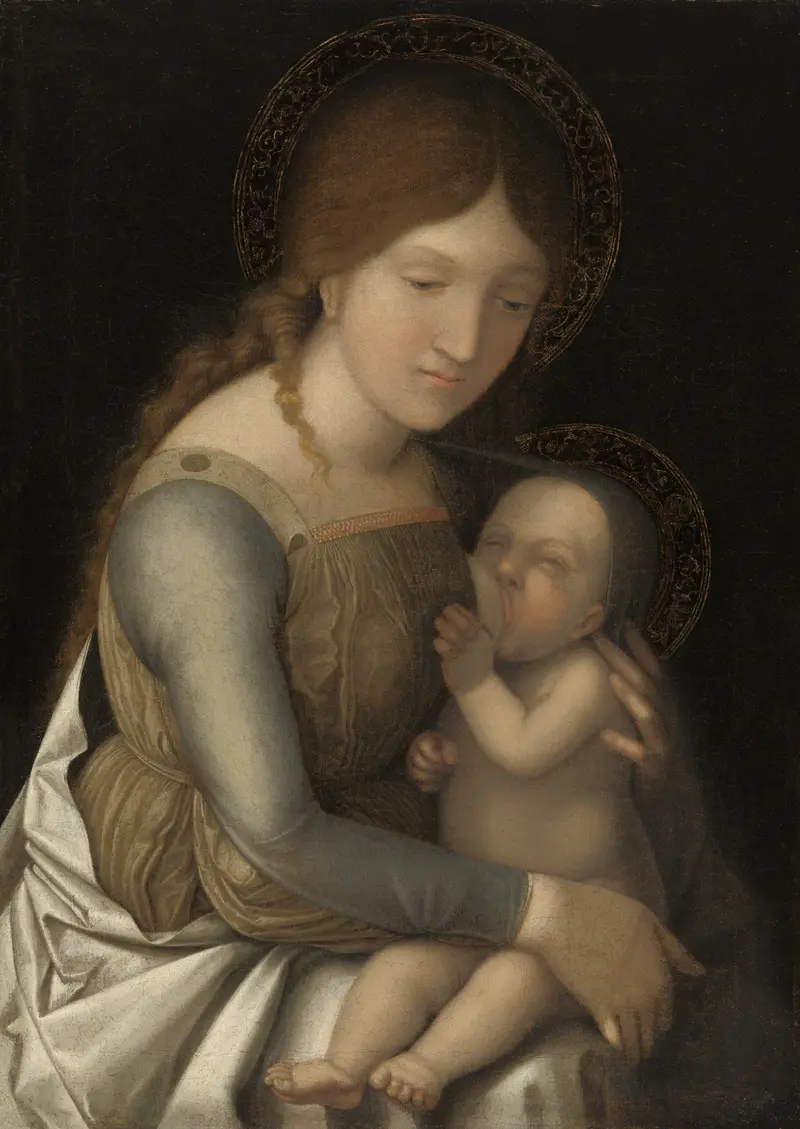
Madonna and Child
Antonio da Correggio
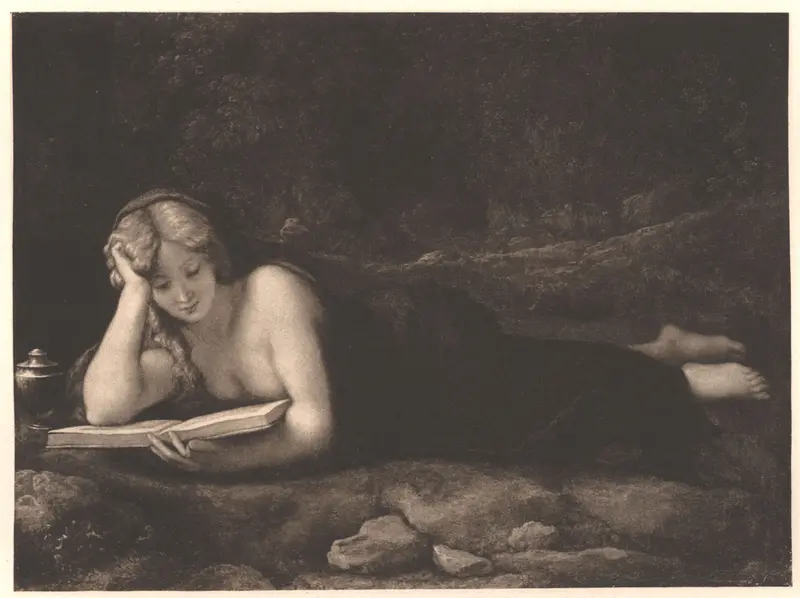
Penitent Magdalene
Antonio da Correggio
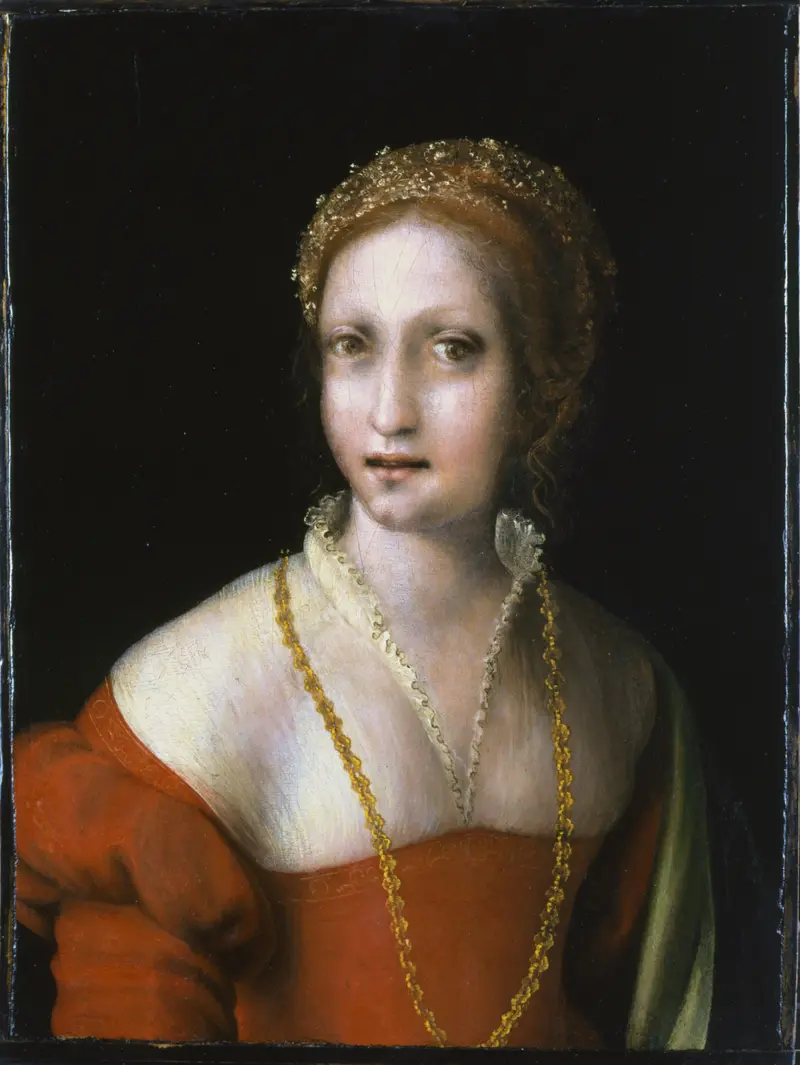
Portrait of a Young Girl
Antonio da Correggio
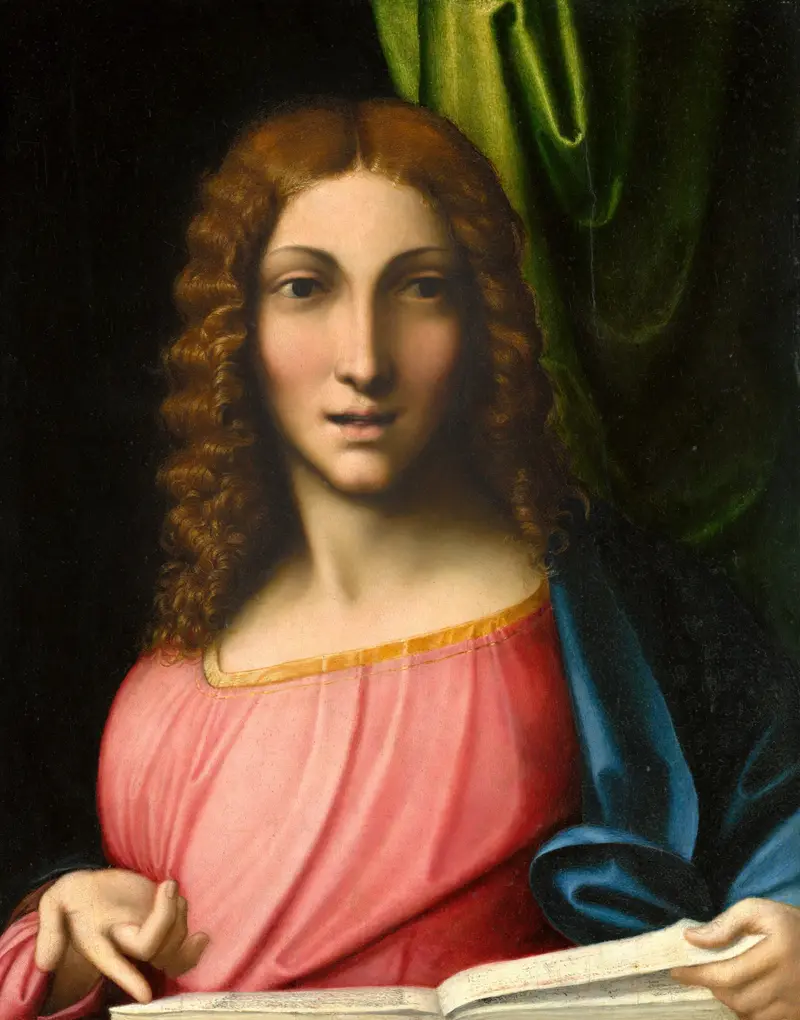
Christ in the Temple
Antonio da Correggio

Nativity
Antonio da Correggio
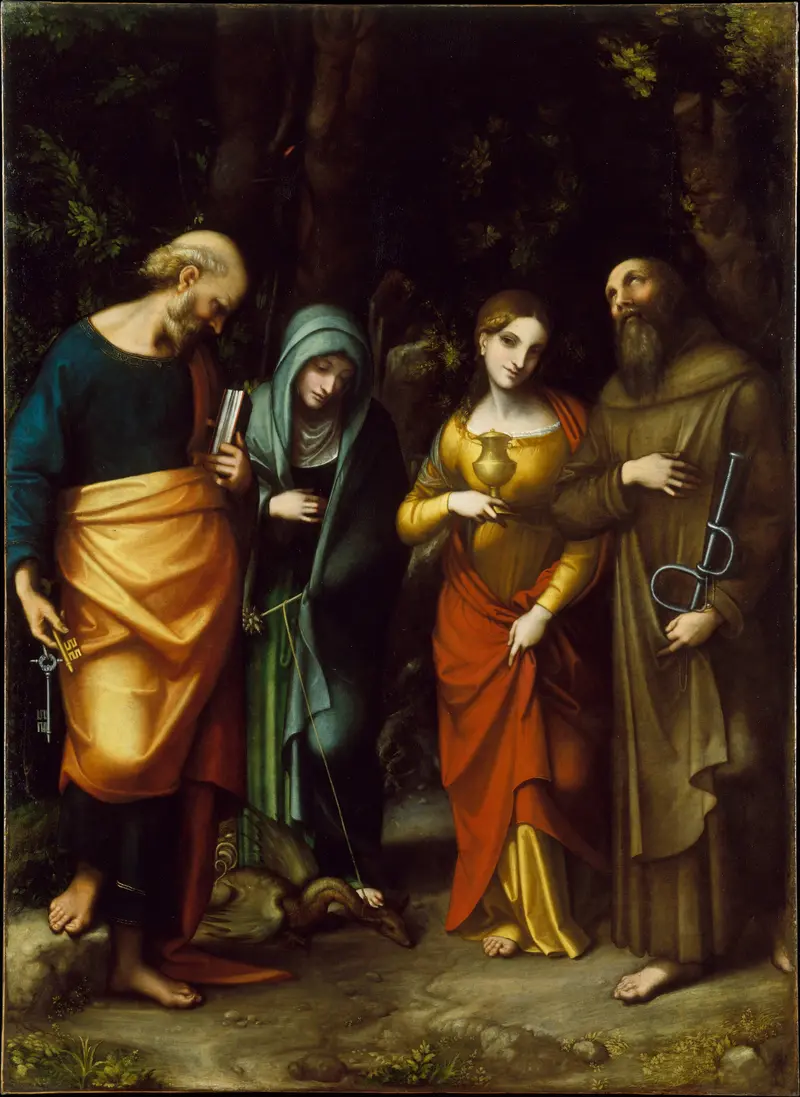
Saints Peter, Martha, Mary Magdalen, and Leonard
Antonio da Correggio
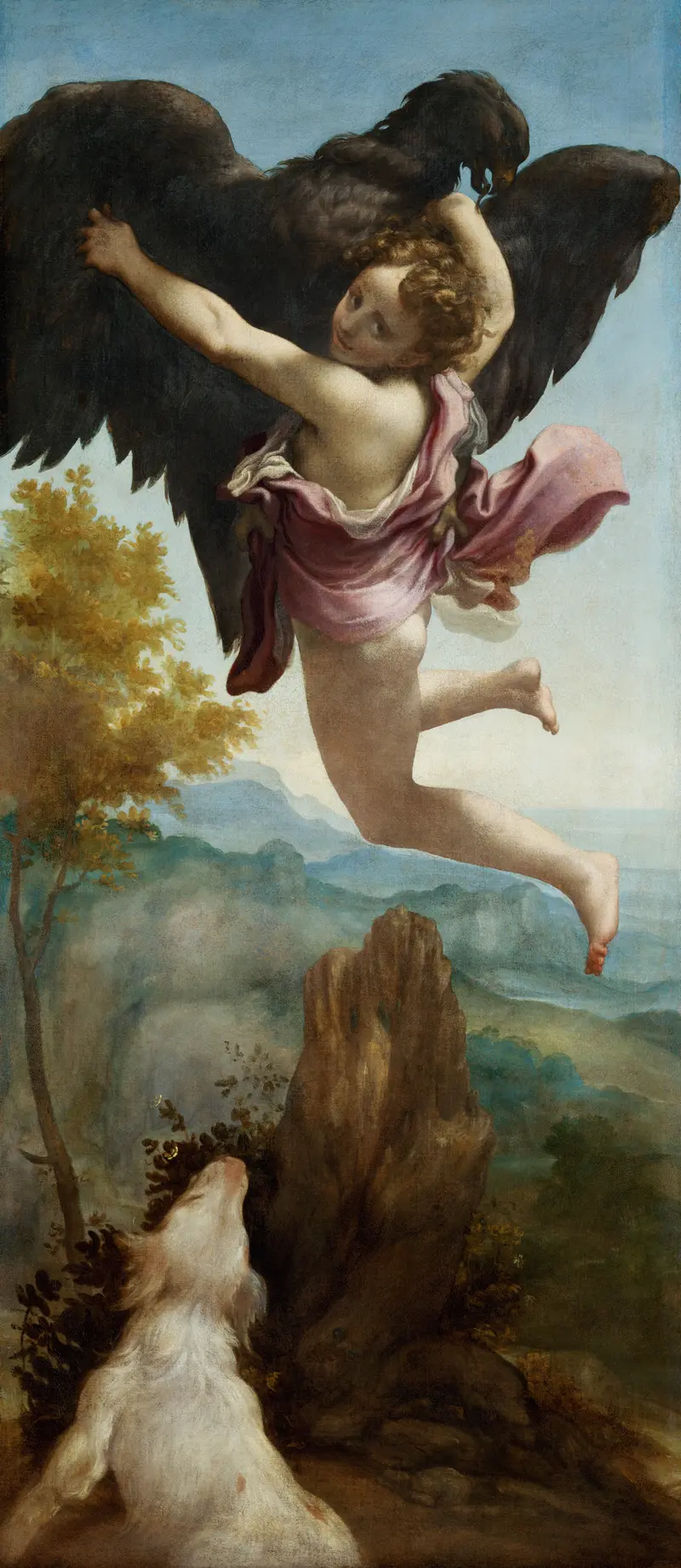
The Loves of Jupiter
Antonio da Correggio

Study for the "Madonna della Scodella" [recto]
Antonio da Correggio





