Study for the "Madonna della Scodella" [recto] — History & Facts
A swirl of movement and clouds pulls the viewer instantly into the heart of Study for the Madonna della Scodella [recto], where figures seem to emerge and dissolve in a haze of sepia and ink. The eye is drawn first to the seated woman in the foreground, cradling a child and offering a bowl—her gesture both tender and purposeful, as if caught in the act of nurturing. Above and around her, other figures reach upward, their arms outstretched toward a burst of cherubic forms and billowing clouds that dominate the upper half of the scene.
The artist’s rapid, fluid lines and washes of brown ink suggest a world in flux, a moment suspended between earth and heaven, where the sacred and the everyday intermingle. Created in 1523/1524, this drawing belongs to the early sixteenth century, a period when artists like Antonio da Correggio experimented with dynamic compositions and atmospheric effects to heighten the emotional impact of religious narratives. Such preparatory studies were essential tools in the Renaissance workshop, serving both as explorations of composition and as persuasive presentations for patrons. The loose, searching quality of the lines here reveals the artist’s hand at work, probing for the right balance of gesture and space.
Now held by the National Gallery of Art and made available through their open access initiative, this study invites us to imagine the creative process behind the finished altarpieces that once shaped the visual culture of churches and chapels. The unfinished energy of the drawing encourages the viewer to linger, searching for the story still unfolding in its lines.
More Artworks by Antonio da Correggio

Virgin and Child with the Young Saint John the Baptist
Antonio da Correggio
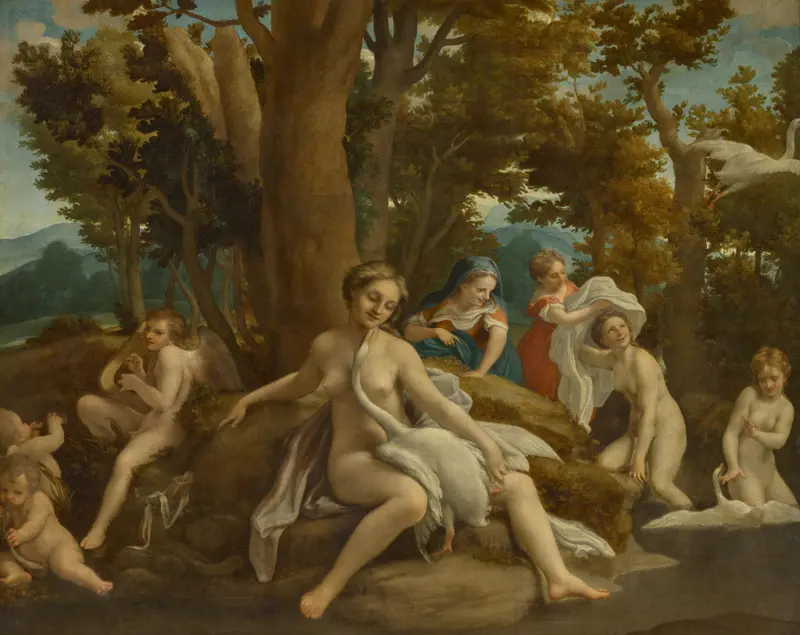
Leda and the Swan
Antonio da Correggio
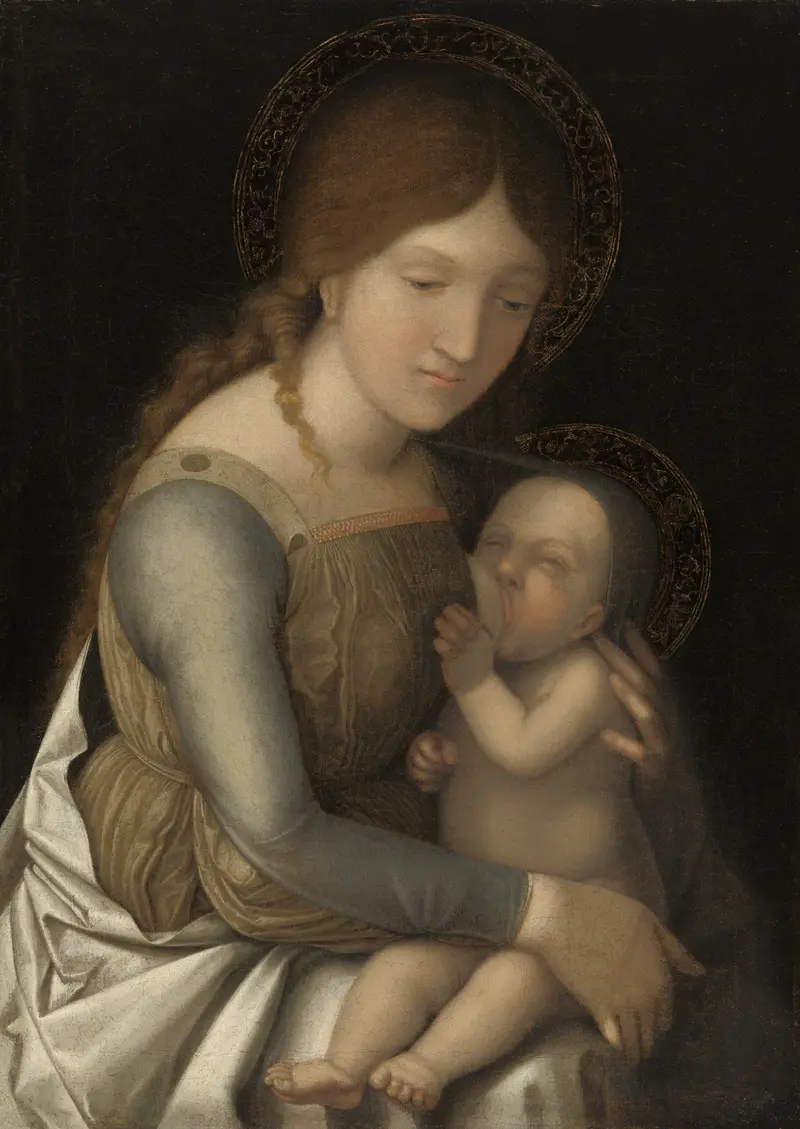
Madonna and Child
Antonio da Correggio
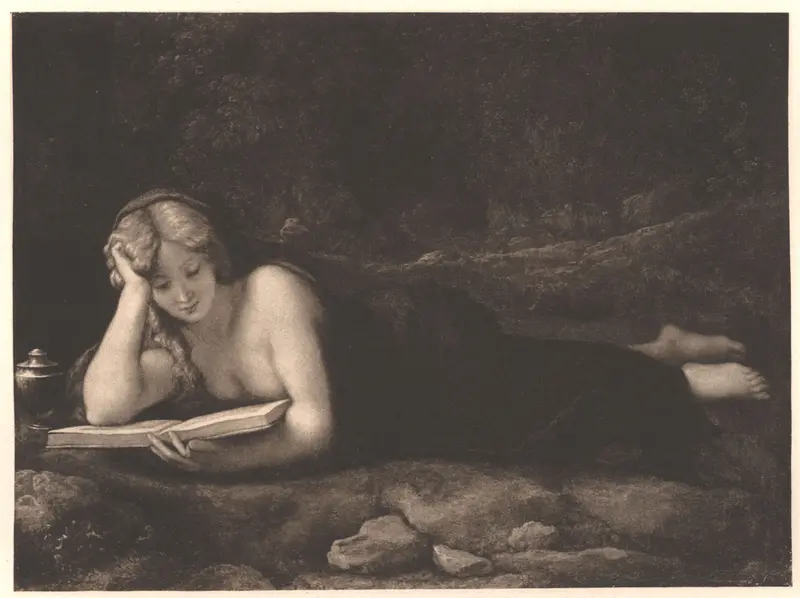
Penitent Magdalene
Antonio da Correggio
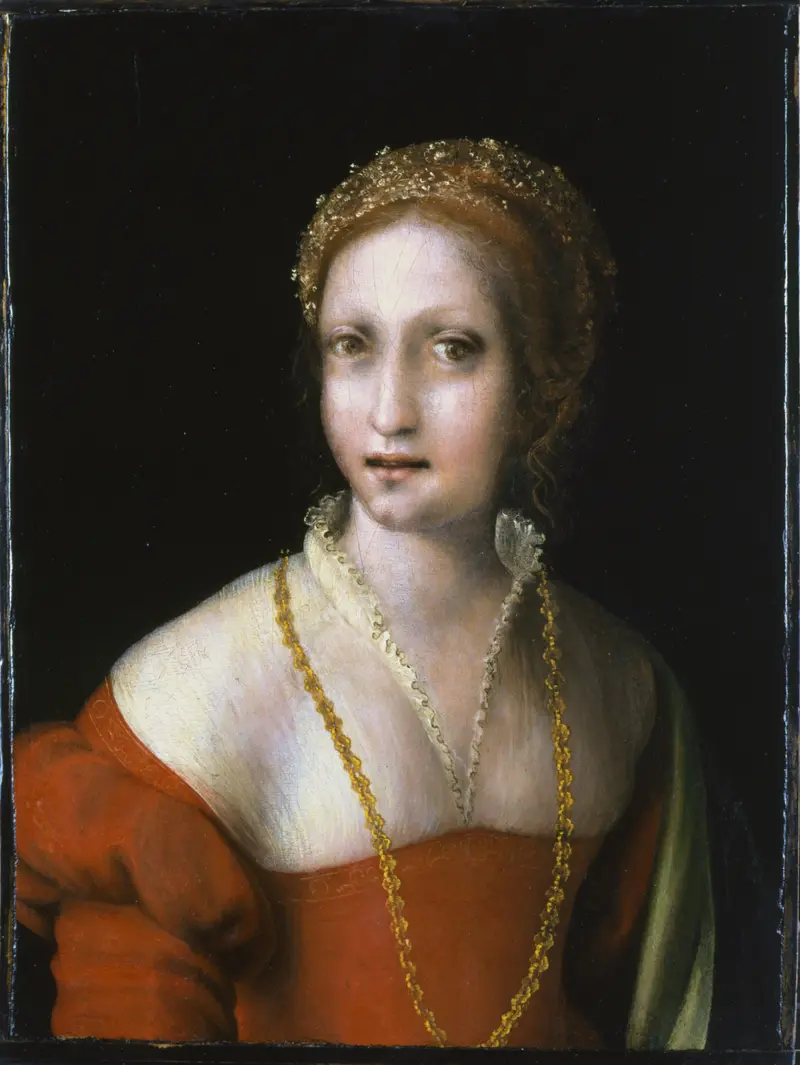
Portrait of a Young Girl
Antonio da Correggio
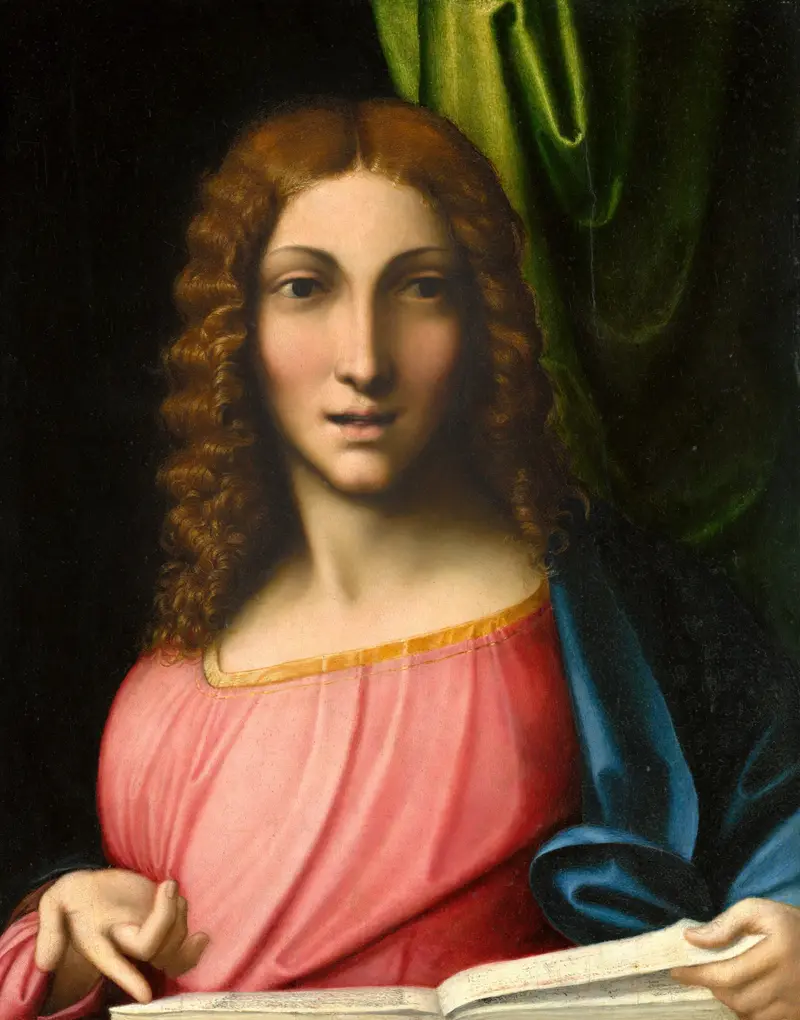
Christ in the Temple
Antonio da Correggio

Nativity
Antonio da Correggio
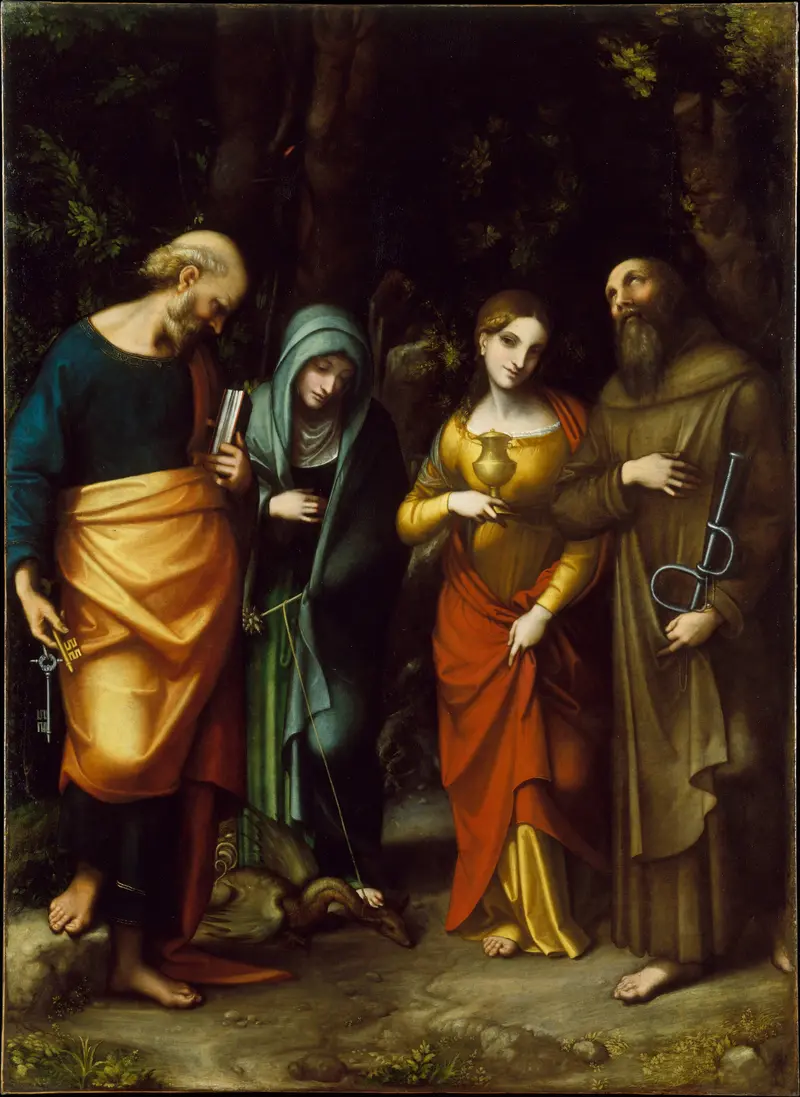
Saints Peter, Martha, Mary Magdalen, and Leonard
Antonio da Correggio
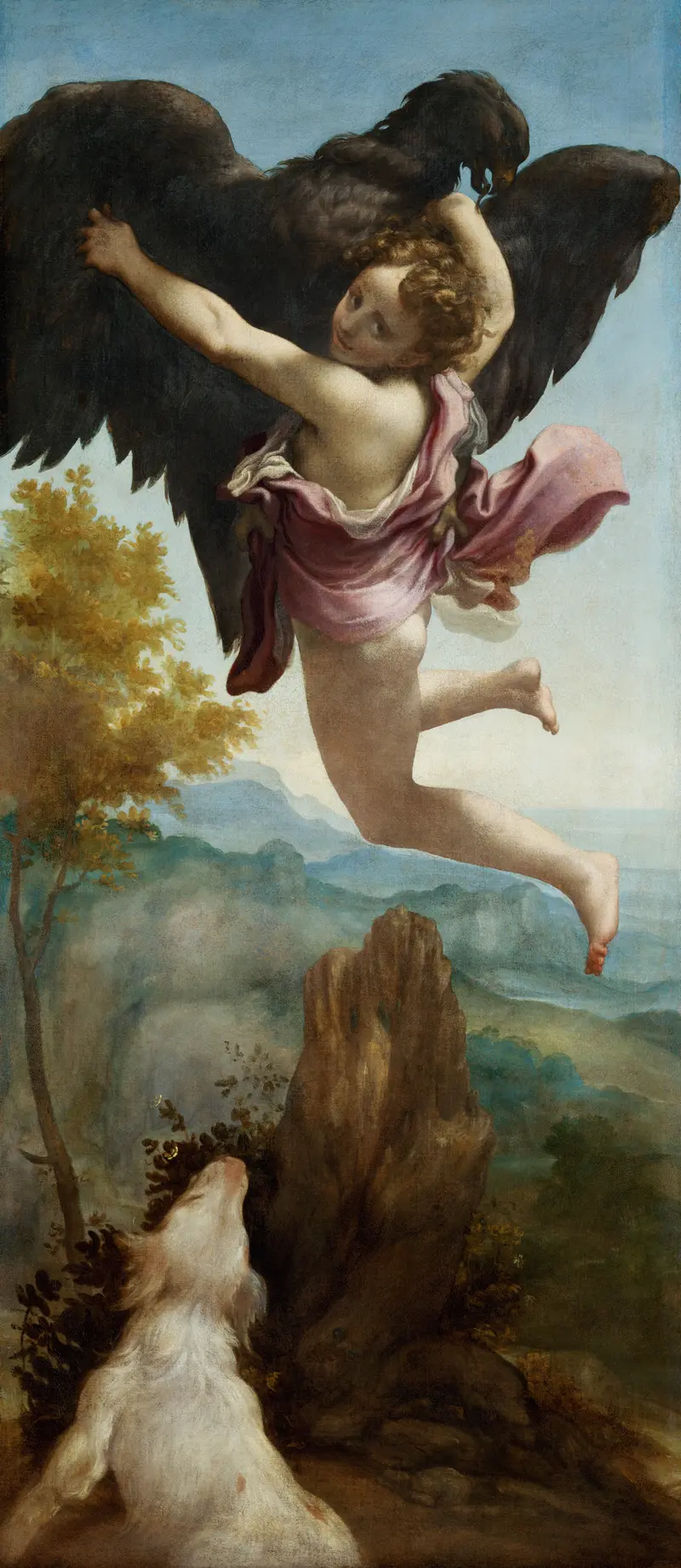
The Loves of Jupiter
Antonio da Correggio
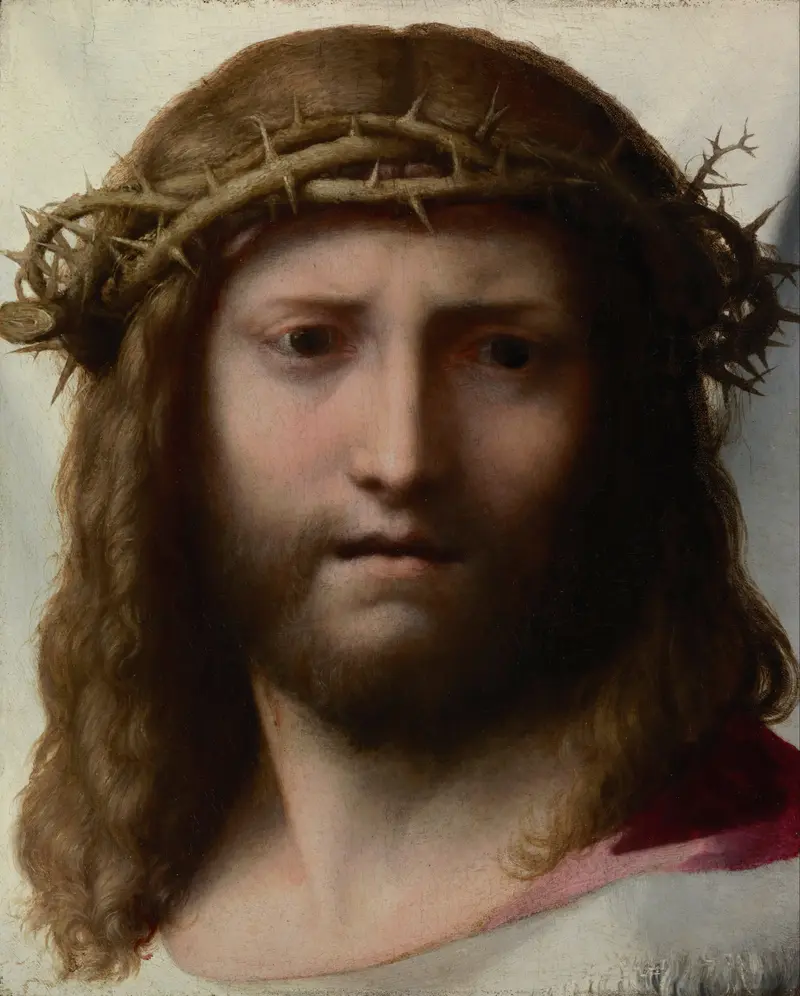
Head of Christ
Antonio da Correggio