
Madonna and Child — History & Facts
The first thing that draws the eye in Madonna and Child is the quiet, almost private tenderness between mother and child. The Madonna’s gaze falls gently, not outward but down toward the infant in her arms, her lips set in a soft, contemplative line. The Christ Child, nestled close, suckles his thumb in a gesture so ordinary it feels drawn from daily life rather than legend.
The halos, delicately inscribed in gold, hover like whispered reminders of divinity, but it is the human closeness—her hand cradling his back, his small fingers curling against her—that commands attention. Light falls softly across their faces, heightening the pale clarity of their skin against the deep, enveloping darkness behind, and the folds of her gown lead the viewer’s gaze in a gentle spiral back to the point of contact between mother and child. Painted in the early 1500s, this work belongs to a world where images of the Madonna and Child were both objects of devotion and demonstrations of artistic innovation. In the Italy of Correggio, such paintings were often commissioned for private chapels or homes, intended to inspire prayer and reflection.
The Renaissance brought a new sensitivity to the depiction of sacred figures, blending the spiritual with the everyday, and artists like Correggio became known for their ability to infuse familiar religious themes with warmth and immediacy. While little is recorded about this specific painting beyond its presence in the Correggio Art Home collection and its sixteenth-century date, its quiet intimacy invites the viewer to linger, searching for the human heart within the sacred story.
More Artworks by Antonio da Correggio

Virgin and Child with the Young Saint John the Baptist
Antonio da Correggio
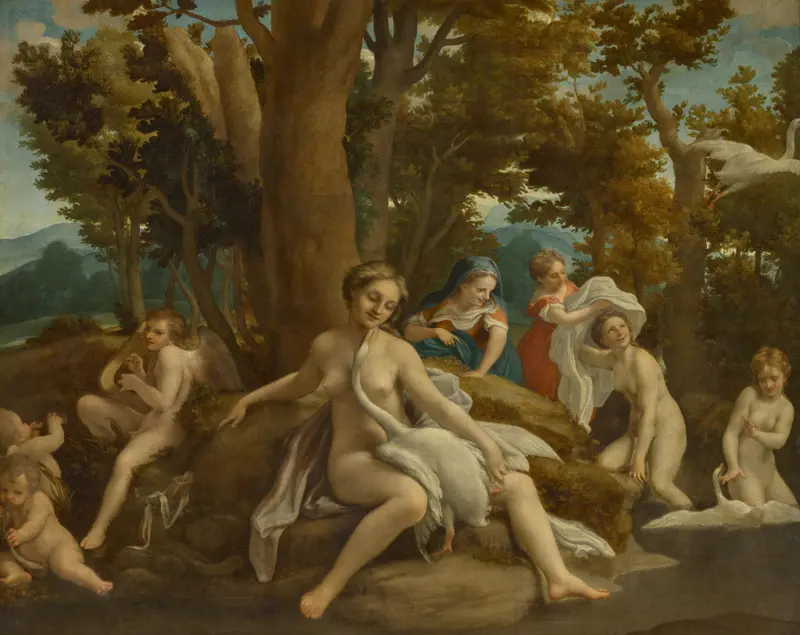
Leda and the Swan
Antonio da Correggio
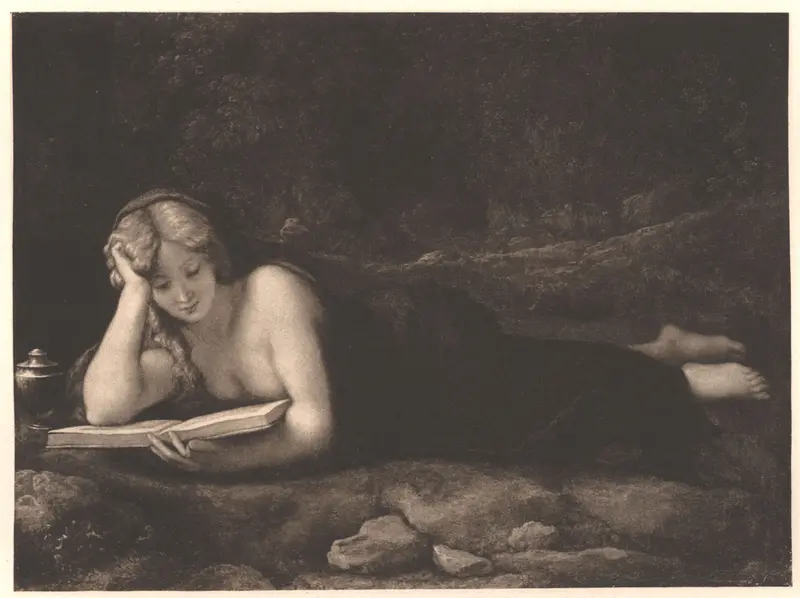
Penitent Magdalene
Antonio da Correggio
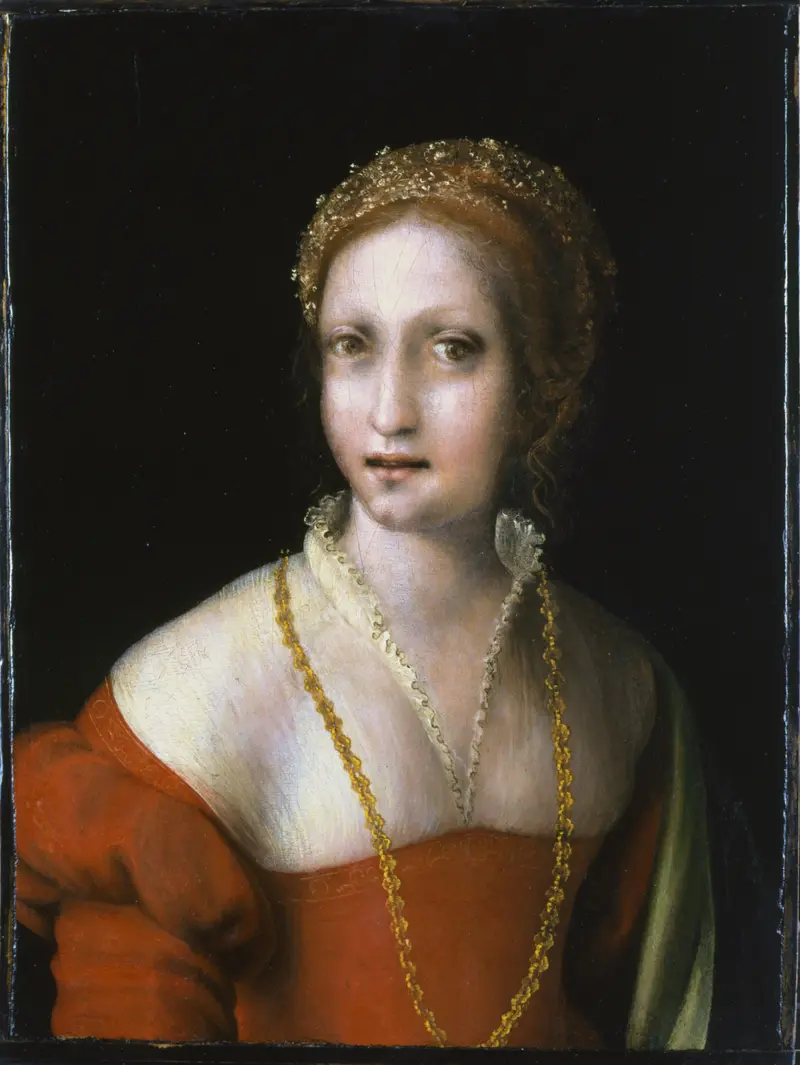
Portrait of a Young Girl
Antonio da Correggio
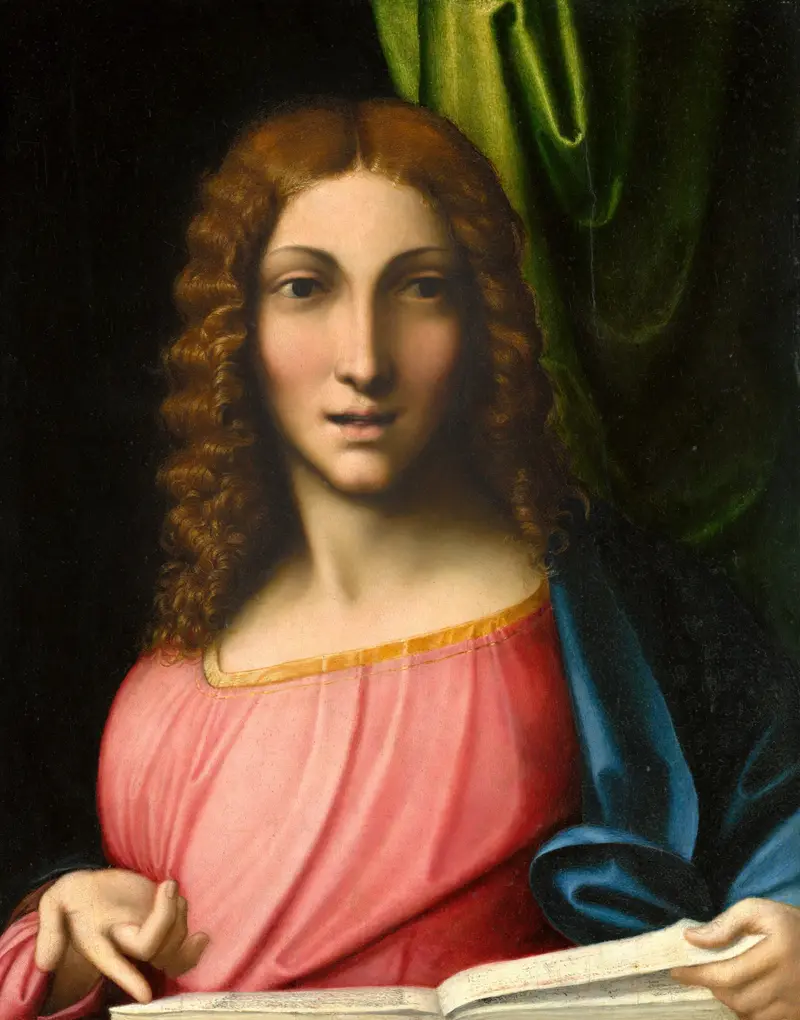
Christ in the Temple
Antonio da Correggio

Nativity
Antonio da Correggio
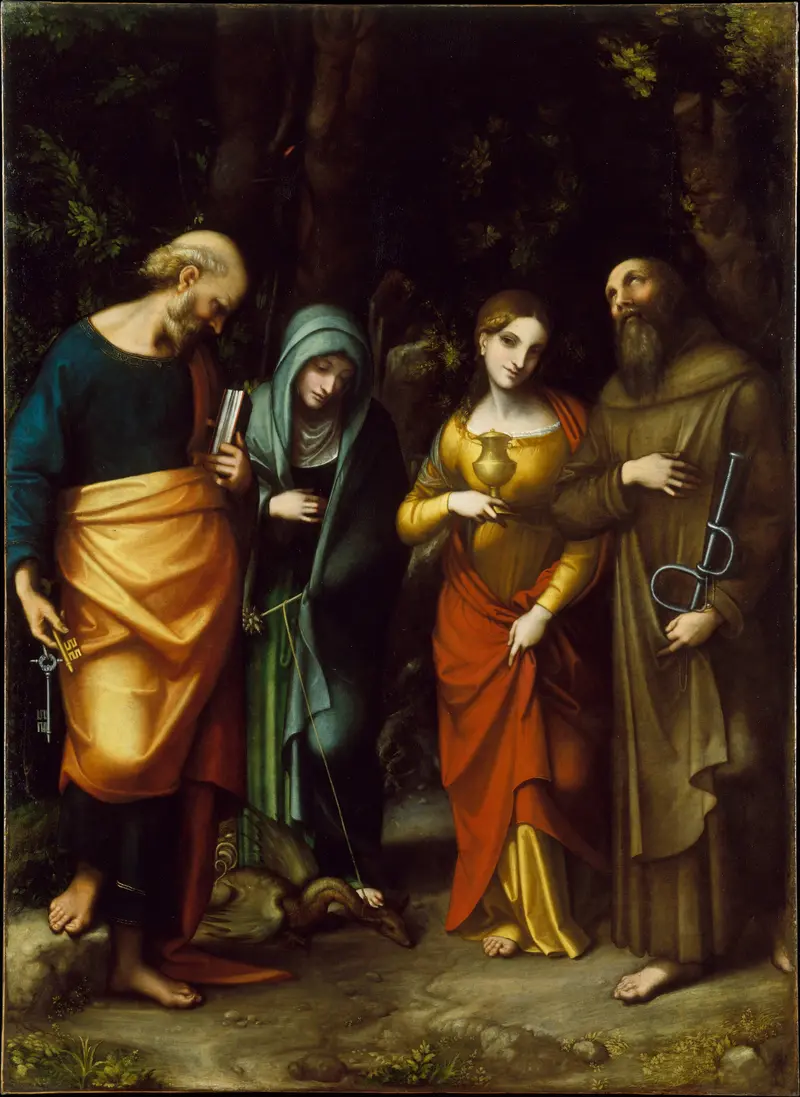
Saints Peter, Martha, Mary Magdalen, and Leonard
Antonio da Correggio
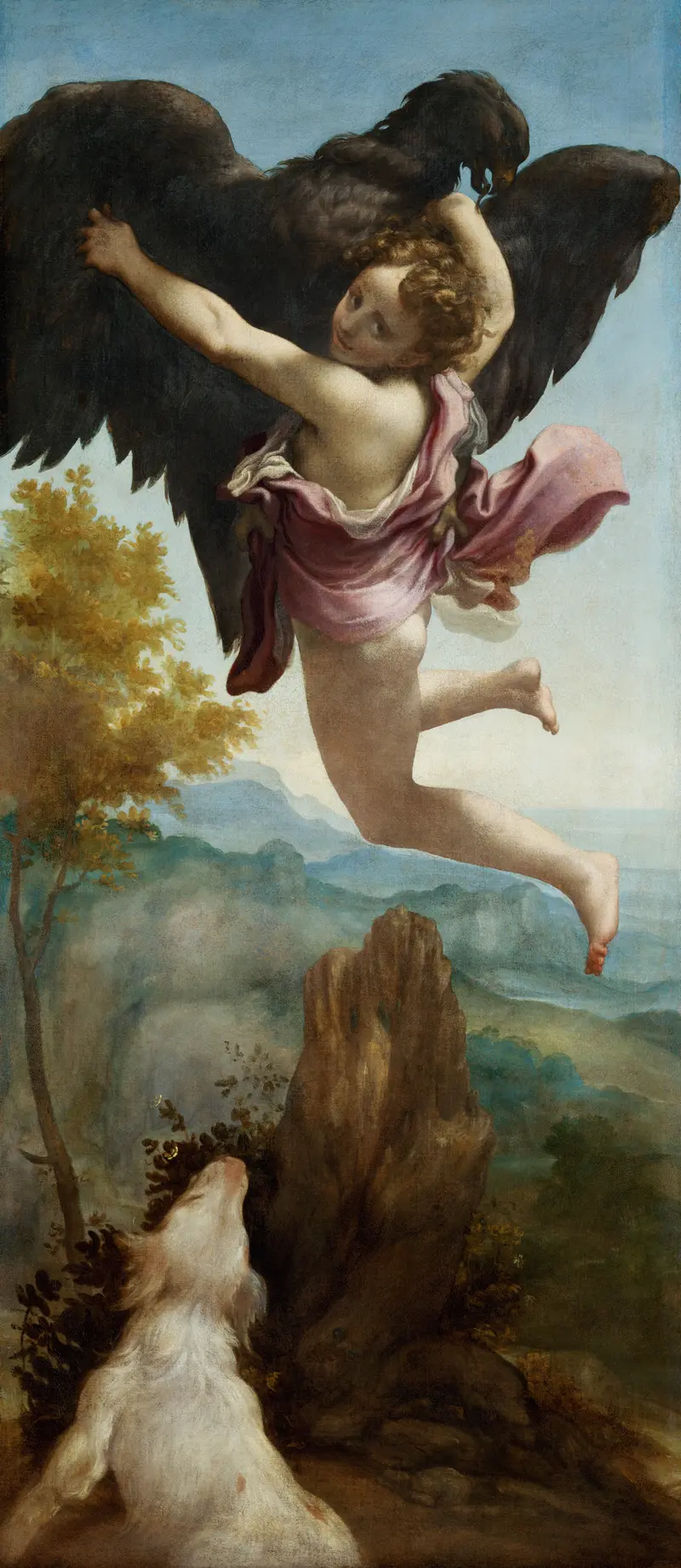
The Loves of Jupiter
Antonio da Correggio

Study for the "Madonna della Scodella" [recto]
Antonio da Correggio
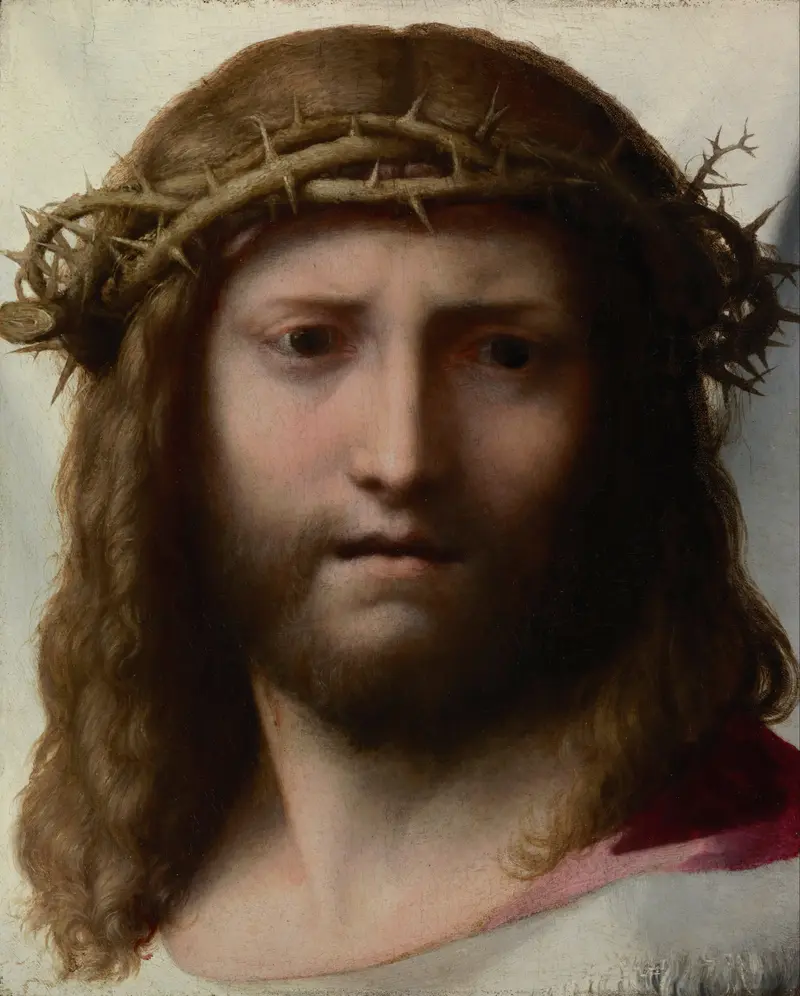
Head of Christ
Antonio da Correggio





