
Leda and the Swan — History & Facts
The first thing that seizes the eye in Leda and the Swan is the gentle, almost conspiratorial intimacy between woman and bird at the painting’s center. The swan’s long neck curves gracefully along Leda’s bare shoulder, its white feathers luminous against her skin, while her own posture is both yielding and self-possessed. Around her, a lively gathering of women and children—some lost in their own games, others casting knowing glances—creates a sense of shared secrecy.
The light, filtered through a dense canopy, draws the viewer’s gaze from the playful cherubs at the water’s edge to the central pair, then outward to the lush, enveloping landscape. Every gesture and glance is choreographed to invite the viewer into a mythic moment suspended between innocence and intrigue. This painting belongs to a tradition of Renaissance mythologies that delighted in the sensual and the enigmatic. In early sixteenth-century Italy, stories from Ovid and ancient myth were revived not just for their drama, but for their invitation to explore beauty, desire, and the powers of transformation.
Works like this were often commissioned by wealthy patrons for private spaces, where the mingling of pagan subject matter and exquisite technique could be savored away from public scrutiny. Created in 1532, Leda and the Swan now resides in the Staatliche Museen zu Berlin, a reminder of how artists like Correggio used myth to explore the boundaries of the visible and the hidden. The painting’s soft light and playful figures still beckon us to look closer, searching for secrets in the glimmer of water and the curve of a wing.
More Artworks by Antonio da Correggio

Virgin and Child with the Young Saint John the Baptist
Antonio da Correggio
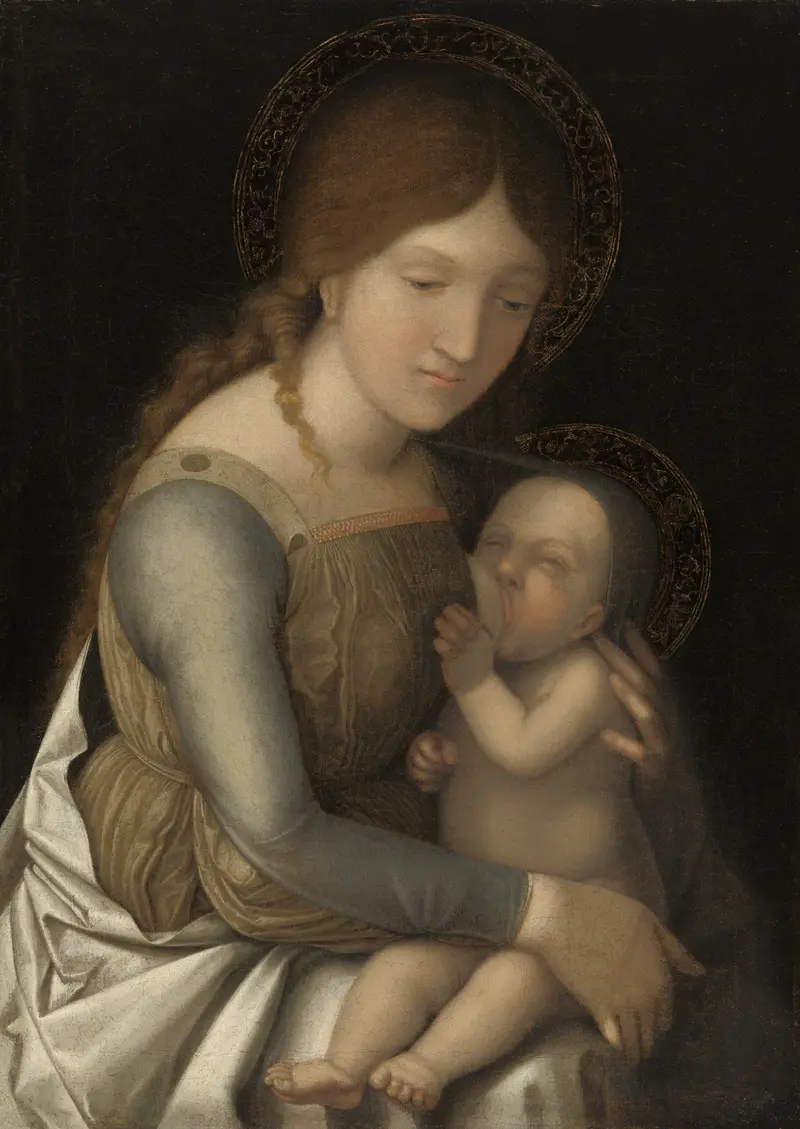
Madonna and Child
Antonio da Correggio
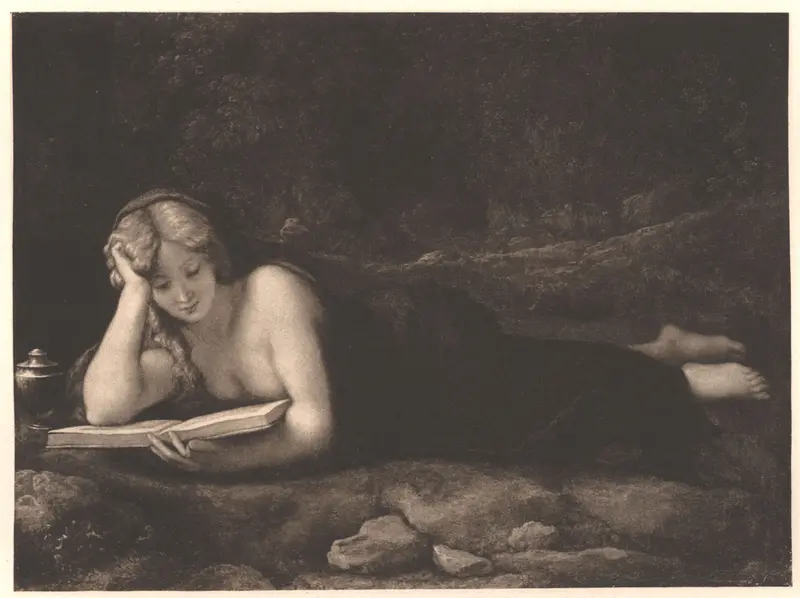
Penitent Magdalene
Antonio da Correggio
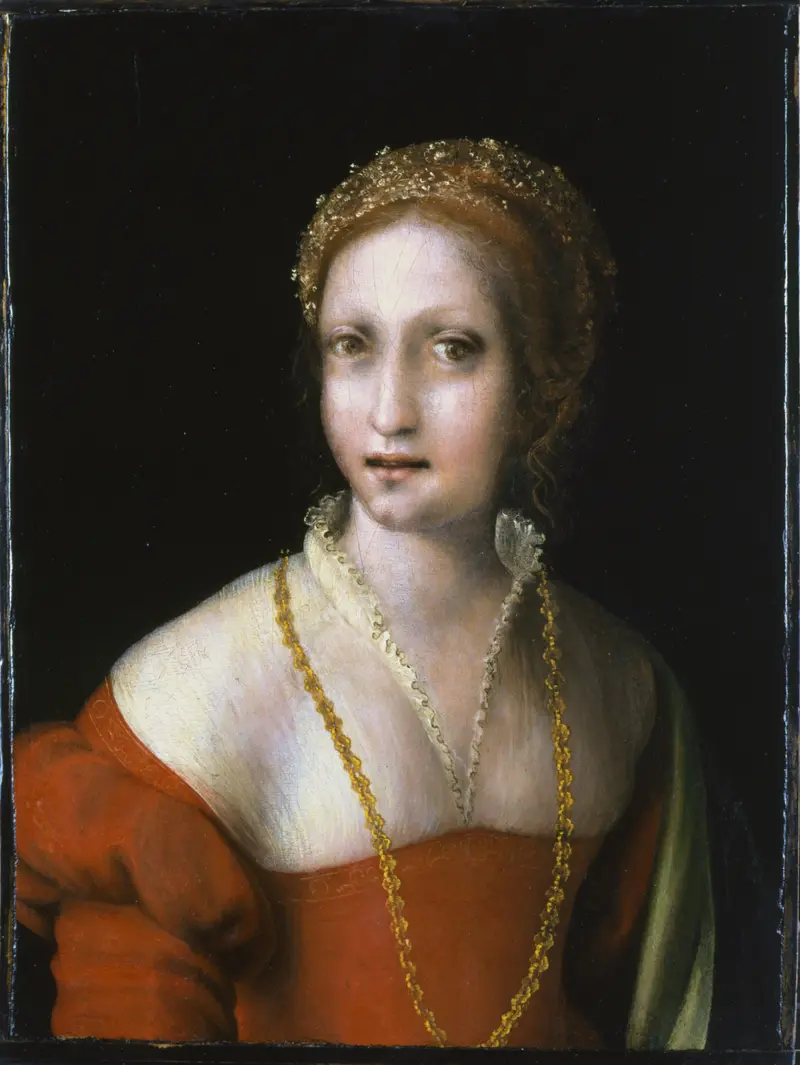
Portrait of a Young Girl
Antonio da Correggio
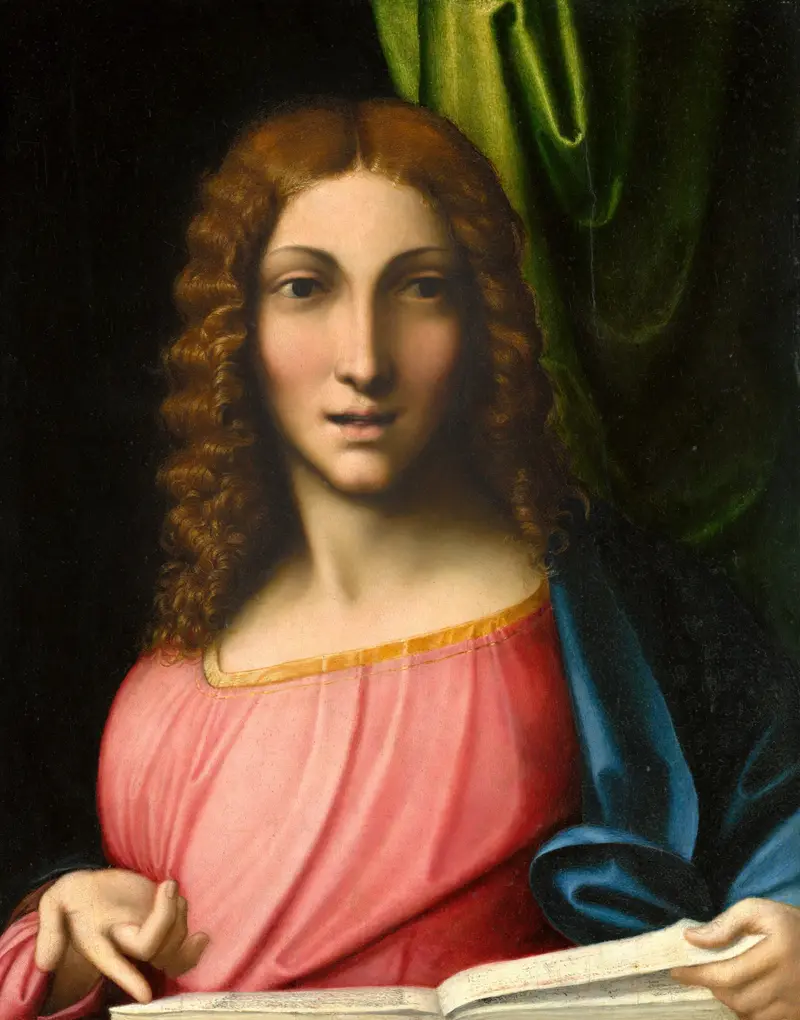
Christ in the Temple
Antonio da Correggio

Nativity
Antonio da Correggio
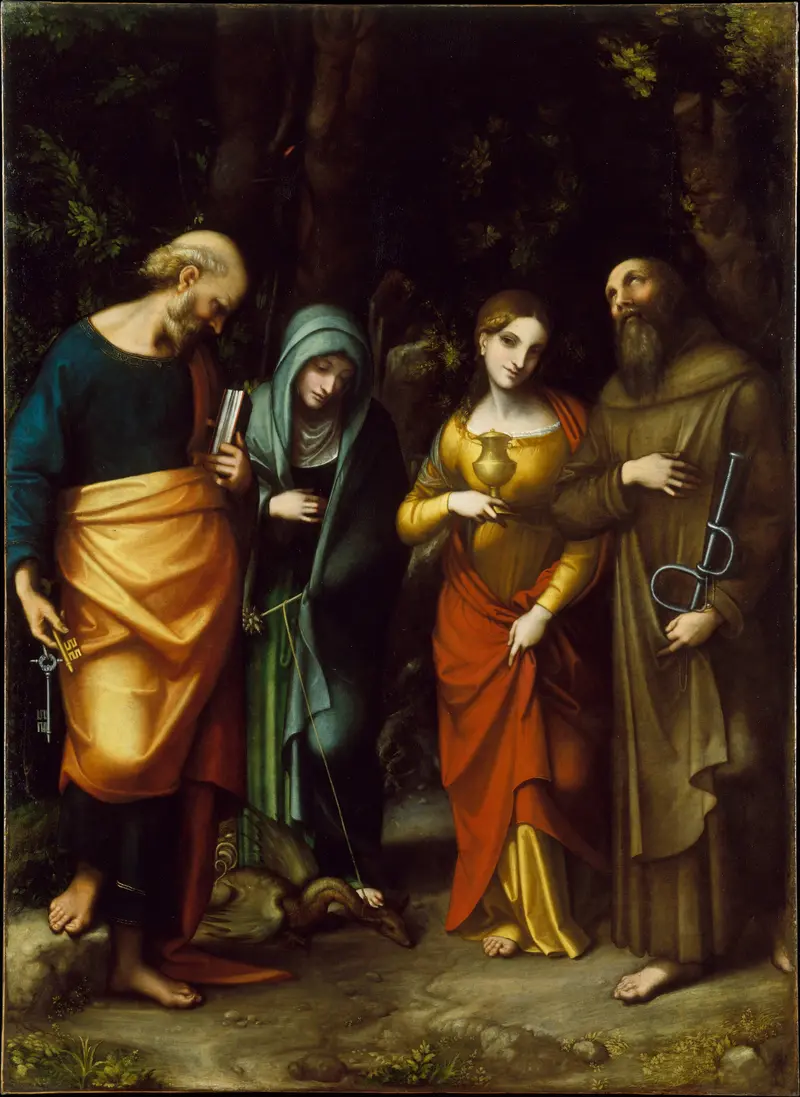
Saints Peter, Martha, Mary Magdalen, and Leonard
Antonio da Correggio
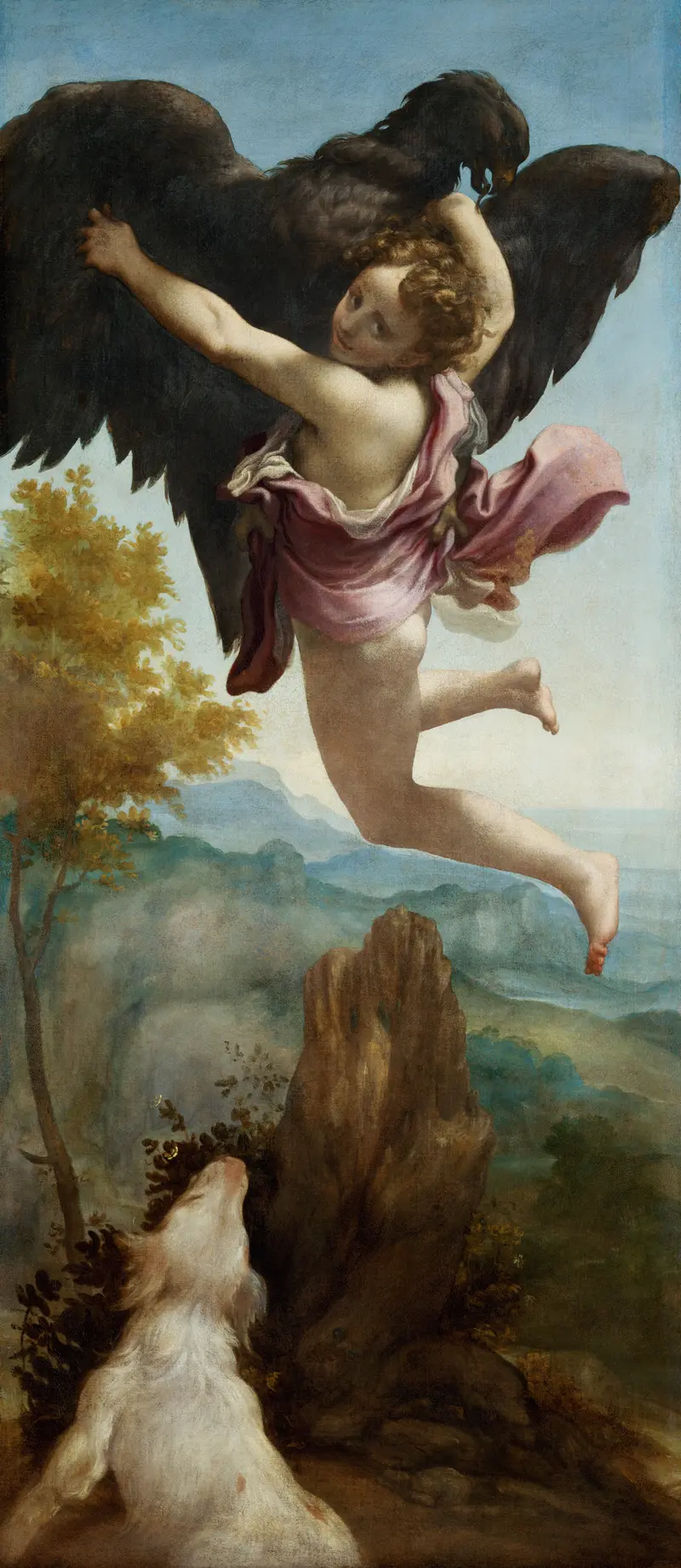
The Loves of Jupiter
Antonio da Correggio

Study for the "Madonna della Scodella" [recto]
Antonio da Correggio
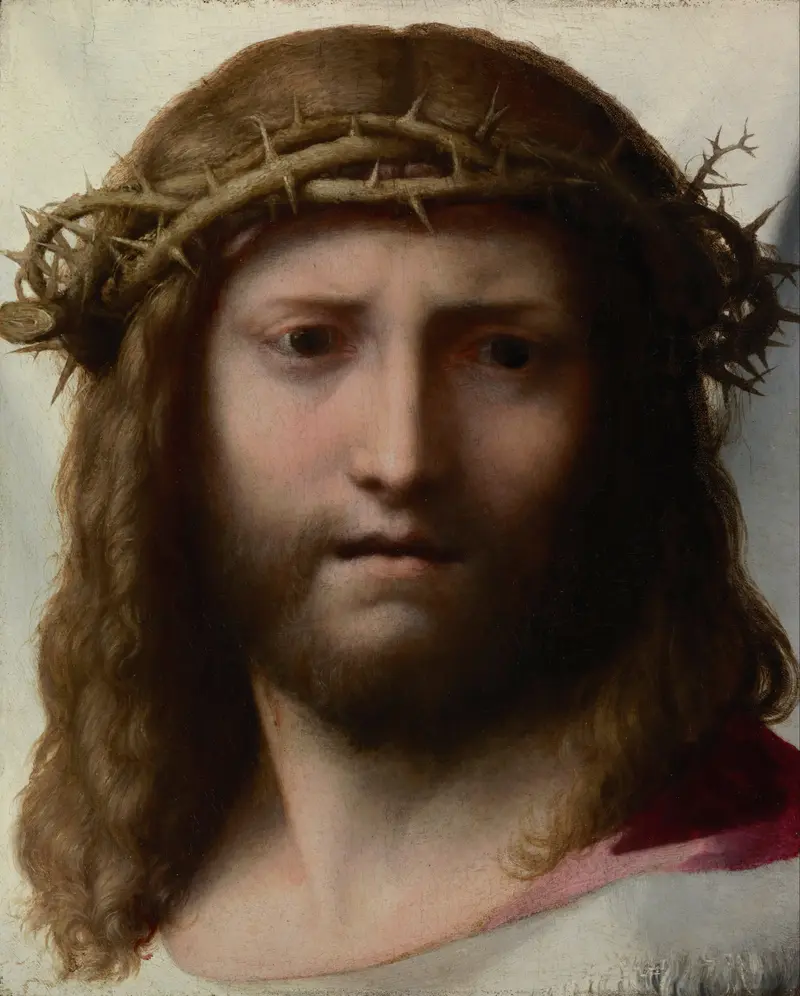
Head of Christ
Antonio da Correggio





