
Portrait of a Young Girl — History & Facts
What first catches the eye in Portrait of a Young Girl is the way her gaze seems to hover between shyness and candor, as if she’s been caught in a private moment and is deciding whether to trust the viewer. The deep black background pushes her forward, isolating her in a pool of gentle light that grazes her cheek and sets her golden hair aglow. Every detail, from the delicate gold chain draped across her bodice to the soft folds of her red sleeve, is painted with care, but it’s the uncertainty in her half-smile that lingers.
Her dress, with its rich color and subtle sheen, speaks of quiet wealth, while the pale ruff at her neck hints at the fashions of early sixteenth-century Italy. The artist’s touch is visible in the soft modeling of her skin, lending her presence a sense of immediacy and vulnerability. This portrait, created in 1515 by Antonio da Correggio, belongs to a world where likenesses were both personal treasures and social statements. In Renaissance Italy, such works were often commissioned to mark a coming of age or to celebrate a family’s status, though history has kept few traces of the specific stories behind many sitters.
The Kress Collection, where this painting now resides, preserves it as a rare window into that era’s private lives. The girl’s uncertain expression and elegant attire invite us to imagine her story, but ultimately, her identity remains as mysterious as her fleeting glance—leaving us to return, again and again, to the questions her portrait quietly asks.
More Artworks by Antonio da Correggio

Virgin and Child with the Young Saint John the Baptist
Antonio da Correggio
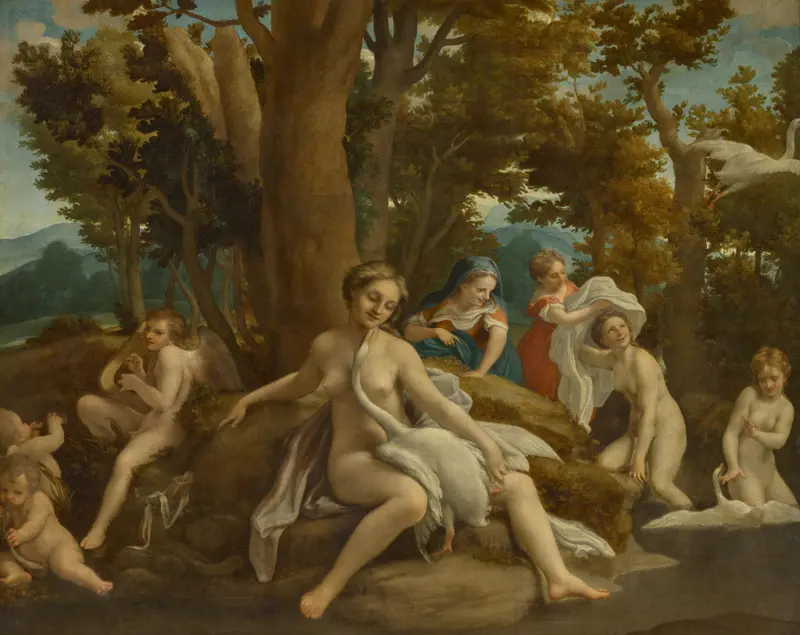
Leda and the Swan
Antonio da Correggio
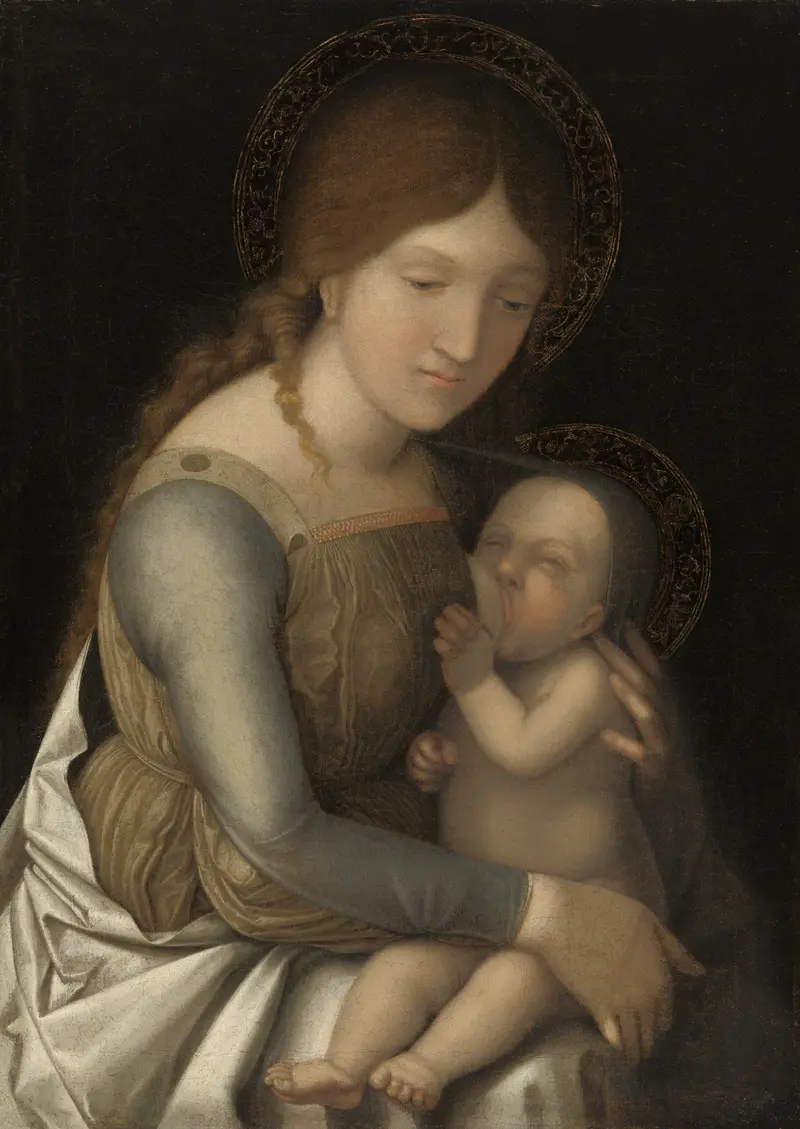
Madonna and Child
Antonio da Correggio
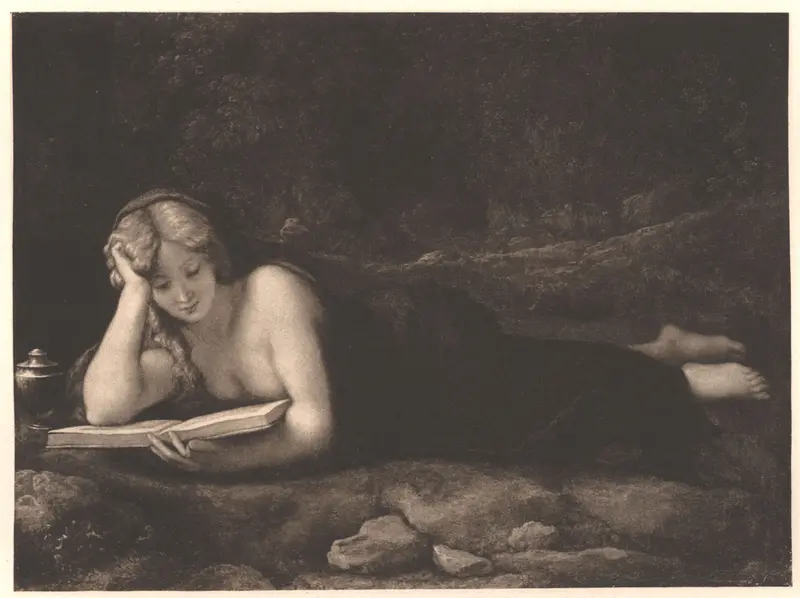
Penitent Magdalene
Antonio da Correggio
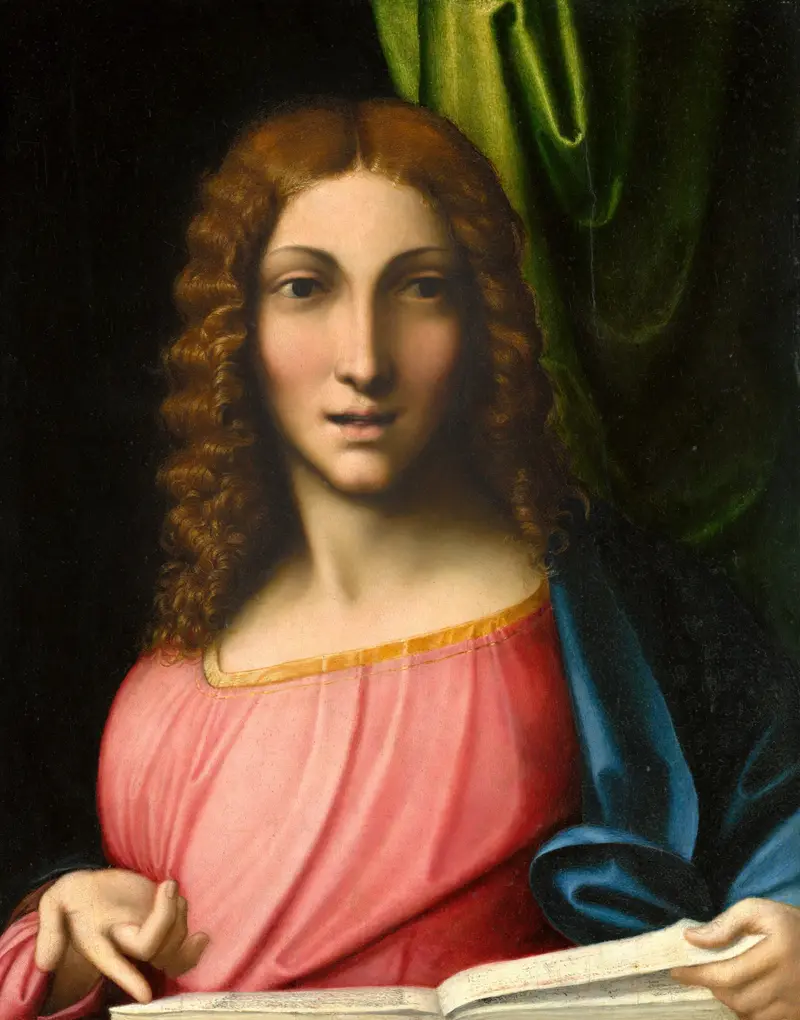
Christ in the Temple
Antonio da Correggio

Nativity
Antonio da Correggio
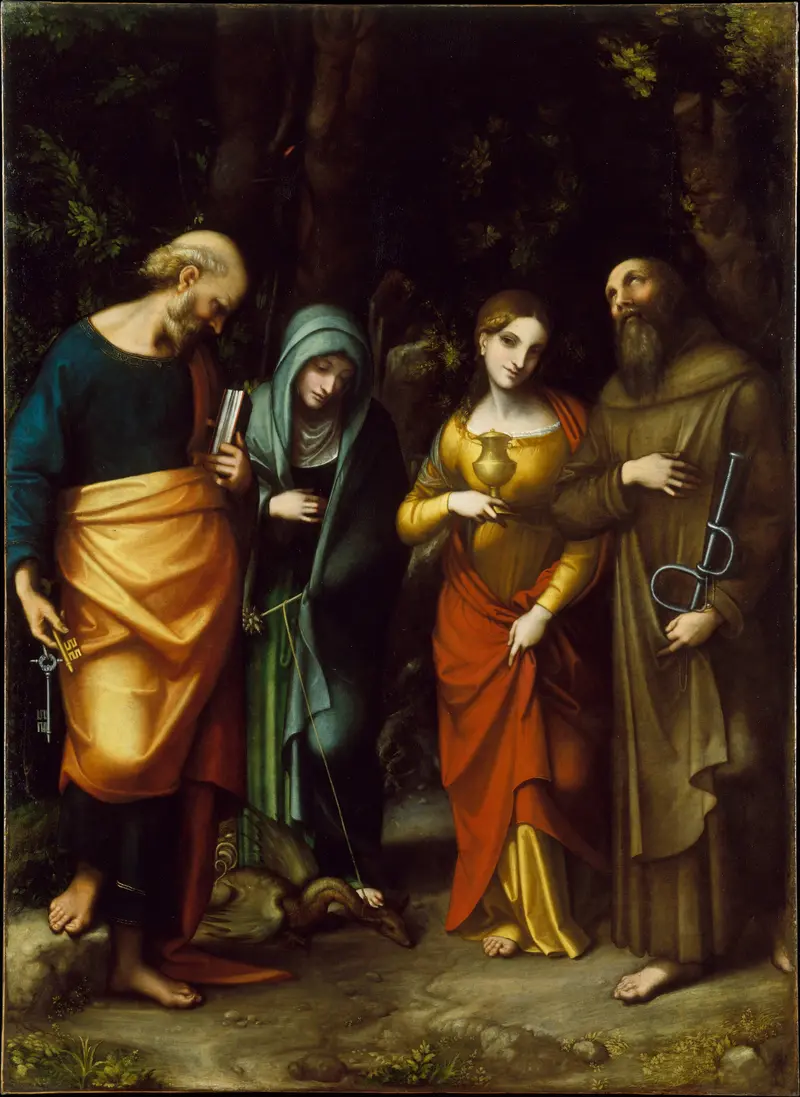
Saints Peter, Martha, Mary Magdalen, and Leonard
Antonio da Correggio
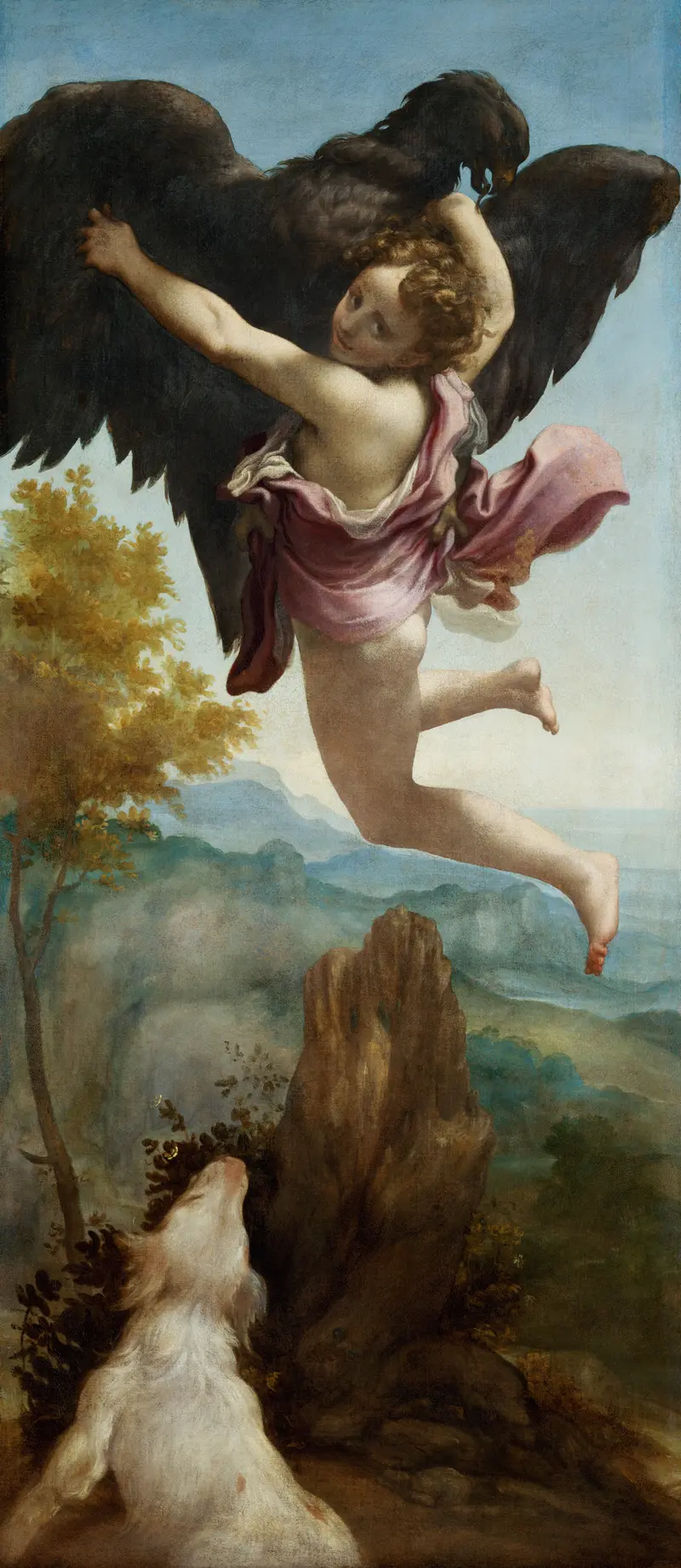
The Loves of Jupiter
Antonio da Correggio

Study for the "Madonna della Scodella" [recto]
Antonio da Correggio
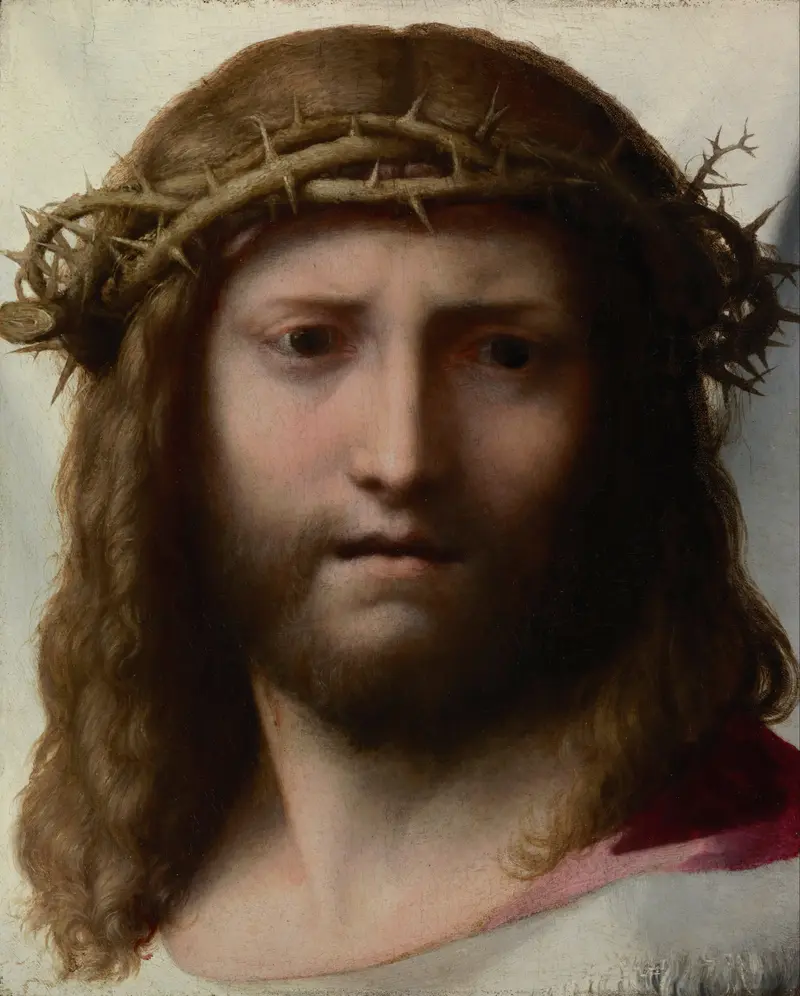
Head of Christ
Antonio da Correggio





