
Penitent Magdalene — History & Facts
A woman lies in contemplation, her body draped across the earth, half-shrouded in darkness and half revealed to the gentle light that falls on her bare shoulder and golden hair. The open book before her is no mere prop—it draws the viewer into her solitude, inviting us to wonder what words could so captivate a penitent. A vessel, perhaps a jar of ointment, stands at her side, a silent witness to her past and her transformation.
The composition leads the eye from the illuminated face and hand, down the lines of her body, and out into the shadowy wilderness, where the world seems to fall away and only her inner life remains. Even the rocks and earth seem softened by the painter’s touch, as if the landscape itself shares in her quiet reflection. Works like Penitent Magdalene by Antonio da Correggio belong to a long tradition in which artists explored the theme of repentance and spiritual longing, often commissioned for private devotion or as reminders of the possibility of redemption. The wide date range—between 1500 and 1746—places this painting somewhere in the era when religious art was both a tool of contemplation and a display of artistic innovation.
In this period, the Magdalene’s image shifted from a figure of sorrow to one of introspective beauty, her sensuality and sanctity held in delicate balance. This particular painting, once part of the Dresden collection and recorded in a late 19th-century German catalogue, is a reminder of how such images traveled through time and taste, their meanings renewed by each new viewer. Let your gaze linger on her expression and the hush of the scene; the story is as much about the silence as the subject.
More Artworks by Antonio da Correggio

Virgin and Child with the Young Saint John the Baptist
Antonio da Correggio
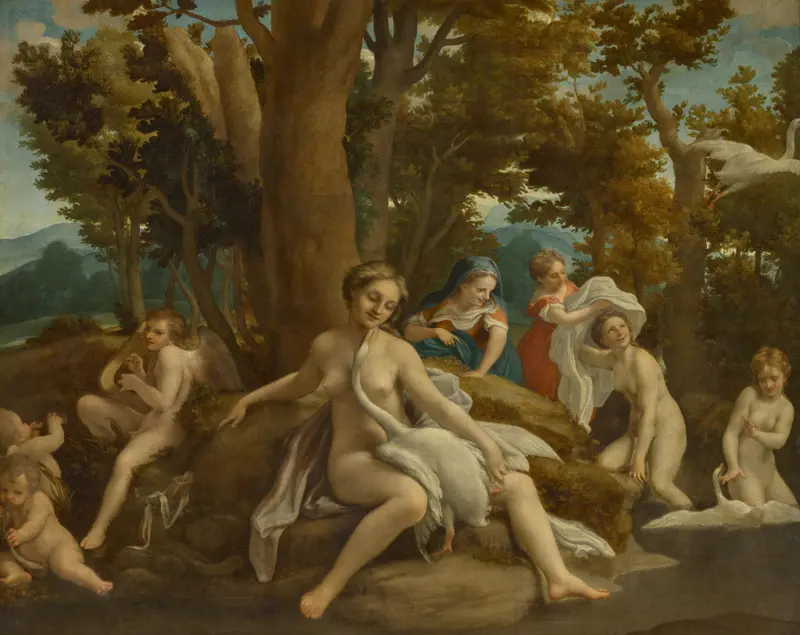
Leda and the Swan
Antonio da Correggio
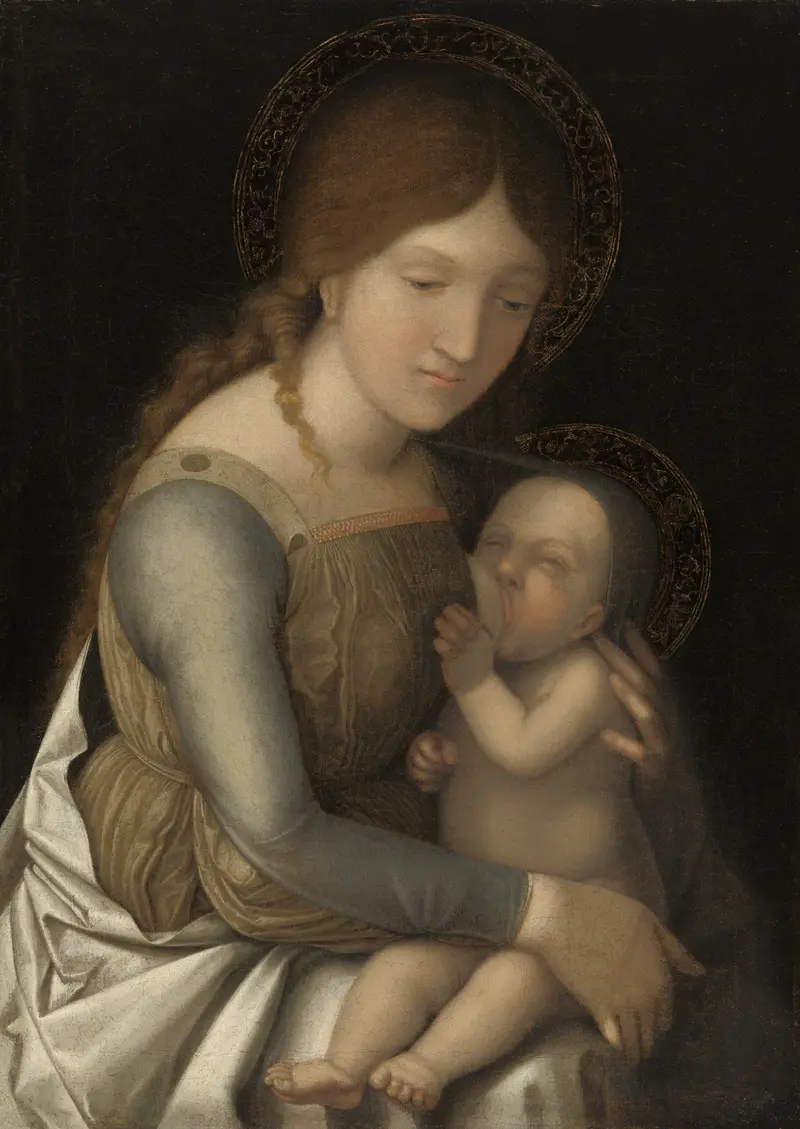
Madonna and Child
Antonio da Correggio
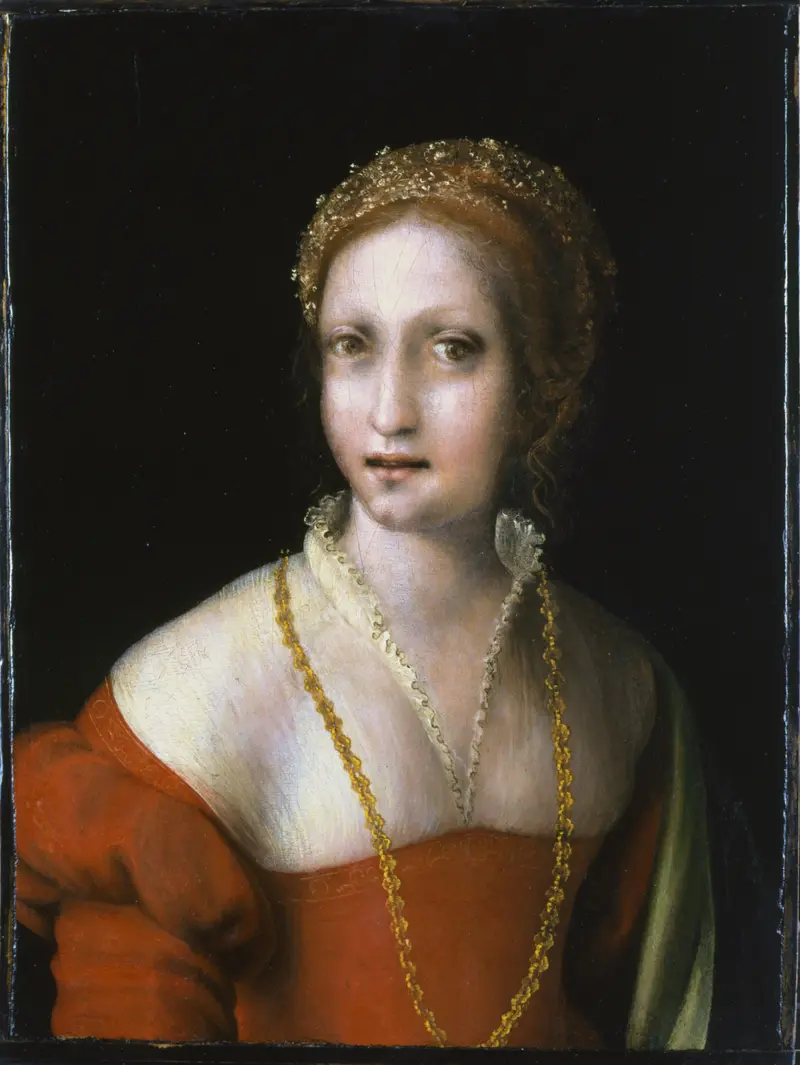
Portrait of a Young Girl
Antonio da Correggio
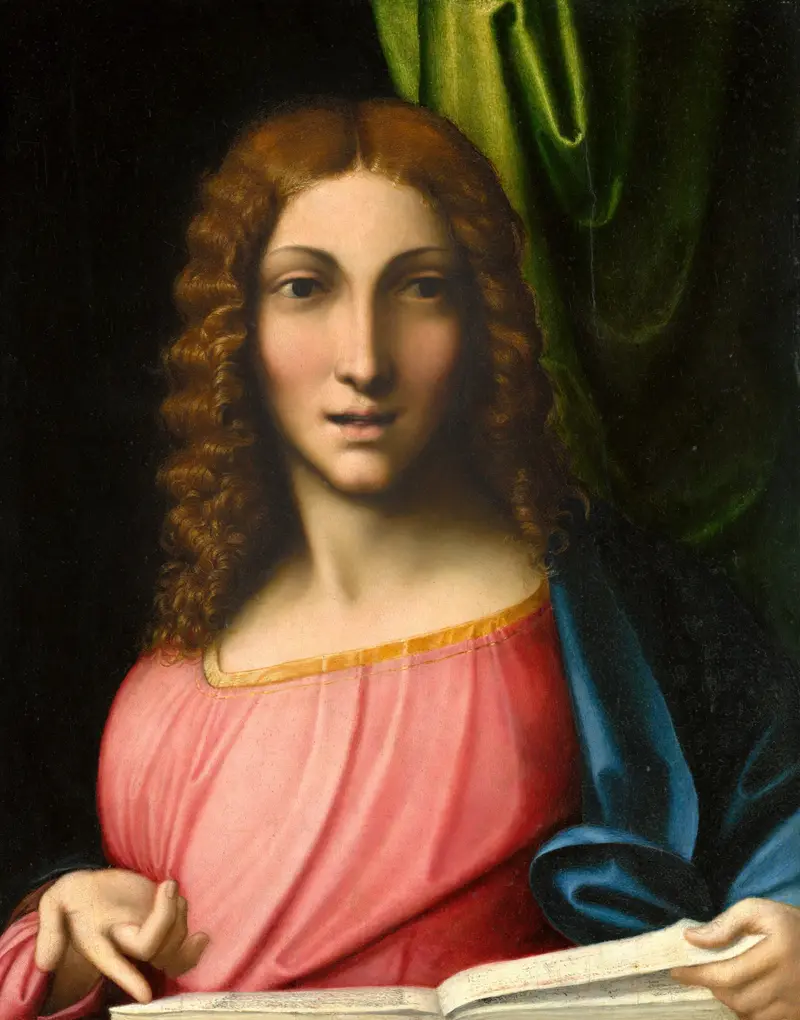
Christ in the Temple
Antonio da Correggio

Nativity
Antonio da Correggio
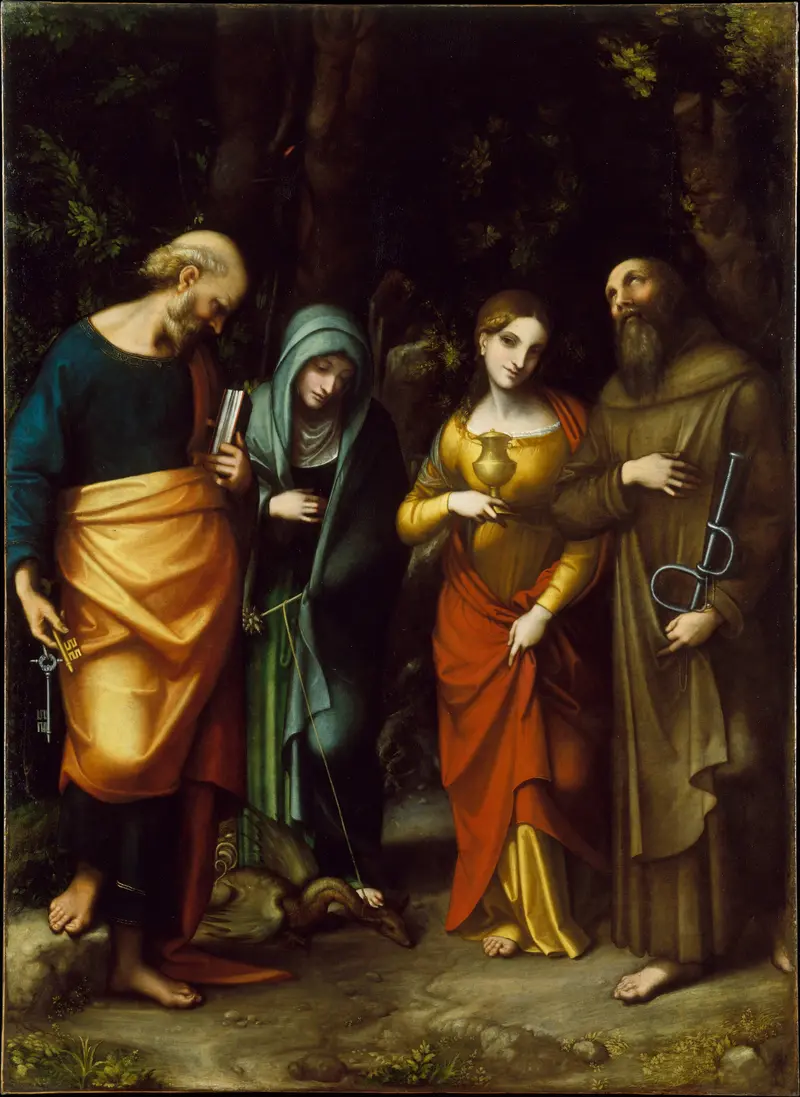
Saints Peter, Martha, Mary Magdalen, and Leonard
Antonio da Correggio
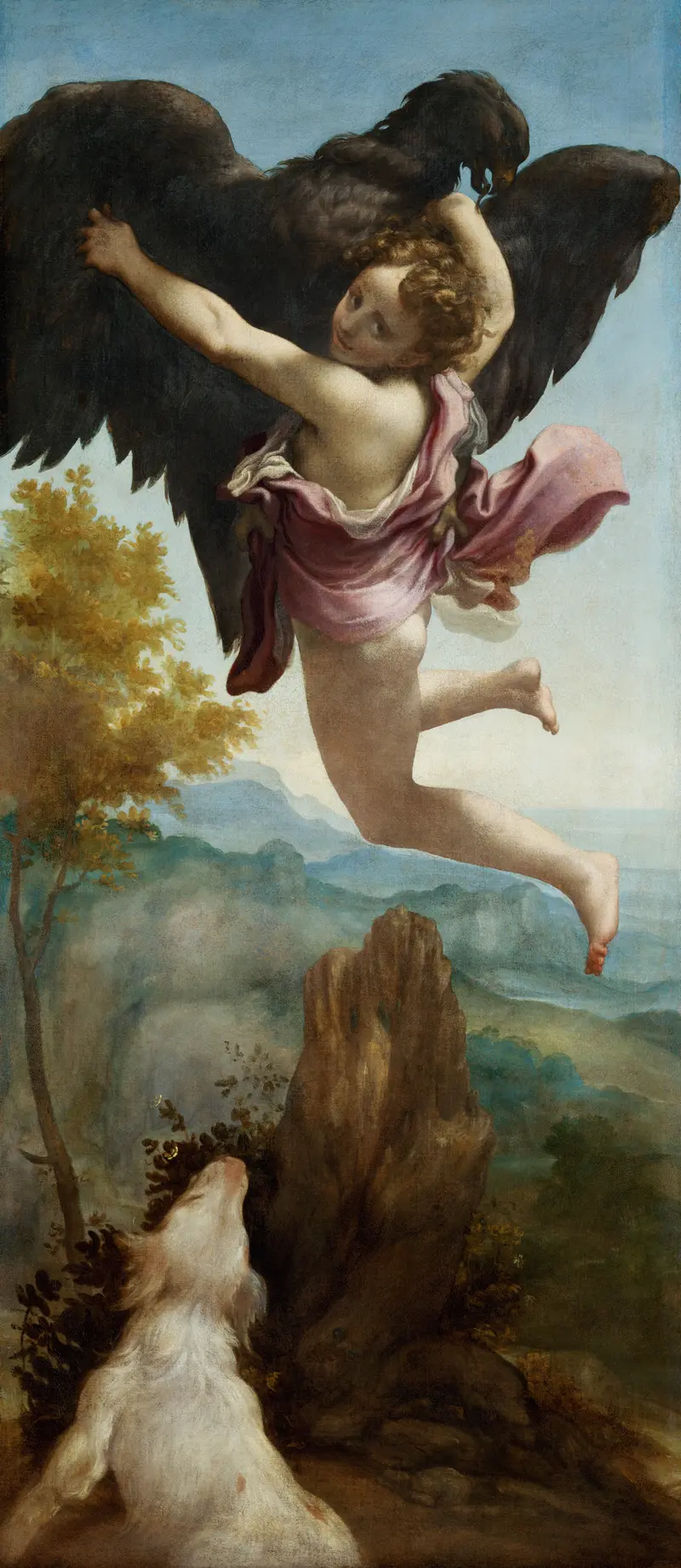
The Loves of Jupiter
Antonio da Correggio

Study for the "Madonna della Scodella" [recto]
Antonio da Correggio
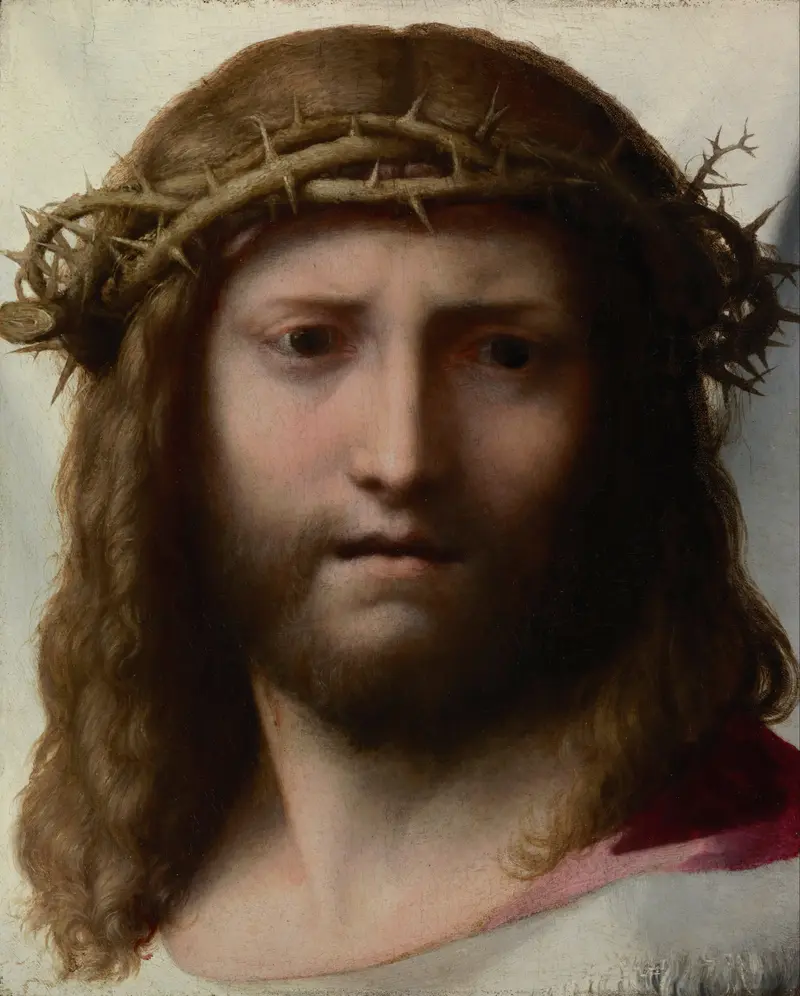
Head of Christ
Antonio da Correggio





