
Christ in the Temple — History & Facts
What first draws the eye in Christ in the Temple is the direct, almost conversational gaze of the young figure at its center. The artist, Antonio da Correggio, chooses a moment of poised stillness: the youthful Christ, caught mid-sentence, fingers resting lightly on the open pages of a book. The delicate play of light across his face and hands isolates him from the deep shadow behind, while the rich folds of green drapery suggest the seriousness of the setting.
The palette is both gentle and vivid—rose, gold, and blue—lending the scene an air of quiet authority and youthful curiosity. This painting belongs to a tradition of early sixteenth-century Italian works that sought to humanize sacred stories, inviting viewers to contemplate not only the divinity but also the intellect of Christ. In 1513, artists like Correggio were responding to the Renaissance fascination with learning and the rediscovery of classical ideals. Such images were often commissioned for private devotion or as didactic pieces, meant to inspire reflection on wisdom and faith.
While little is recorded about this specific painting’s journey, its survival in a collection today lets us stand before the same questioning gaze that once challenged the elders in the Temple—an invitation to linger, and to look closer.
More Artworks by Antonio da Correggio

Virgin and Child with the Young Saint John the Baptist
Antonio da Correggio
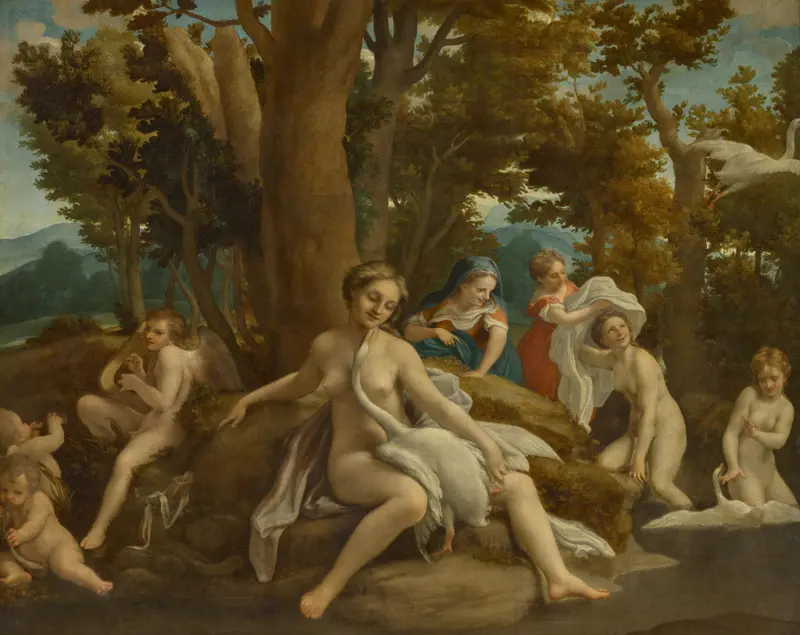
Leda and the Swan
Antonio da Correggio
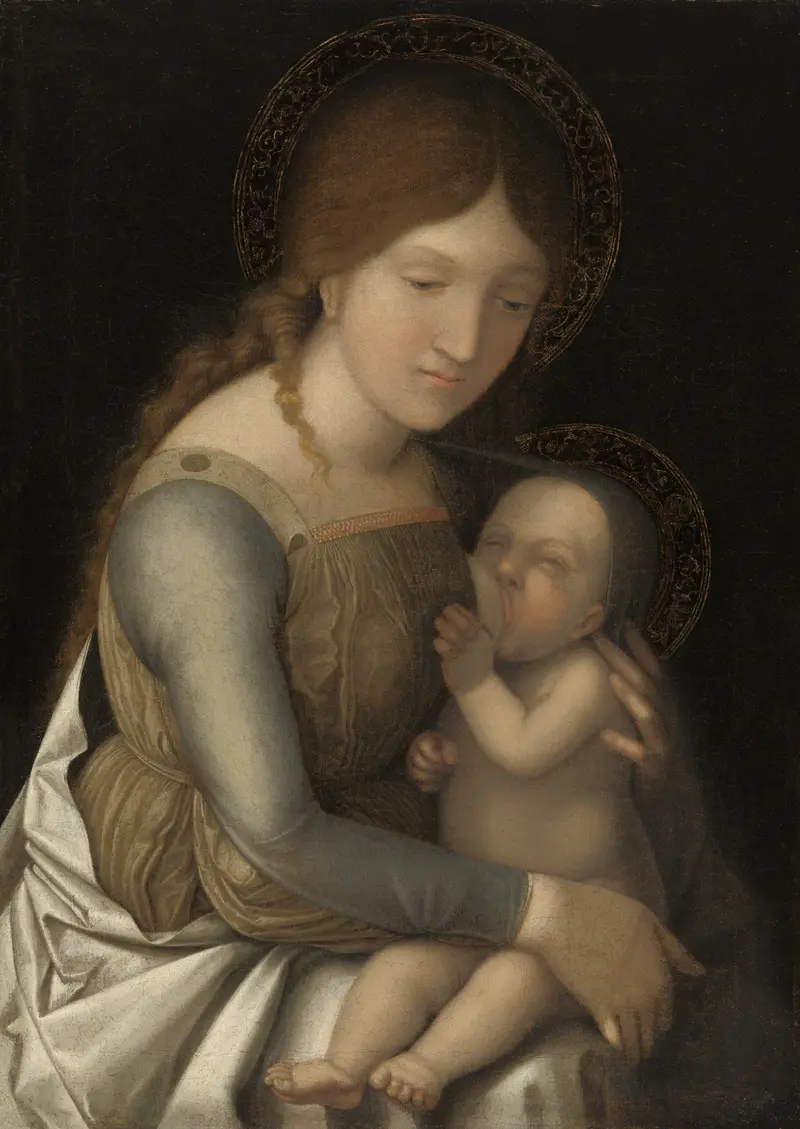
Madonna and Child
Antonio da Correggio
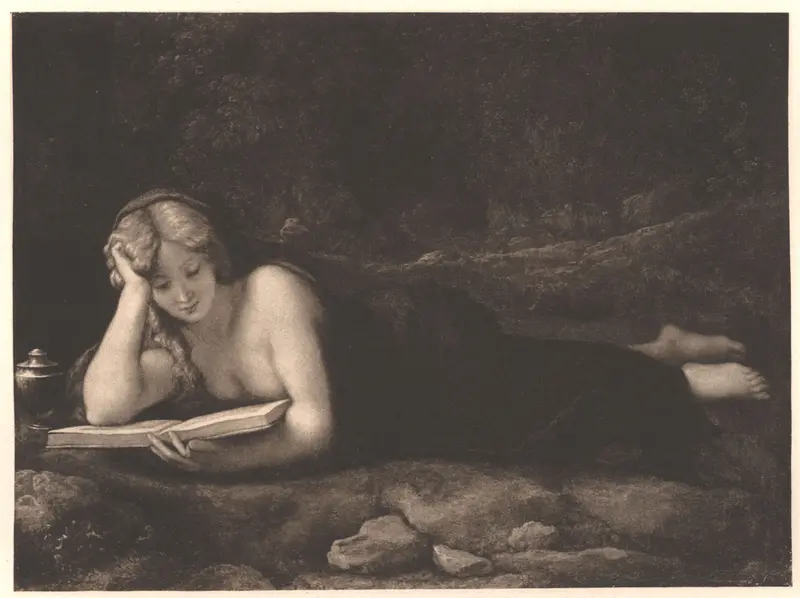
Penitent Magdalene
Antonio da Correggio
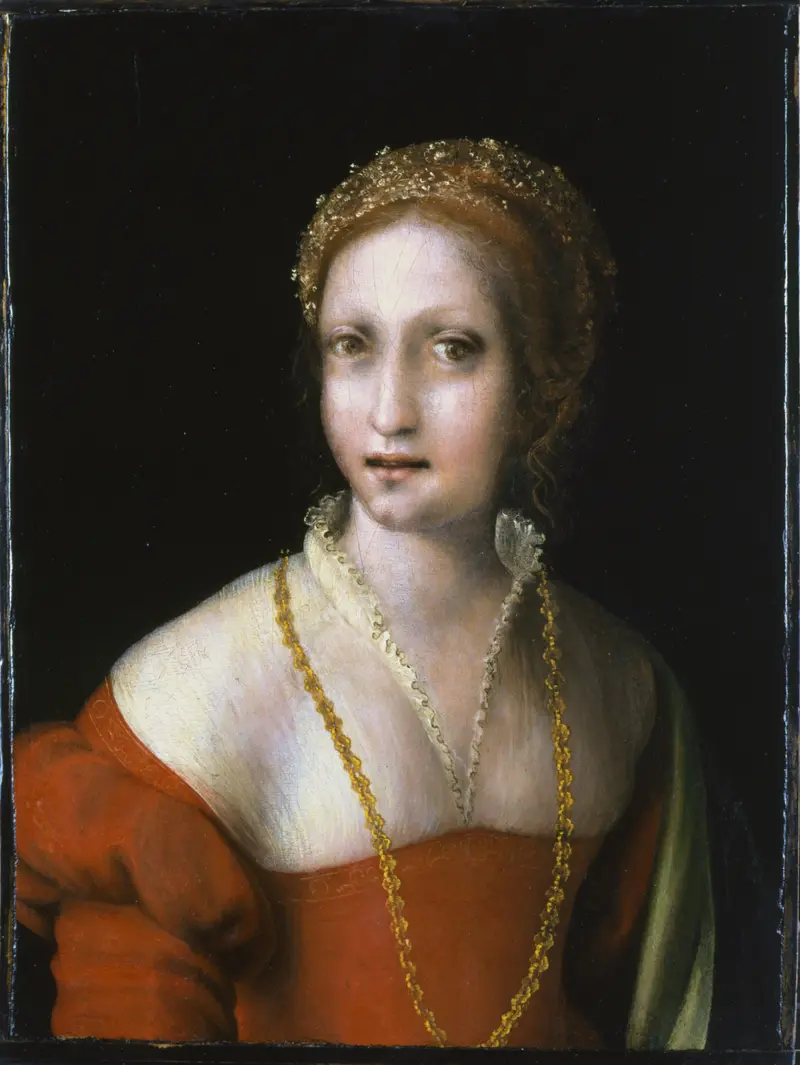
Portrait of a Young Girl
Antonio da Correggio

Nativity
Antonio da Correggio
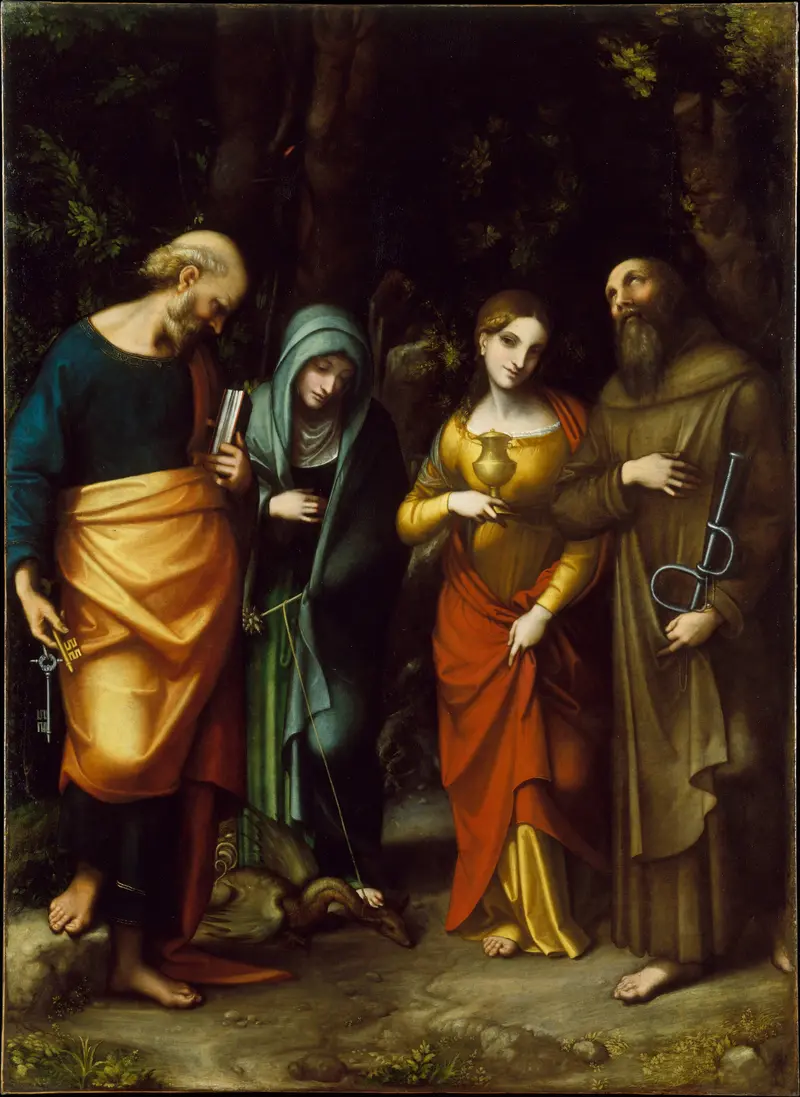
Saints Peter, Martha, Mary Magdalen, and Leonard
Antonio da Correggio
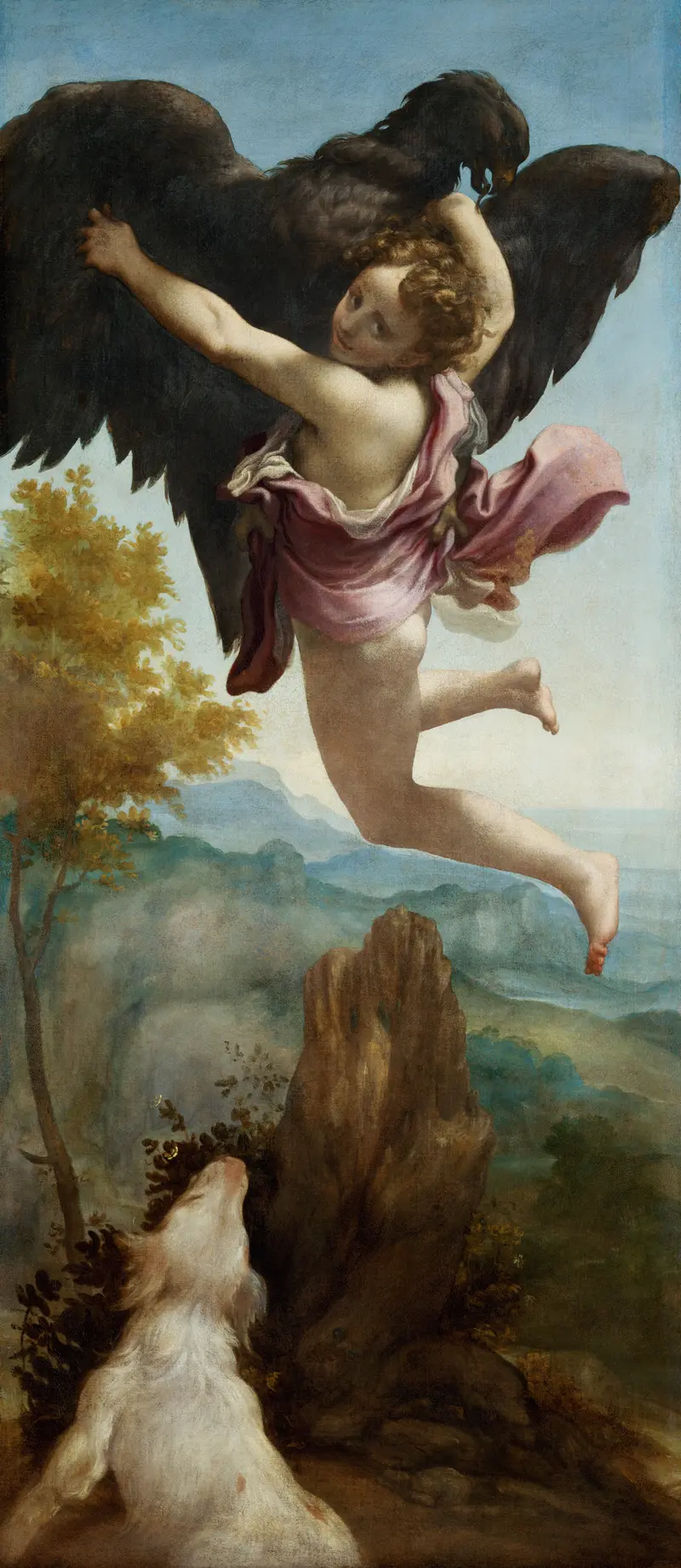
The Loves of Jupiter
Antonio da Correggio

Study for the "Madonna della Scodella" [recto]
Antonio da Correggio
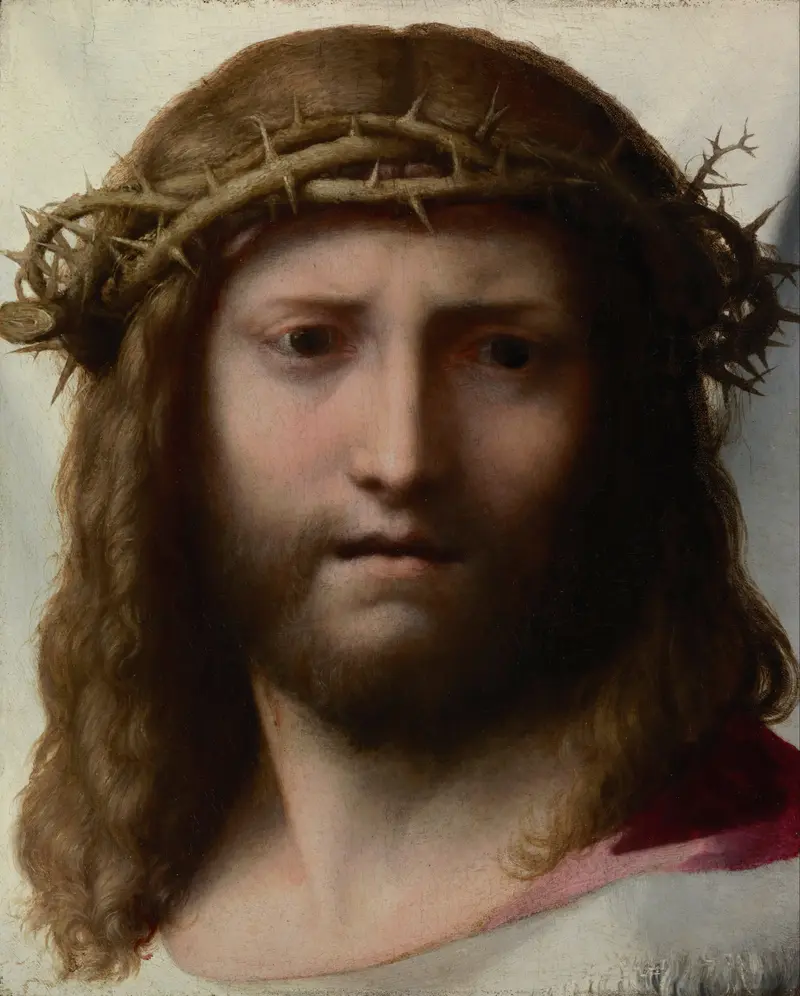
Head of Christ
Antonio da Correggio





