Jug 'driebroederkan' — History & Facts
What if silence could speak through light? In the delicate play of reflections and shadows, a jug captures more than just the physical essence of its form; it embodies the whispers of history and artistry. Focus on the surface of the jug, where the smooth ceramic glimmers softly, hinting at the craftsmanship of its maker. Notice how the light falls upon its curves, illuminating the intricate carvings that spiral around its body like fleeting memories. The muted palette of earthy tones invites a contemplative gaze, while the harmonious proportions convey a sense of balance and elegance. Yet, within this stillness, there are contrasts that stir the imagination.
The smooth exterior juxtaposes with the rough texture of the clay, suggesting the labor and devotion that went into its creation. Each carving tells a story of tradition, perhaps reflecting the communal bonds of a society that valued both utility and beauty. As light dances on its surface, it beckons the viewer to consider the unseen hands that shaped it, and the lives it touched. Crafted around 1500 to 1520, this jug emerges from a period of artistic revival and exploration.
The unknown artist, likely working in the Northern Renaissance, infused this piece with a set of values defining an era marked by burgeoning trade and cultural exchange. While the identity of the creator remains a mystery, the craftsmanship resonates with the spirit of innovation and connection, capturing the essence of a time when art began to transcend mere function.
More Artworks by Unknown Artist
Browse all →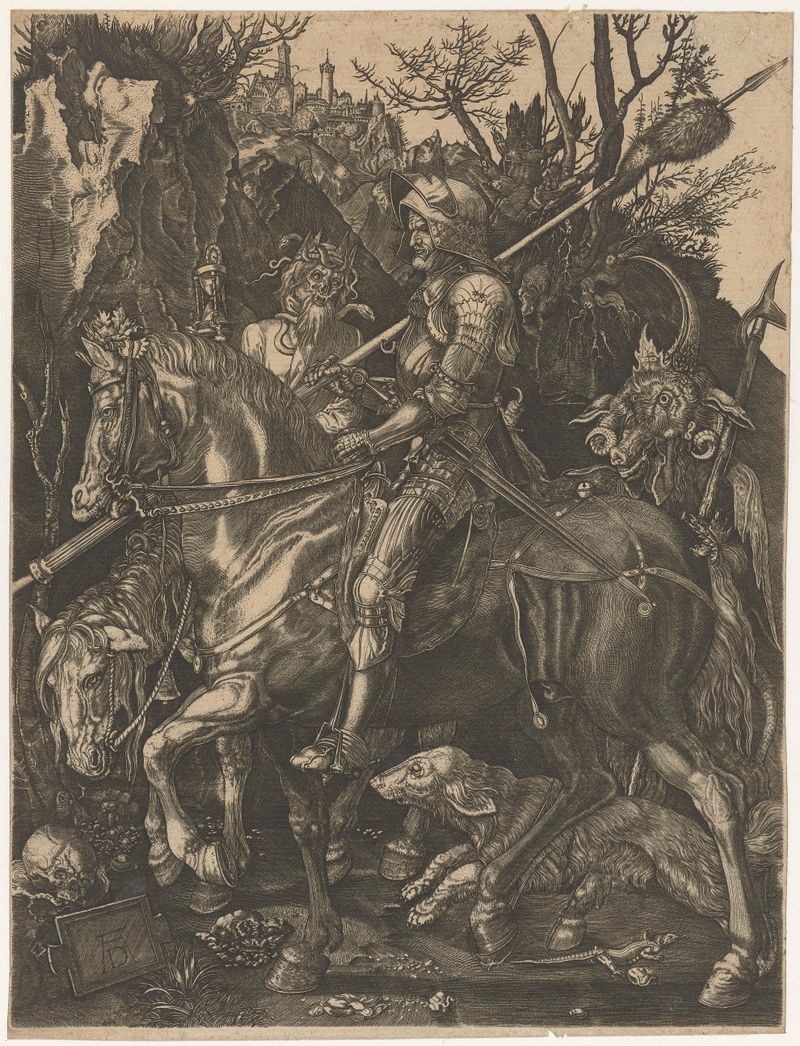
Ridder, Dood en Duivel
Unknown Artist
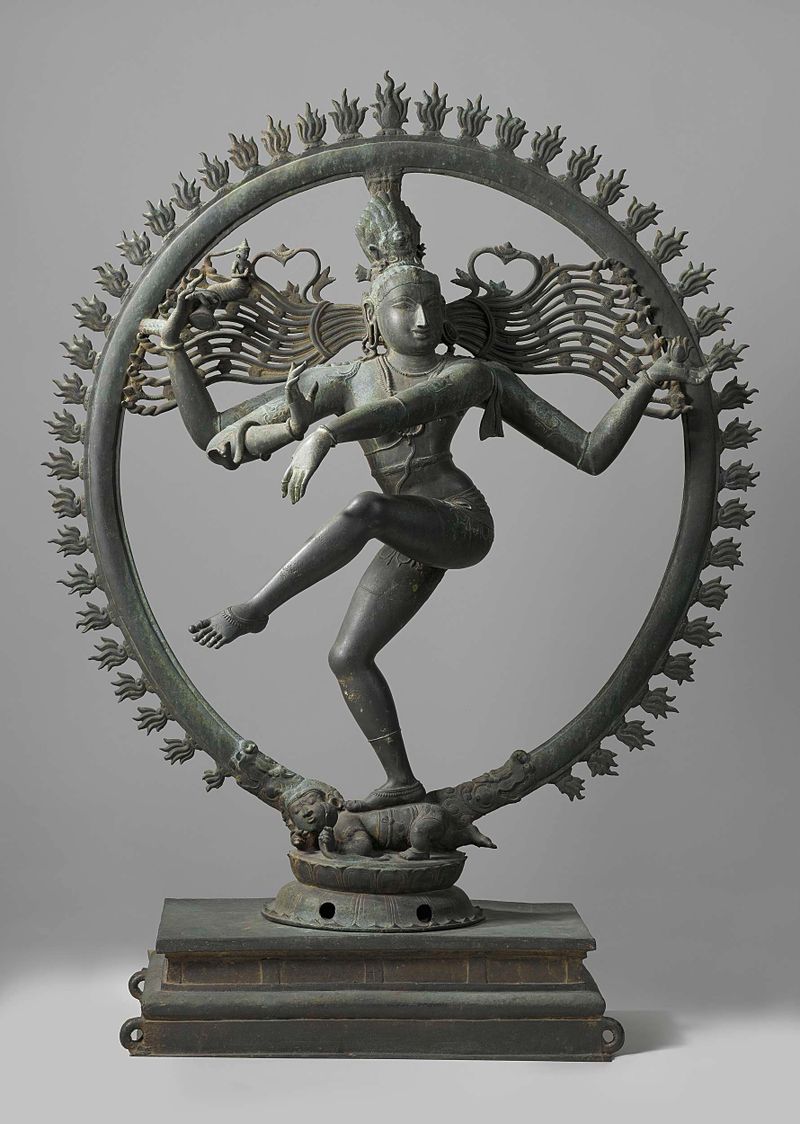
Shiva Nataraja
Unknown Artist
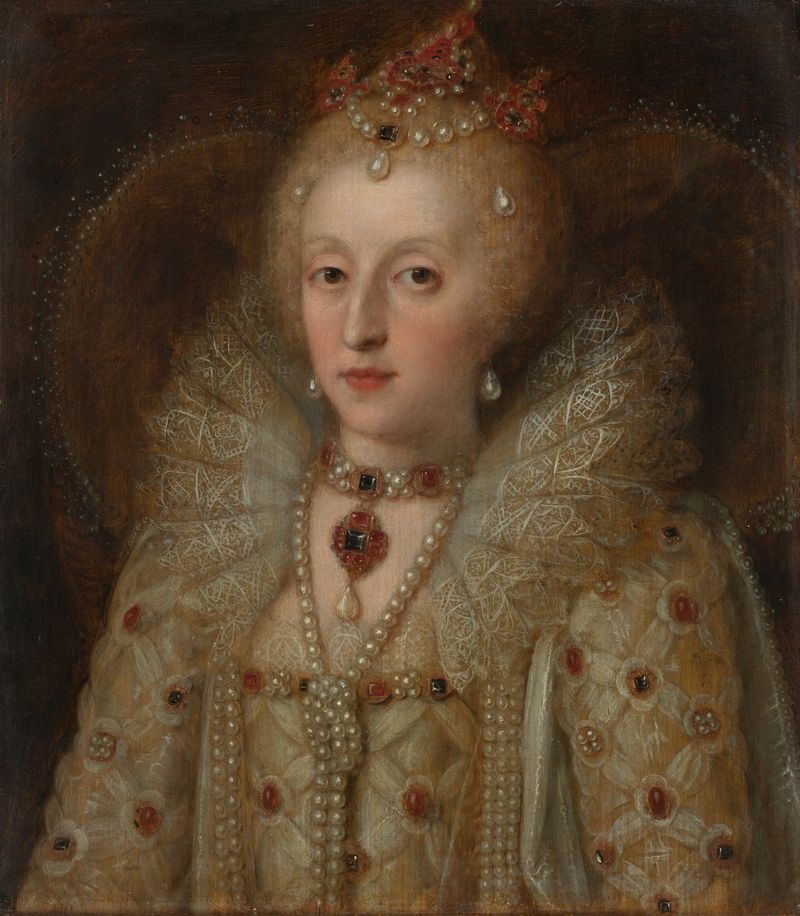
Portrait of Elizabeth I, Queen of England
Unknown Artist
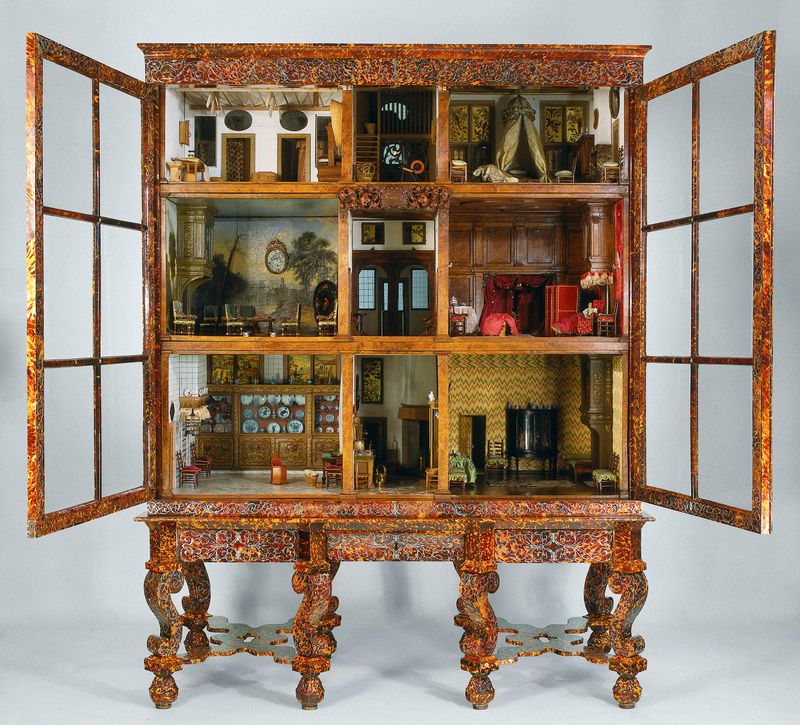
Dolls’ house of Petronella Oortman
Unknown Artist
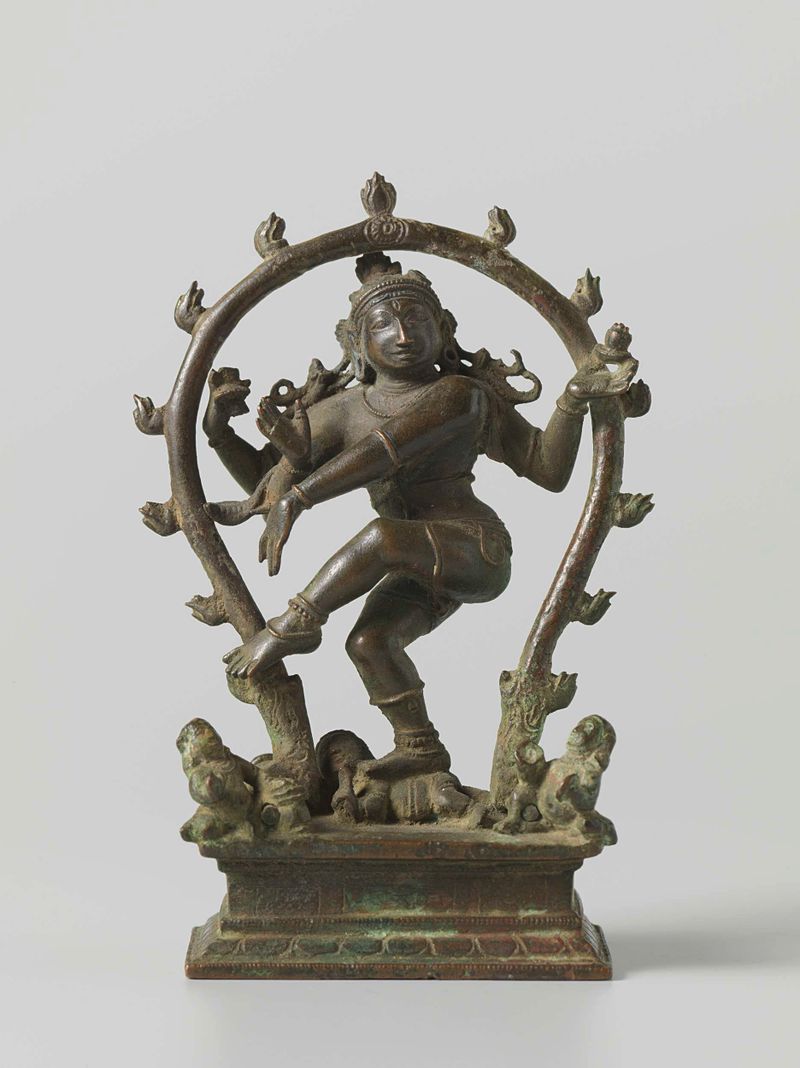
Shiva Nataraja
Unknown Artist

The Tale of Genji
Unknown Artist

The Tale of Genji
Unknown Artist

Cong
Unknown Artist
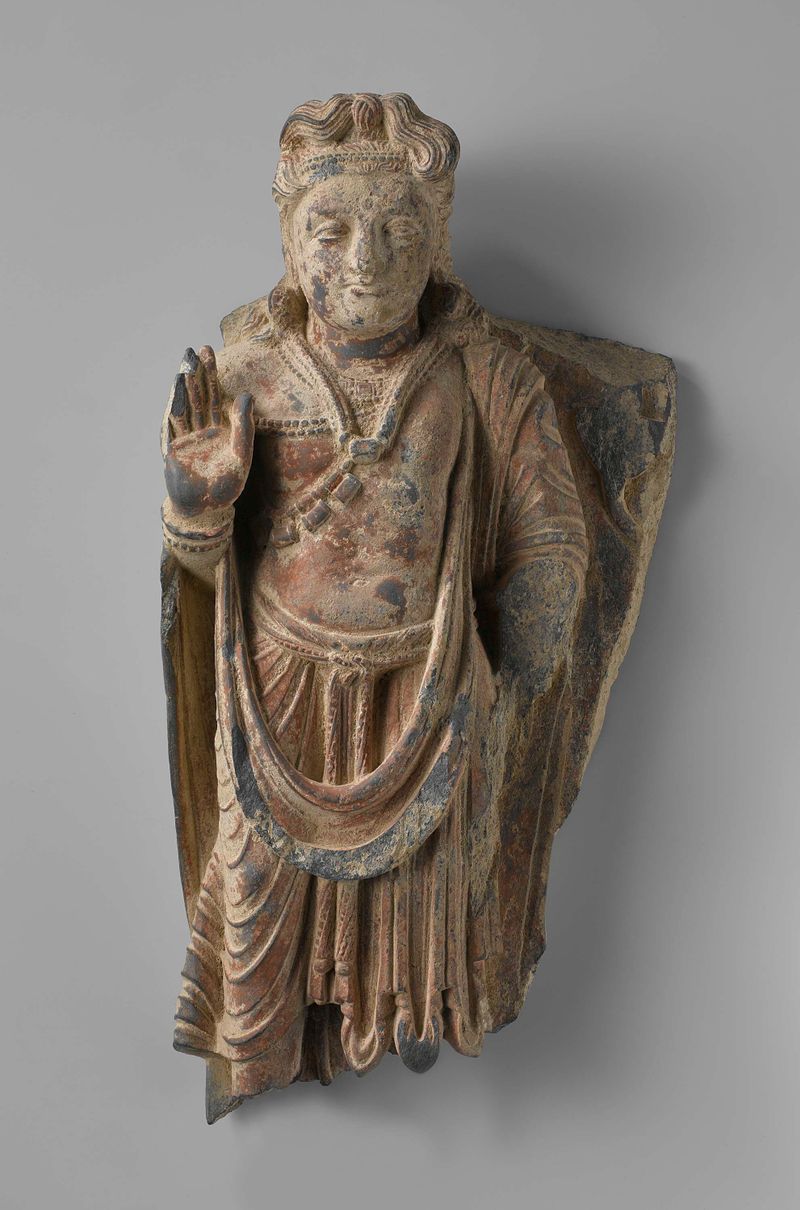
The bodhisattva Maitreya
Unknown Artist

Teabowl with a 'hare's fur' glaze
Unknown Artist