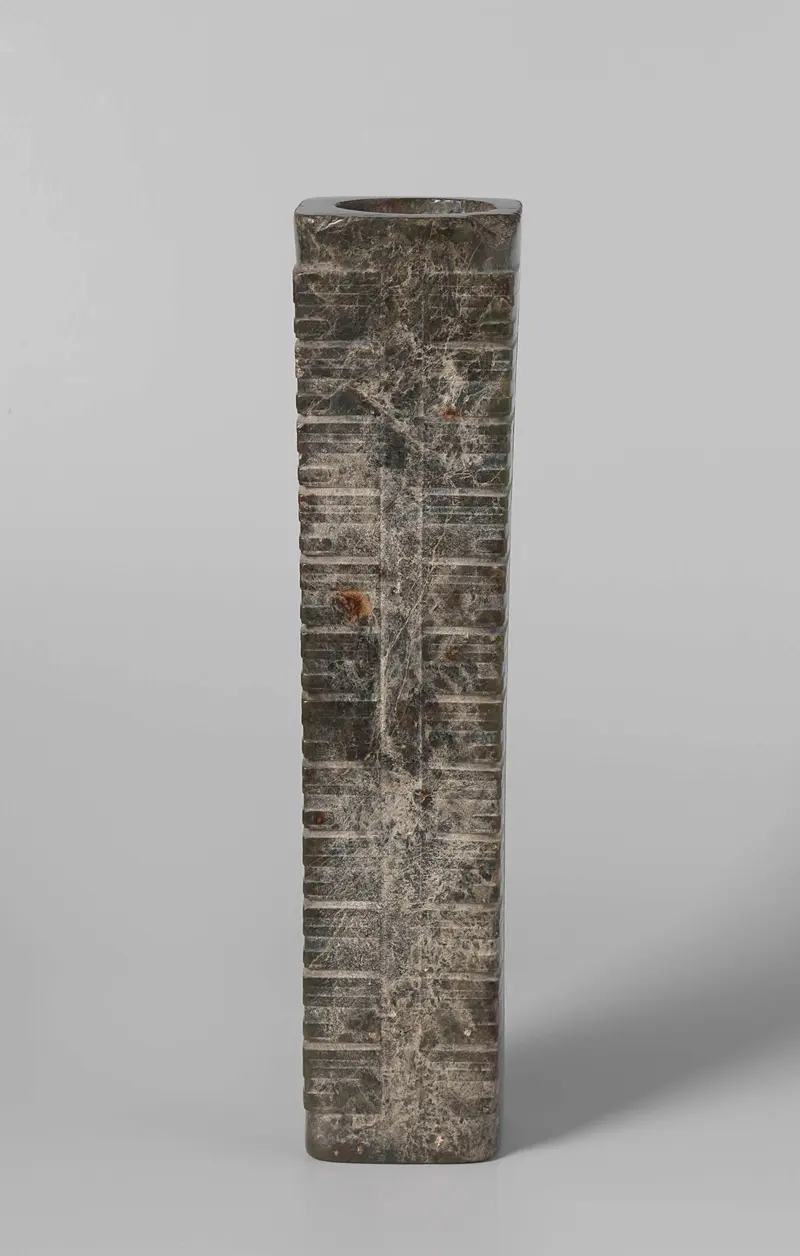
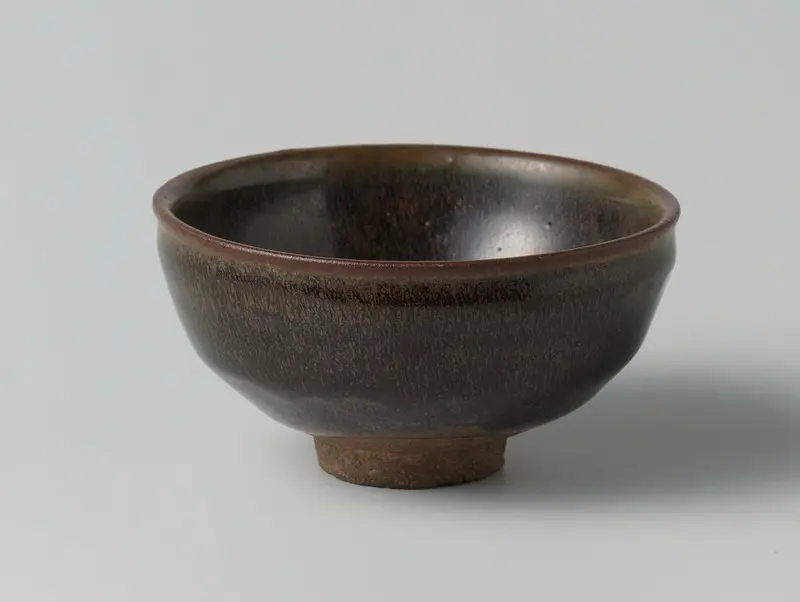
Jug with two handles — History & Facts
In the stillness of a forgotten era, this jug embodies a poignant illusion of presence, whispering secrets of lives long past. Look to the curved handles of the vessel, their elegant forms inviting touch yet preserving an untold distance. Notice how the light dances across the surface, highlighting the subtle textures and earthy hues, suggesting a blend of utility and artistry. Each shadow cradles the contours, revealing the artist’s mastery in manipulating space, while the refined simplicity speaks volumes about the craftsmanship of the time. The jug's dual handles evoke a sense of balance, symbolizing connection and separation simultaneously.
Its soft, rounded body contrasts sharply with the rigidity of its surroundings, hinting at a tension between function and beauty. This interplay invites reflection on the passage of time — what stories the jug could tell, what moments it observed in silence, and how it transformed from a mere object into a vessel of memory and emotion. Created in the late 14th century, this piece reflects the transition within medieval art, when functional pottery began to embrace aesthetics. While the identity of its maker remains unknown, the jug is a testament to a period rich in innovation and craftsmanship.
During this time, societal changes were redefining art’s role, moving from mere utility toward a celebration of beauty, capturing the essence of human experience in everyday objects.
More Artworks by Unknown Artist

The Tale of Genji Scroll: Yadorigi
Unknown Artist
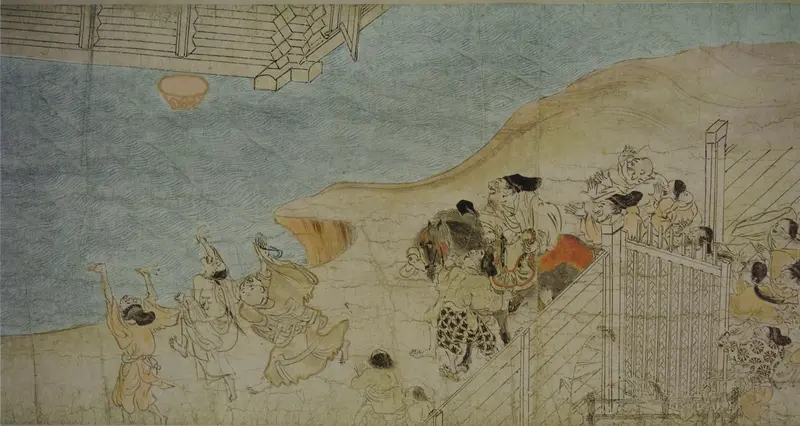
Legends of Mount Shigi: The Flying Granary
Unknown Artist
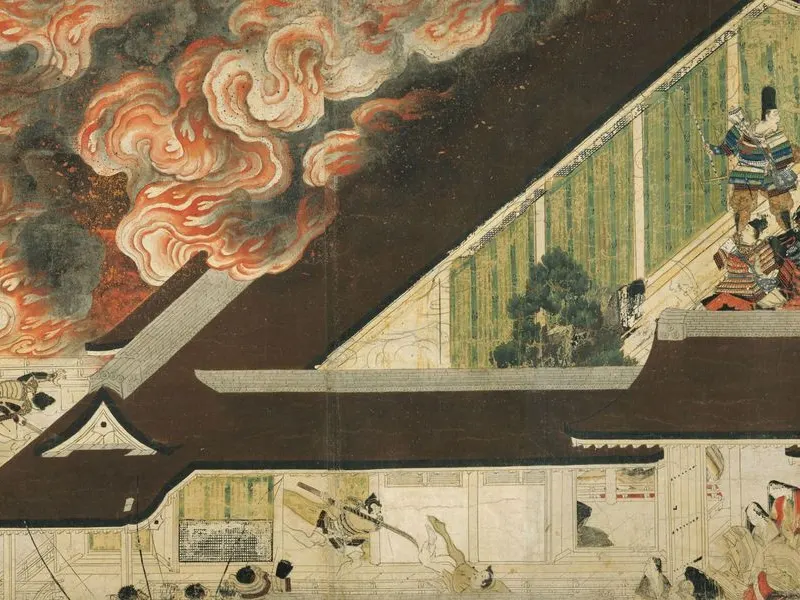
Night Attack on the Sanjō Palace
Unknown Artist

Womb World Mandala (Mandala of the Two Realms)
Unknown Artist
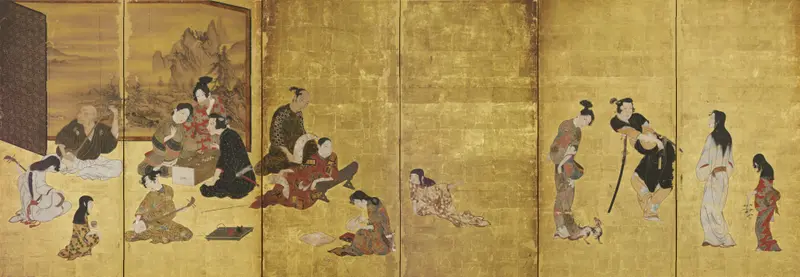
Hikone Screen
Unknown Artist
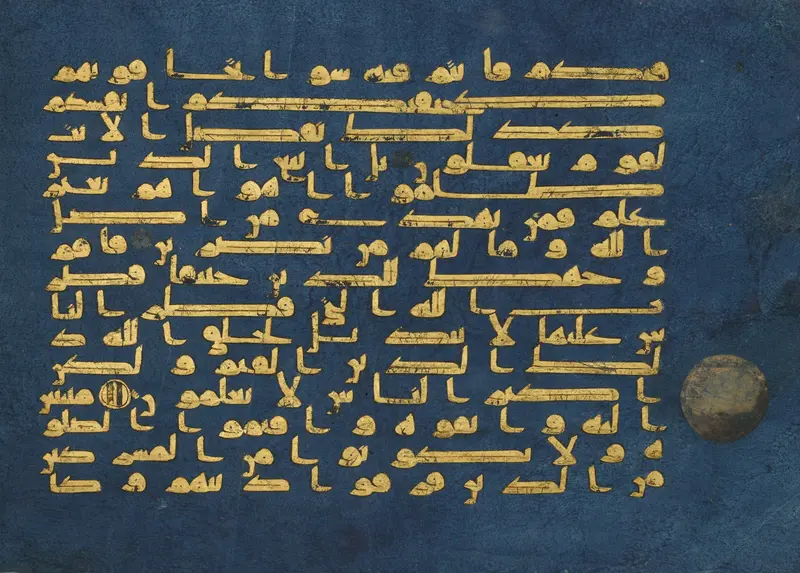
Folio from the Blue Qur'an
Unknown Artist
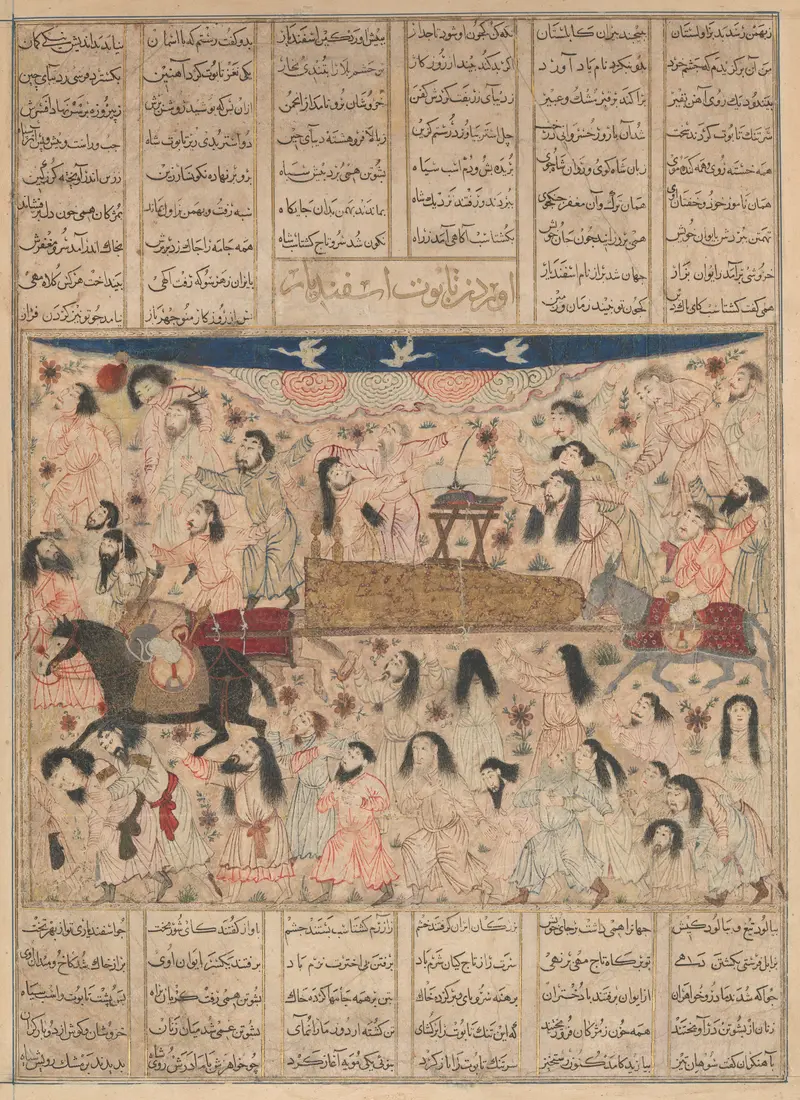
The Funeral of Isfandiyar (Great Mongol Shahnama)
Unknown Artist

The Ideal City
Unknown Artist
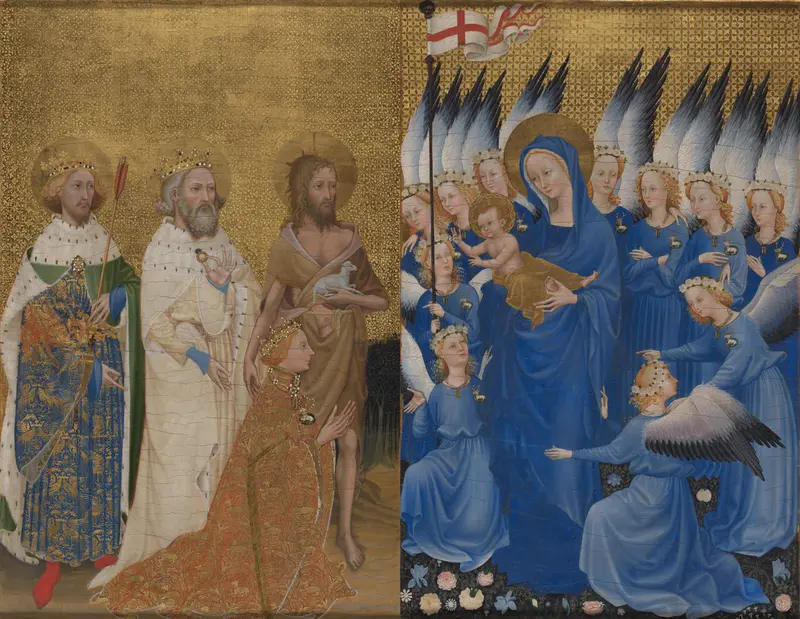
The Wilton Diptych
Unknown Artist

Ridder, Dood en Duivel
Unknown Artist