
Jules Peyron — History & Facts
This notion echoes through every stroke of the canvas, inviting contemplation on the nature of beauty. It prompts us to reflect on what we perceive and how we engage with the world around us. Focus on the figure at the center, the calm presence of Jules Peyron, whose gentle demeanor contrasts with the vibrant energy swirling around him. Notice the way the brushstrokes capture the essence of fabric, lending a tactile quality to the draped clothing.
The palette, rich with deep greens and earthy tones, creates a sanctuary for the eye, while the softer hues in the background lend a sense of harmony and warmth. Beneath the surface lies a dialogue between the subject and the surrounding chaos. The interplay of light and shadow across Peyron's face reveals not just a likeness, but a deeper introspection — a man caught between the turbulence of the external world and the stillness within. The dynamic brushwork suggests a world in motion, inviting the viewer to ponder the relationship between the artist's intent and the essence of beauty itself. Around 1885-1887, this piece emerged during Cézanne's exploration of form and color, a time when he was delving into the depths of his artistic identity in Aix-en-Provence.
While grappling with the shifting tides of Impressionism and the birth of modernism, he sought to redefine how beauty could be represented in painting, challenging established norms and inviting a new appreciation for the subtleties of perception.
More Artworks by Paul Cezanne
Browse all →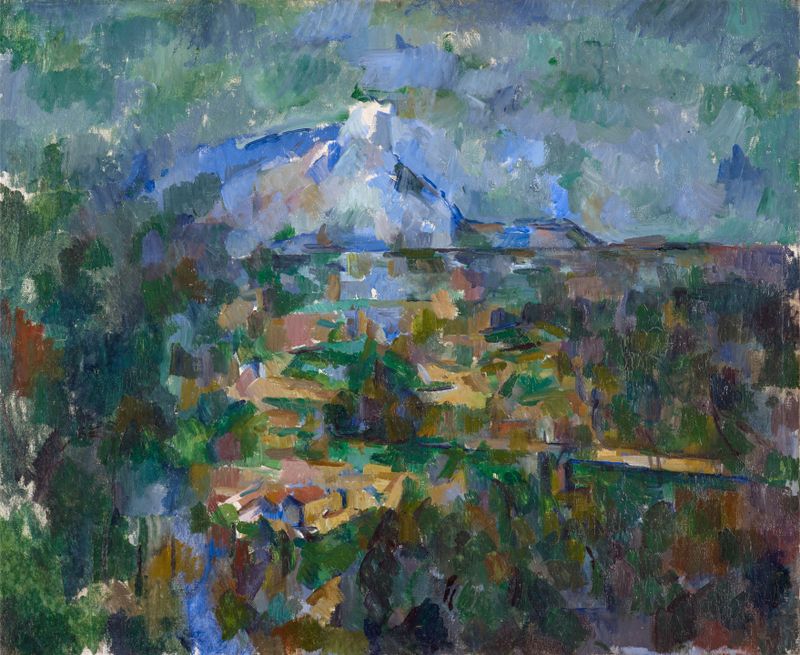
The Mont Sainte-Victoire Seen From Les Lauves
Paul Cezanne
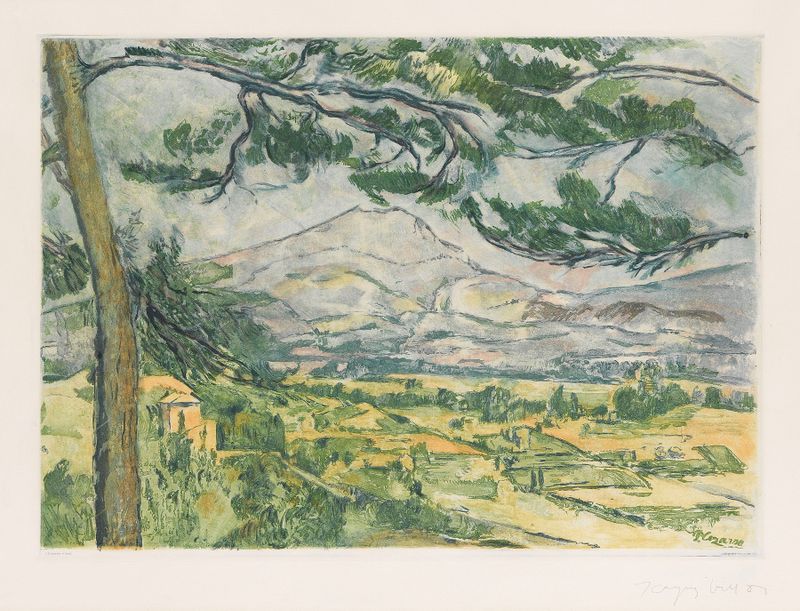
La Montagne Sainte-Victoire
Paul Cezanne
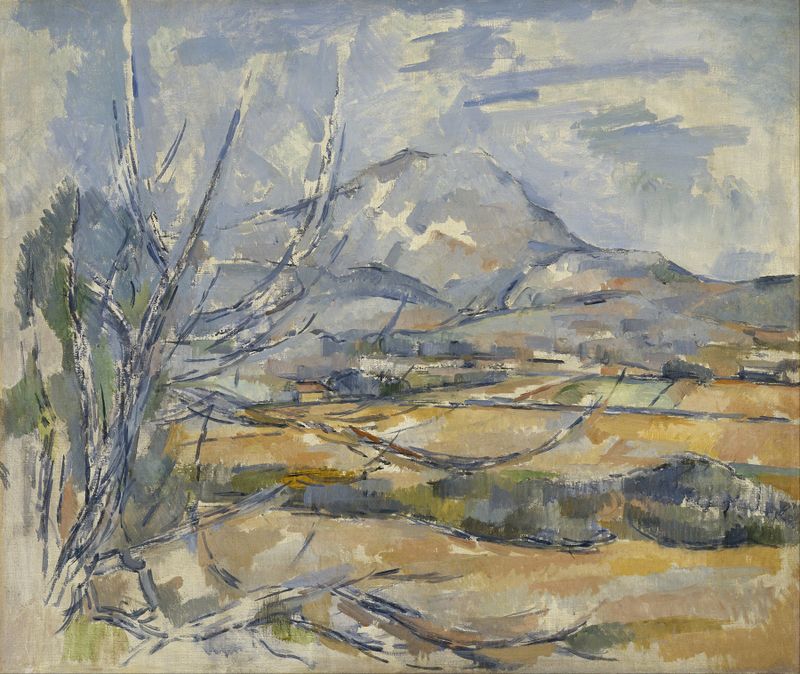
Montagne Sainte-Victoire
Paul Cezanne
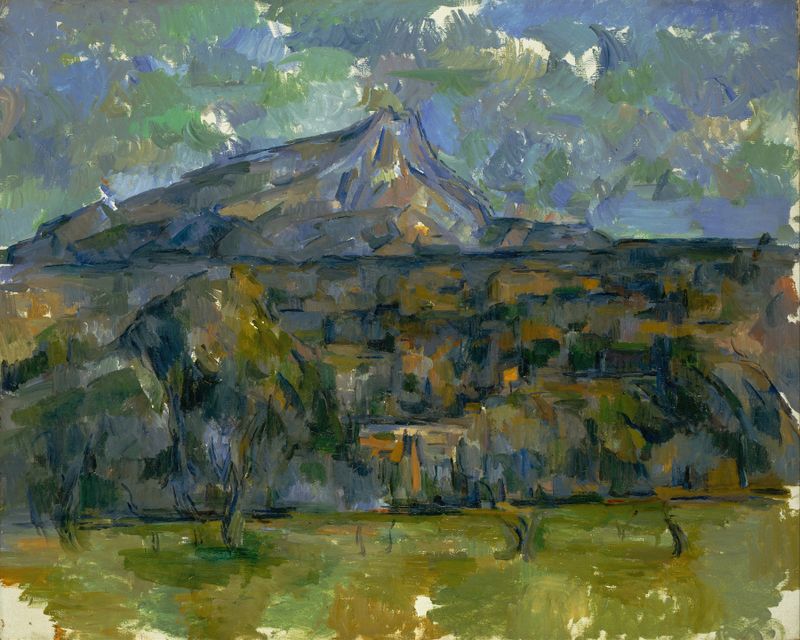
Mont Sainte-Victoire
Paul Cezanne
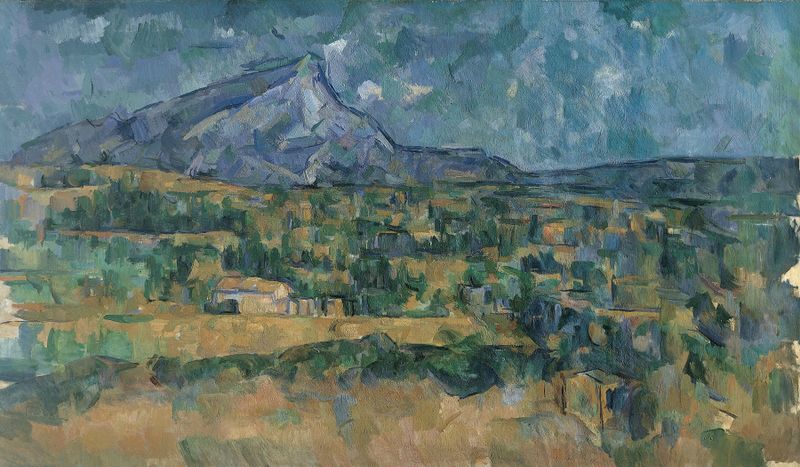
Mont Sainte-Victoire
Paul Cezanne
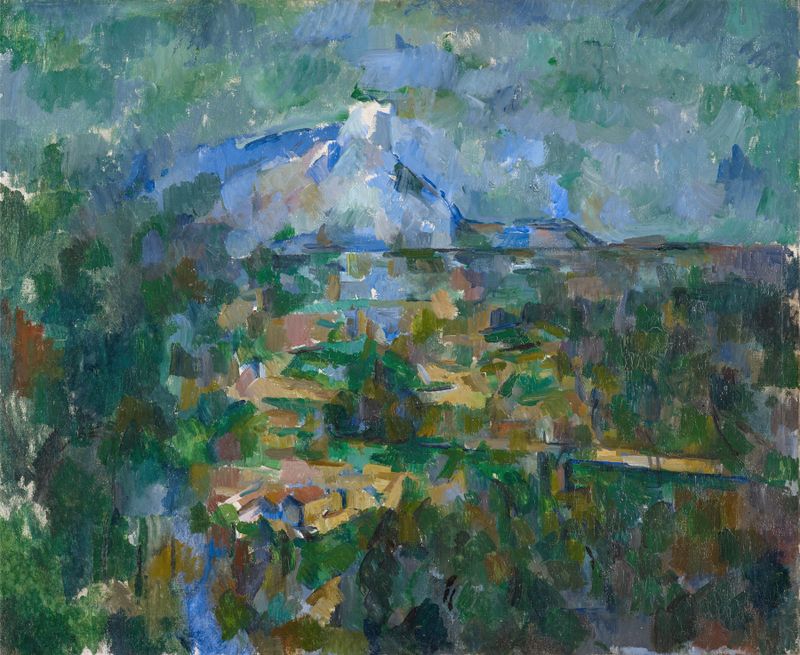
View of Mount Sainte-Victoire from Les Lauves
Paul Cezanne
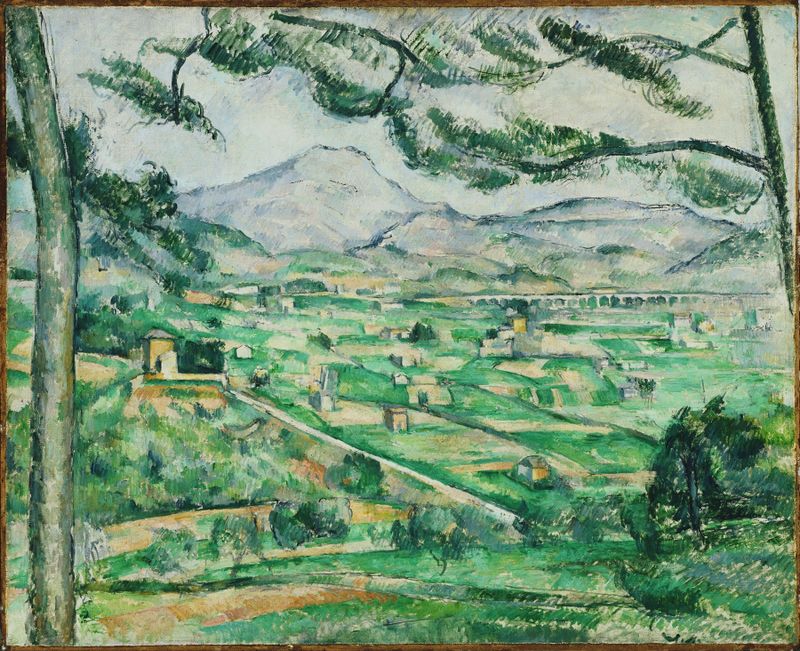
Mont Sainte-Victoire 2
Paul Cezanne

The Basket of Apples
Paul Cezanne

Mount Sainte-Victoire
Paul Cezanne
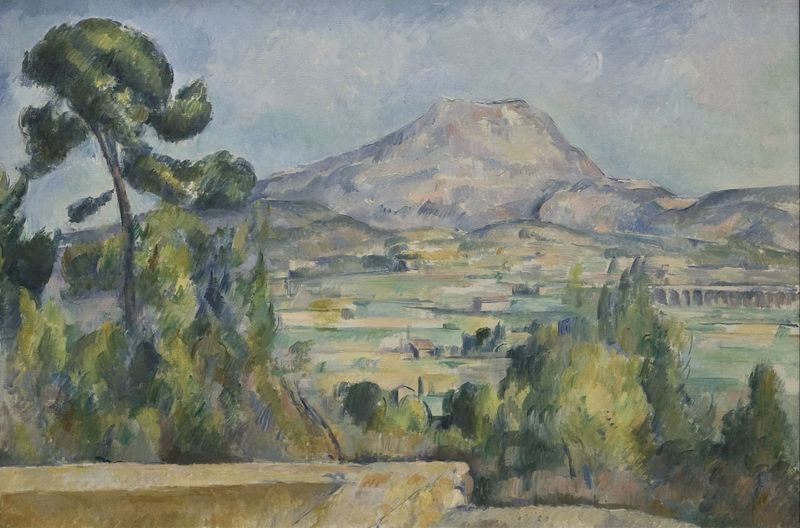
Montagne Saint-Victoire
Paul Cezanne
More Portrait Art
Browse all →
Las meninas
Diego Velázquez

Self-portrait with a Bandaged Ear and Pipe
Unidentified artist

Girl with a Pearl Earring
Johannes Vermeer

The Sampling Officials of the Amsterdam Drapers’ Guild, Known as ‘The Syndics’
Rembrandt van Rijn

The Hundred Guilder Print: the man seen on the back in the lower left corner
Rembrandt van Rijn

Portrait of Dr Gachet
Vincent van Gogh