
Justice Disarmed by Innocence and Applauded by Prudence — History & Facts
What first draws the eye in Justice Disarmed by Innocence and Applauded by Prudence is the gentle but decisive gesture at its heart: a young woman, draped in red and white, lowers her sword as a cherubic child—Innocence—guides her hand away from violence. The scales she holds are perfectly balanced, each side bearing a laurel branch, suggesting a harmony not of punishment, but of peace. To the left, another figure—helmeted and wrapped in golden drapery—offers a mirror, the symbol of Prudence, reflecting wisdom and self-knowledge back into the scene.
The sky behind them opens in soft clouds and serene blue, the light caressing bare shoulders and gilded armor alike, setting a mood of clarity and calm. Every detail, from the glint on the helmet to the rosy flesh of the child, signals that this is not a scene of battle, but a moment where justice listens, considers, and—just for now—chooses mercy. Painted in 1766, this work belongs to the world of late eighteenth-century France, when allegory was both a language and a tool for artists like Louis-Jean-François Lagrenée. Such paintings were often commissioned for salons, palaces, or state buildings, where they would serve as visual lessons in virtue and governance.
The figures here are not portraits, but ideals, rendered with the clarity and polish prized by the academic tradition of the time. History has kept few traces of this particular painting’s early journey, but today it resides in the Princeton Art Museum’s collection, a reminder of an era when art was expected to instruct as well as delight. Stand before it and consider: what does it mean, in any age, for justice to be persuaded by innocence?
More Artworks by Louis-Jean-François Lagrenée
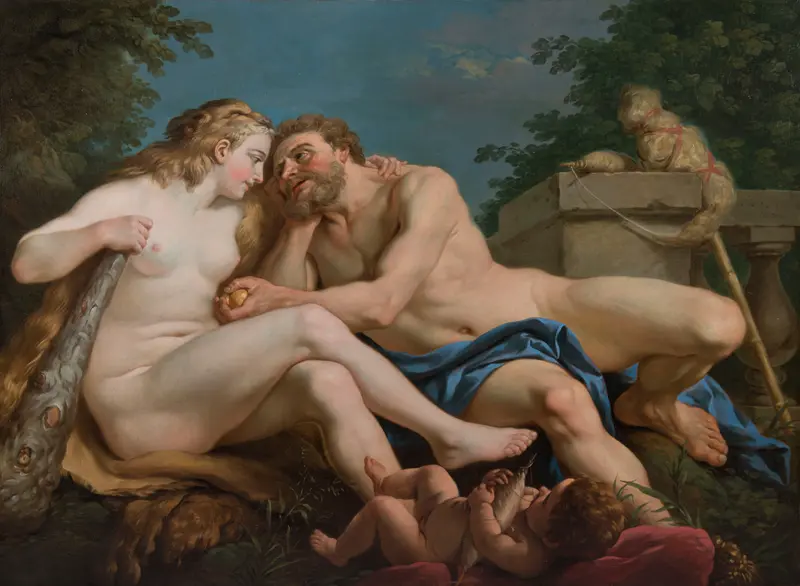
Herkules and Omphale
Louis-Jean-François Lagrenée
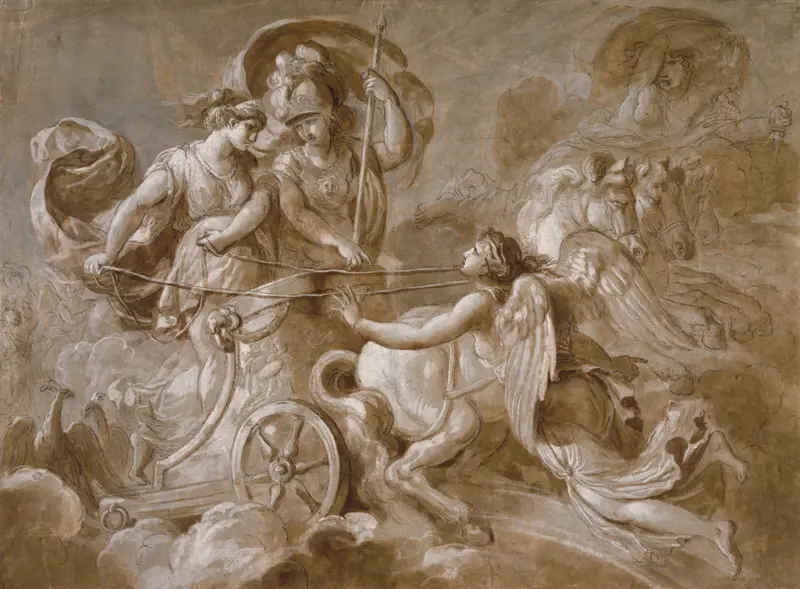
Iris Approaching Athena and Hera
Louis-Jean-François Lagrenée
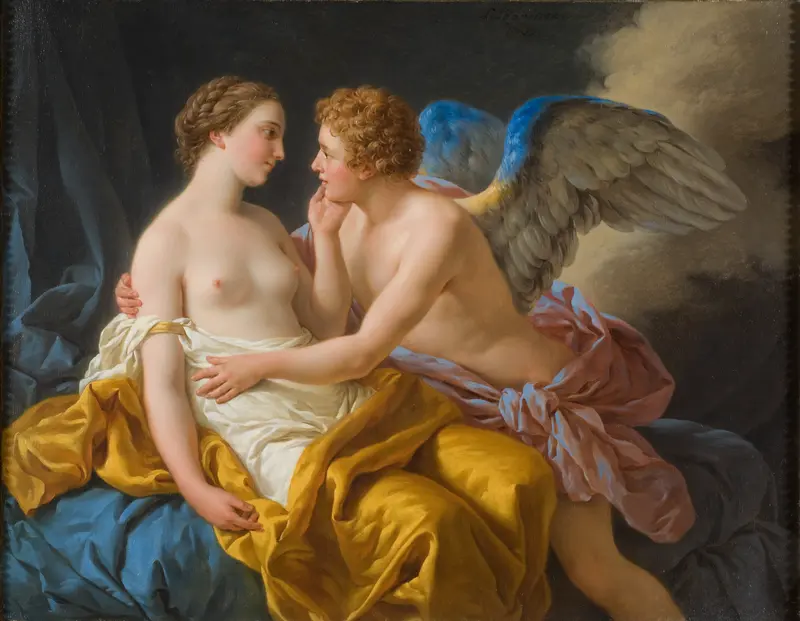
Cupid and Psyche
Louis-Jean-François Lagrenée
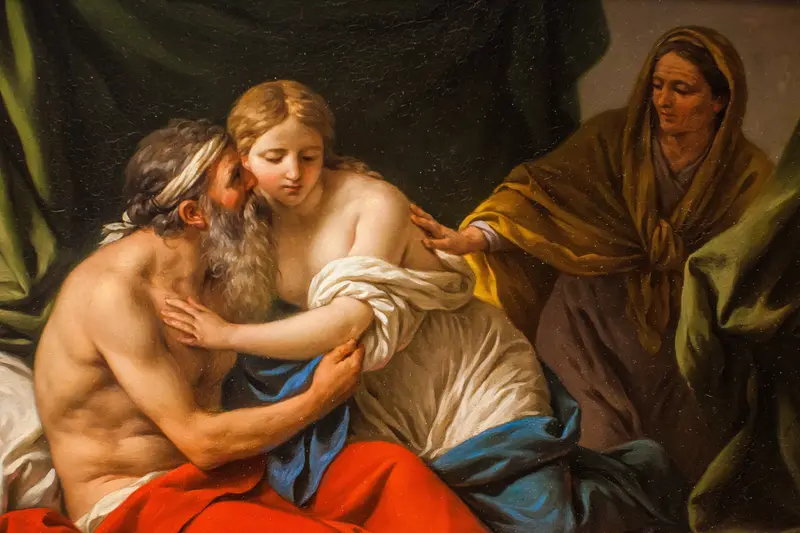
Sarah Presenting Hagar to Abraham
Louis-Jean-François Lagrenée
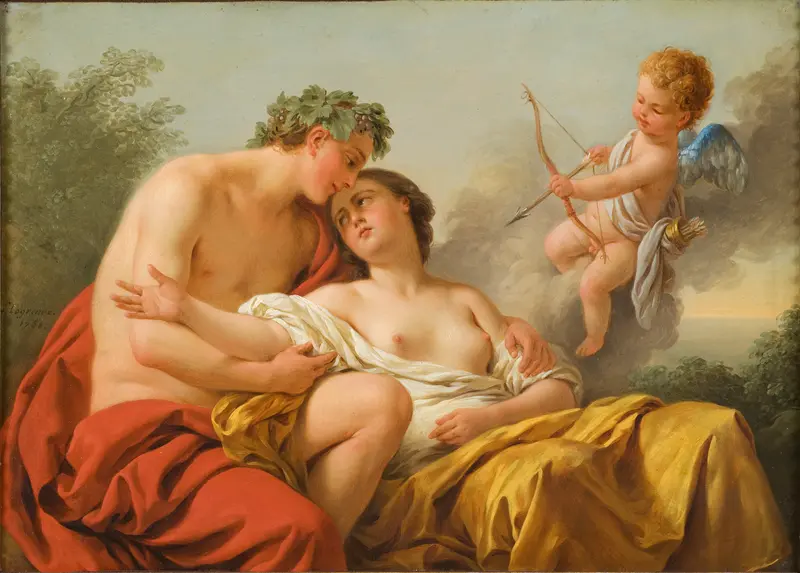
Bacchus and Ariadne
Louis-Jean-François Lagrenée
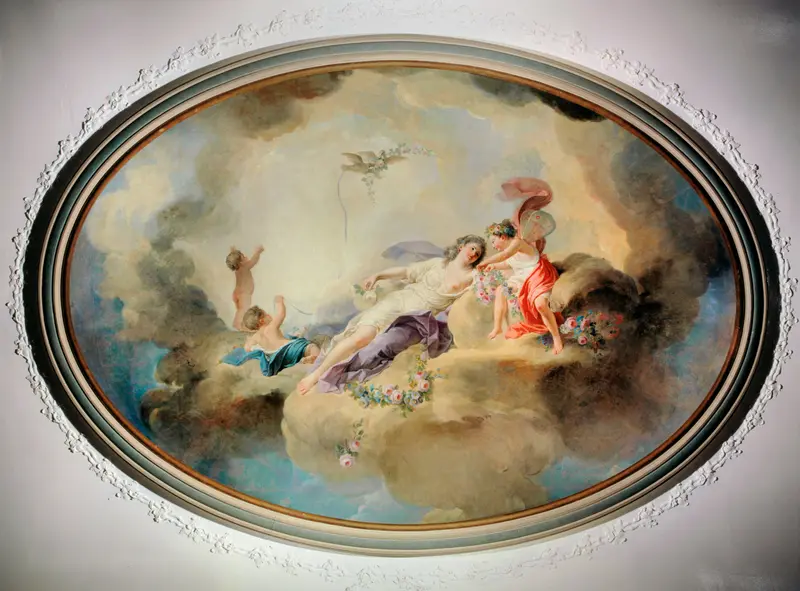
Louis Jean François Lagrenée Le triomphe de Flore P787 Musée Carnavalet
Louis-Jean-François Lagrenée
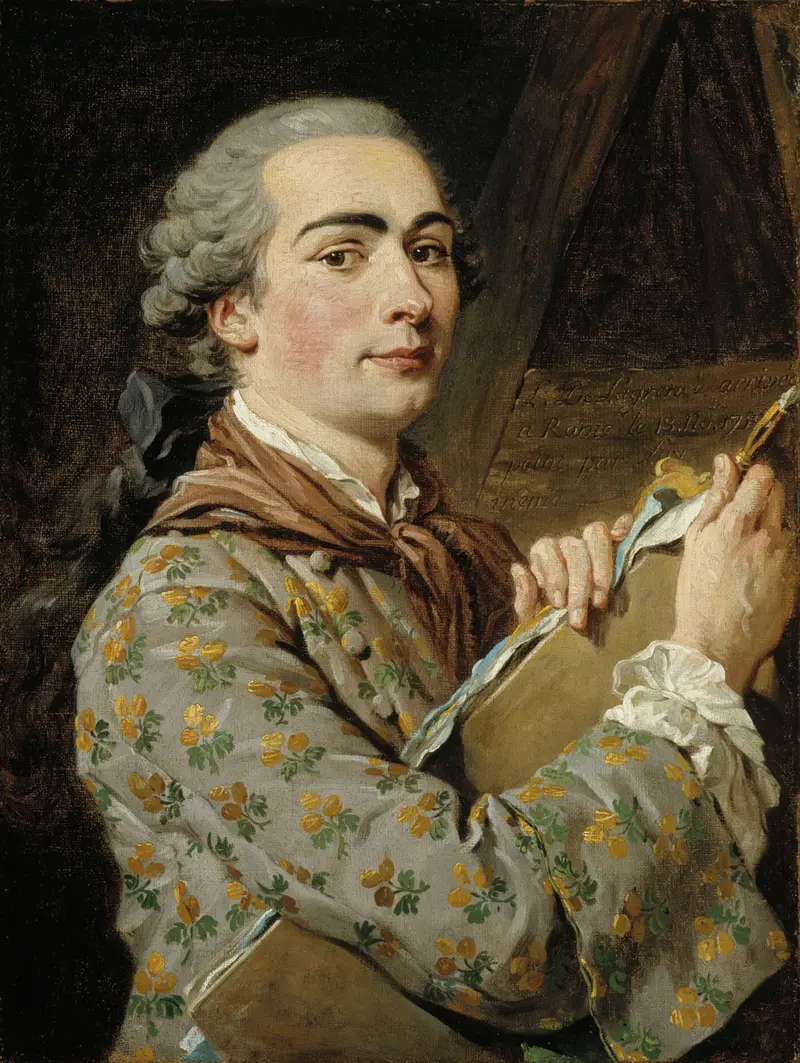
Self-Portrait
Louis-Jean-François Lagrenée
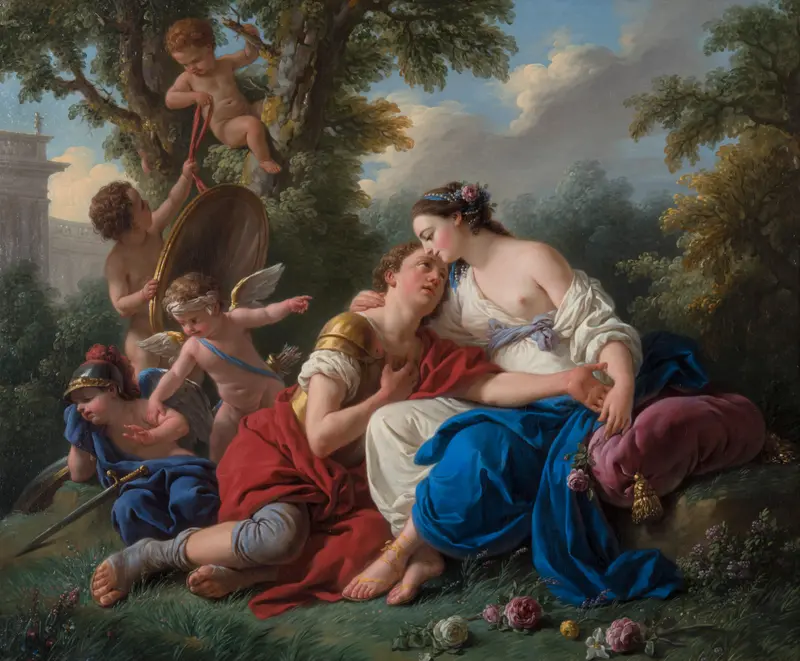
Rinaldo and Armida
Louis-Jean-François Lagrenée
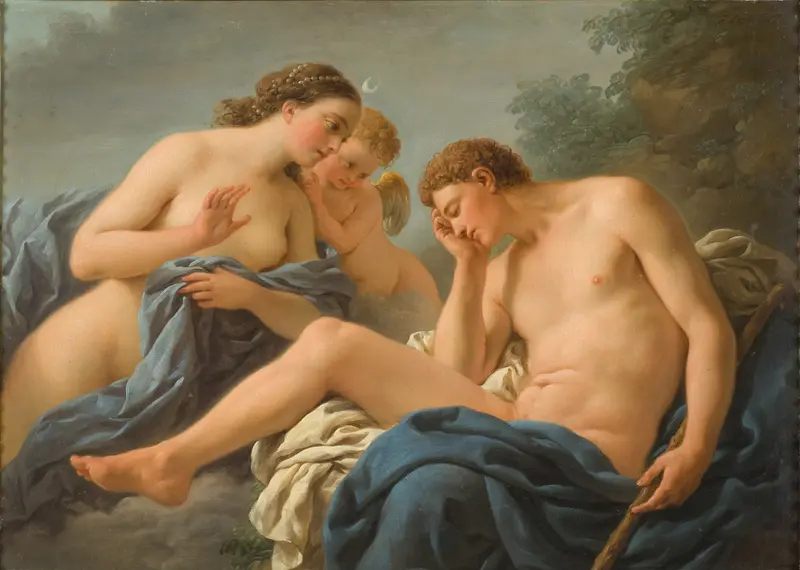
Diana and Endymion
Louis-Jean-François Lagrenée
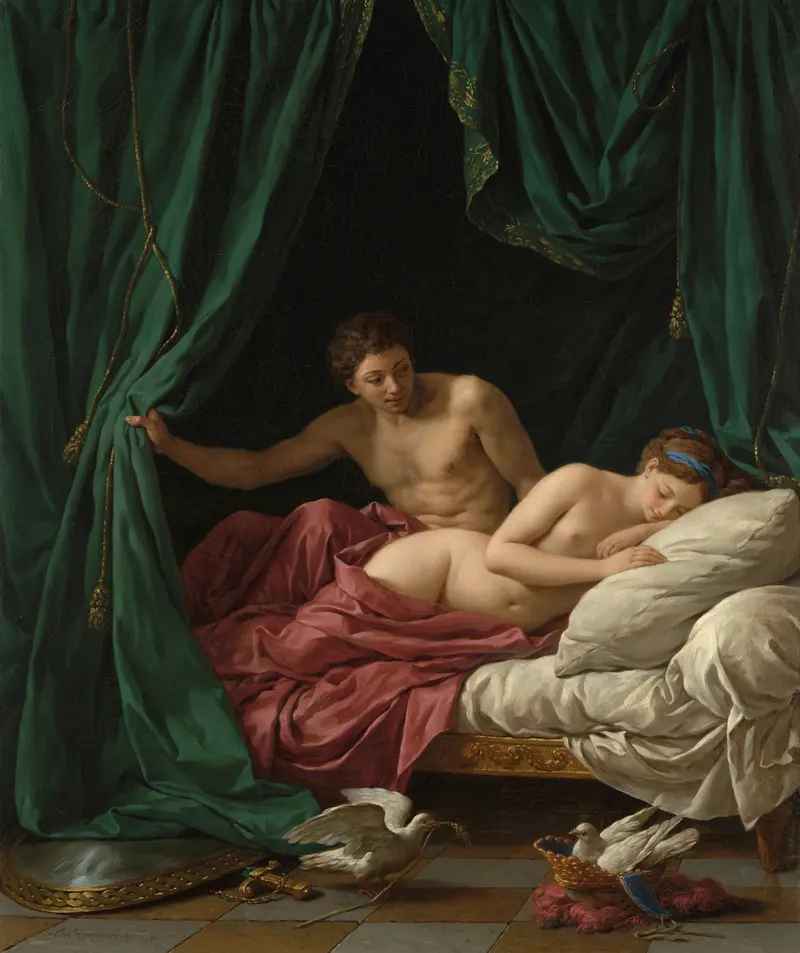
Mars and Venus, Allegory of Peace
Louis-Jean-François Lagrenée





