
Kains Flucht — History & Facts
Where does light end, and longing begin? In the depths of a shadowed landscape, this question echoes through the interplay of decay and vitality that unfolds within the frame. Look to the left where the sprawling ruins of a crumbling structure emerge from a dense thicket. The artist masterfully juxtaposes the vibrant greens of encroaching foliage against the muted, weathered grays of stone. Light filters through the trees, casting dappled shadows that dance across the ground, inviting the viewer’s gaze deeper into the scene.
The delicate brushwork conveys a sense of texture—the roughness of the stones contrasted with the soft, almost tender reach of nature reclaiming its space. Delve into the emotional resonance of solitude and abandonment that permeates the composition. The ruins, a remnant of a once-thriving existence, embody both the passage of time and the inevitability of decay. This tension between nature’s perseverance and humanity's ephemeral creations speaks to the universal experience of loss, urging contemplation on what remains after the light has faded.
The play of light and shadow serves as a metaphor for hope and despair, suggesting that within decay lies the potential for renewal. In the early 1860s, Schirmer found himself deeply engaged in the Romantic movement, anchored in the German landscape. This period of his life was marked by a fascination with nature’s beauty and pathos. Kains Flucht, painted amidst a growing interest in the interplay of light and dark, reflects both personal and societal struggles, drawing on the emotional complexities of a world in transition.
Amidst the backdrop of industrialization, the artist contemplated the fragility of existence through his evocative landscapes.
More Artworks by Johann Wilhelm Schirmer
Browse all →
Waldlandschaft mit Blick auf Olevano und den Monte Cavo
Johann Wilhelm Schirmer
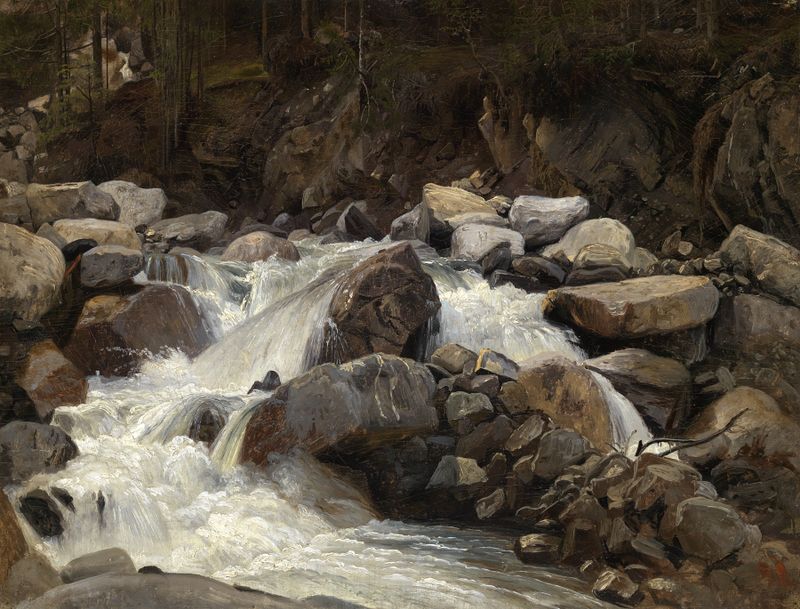
Schweizer Gebirgsbach
Johann Wilhelm Schirmer
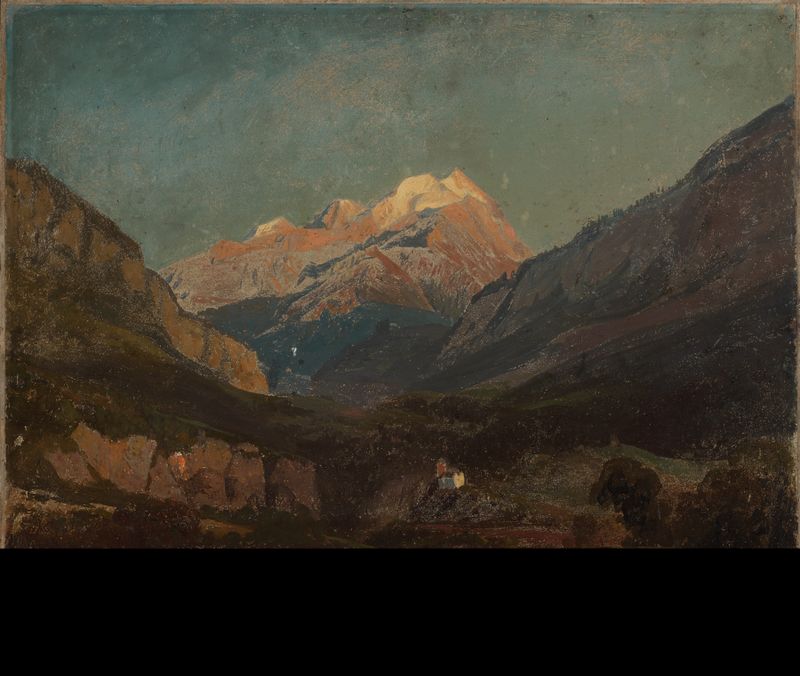
Schweizer Gebirgslandschaft mit Kapelle und fernem Schneegipfel
Johann Wilhelm Schirmer

Schweizer Gebirgslandschaft mit dem Piz Beverin im Hintergrund
Johann Wilhelm Schirmer

Waldinneres mit Hirschen am Wasser
Johann Wilhelm Schirmer

The Wetterhorn
Johann Wilhelm Schirmer

Partie aus der Römischen Campagna
Johann Wilhelm Schirmer

Felsabhang in der Schweiz
Johann Wilhelm Schirmer
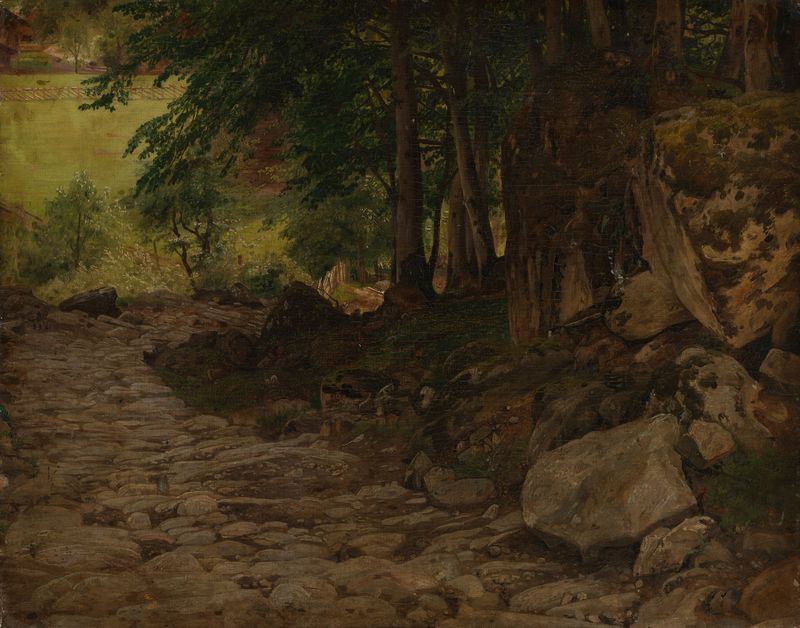
Felsweg in der Schweiz
Johann Wilhelm Schirmer
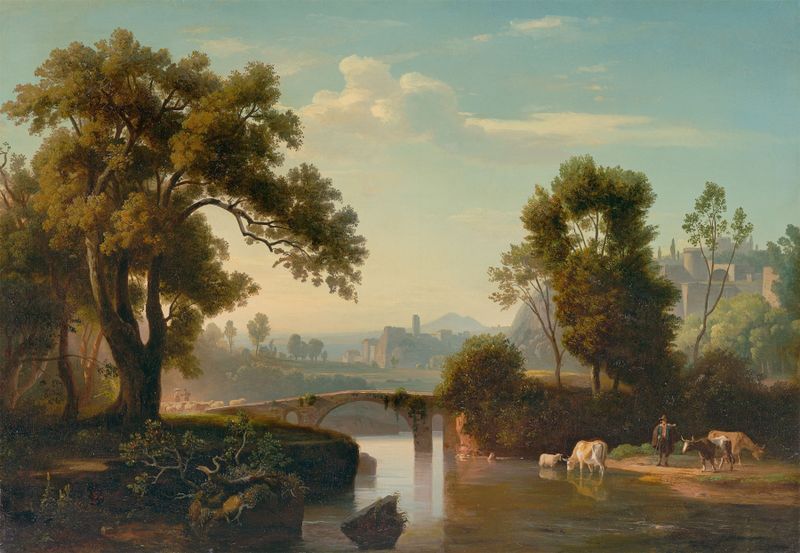
Italienische Landschaft mit Hirten
Johann Wilhelm Schirmer





