
Kantwerkster — History & Facts
What secret hides in the quiet of the canvas? In Wenceslaus Hollar's Kantwerkster, a simple act of lace-making transcends into a realm of wonder, capturing the awe of creation in its most delicate form. Look closely at the figure centered within the composition; she is engrossed in her task, the lace threads dancing between her fingers. Notice how the soft light cascades from an unseen source, illuminating her focused expression and casting gentle shadows that whisper of time's passage. The subtle earth tones contrast beautifully with the stark whites of the lace, creating a harmony that draws the viewer’s eye toward the intricate patterns forming in her hands. In this quiet moment, Hollar invites us to reflect on themes of labor and artistry.
The lace, both fragile and resilient, symbolizes the tension between beauty and transience, while the woman's serene demeanor suggests a profound connection to her craft. Her isolation from the bustling world outside hints at the deeper narrative of women's roles in society, where their contributions often remain unseen, yet are foundational to the fabric of culture and history. Painted in 1636, during his time in England, Hollar was surrounded by a rapidly changing artistic landscape. The Baroque period flourished around him, filled with grandeur and complexity, yet he chose to focus on this intimate scene, capturing the essence of everyday life.
This choice reflects a shift towards realism and personal expression, positioning Hollar as a crucial figure in the development of naturalism in art during this era.
More Artworks by Wenceslaus Hollar
Browse all →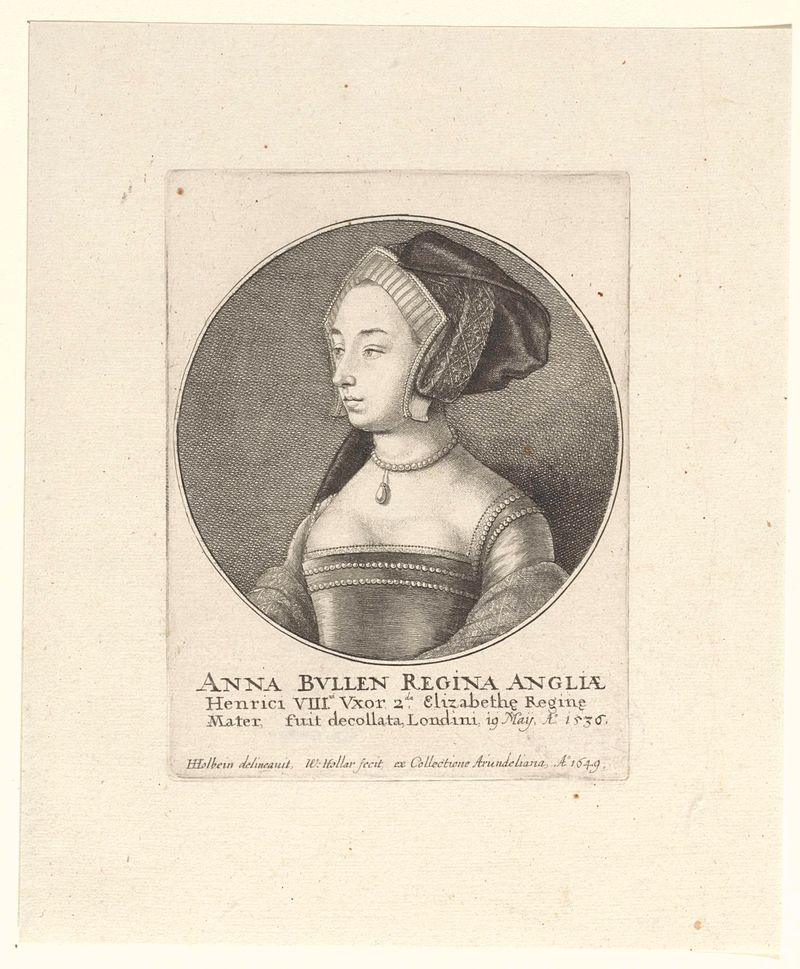
Portret van Anna Boleyn, koningin van Engeland
Wenceslaus Hollar
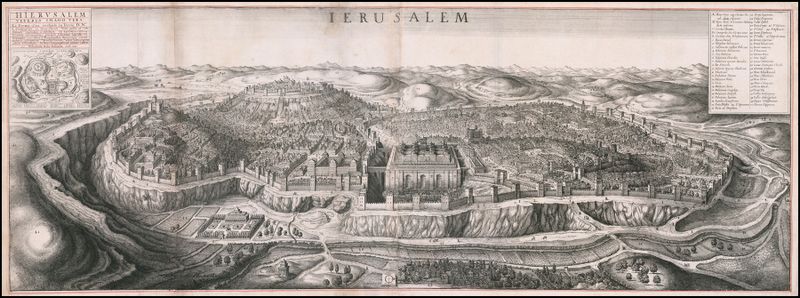
Bird’s eye view of Jerusalem
Wenceslaus Hollar
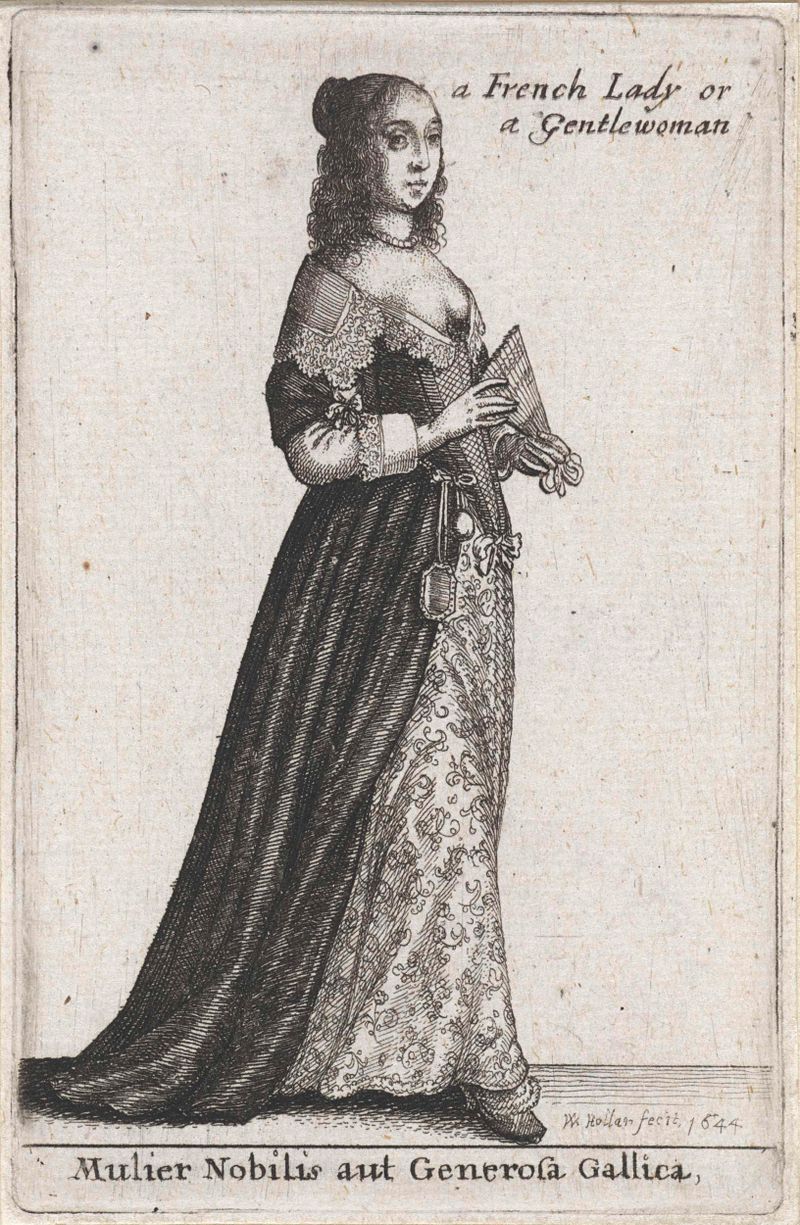
Mulier Nobilis aut Generosa Gallica / a French Lady or Gentlewoman
Wenceslaus Hollar
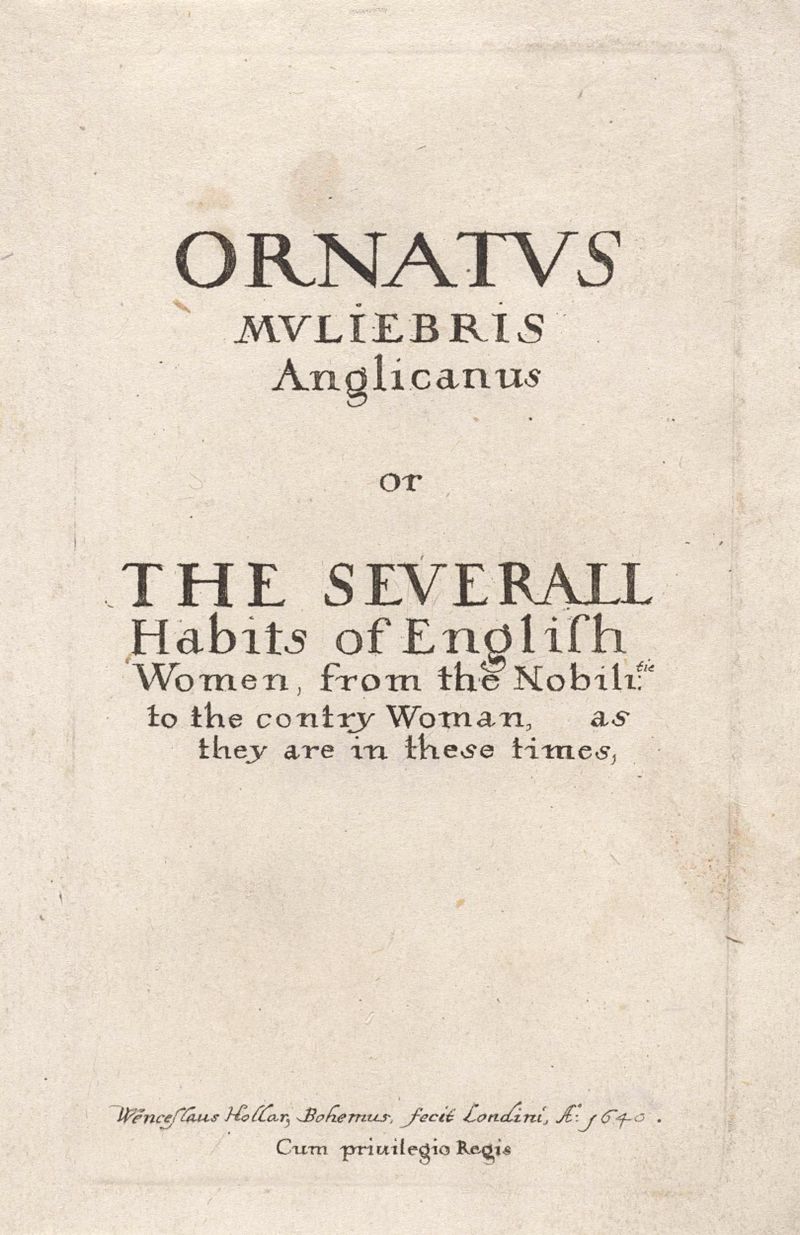
Titelprent voor: Ornatus Muliebris Anglicanus
Wenceslaus Hollar
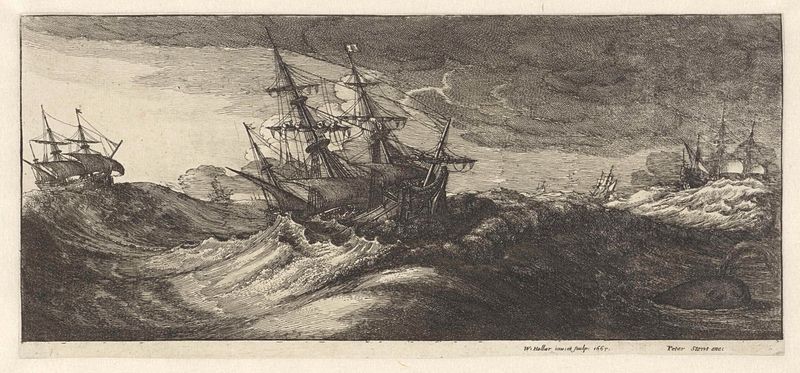
Oorlogsschepen en een walvis in een zeestorm
Wenceslaus Hollar
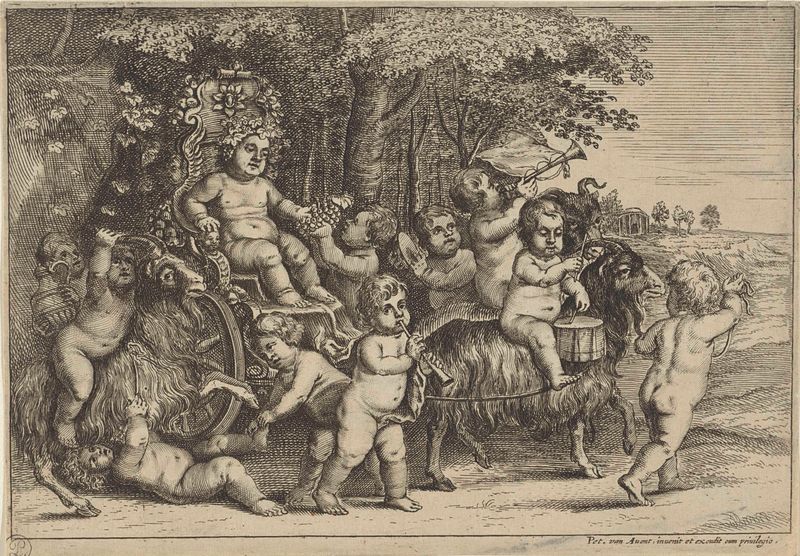
Optocht van bacchant en jongetjes op geiten
Wenceslaus Hollar
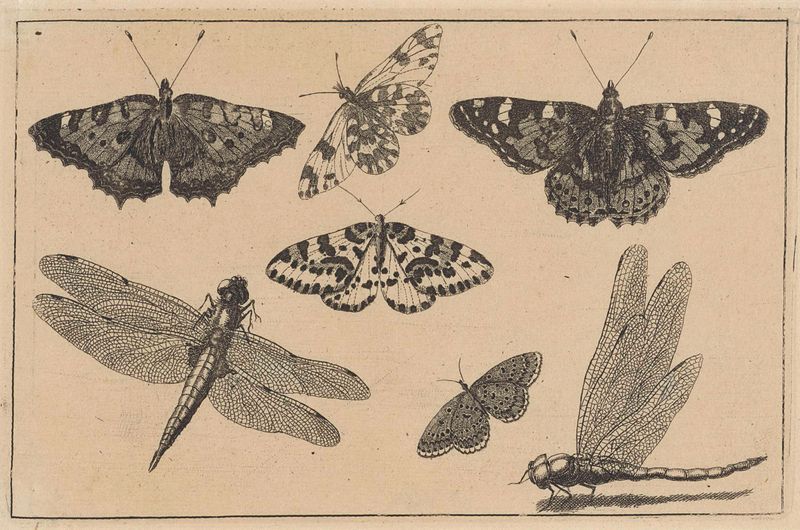
Twee libellen en vijf vlinders
Wenceslaus Hollar
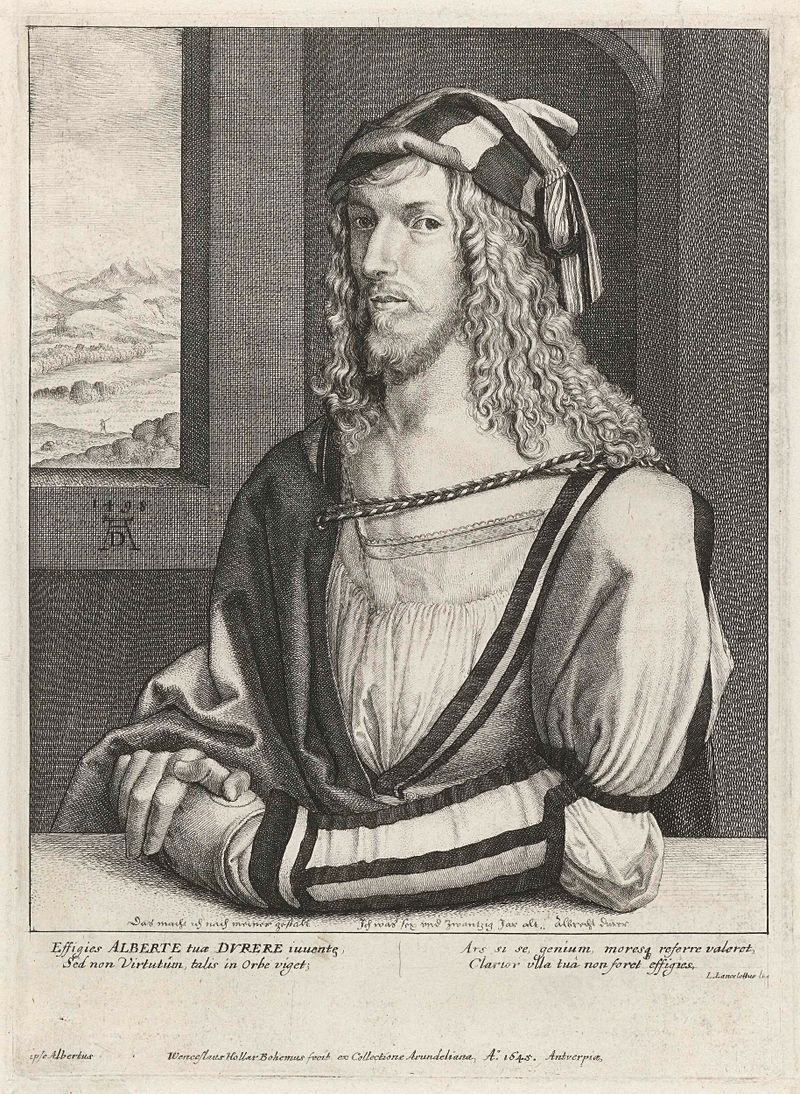
Portret van Albrecht Dürer
Wenceslaus Hollar
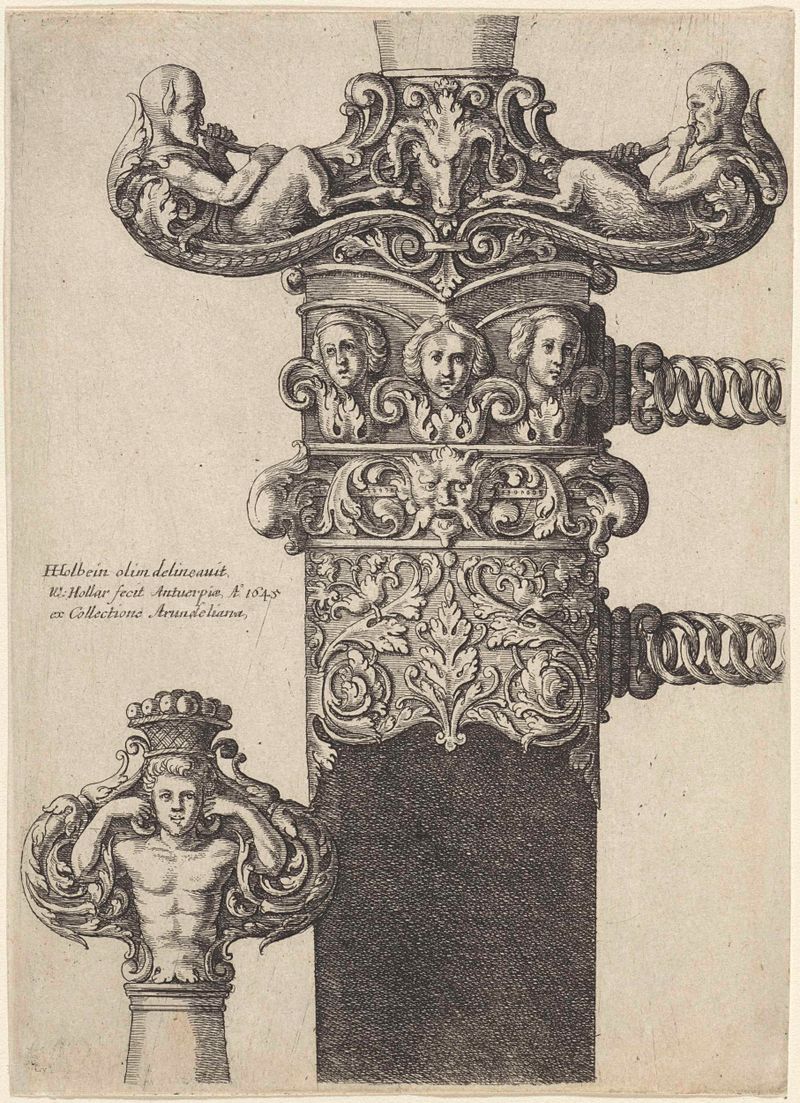
Ornamenteel ontwerp voor een dolk
Wenceslaus Hollar
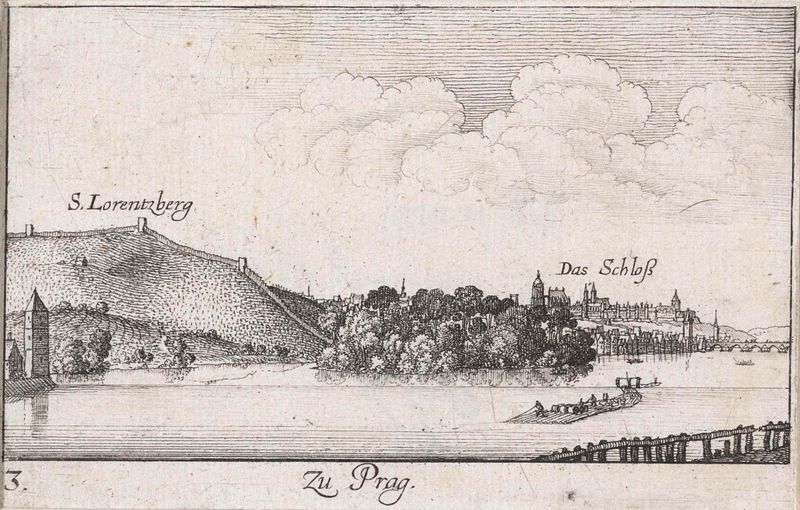
Gezicht op Praag vanaf de Moldau
Wenceslaus Hollar





