
Kasteel van Chillon — History & Facts
What if silence could speak through light? In Kasteel van Chillon, the interplay of shadow and illumination whispers of destiny woven into the stone and water. Look to the foreground, where the rippling lake cradles the ancient castle, its weathered stones emerging from the depths like a timeless sentinel. Notice how the soft light bathes the scene in a warm embrace, creating a harmonious balance between the rugged fortifications and the serene landscape. The palette is rich with earthy tones, inviting viewers to explore the textures of history and nature, while the brushstrokes lend a gentle movement to the water's surface, evoking a sense of tranquility. Yet, beneath this calm exterior lies a tension between permanence and transience.
The castle, a monument to resilience, stands firm against the backdrop of fleeting reflections that dance upon the lake, suggesting the inevitable passage of time. The looming mountains serve as a reminder of nature's grandeur and the insignificance of mankind's creations, reinforcing the idea that destiny is shaped by both human ambition and the inexorable forces of the natural world. Etienne Bosch painted Kasteel van Chillon between 1873 and 1931, a period marked by significant artistic evolution in Europe. Residing in Switzerland, Bosch immersed himself in the landscape that inspired his work, capturing its interplay of light and shadow at a time when Romanticism and Impressionism were shaping the artistic dialogue.
His experience in the Swiss countryside profoundly influenced his interpretations, as he sought to blend the beauty of nature with the intricate narratives of history.
More Artworks by Etienne Bosch
Browse all →
Gezicht op de achterkant van de Notre Dame in Parijs Notre Dame
Etienne Bosch
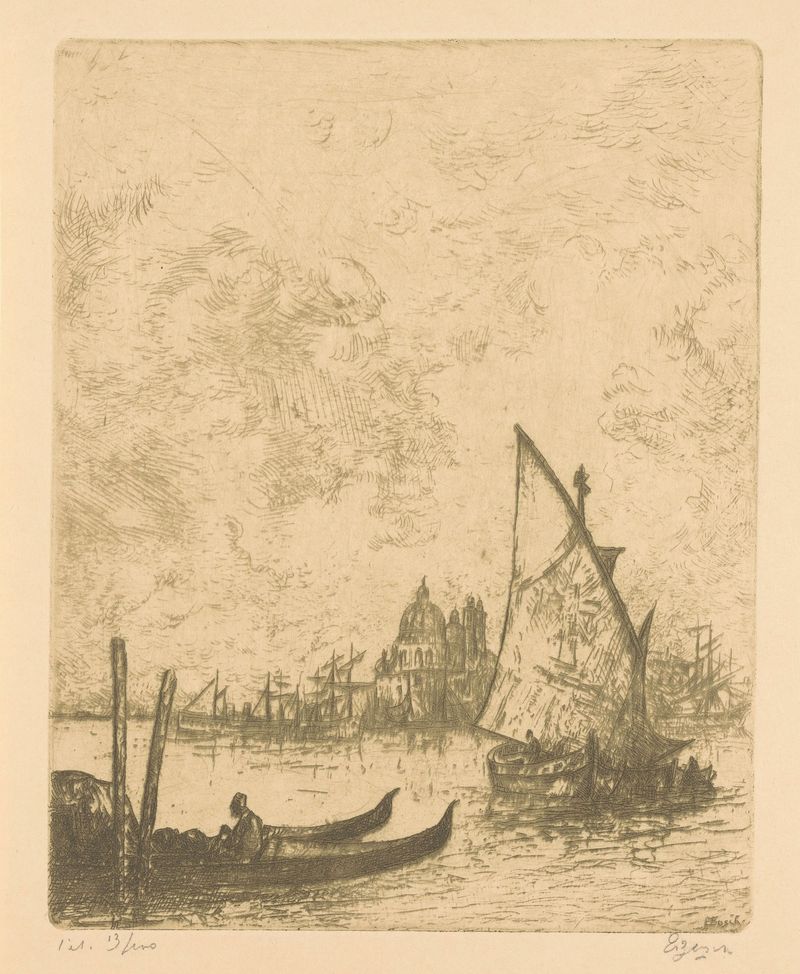
Venetië
Etienne Bosch

Amsterdamse poort te Haarlem
Etienne Bosch

Le Palatin Rome
Etienne Bosch

Landschap bij Rome
Etienne Bosch
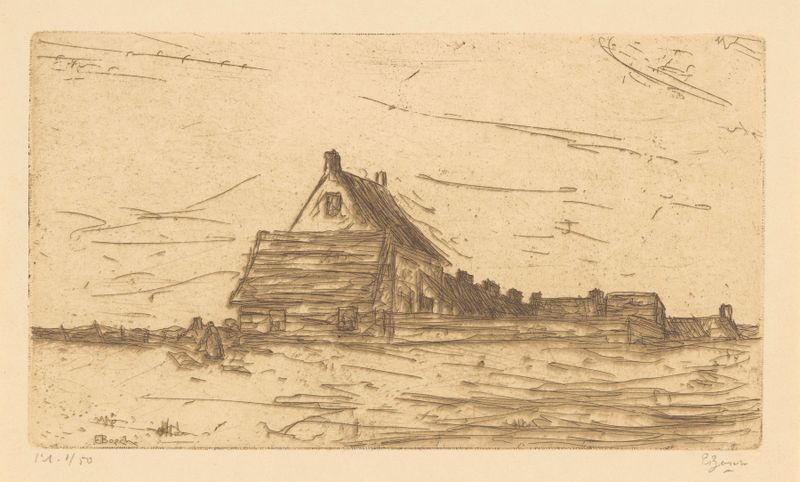
Boerenwoning
Etienne Bosch

Scheveningen
Etienne Bosch
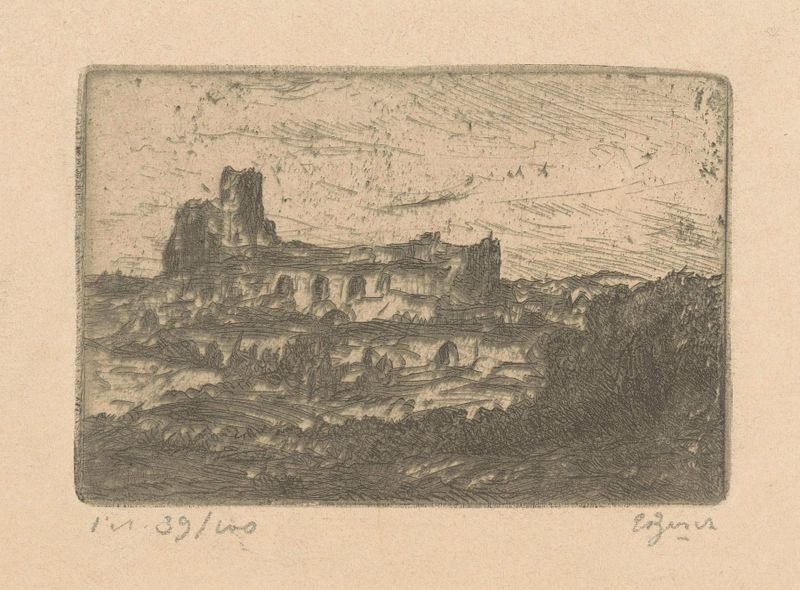
Ruïne Rome
Etienne Bosch
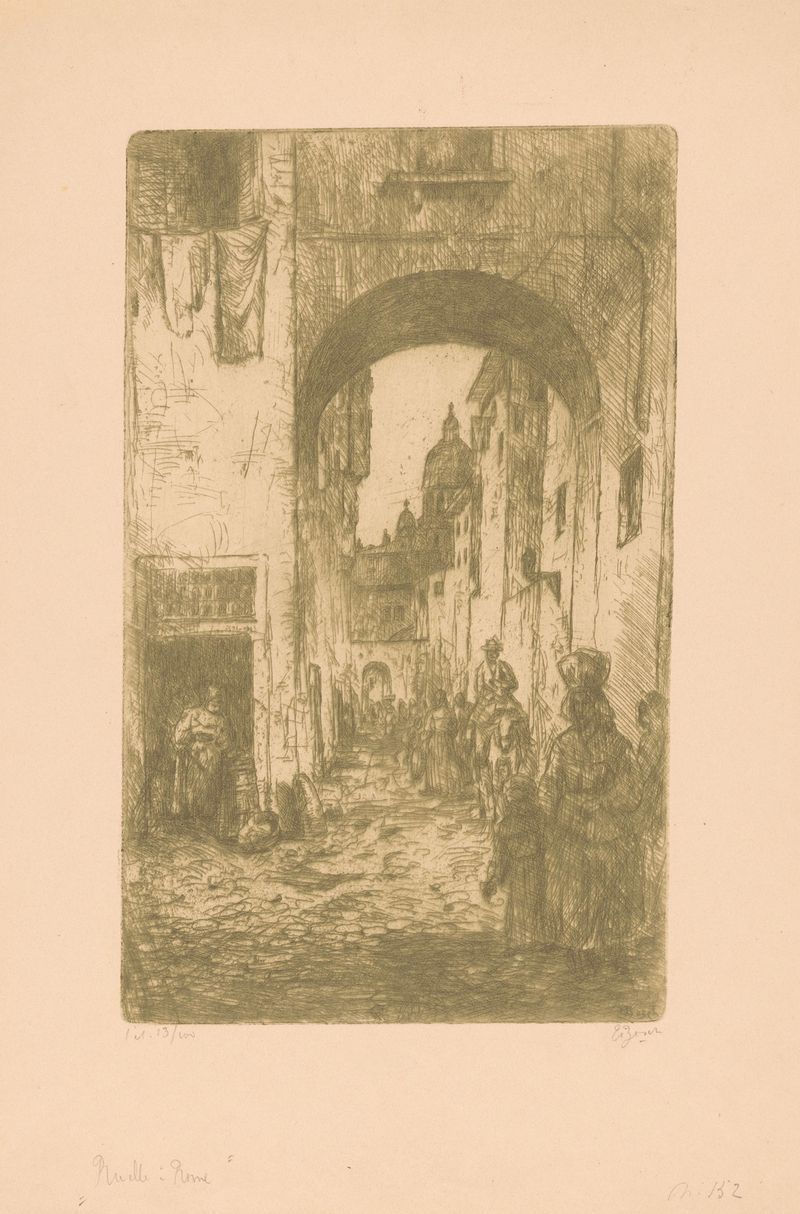
Ruelle, Rome
Etienne Bosch
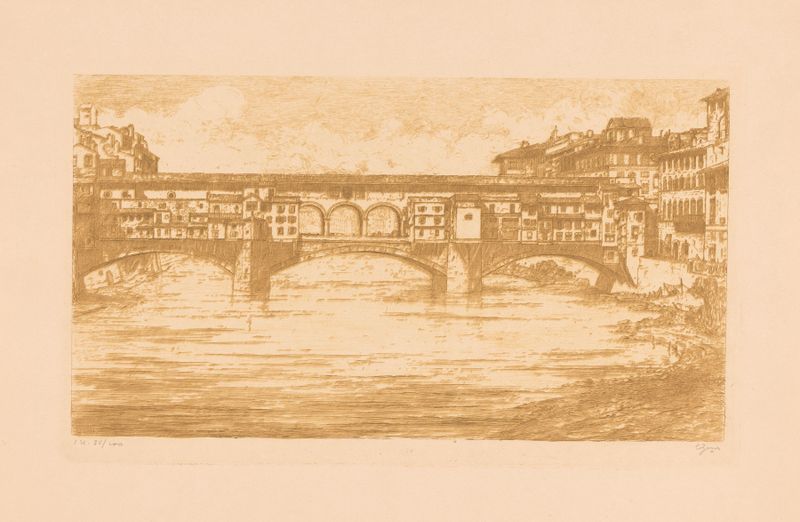
Ponte Vecchio in Florence
Etienne Bosch
More Architecture Art
Browse all →
The statue of Liberty
Frédéric Auguste Bartholdi

View of Houses in Delft, Known as ‘The Little Street’
Johannes Vermeer

View of Houses in Delft, Known as ‘The Little Street’
Johannes Vermeer

The Cathedral in Rouen. The portal, Grey Weather
Claude Monet

The yellow house
Vincent van Gogh

The Church in Auvers-sur-Oise, View from the Chevet
Vincent van Gogh