
Keep of Coningsborough Castle — History & Facts
In Keep of Coningsborough Castle, the sense of obsession becomes palpable, inviting the viewer into a world where history freezes in time, echoing the relentless passage of life beyond its walls. Look to the foreground, where the castle stands resolute, its stone architecture rendered in warm ochres and soft grays. The artist's brushstrokes breathe life into the aged stones, each textured surface telling tales of glory and decay. Notice how the light dances across the ramparts, illuminating the details that betray both strength and vulnerability.
The cool blue sky serves as a calm backdrop—a stark contrast to the fortress's imposing presence. As you delve deeper, consider the emotional interplay of the castle's steadfastness against the sheer insignificance of the human experience. The tower rises above, a silent witness to the passage of years and the whisper of forgotten stories. Watch as the crumbling walls imply not just durability but also a sense of loss, drawing attention to the obsessions of power and memory that haunt such monuments.
There lies a tension within the frame, an unspoken yearning for what was and what can never return. Fielding created this piece in 1825, a time when the romantic fascination with medieval history was on the rise. Having settled in England, he was immersed in the picturesque beauty of British landscapes, capturing moments that resonated deeply with the public’s nostalgia. This period marked a significant shift in the art world, as artists began to explore themes of memory and emotion, reflecting a growing desire to connect with the past amidst a rapidly changing society.
More Artworks by Theodore Henry Adolphus Fielding
Browse all →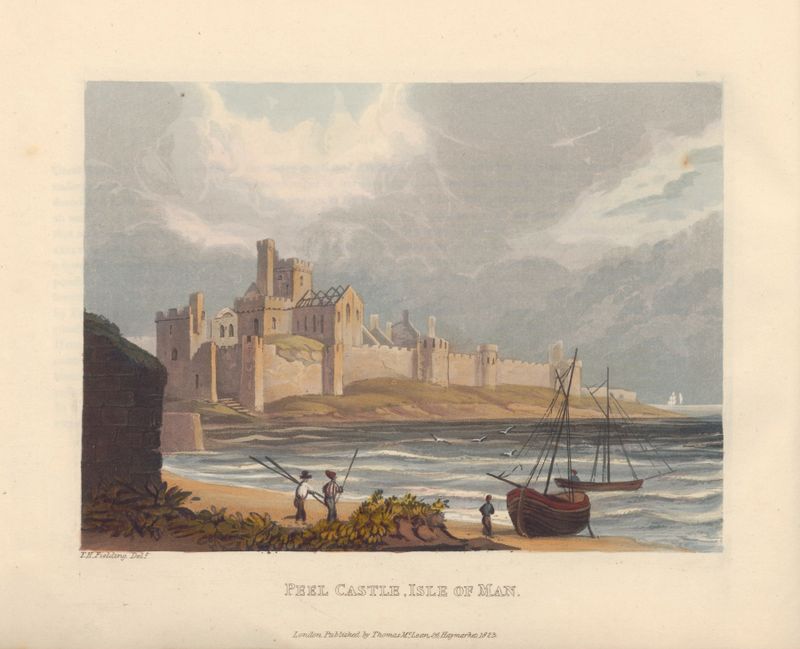
Peel Castle, Isle of Man
Theodore Henry Adolphus Fielding
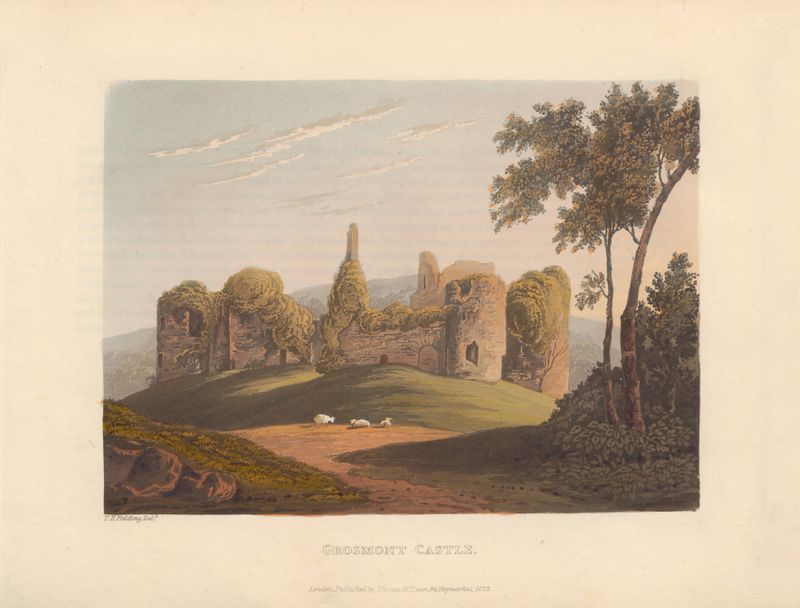
Grosmont Castle
Theodore Henry Adolphus Fielding
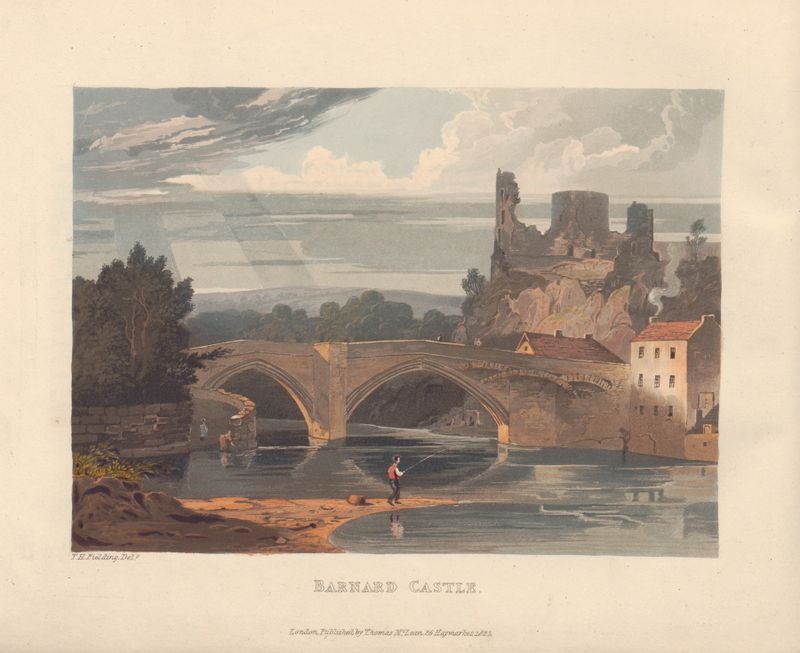
Barnard Castle
Theodore Henry Adolphus Fielding
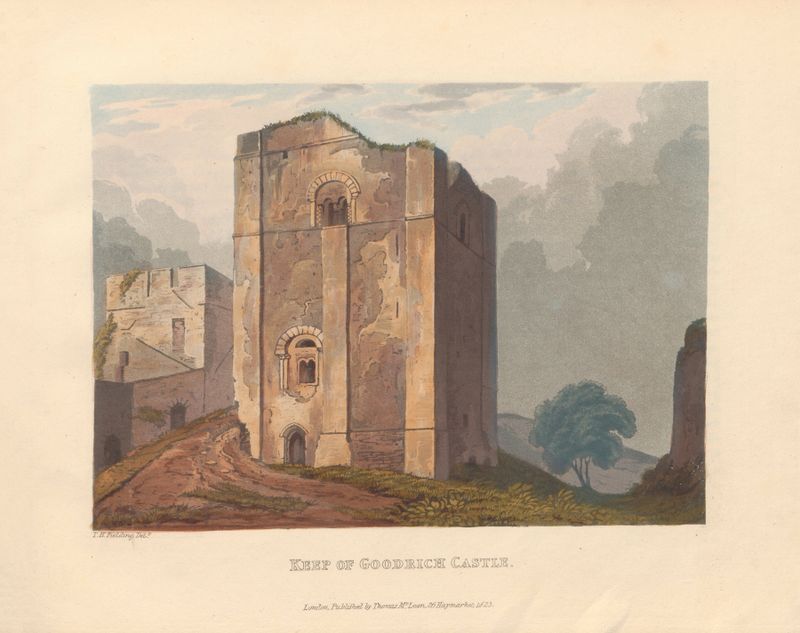
Keep of Goodrich Castle
Theodore Henry Adolphus Fielding
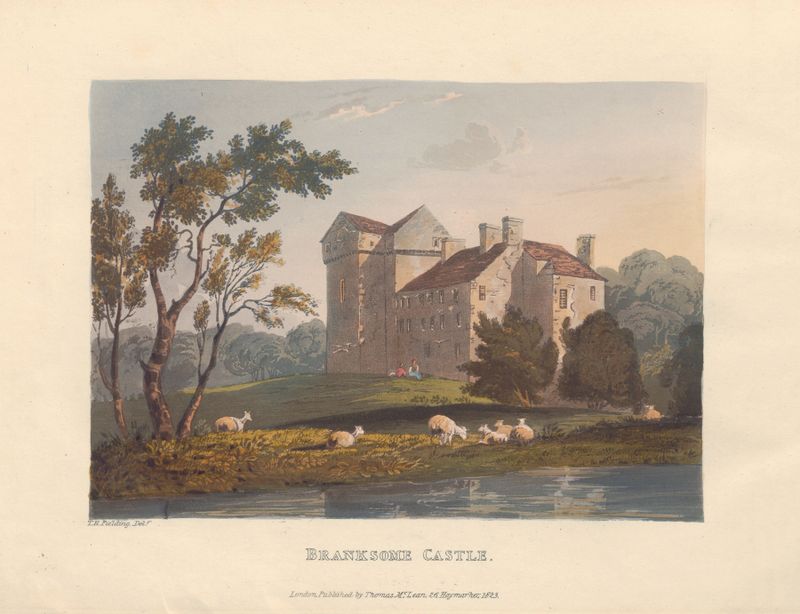
Branksome Castle
Theodore Henry Adolphus Fielding
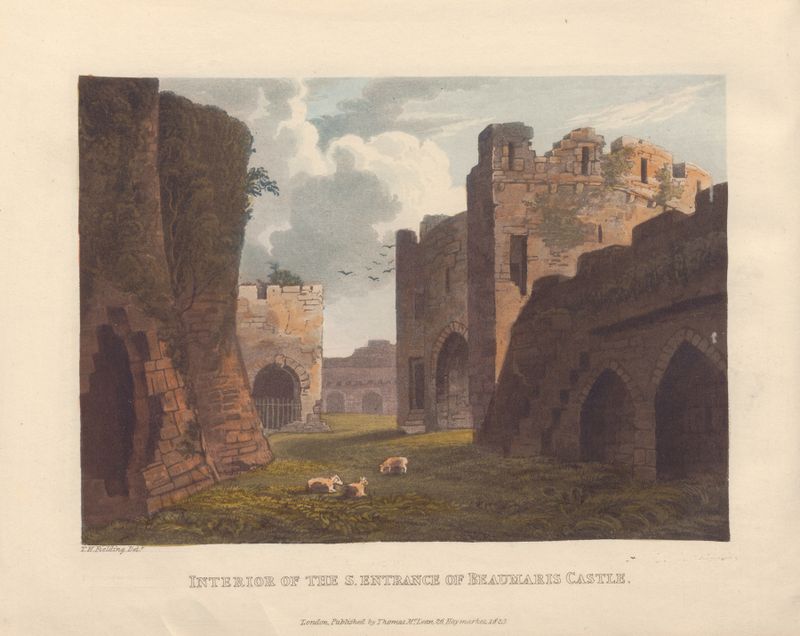
Interior of the south entrancce of Beaumaris Castle
Theodore Henry Adolphus Fielding
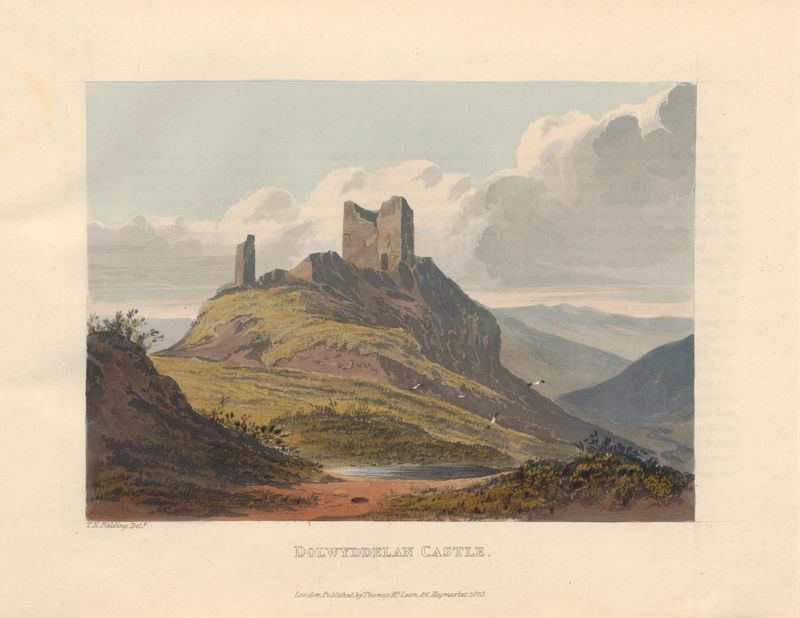
Dolwyddelan Castle
Theodore Henry Adolphus Fielding
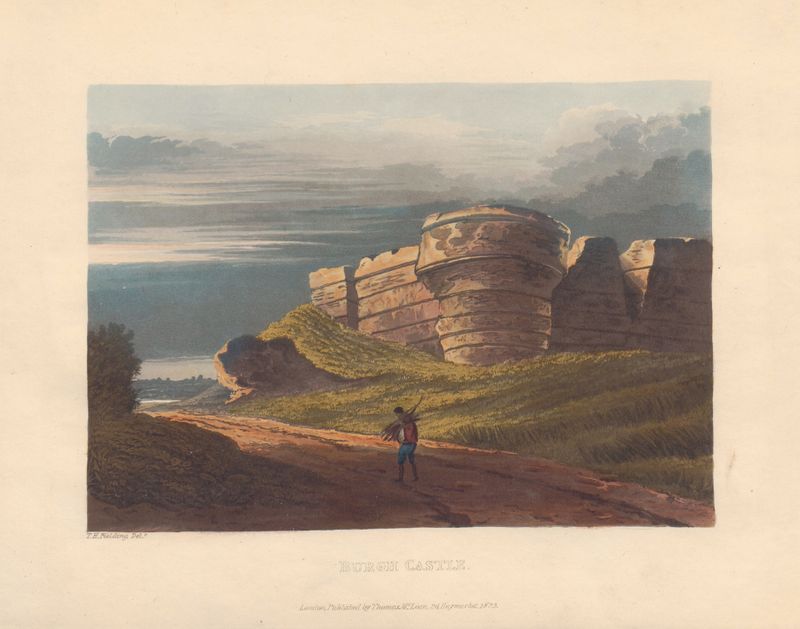
Burgh Castle
Theodore Henry Adolphus Fielding
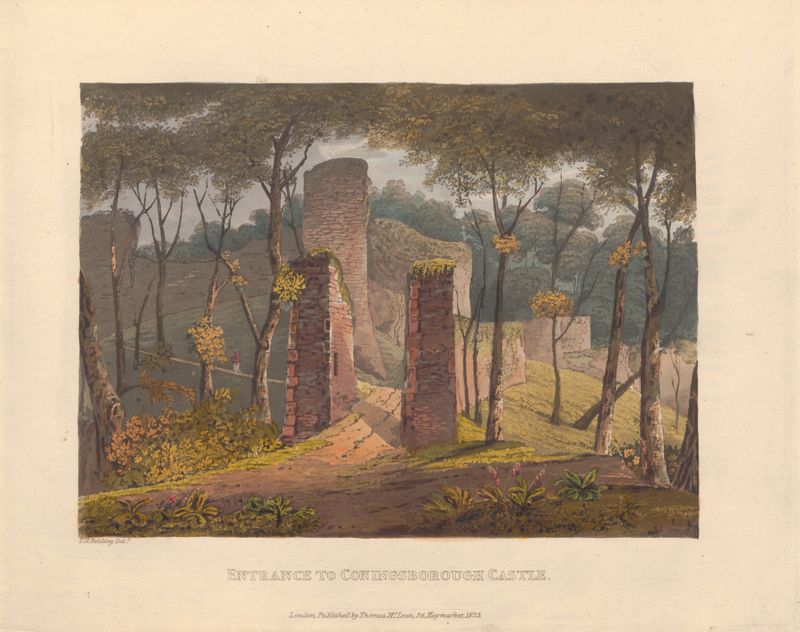
Entrance to Coningsborough Castle
Theodore Henry Adolphus Fielding
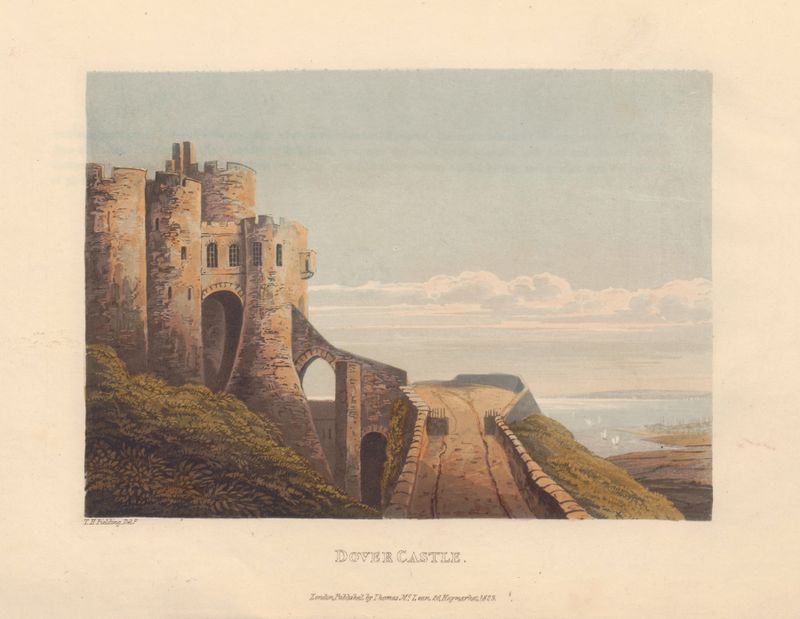
Dover Castle
Theodore Henry Adolphus Fielding





