Ketting — History & Analysis
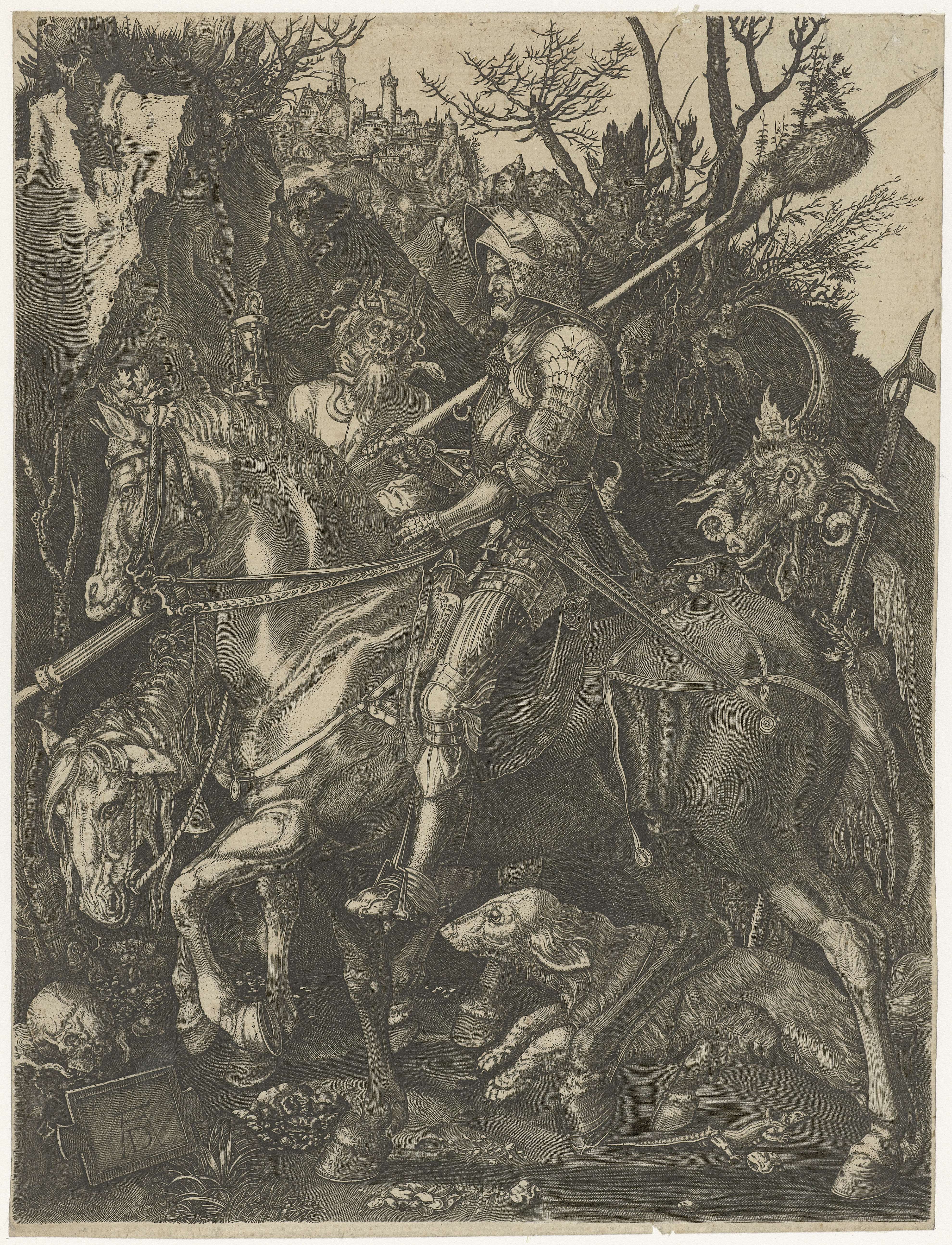
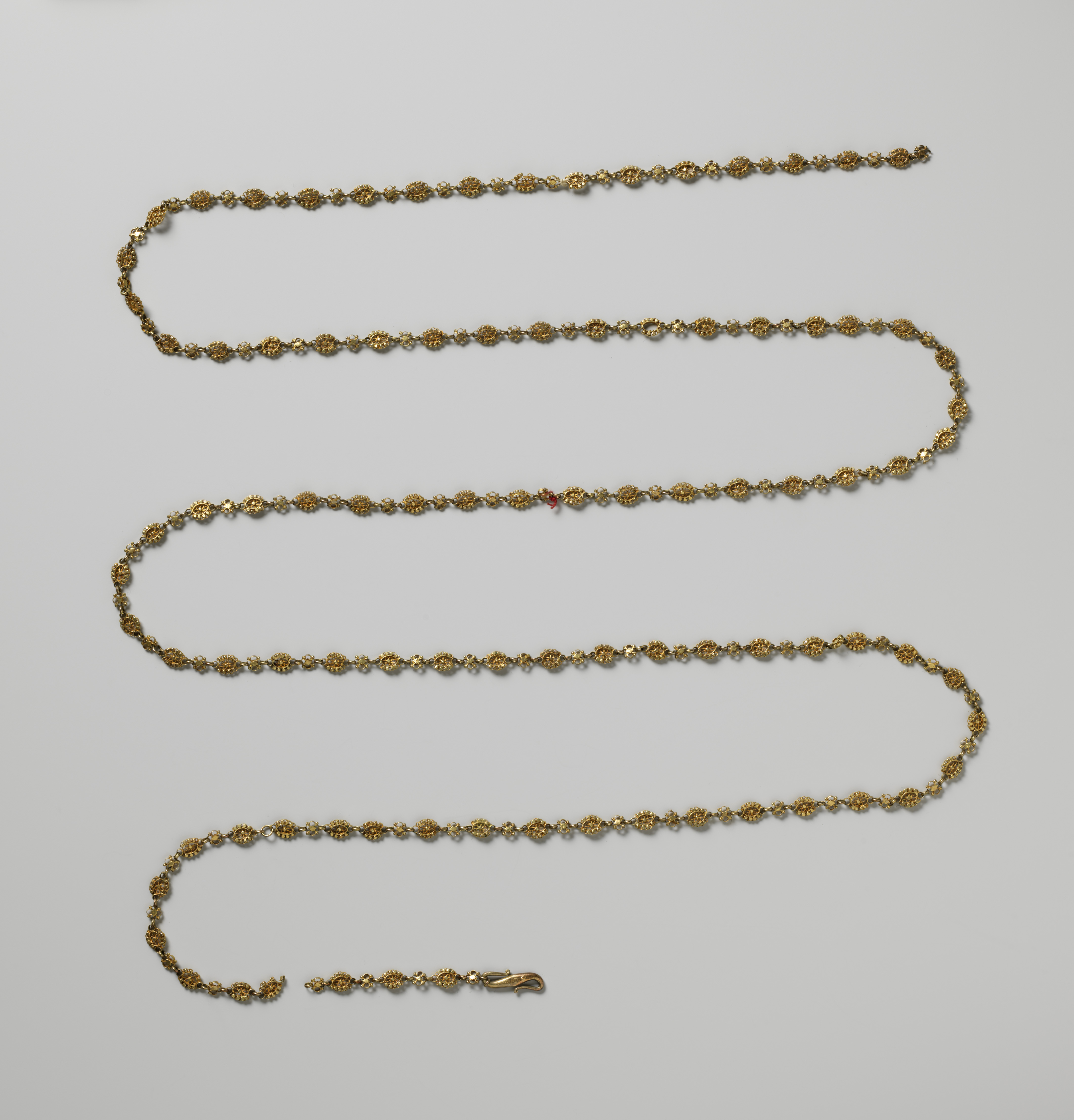
“Between color and silence, truth hides.” Loneliness seeps into the soul through the strands of this enigmatic piece, whispering secrets of isolation and yearning. Here, a quiet tension is palpable, inviting contemplation on the essence of solitude. Look to the upper left, where muted shades of blue and gray converge, casting a somber hue over the composition. Notice how the delicate interplay of light and shadow across the canvas forms a subtle yet powerful contrast, directing your gaze to the intricate details of the central object.
The artist employs a soft brushstroke technique, allowing for a texture that evokes the fragility of human emotion. The muted palette speaks volumes, trapping feelings of melancholy within its confines. In the heart of this piece, the loneliness becomes apparent through the juxtaposition of the vibrant yet isolated elements against a backdrop of desolation. The tension is further heightened by the absence of figures, leaving an emptiness that suggests a story untold.
Each stroke reveals a longing for connection, and the viewer is left pondering the silence that resonates within, as if the work itself were mourning a lost bond. Created between 1800 and 1900, this artwork emerges from an era marked by significant changes in society and shifting artistic movements. The artist, whose identity remains a mystery, likely experienced a world grappling with industrialization and the solitude it wrought upon individuals. It was a time when emotional expression became increasingly valued, reflecting a collective introspection that resonated through the emerging art forms of the period.