
Knoop — History & Facts
Can beauty exist without sorrow? In the delicate interplay of light and shadow, one might uncover the essence of rebirth—an eternal cycle etched into the heart of existence. Look to the center of the canvas, where an intricate knot unfurls, symbolizing the complex ties that bind us to our experiences. The artist employs a muted palette, with earthy tones interwoven with vibrant highlights, drawing attention to the texture and form of the knot. This careful arrangement creates a visual rhythm that invites the eye to wander, encouraging contemplation of the knot’s significance in our lives. As you explore further, notice the subtle details—the way the fibers twist and intertwine, suggesting a struggle between chaos and harmony.
The knots evoke a sense of entrapment while simultaneously hinting at a potential for liberation, an embodiment of life’s dualities. This tension resonates deeply, reminding us that from moments of despair, beauty can emerge anew, a reminder of the resilience inherent in the human spirit. This artwork was created between 1868 and 1912 by an unknown artist, a period marked by significant shifts in artistic expression. The late 19th to early 20th century saw the rise of modernism, challenging established traditions and exploring themes of identity and transformation.
Despite the obscurity surrounding its creator, Knoop aligns with the era's spirit of innovation and introspection, contributing to the dialogue on the relationship between beauty and the human experience.
More Artworks by Unknown Artist
Browse all →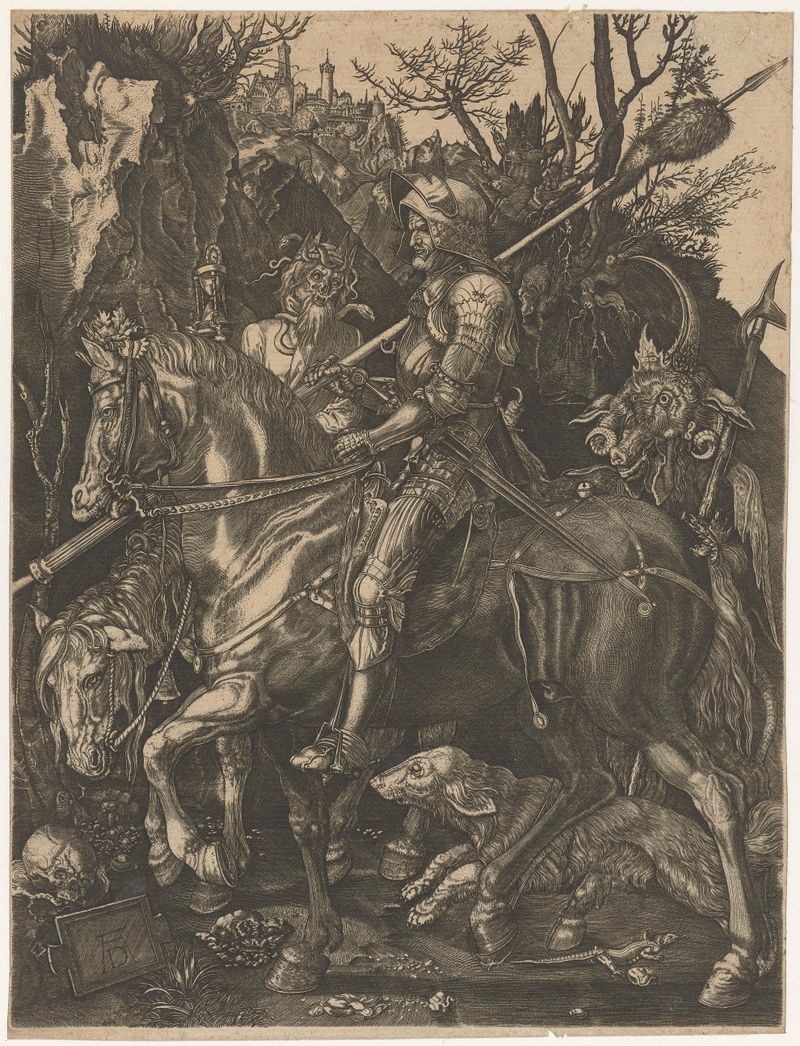
Ridder, Dood en Duivel
Unknown Artist
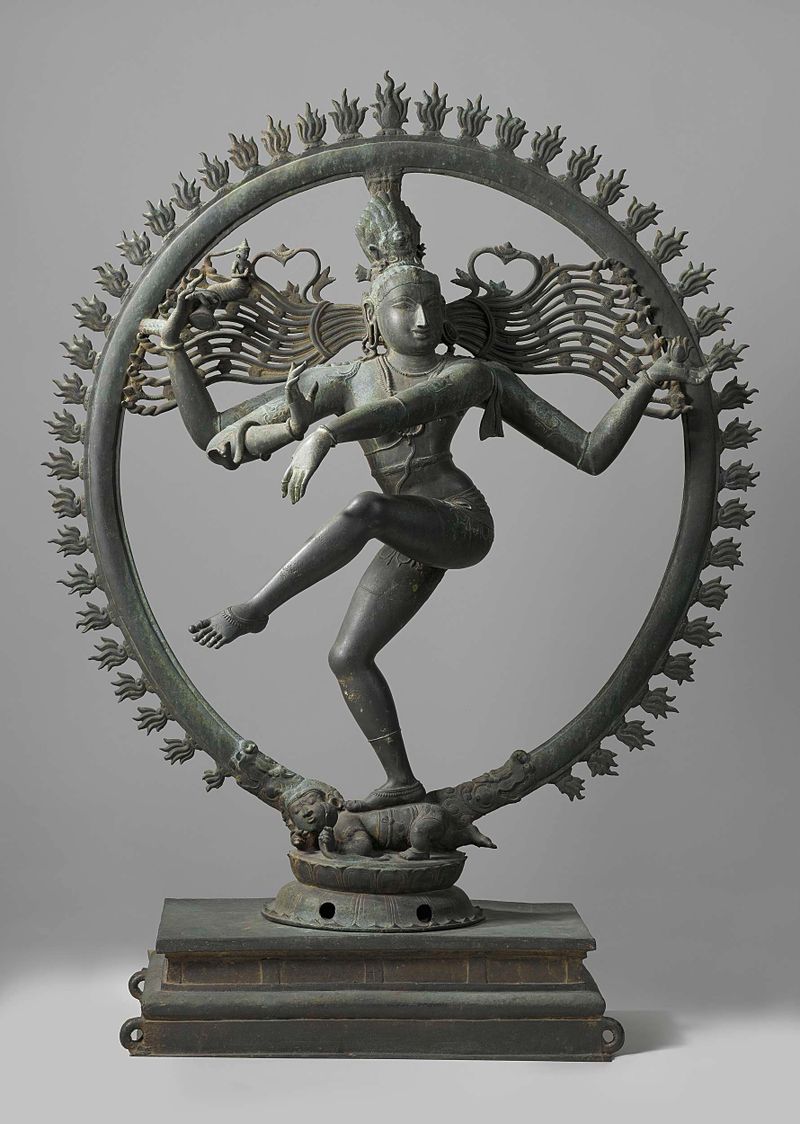
Shiva Nataraja
Unknown Artist
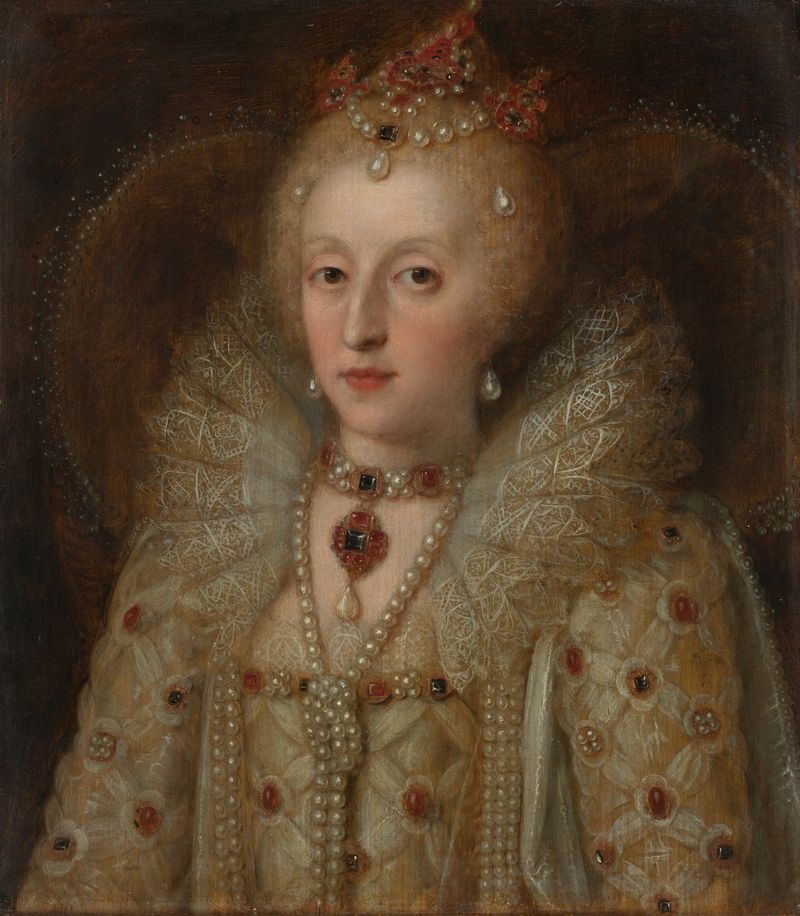
Portrait of Elizabeth I, Queen of England
Unknown Artist
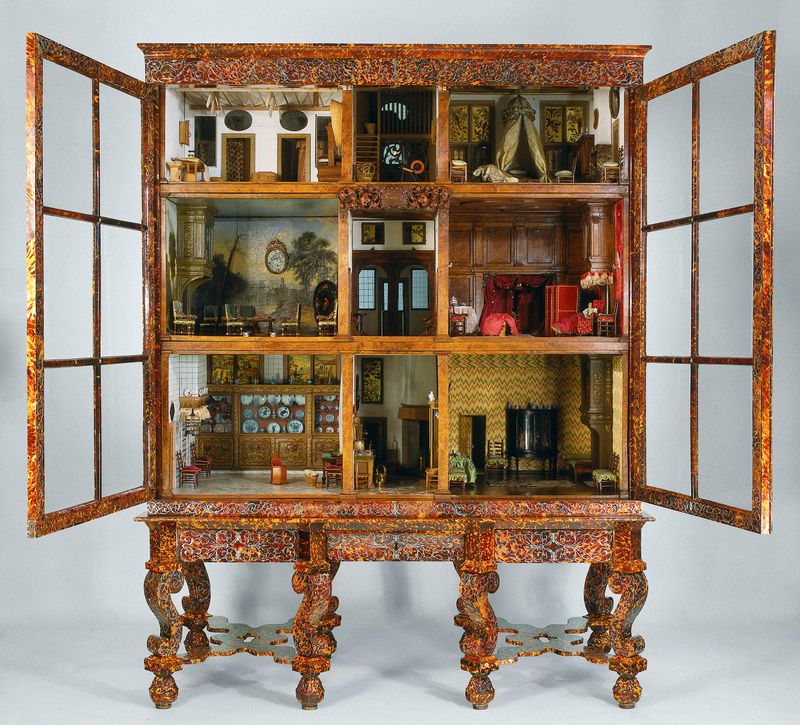
Dolls’ house of Petronella Oortman
Unknown Artist
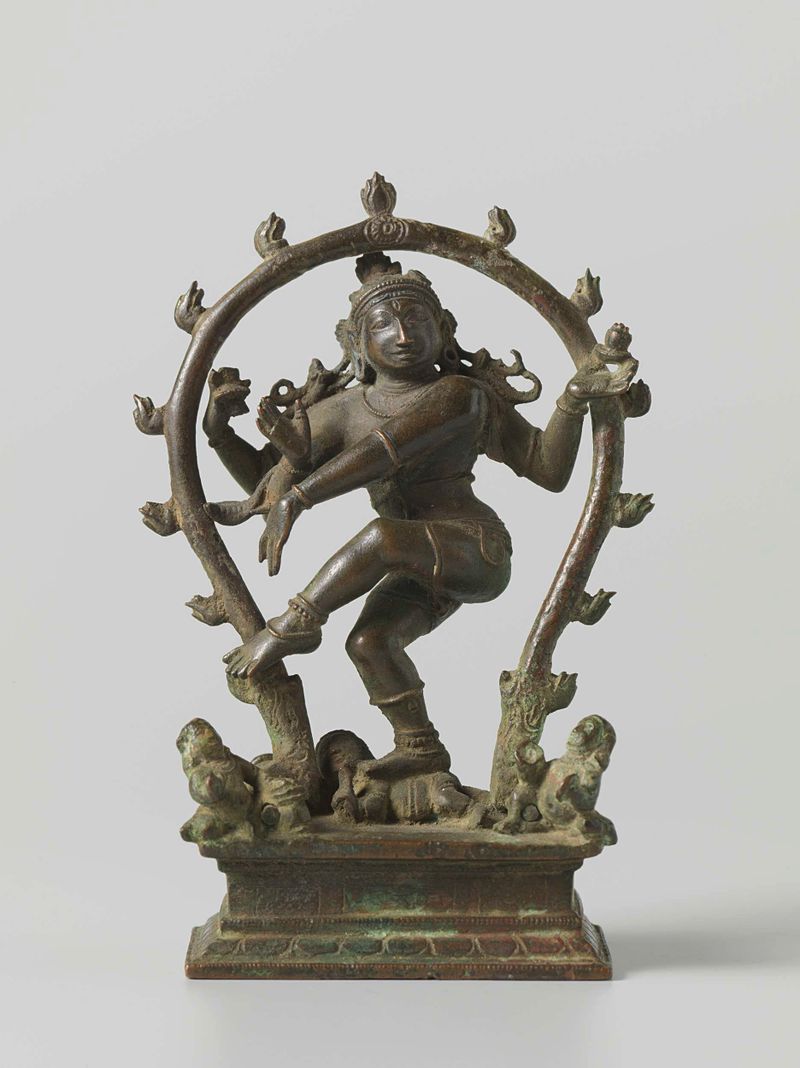
Shiva Nataraja
Unknown Artist

The Tale of Genji
Unknown Artist

The Tale of Genji
Unknown Artist
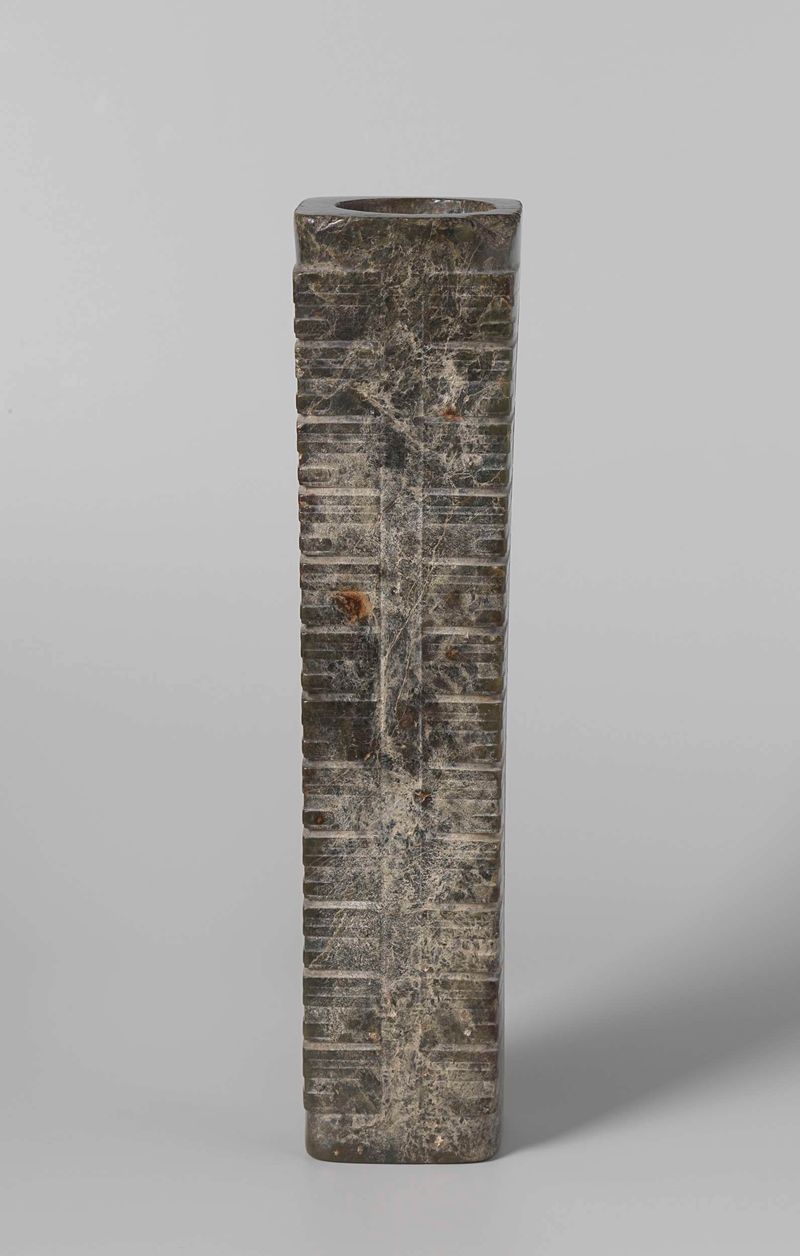
Cong
Unknown Artist
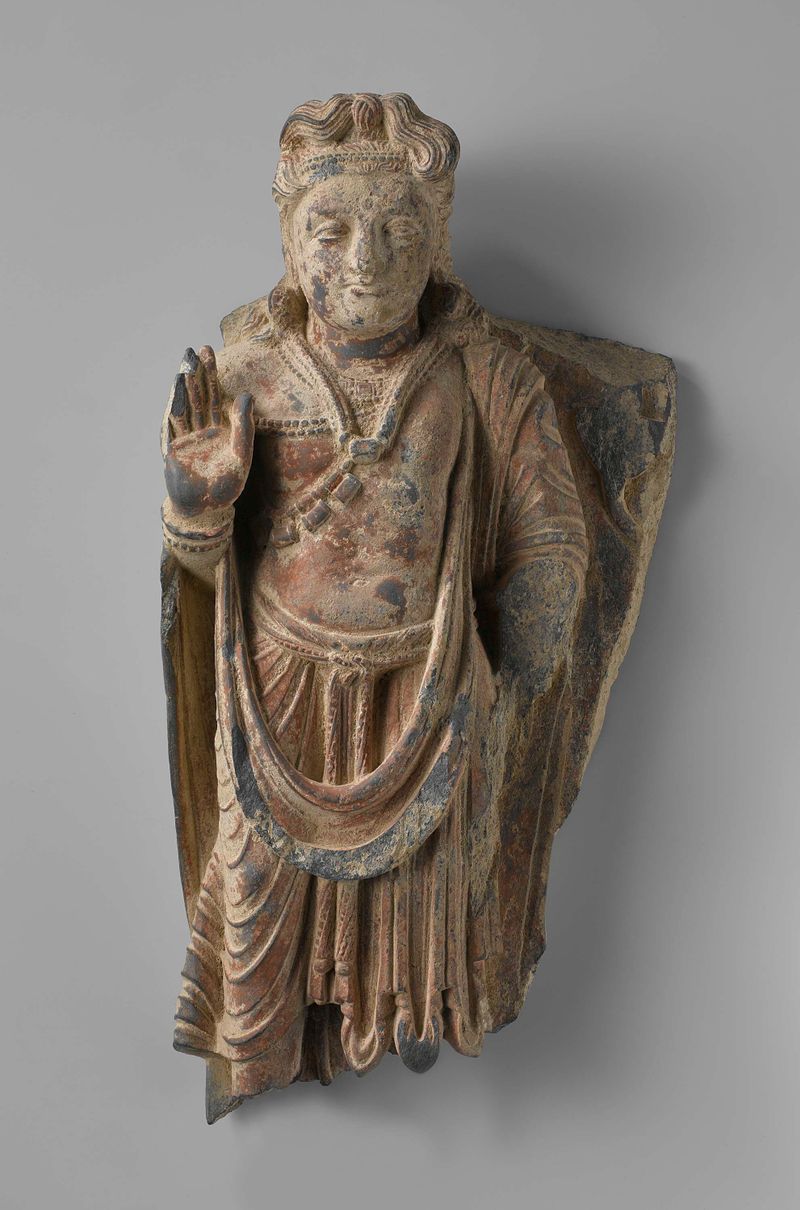
The bodhisattva Maitreya
Unknown Artist
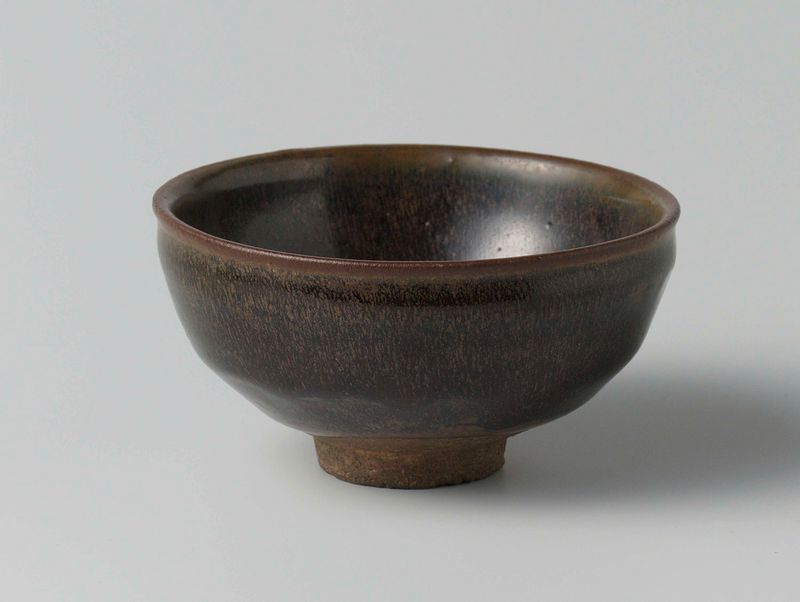
Teabowl with a 'hare's fur' glaze
Unknown Artist





