Kohlgarten mit Hausecke — History & Facts
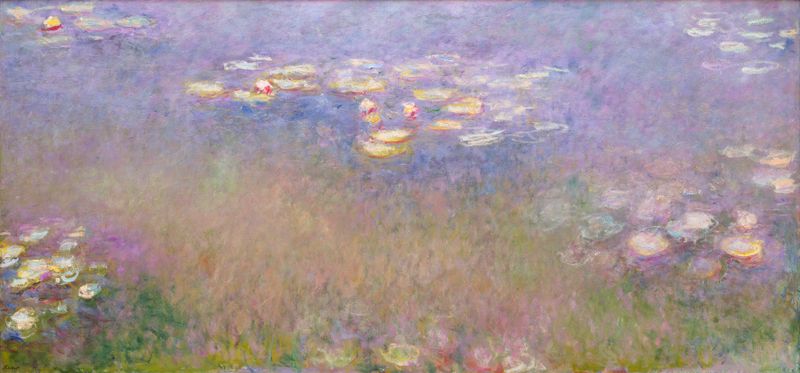
In the world of art, dreams often materialize amid the verdant chaos of nature, inviting us to explore deeper truths. Focus on the central garden patch, where a lush tapestry of green kale leaves unfurls, almost spilling over the edges of the canvas. The subtle interplay of light and shadow brings depth, drawing the eye to the gentle curve of the earth where the house corner stands. Notice how the hues shift from vibrant greens to soft, earthy browns, conveying a sense of harmony and tranquility.
Each brushstroke whispers the intimate connection between human habitation and the natural world, as if the very essence of life breathes through the foliage. As you linger in this bucolic moment, consider the tension between cultivation and wildness. The house, with its quiet presence, symbolizes stability, while the burgeoning plants signal the untamed spirit of nature. This coexistence mirrors the artist’s own inner landscape — a dreamlike balance between structure and the chaos of growth, revealing a longing for simplicity amidst the complex fabrics of life. Hans Thoma painted Kohlgarten mit Hausecke in 1862 while living in Germany, at a time when the Romantic movement was flourishing.
The artist was deeply influenced by his surroundings, embracing the themes of nature and rural life prevalent in his work. This period marked a significant shift in the art world, where the embrace of the idyllic countryside became a response to the industrial changes sweeping through Europe.
More Artworks by Hans Thoma
Browse all →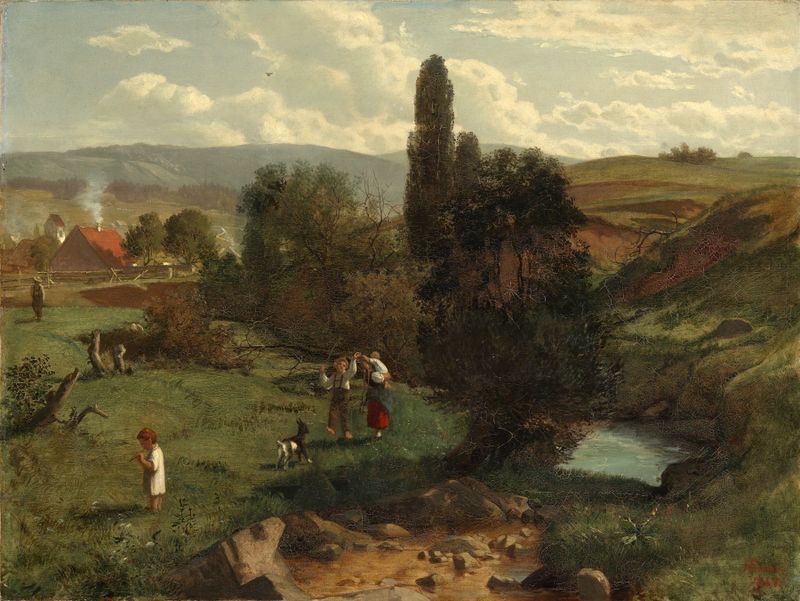
Schwarzwaldlandschaft
Hans Thoma
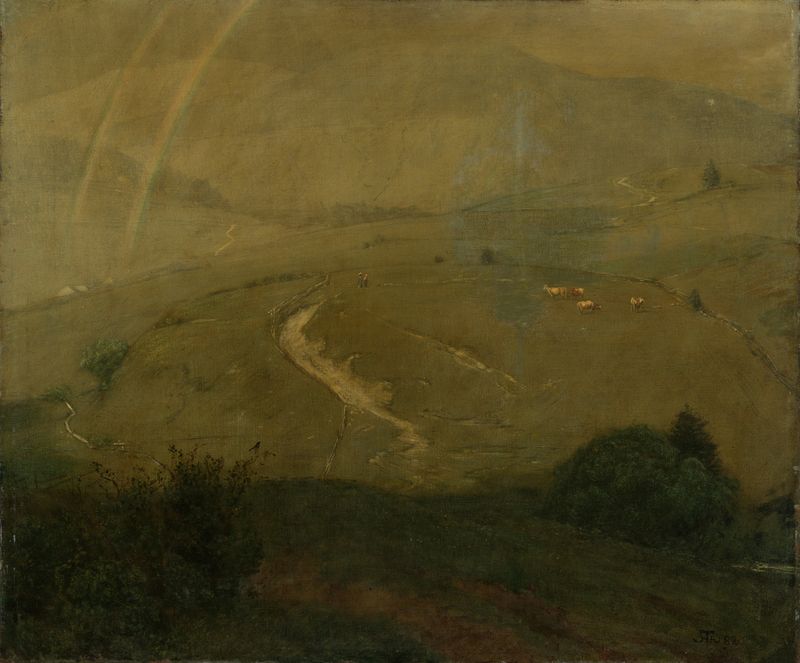
Regen im Schwarzwald
Hans Thoma
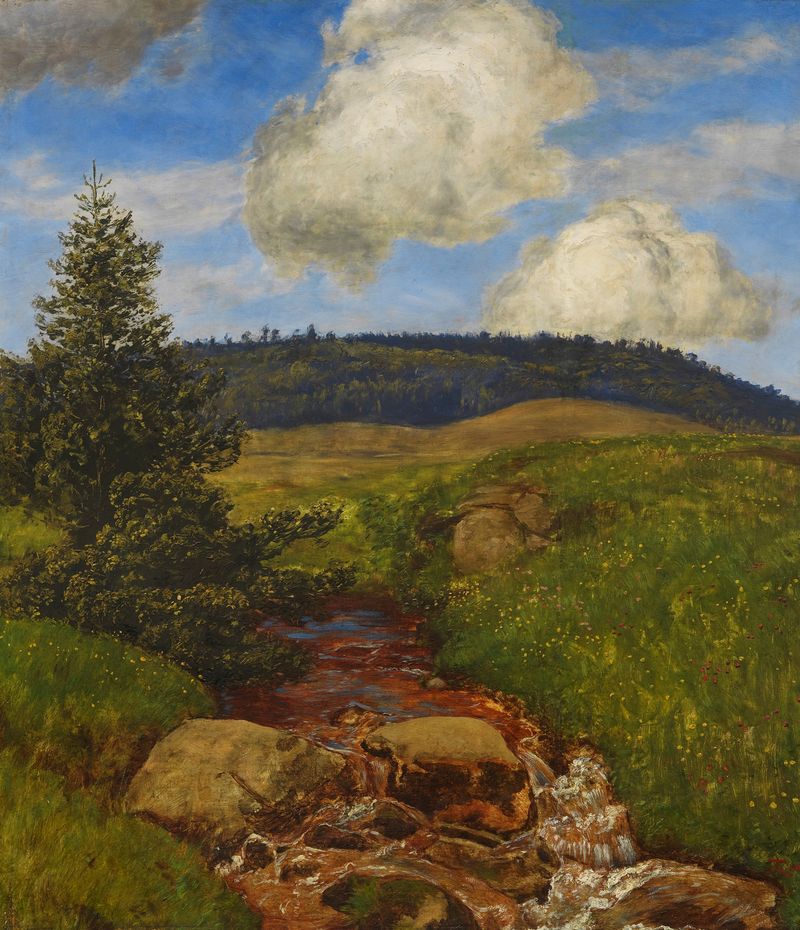
Schwarzwaldbach
Hans Thoma
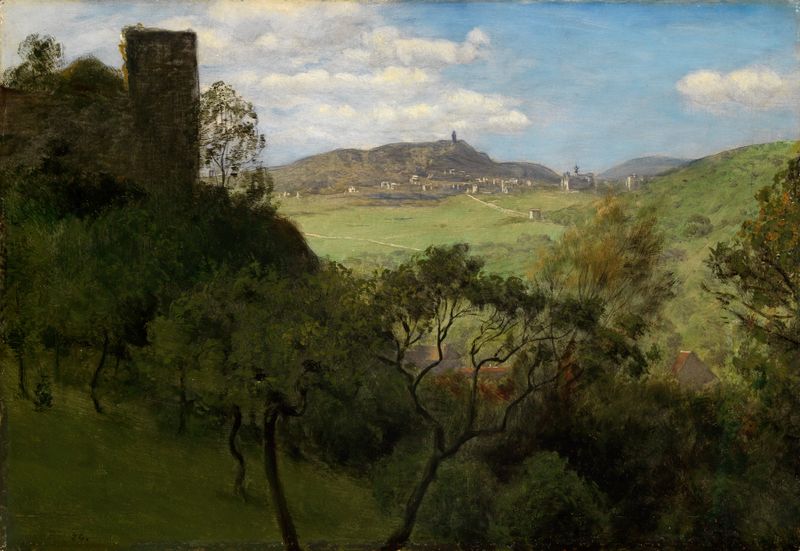
Blick auf Falkenstein im Taunus
Hans Thoma
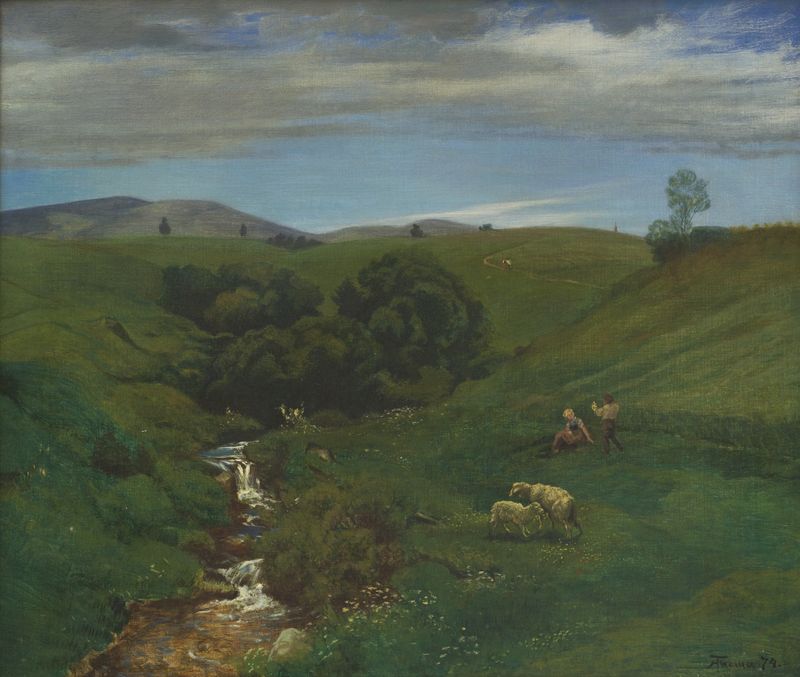
Black Forest Meadow near Bernau
Hans Thoma
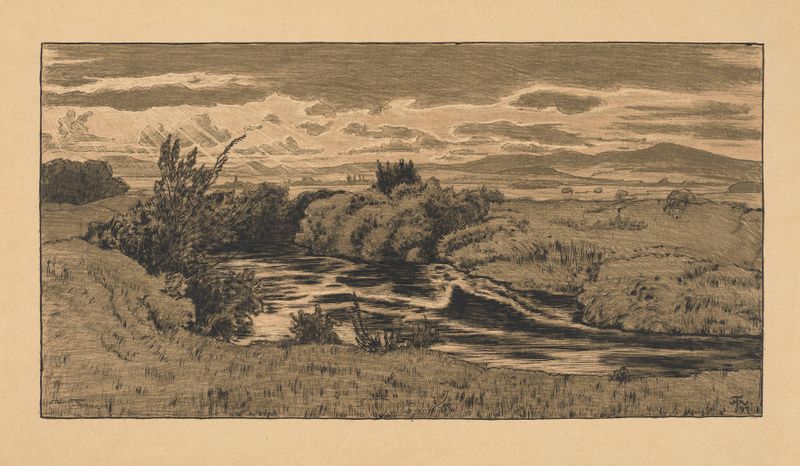
Evening by the Nidda River
Hans Thoma
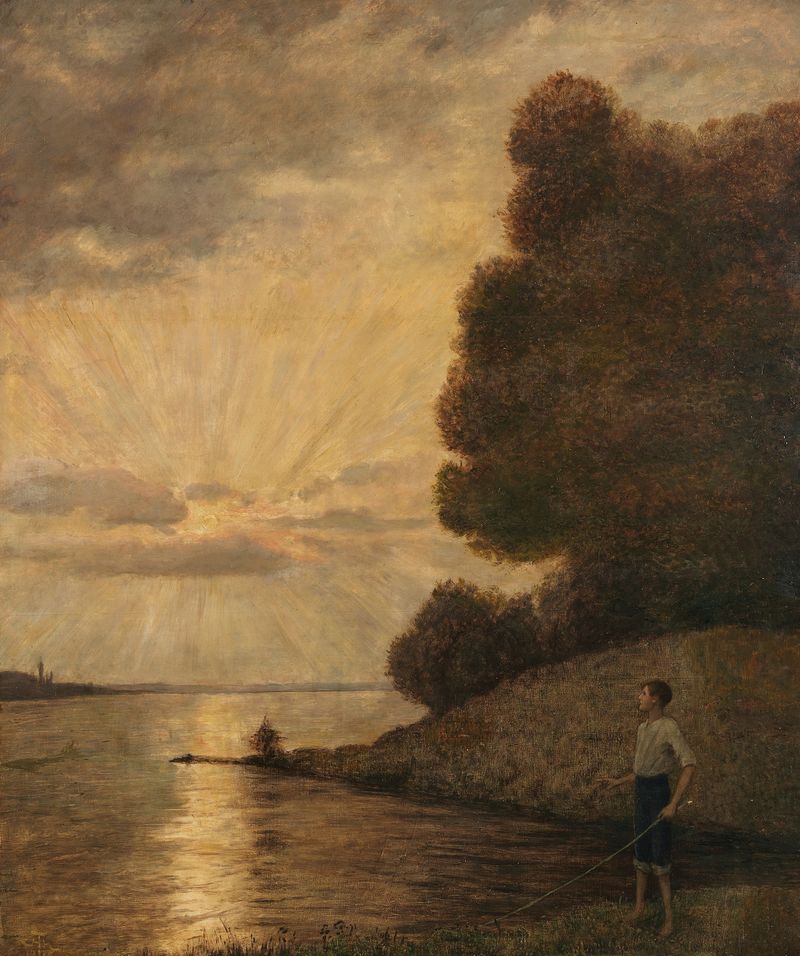
Sonnenuntergang am Oberrhein
Hans Thoma
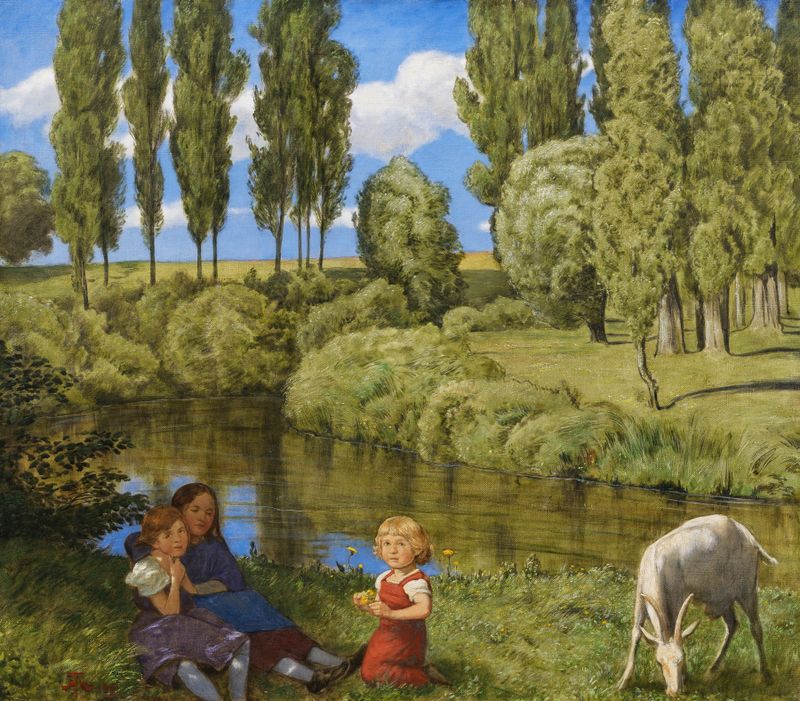
Am Stillen Bach
Hans Thoma
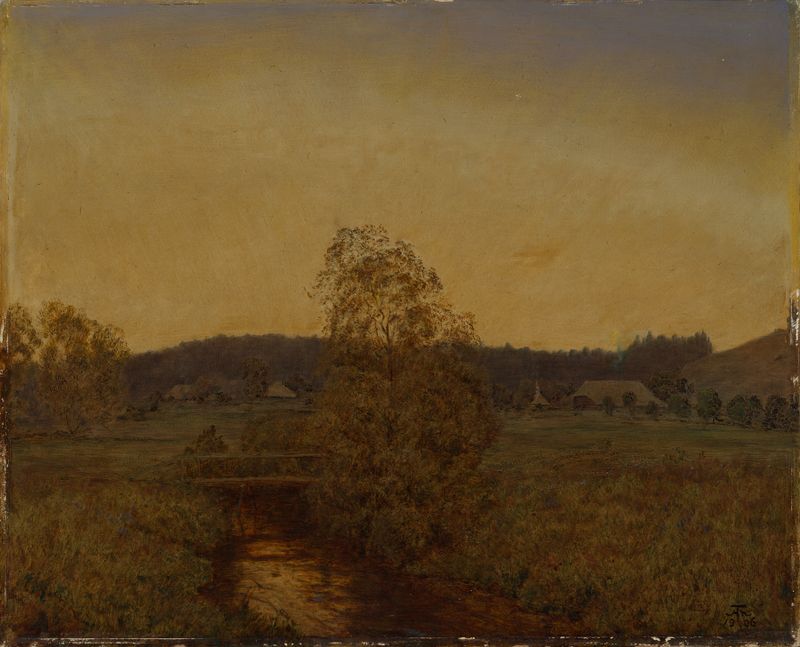
Der Abendstern
Hans Thoma
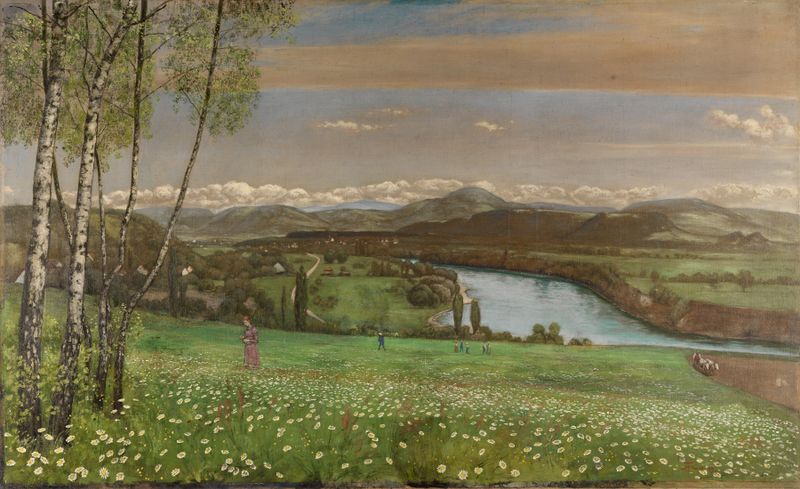
Das Rheintal bei Säckingen
Hans Thoma