Krimmi vaade — History & Facts
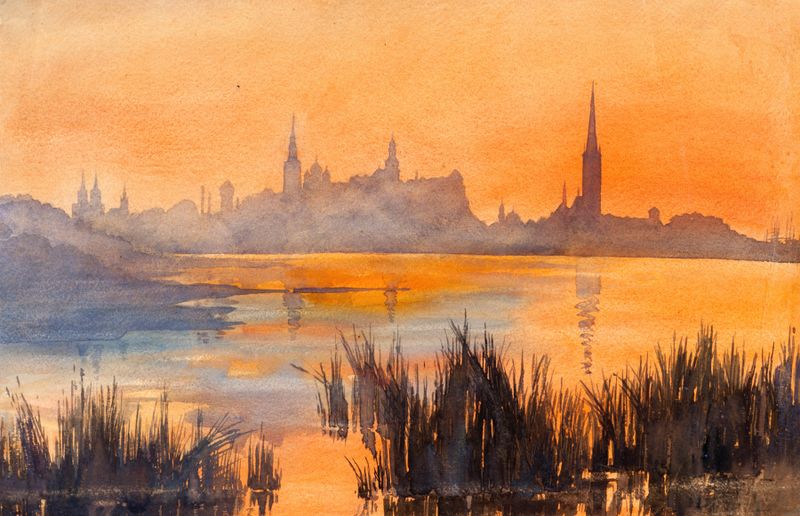
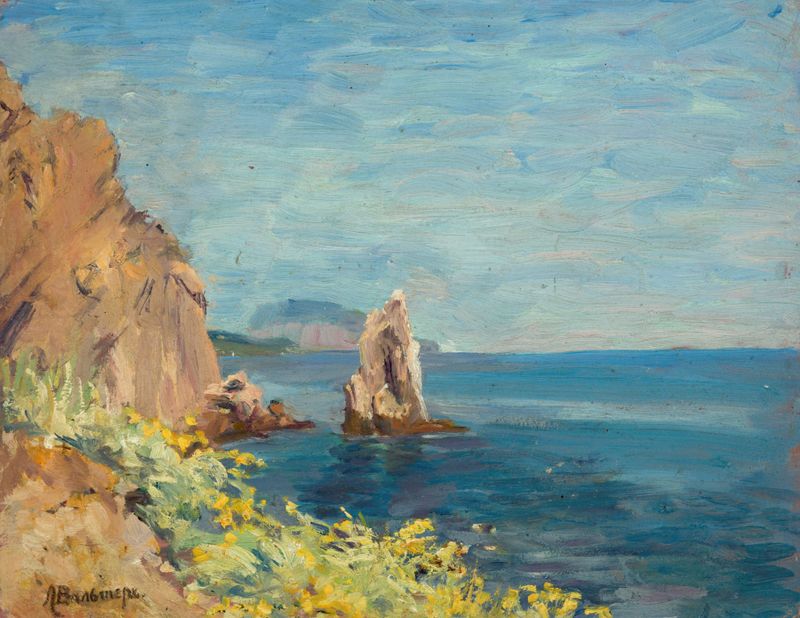
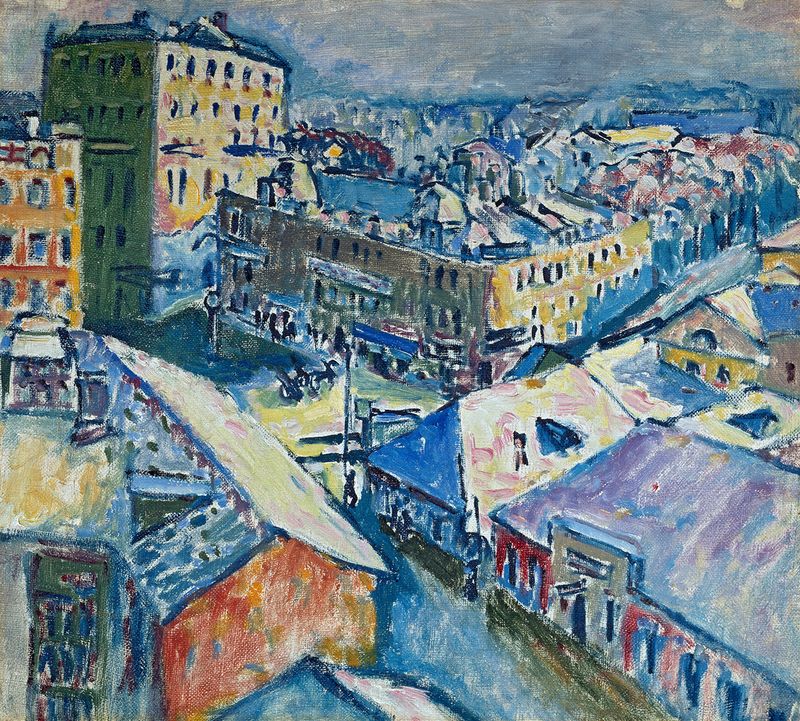
Each brushstroke in a painting can be a whisper of time, revealing the layers of existence that often go unnoticed. Look to the center of the canvas, where vibrant hues converge in an intricate dance of reds, blues, and golds. The bold strokes create a sense of movement, as if the colors themselves are in conversation, inviting the viewer into a world that transcends mere representation. Notice how the edges soften, blending into shadows that hint at the ghostly silhouettes of figures, suggesting a narrative not fully told, but felt deeply. Beneath this lively surface lies a tension between the vividness of life and the stillness of memory.
The juxtaposition of radiant color against the muted background evokes a sensation of nostalgia, as though these moments are caught between past and present. Each section of the painting seems to hold a secret, revealing the complexity of emotions that time often conceals, urging the observer to reflect on their own transient existence. In 1918, Lilly Walther created this work during a time of immense change, both personally and globally. The aftermath of World War I cast a shadow over Europe, while artists were exploring new forms of expression.
Walther, navigating her own artistic identity, sought to blend tradition with modernity, reflecting the turmoil and hope of her era. This piece stands as a testament to her journey, encapsulating the interplay of time, memory, and emotion within a vibrant tapestry of color.