Tallinna vaade — History & Facts
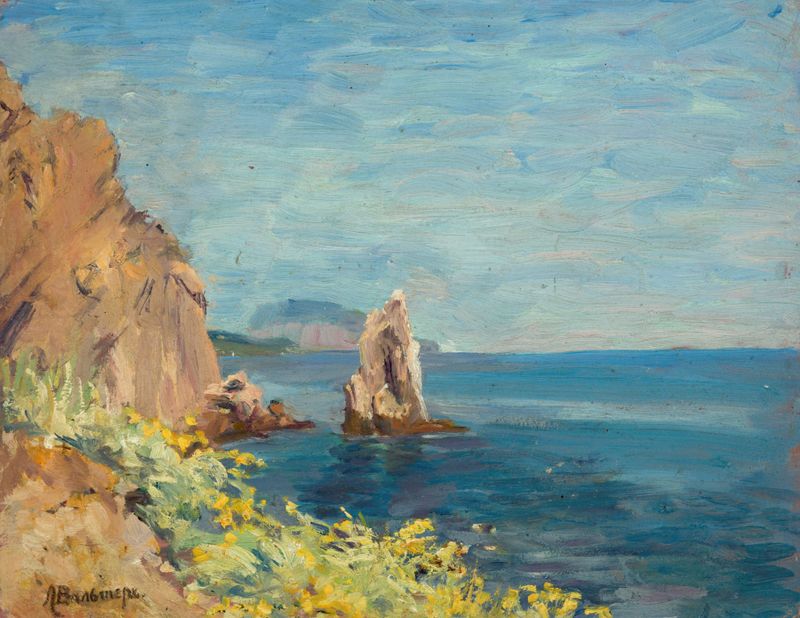
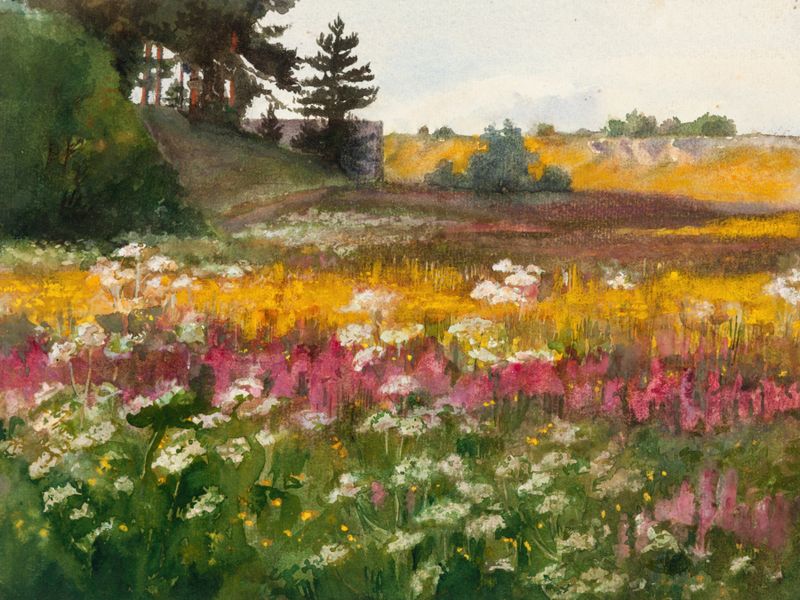
Who listens when art speaks of silence? In the stillness of Tallinna vaade, shadows stretch across the canvas, inviting the viewer to ponder the unspoken narratives of a world caught in a moment of quiet reflection. Look to the left at the soft, muted tones that envelop the cityscape, where warm ochres blend with gentle blues. The buildings rise with a quiet dignity, their silhouettes softened by the play of light and shadow. Notice how the light falls upon rooftops, casting delicate shapes that dance across the scene, creating a sense of depth and inviting exploration beyond the immediate.
Each brushstroke seems deliberate, breathing life into the structures while maintaining a serene atmosphere that echoes through the layers of paint. As you delve deeper, consider the emotional tension between light and shadow—a metaphor for the dualities of existence. The tranquil scene belies an undercurrent of longing, perhaps reflecting the artist's own experiences of displacement or nostalgia. The interplay of colors and forms suggests a moment on the brink of change, where the shadows symbolize both mystery and the passage of time, silently urging viewers to confront their own stories entwined with those of the distant city. Lilly Walther painted Tallinna vaade in 1913 during a period of personal and artistic exploration.
Living in Estonia and influenced by both Impressionism and the burgeoning modernist movement, she sought to capture the essence of her surroundings. At this time, Europe was on the verge of monumental shifts, and the artist’s work reflects an intimate connection to her homeland, poised delicately between tradition and the allure of the new.