Landscape — History & Facts
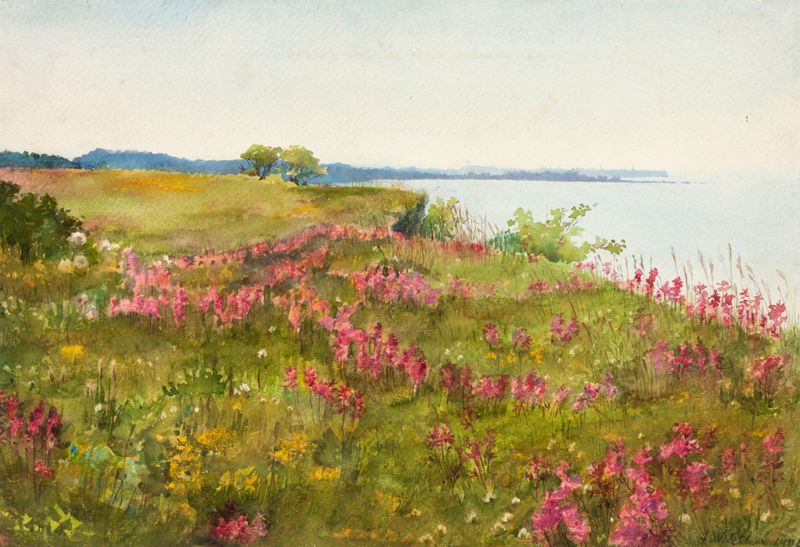
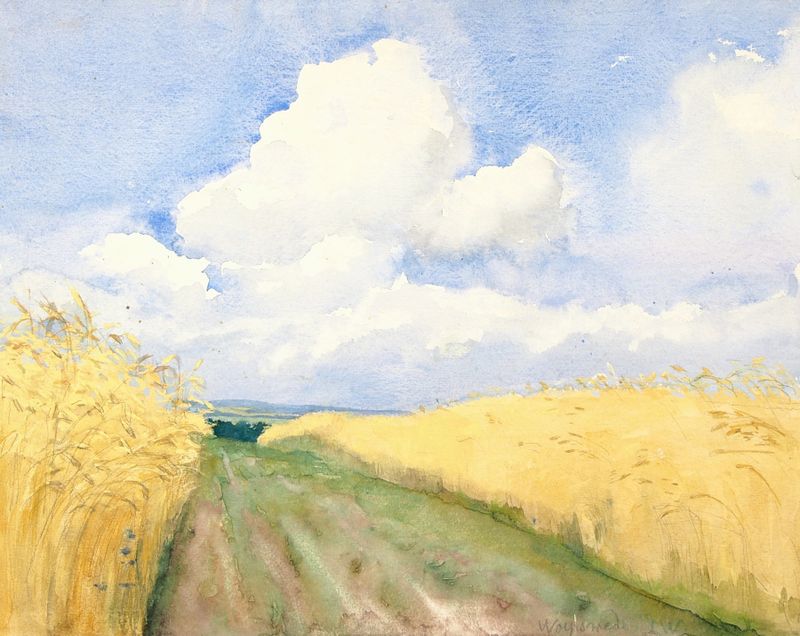
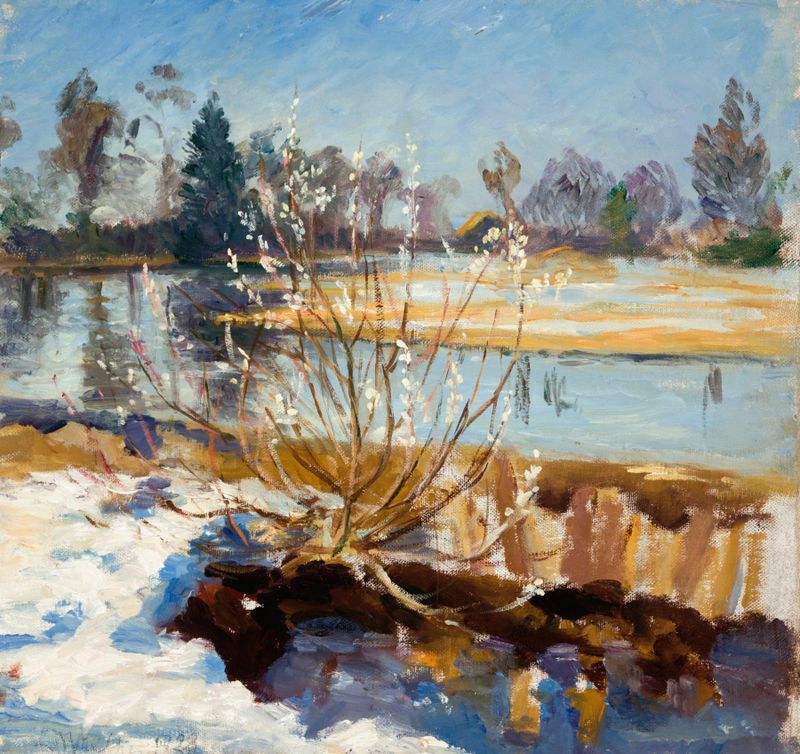
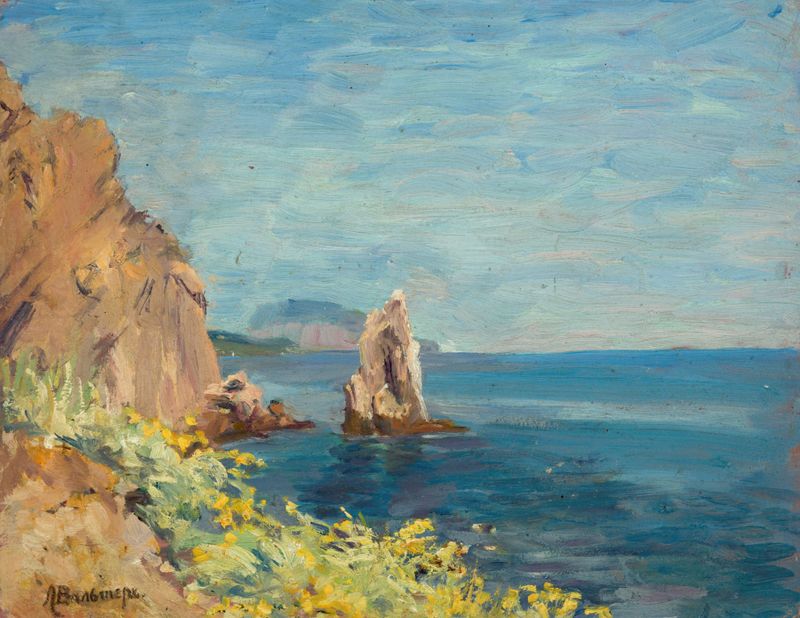
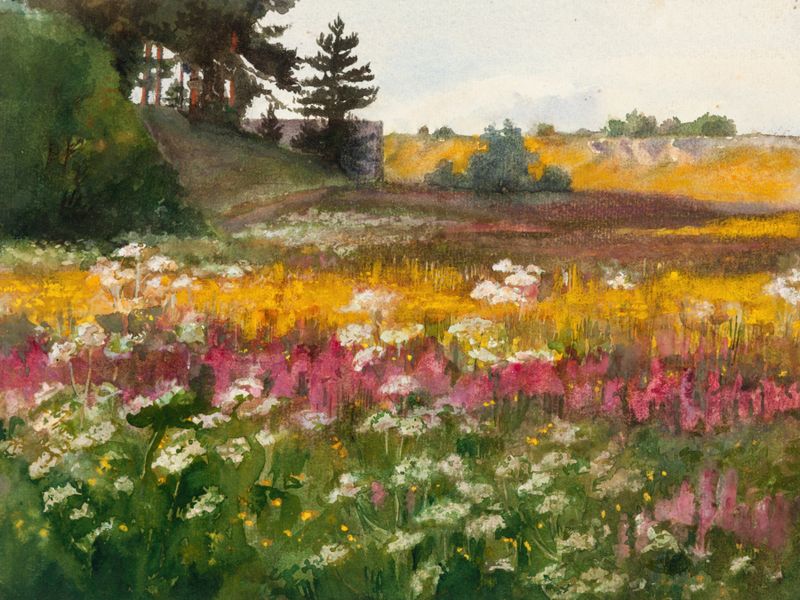
In moments of innocence, nature unfolds with all its raw beauty, inviting us to pause and reflect on the simplicity of existence. Look to the center of the canvas, where the vibrant greens and soft blues meld together, creating a harmonious landscape that feels both serene and alive. The sweeping strokes capture the essence of gentle hills and a placid sky, while whispers of sunlight filter through the foliage, illuminating patches of wildflowers that dance with the breeze. Notice the delicate balance between chaos and simplicity in the brushwork; each stroke feels spontaneous, yet collectively they form a cohesive vision that invites tranquility. As you explore further, the deeper emotional tensions reveal themselves—there’s a juxtaposition between chaotic brushstrokes and the stillness of the scene, evoking a sense of innocence lost and found.
The wildflowers, though vibrant, suggest a fleeting beauty, reminiscent of life’s transient nature. This tension between innocence and the inevitable passage of time resonates, encouraging us to cherish these moments of untouched beauty. In 1915, Lilly Walther painted this landscape during a period when the world was on the brink of tumult. Living in Germany, she was part of a burgeoning movement seeking to capture the essence of nature amidst the chaos of looming war.
This canvas reflects not only her personal journey as an artist but also the collective yearning for peace and beauty during unsettling times.