Maastik — History & Facts
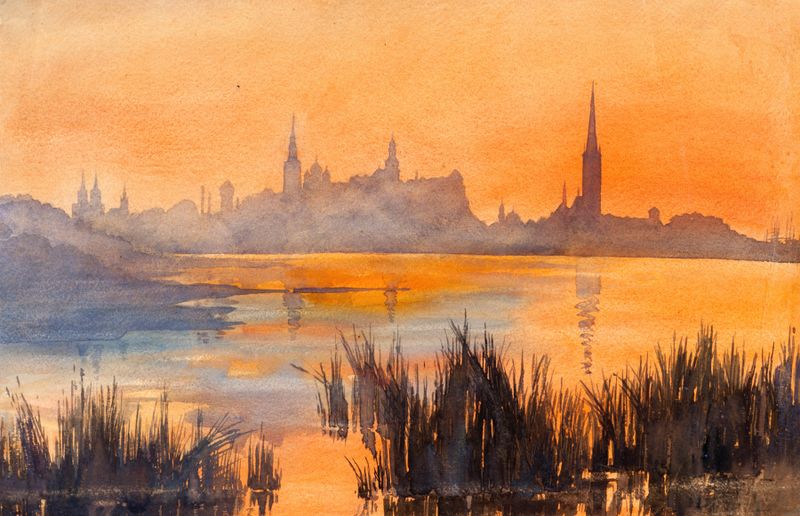
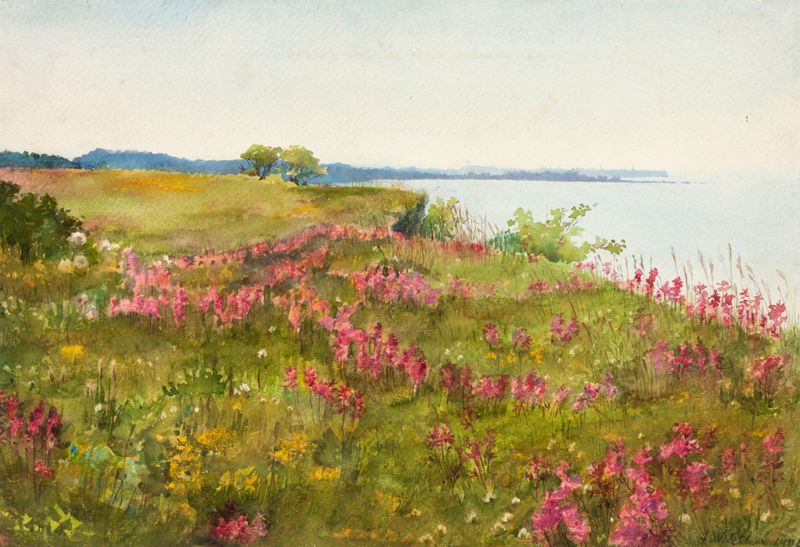
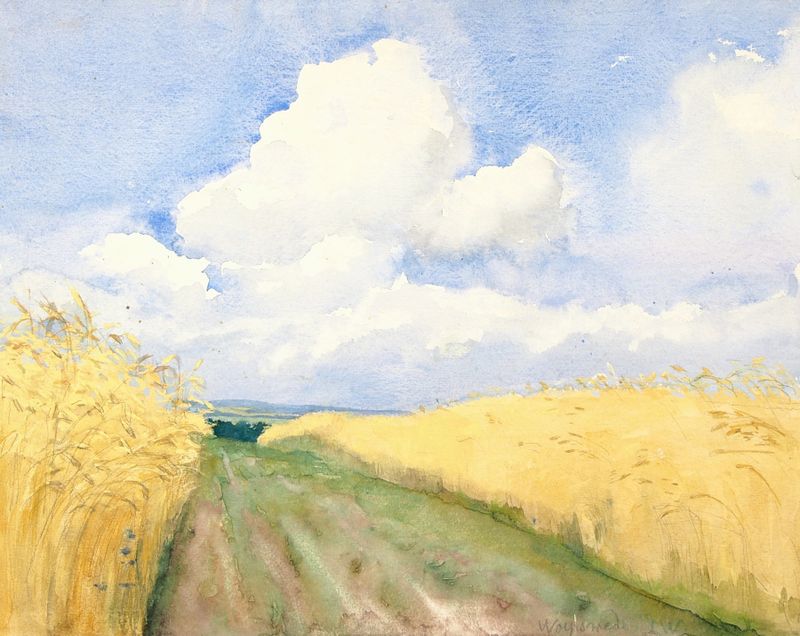
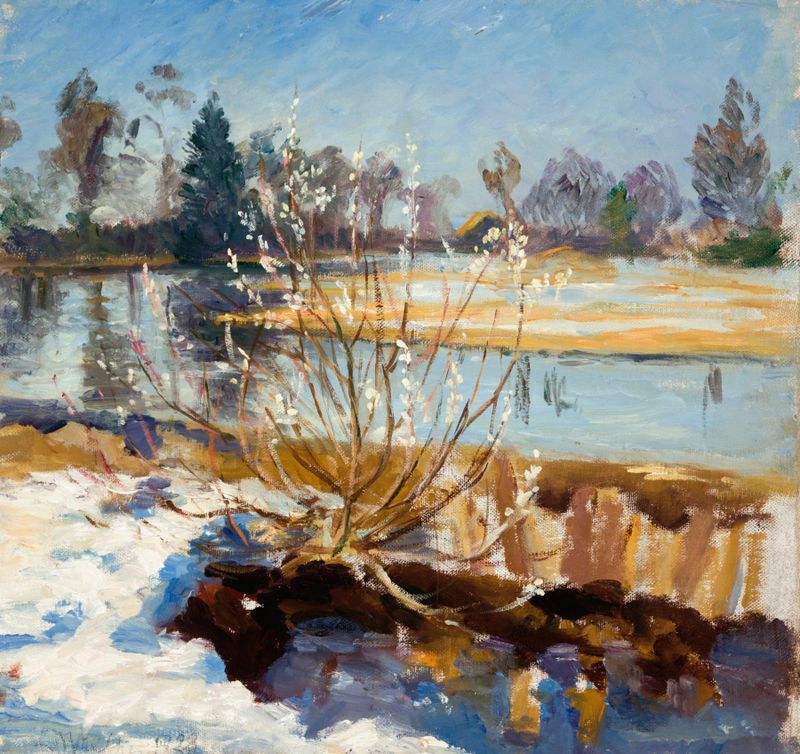
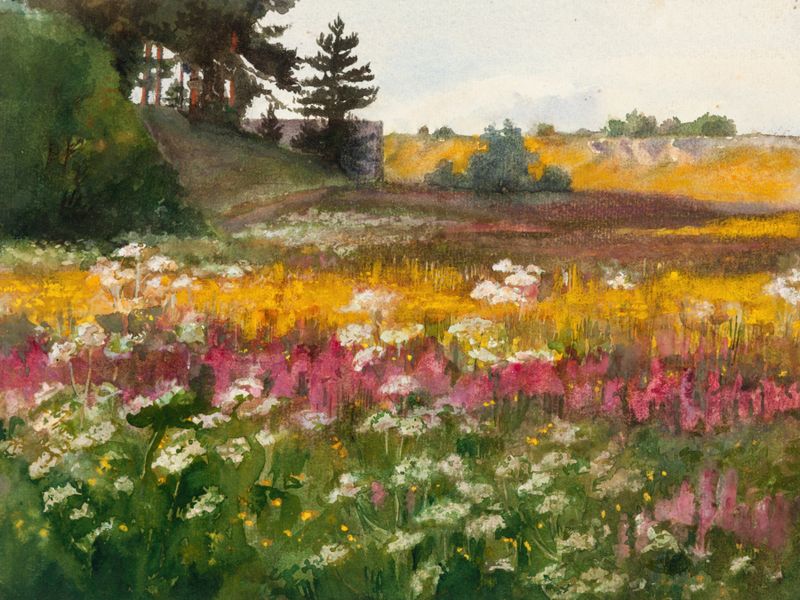
What secret hides in the quiet of the canvas? A moment of transformation unfolds within the depths of Maastik, inviting the viewer to peer into a world caught between reality and abstraction. Look to the left at the gentle curves of the landscape, where muted earth tones blend seamlessly with brighter pops of color. The interplay of green and ochre evokes a sense of renewal, while delicate strokes suggest movement, as if the entire scene vibrates with life. The artist's choice of texture, contrasting smooth and rough patches, creates a tactile quality that draws you in, making you almost reach out to touch it. Beneath the surface, a duality emerges: the serene beauty of nature juxtaposed with an underlying tension of change.
There is a whisper of nostalgia, suggesting a past that is both cherished and fleeting. This emotional landscape reflects a transformative moment, capturing the essence of growth and decay, hope and longing, as if the earth itself is breathing in the mysteries of life. In 1915, Walther was immersed in a rapidly changing art world, navigating the burgeoning realms of modernism and expressionism. Living in Germany during a tumultuous period marked by the onset of World War I, she was influenced by both the conflicts surrounding her and the exploration of new artistic forms.
This dynamic environment shaped her vision, as she sought to capture the emotional resonance of the landscapes that would come to define her work.