Kevadmaastik — History & Facts
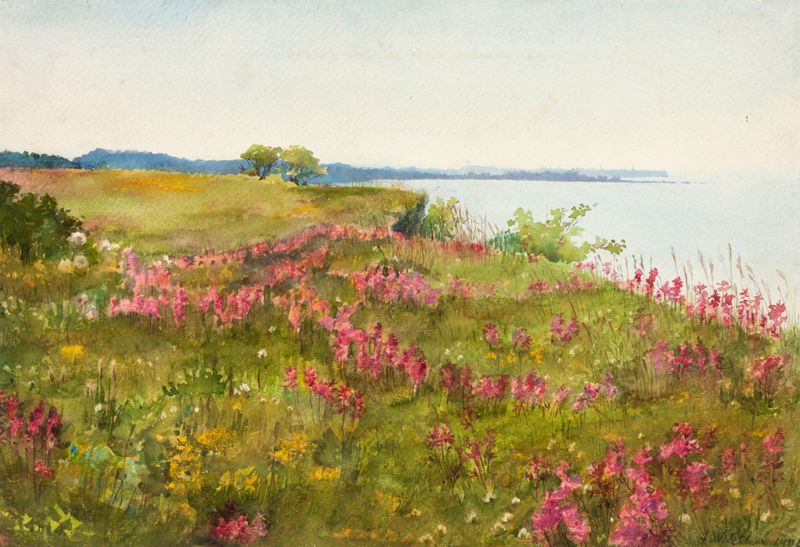
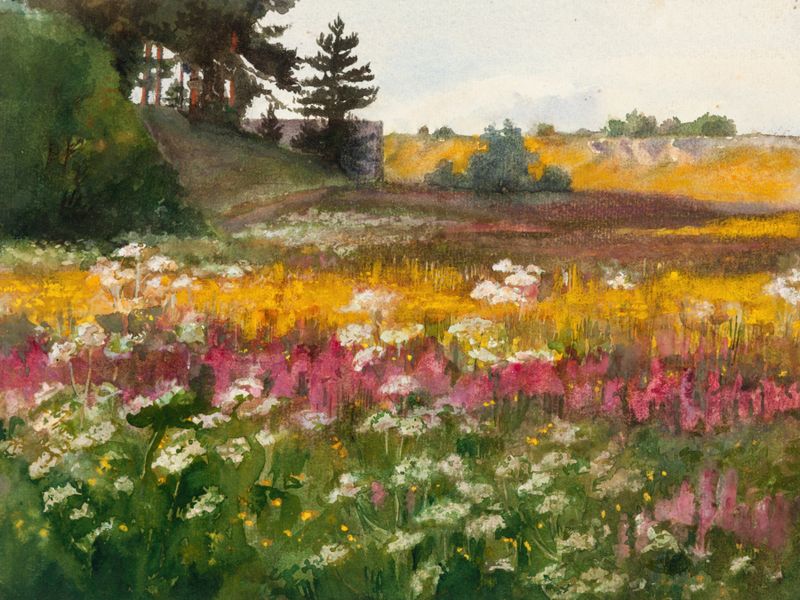
In the delicate interplay of color and form, one can sense the weight of creation and the undercurrents of emotion that run deep within the canvas. This artwork invites us to look closer, to see not just what is presented on the surface, but the complexities that lie beneath. Focus on the vibrant greens that dominate the landscape, enveloping the viewer in a lush embrace. Notice how the soft brushstrokes blend together, creating a dreamlike quality that evokes both serenity and unease.
The layered yellows and blues breathe life into the scene, guiding your eyes toward the horizon, where the light struggles to break through the clouds that loom overhead. Each element is meticulously composed, reflecting a world that teeters between the vibrant joy of spring and the shadows of a lingering chill. Within this landscape lies a profound tension—the contrast between the idyllic beauty of nature and the subtle hints of decay. Look closely to see the hints of darker undertones that flutter like whispered secrets among the flowers.
These shadows remind us that beauty often coexists with sorrow, and the lushness of life is intertwined with the inevitable passage of time. This duality resonates deeply, evoking feelings of longing and acceptance. In 1928, Lilly Walther crafted Kevadmaastik during a period when women artists were beginning to assert their presence in the art world. Living in Estonia, she was influenced by the shifting tides of modernism and the burgeoning desire for personal expression.
This painting reflects her exploration of nature, a celebration of spring that also grapples with the complexities of existence, hinting at the emotional landscape of her own life.