
Krásnohorské podhradie — History & Facts
Where does light end, and longing begin? In the delicate embrace of a landscape, shadows linger like unanswered questions, hinting at an untold story of violence beneath the surface. First, look to the horizon, where rolling hills meet a sky washed in soft pastels. The artist’s brush strokes convey a gentle caress of light, illuminating the lush greenery that swells with life yet carries an undercurrent of tension. Notice how the interplay between light and shadow creates depth, as if the valley itself breathes, alive with secrets.
The meticulous attention to detail reveals a world at peace, yet a sense of foreboding hangs in the air, inviting the viewer to explore deeper. This tension is amplified by the contrasting elements within the composition. The vibrant colors of the pastoral landscape juxtapose the darker, more ominous shadows that lurk in the foreground, suggesting a struggle beneath the tranquility. Each blade of grass, every distant tree, seems to whisper of a history shaped by violence and longing.
The serene beauty of this scene masks a complexity, encouraging an emotional response that stretches beyond what is immediately visible. During the late 1920s, as Ľudovít Čordák painted Krásnohorské podhradie, he found himself at a crossroads in his career. The world was recovering from the scars of war, and artists sought to navigate the dichotomy of peace and unrest. This piece emerged from a period of introspection, where the landscapes of Slovakia became more than mere settings; they transformed into reflections of human experience, imbued with the remnants of conflict and the yearning for harmony.
More Artworks by Ľudovít Čordák
Browse all →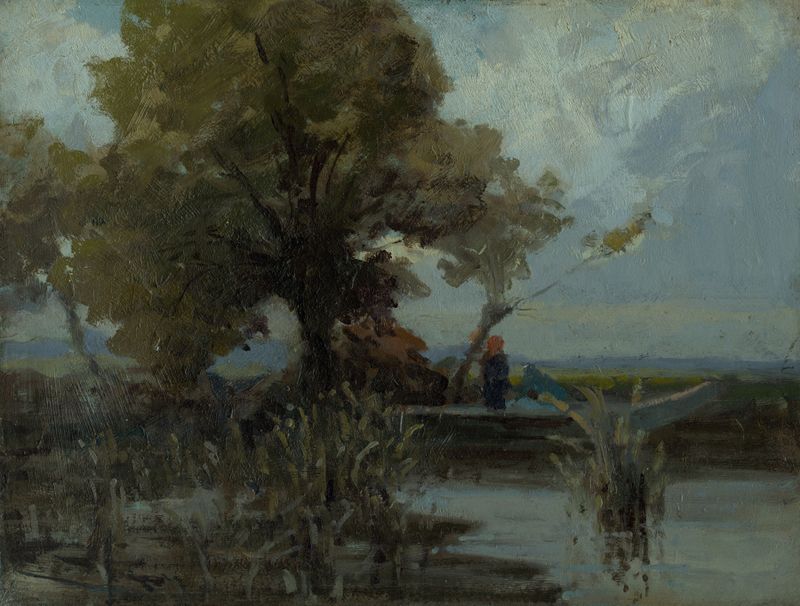
Košatý strom pri jazere
Ľudovít Čordák
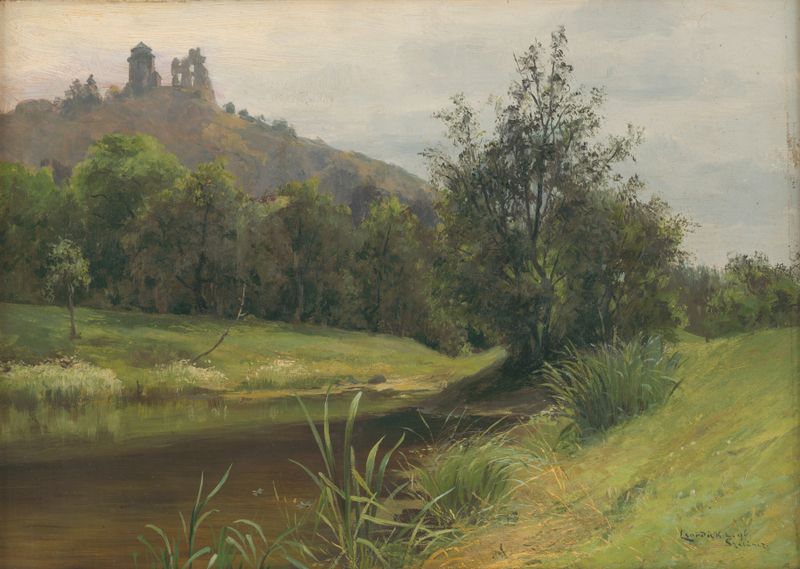
Močarina pod Slaneckým hradom
Ľudovít Čordák
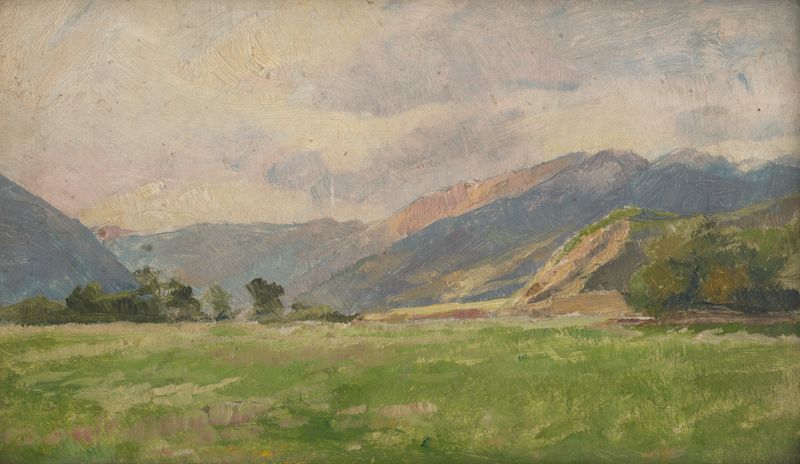
Mountain Meadow
Ľudovít Čordák
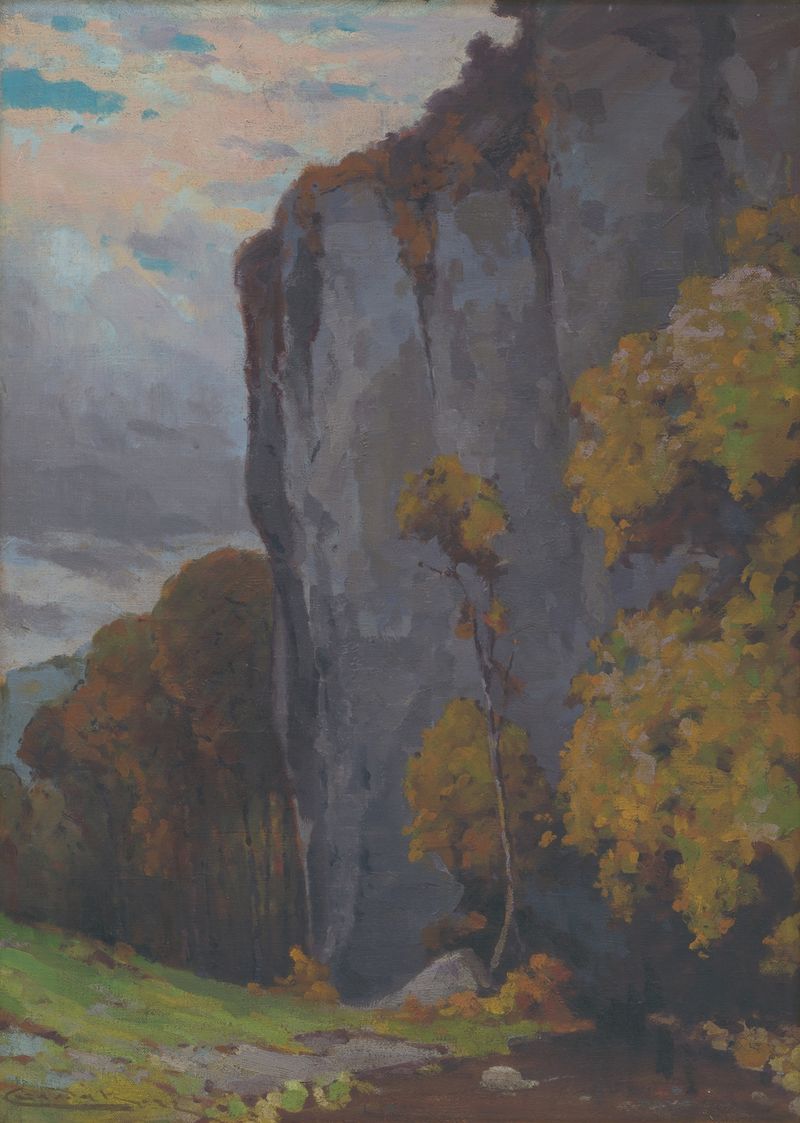
Zádiel
Ľudovít Čordák
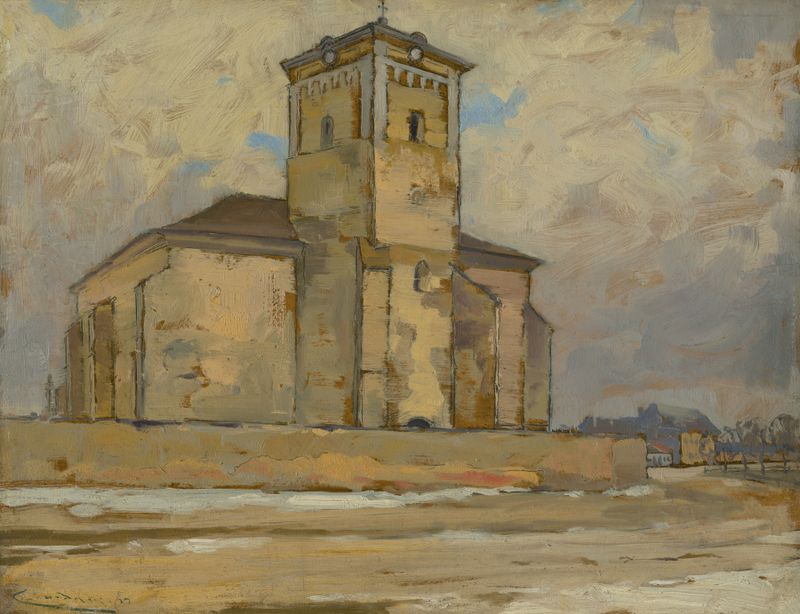
Church in Moldova
Ľudovít Čordák
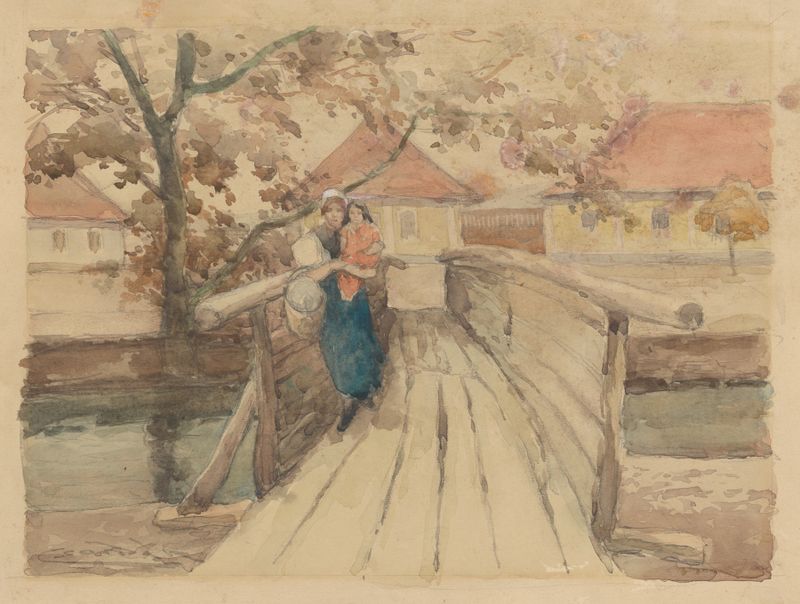
Wooden bridge
Ľudovít Čordák
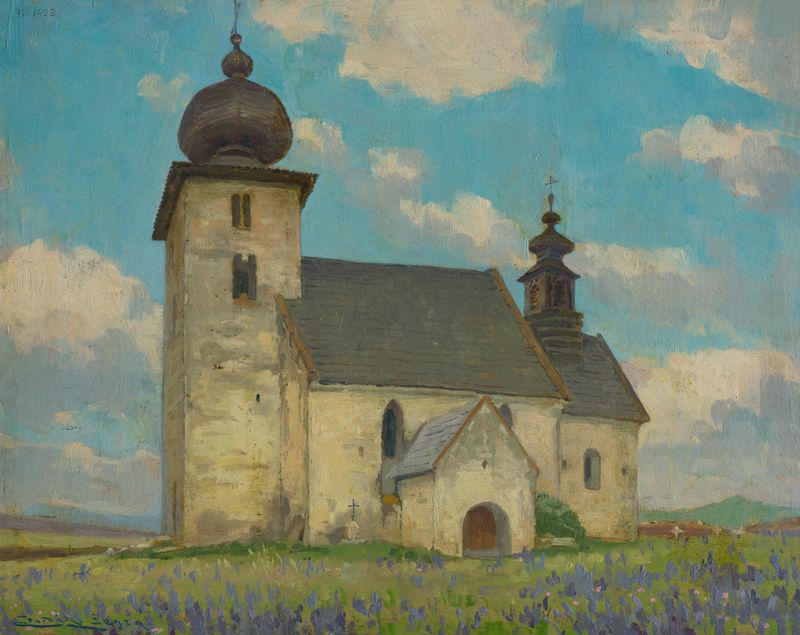
Gothic church in Žehra
Ľudovít Čordák
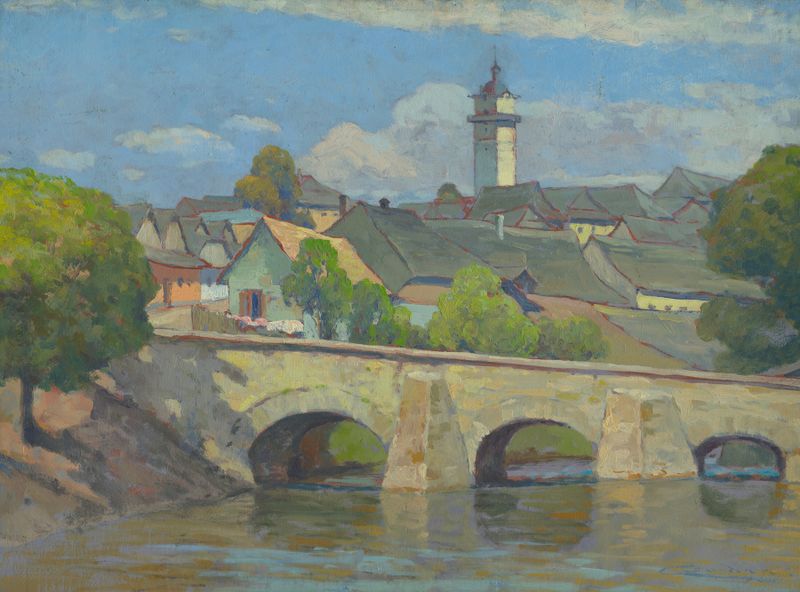
A small town in Spiš
Ľudovít Čordák
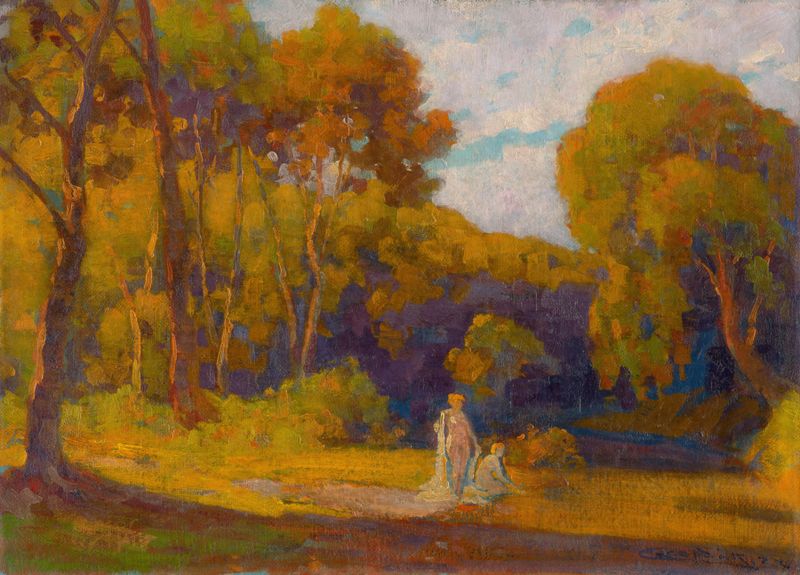
At Sunset
Ľudovít Čordák
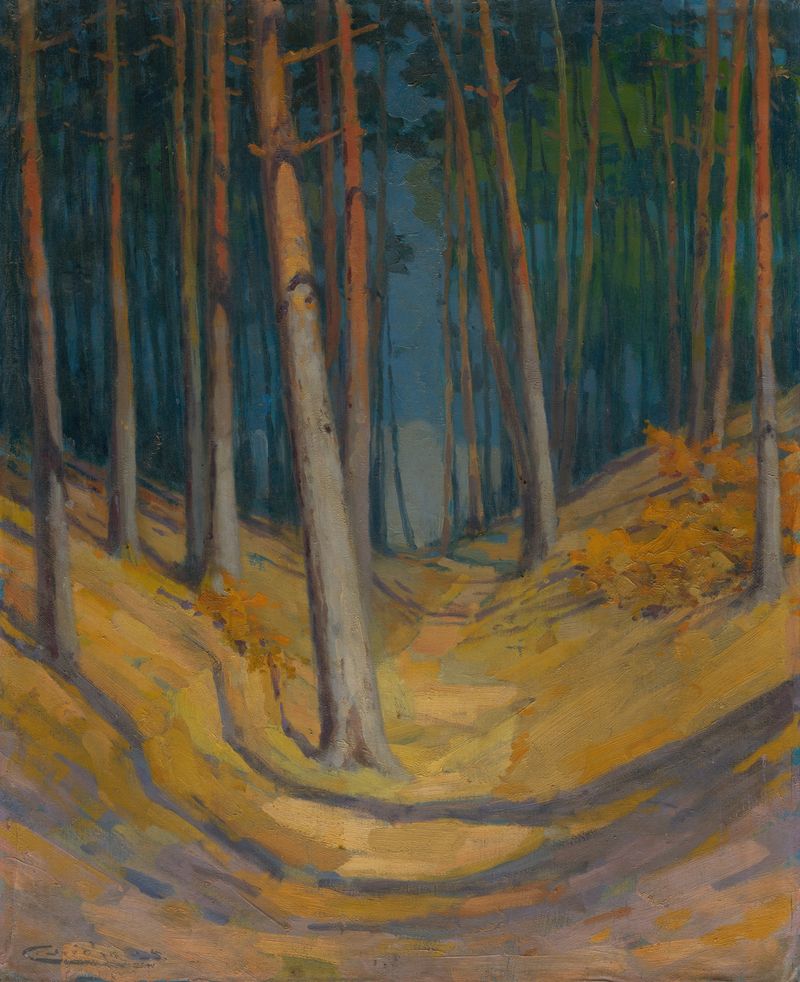
Forest
Ľudovít Čordák





