
Kruisafname — History & Facts
Did the painter know this moment would outlive them? In the serene hush of a sacred act, where faith is both a burden and a solace, we witness a profound transaction between agony and reverence. Look to the center of the canvas, where the lifeless body of Christ is cradled tenderly by two figures, their hands forming a protective cradle around him. Notice how the soft, muted colors enhance the sorrowful tone, while the delicate play of light illuminates the faces of those gathered in mourning. Each figure’s expression—grief, devotion, and determination—evokes a palpable sense of loss, drawing the viewer deeper into this intimate moment suspended in time. The contrast between the somber earth tones and the bright, almost ethereal highlights on Christ’s form suggests a duality of suffering and transcendence.
The group’s surrounding shadows, particularly around the figures in the background, amplify the isolation felt by the mourners. This poignant separation also emphasizes the communal bond of grief, a shared experience that links their hearts even in despair. Every brushstroke speaks of faith—a tether to the divine, holding them in their sorrow. Painted during a transformative period for the artist in Amsterdam between 1520 and 1521, this work reflects the rising influence of humanism and religious reform.
Amidst a world grappling with spiritual uncertainty, he produced Kruisafname, a testament to the enduring power of faith. The blend of traditional themes and emerging Renaissance styles marks a pivotal moment in both his career and the broader landscape of northern European art.
More Artworks by Jacob Cornelisz van Oostsanen
Browse all →
De hemelvaart en Christus voor God de Vader
Jacob Cornelisz van Oostsanen
Het hostiewonder van Amsterdam
Jacob Cornelisz van Oostsanen
The Adoration of the Christ Child
Jacob Cornelisz van Oostsanen
Vlucht naar Egypte
Jacob Cornelisz van Oostsanen
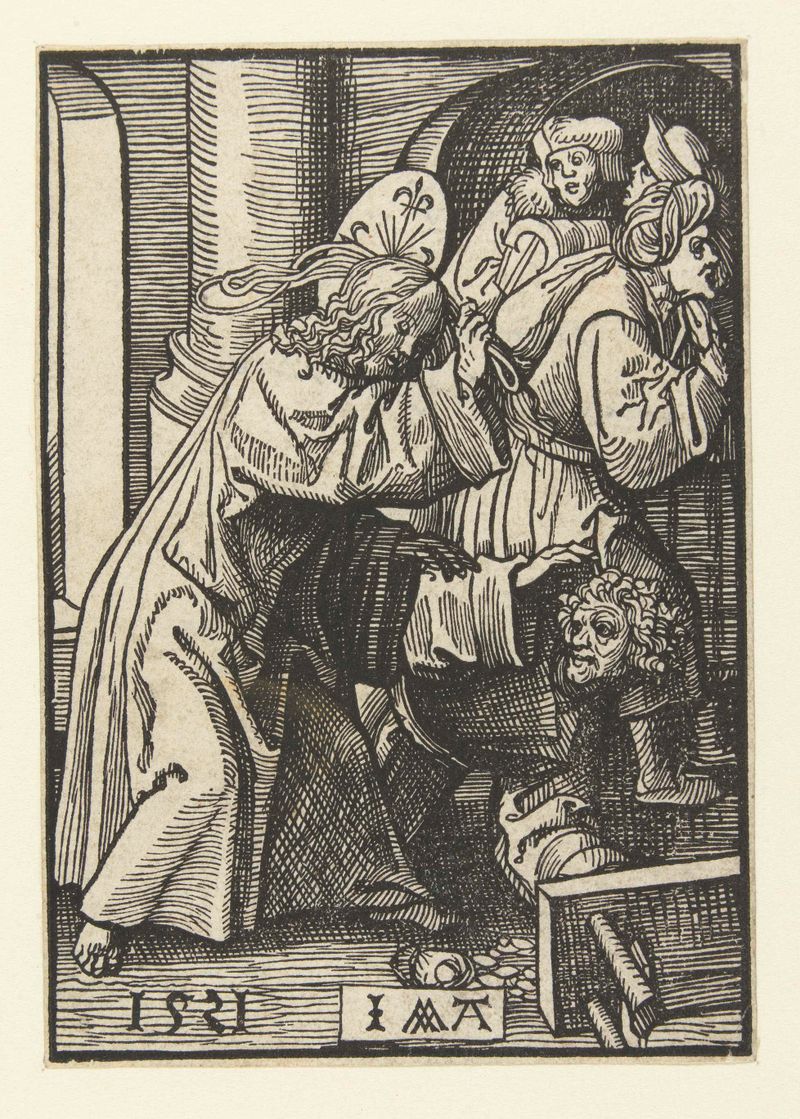
Verdrijving van de handelaren uit de tempel
Jacob Cornelisz van Oostsanen
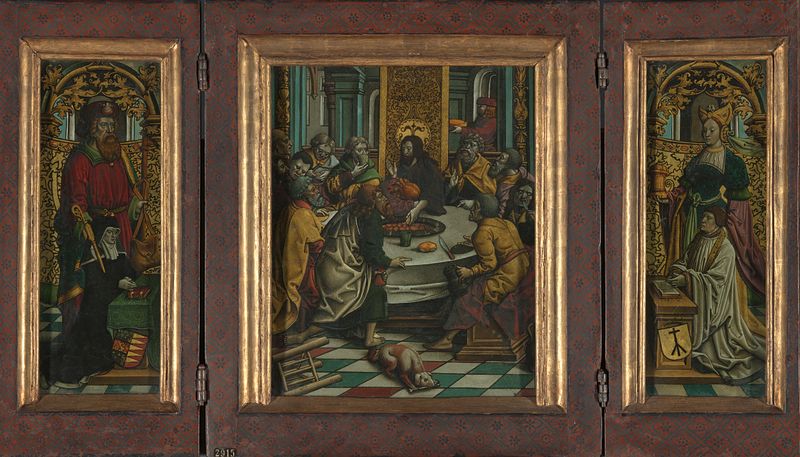
Triptych with the Last Supper and Donors
Jacob Cornelisz van Oostsanen
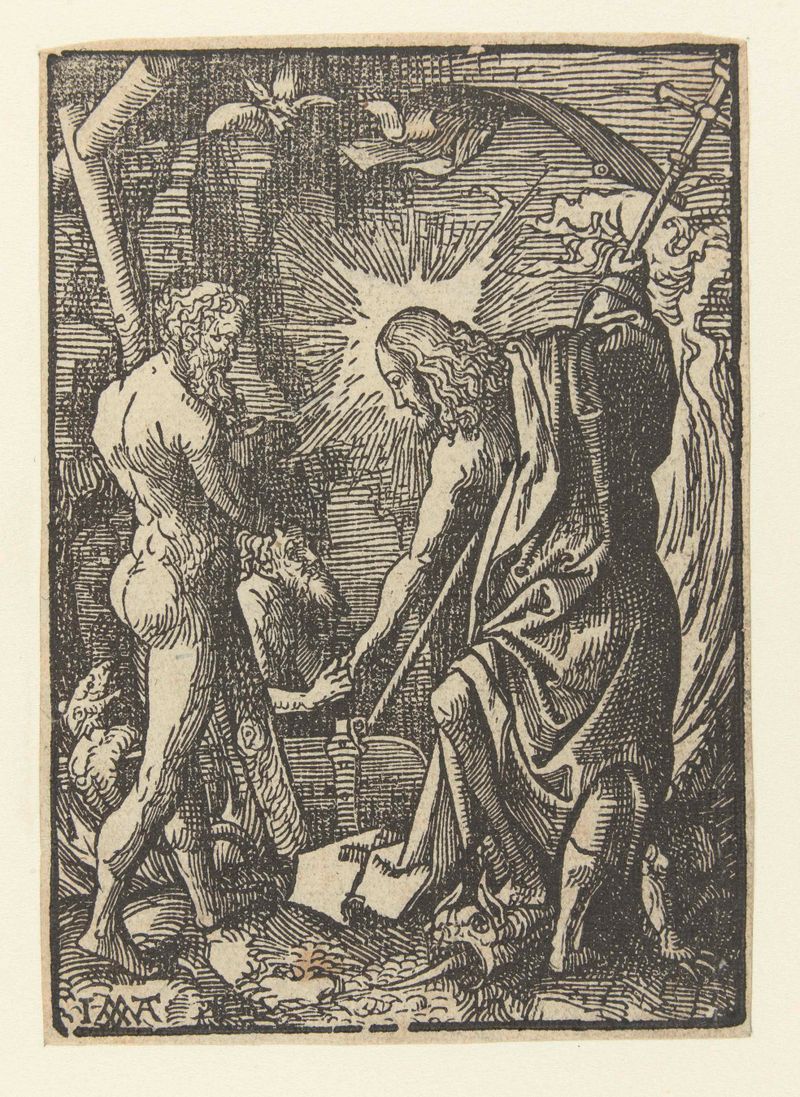
Christus in het voorgeborchte
Jacob Cornelisz van Oostsanen
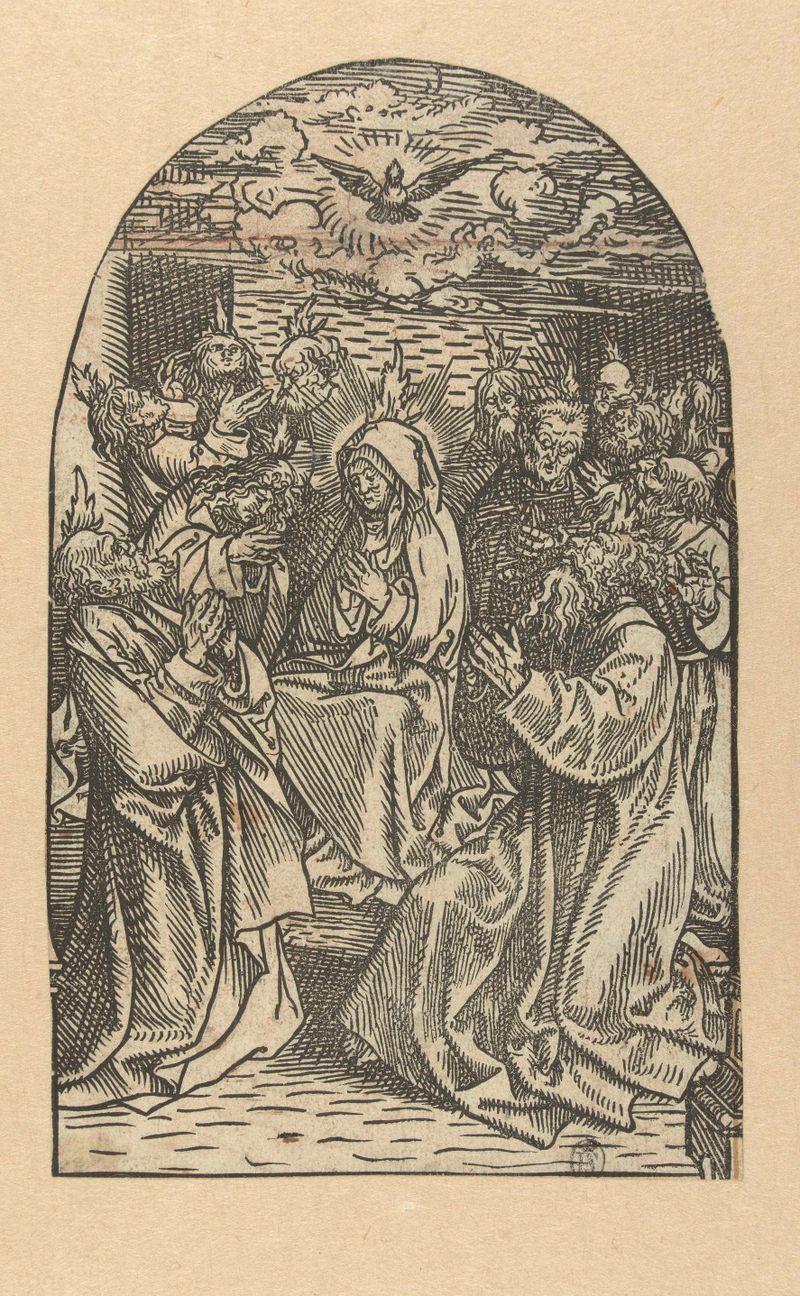
Uitstorting van de Heilige Geest
Jacob Cornelisz van Oostsanen
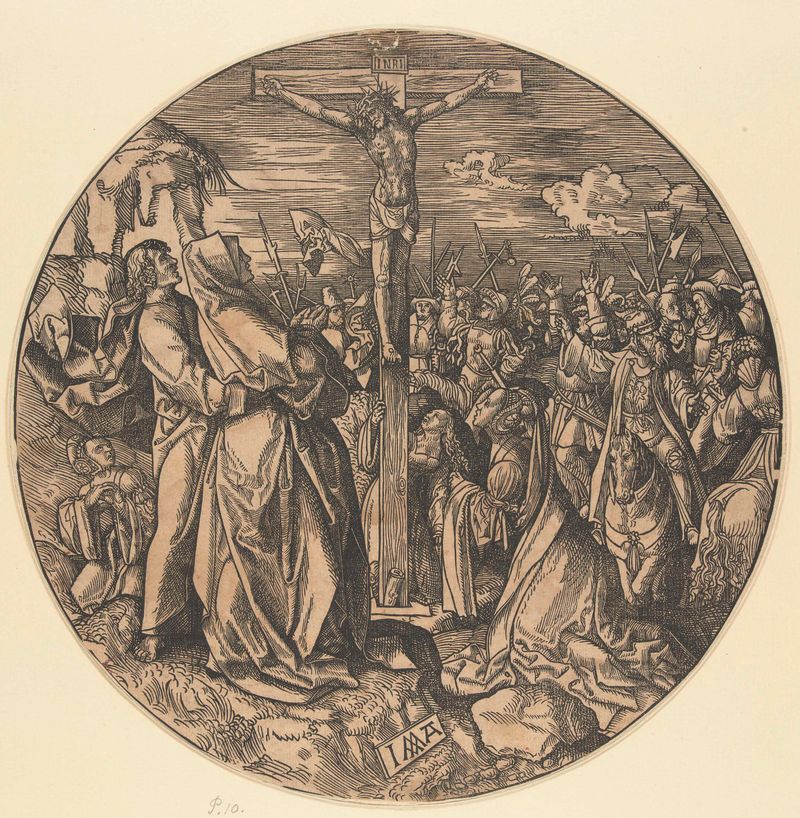
Christus aan het kruis
Jacob Cornelisz van Oostsanen

De kruisiging en de graflegging van Christus
Jacob Cornelisz van Oostsanen
More Religious Art
Browse all →
The Return of the Prodigal Son
Rembrandt van Rijn

The Garden of Earthly Delights
El Bosco

Count Orgaz’ funeral
El Greco

The Hundred Guilder Print: the central piece with Christ preaching, the plate arched
Rembrandt van Rijn

The Descent from the Cross
Rogier van der Weyden

The return of the prodigal son
Rembrandt van Rijn