
Kruisafname — History & Facts
Could beauty survive in a century of chaos? In a world where turmoil reigned, the haunting emptiness of Kruisafname offers a moment of profound reflection. Focus first on the central figure; the lifeless body of Christ, cradled tenderly by Joseph of Arimathea. The stark contrast of the pale flesh against the dark, muted tones of the surrounding figures draws your eye, creating a poignant focal point. Notice how the delicate brushwork captures the grief etched onto their faces, allowing emotion to bleed from the canvas.
The somber palette amplifies the stillness, inviting you to linger over the details—each crease of fabric, every tear glistening in the dim light, all rendered with an exquisite touch that underscores the weight of loss. Within this intricate scene, a profound tension emerges between sorrow and acceptance. The gentle touch of the mourners speaks volumes, embodying a paradox where beauty is found amidst despair. The almost ethereal quality of the light, filtering through the shadows, casts a serene glow on the figures, suggesting a hint of hope that rises from tragedy.
Each character’s posture and gaze adds layers of meaning, revealing a collective mourning that transcends time and speaks to the viewer’s own experience of loss and emptiness. Jacob Cornelisz van Oostsanen painted Kruisafname between 1520 and 1521, during a period marked by political and religious upheaval in the Netherlands. As the Protestant Reformation began to reshape the landscape of Europe, the artist found himself navigating the turbulent waters of artistic and spiritual expression. This work emerged from a time when the sacred and the secular were in constant dialogue, reflecting both his personal interpretation of faith and the broader societal struggles of his age.
More Artworks by Jacob Cornelisz van Oostsanen
Browse all →
De hemelvaart en Christus voor God de Vader
Jacob Cornelisz van Oostsanen
Het hostiewonder van Amsterdam
Jacob Cornelisz van Oostsanen
The Adoration of the Christ Child
Jacob Cornelisz van Oostsanen
Vlucht naar Egypte
Jacob Cornelisz van Oostsanen
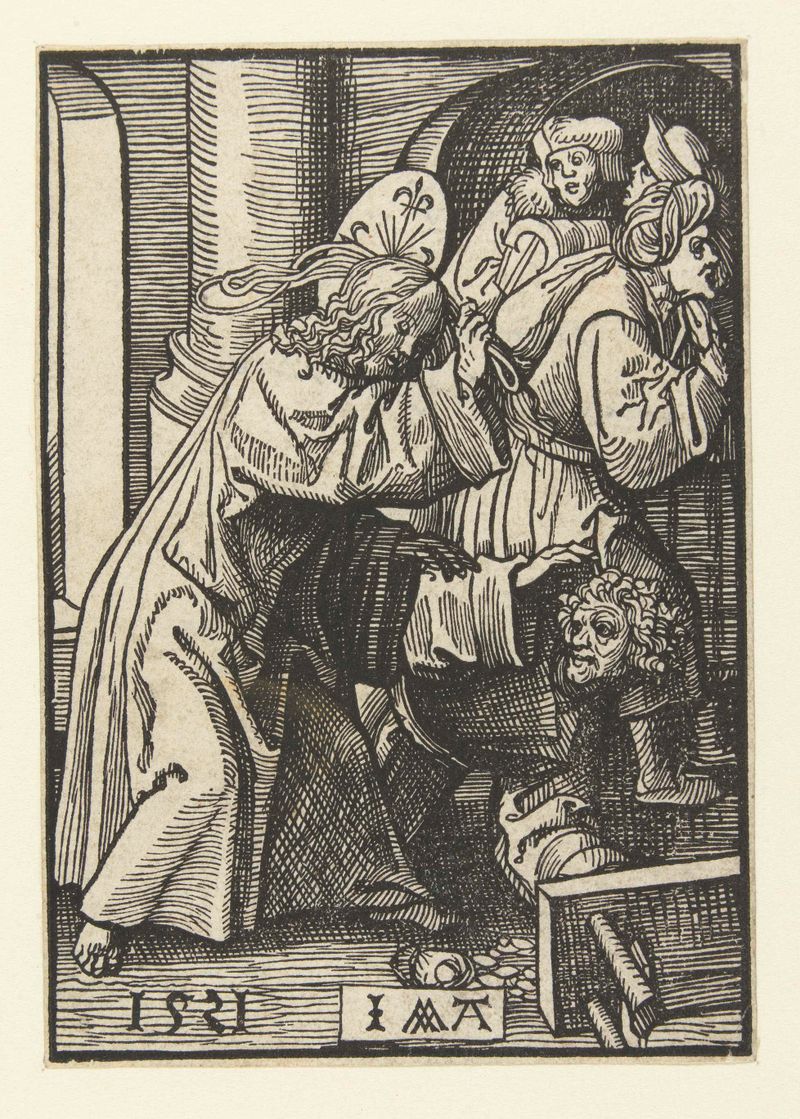
Verdrijving van de handelaren uit de tempel
Jacob Cornelisz van Oostsanen
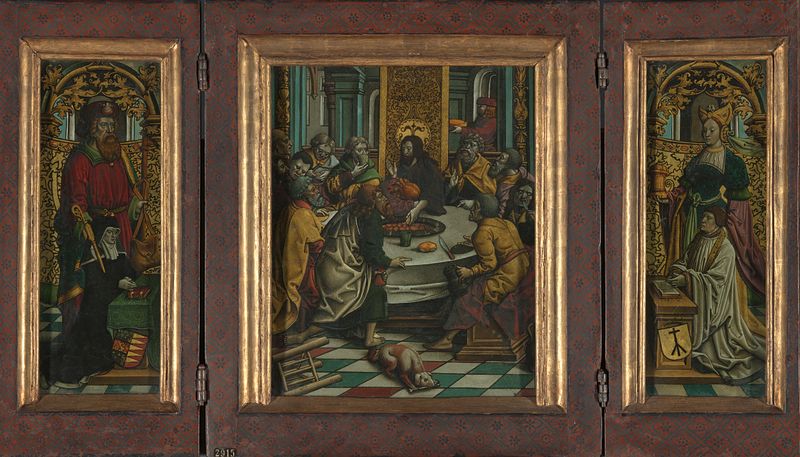
Triptych with the Last Supper and Donors
Jacob Cornelisz van Oostsanen
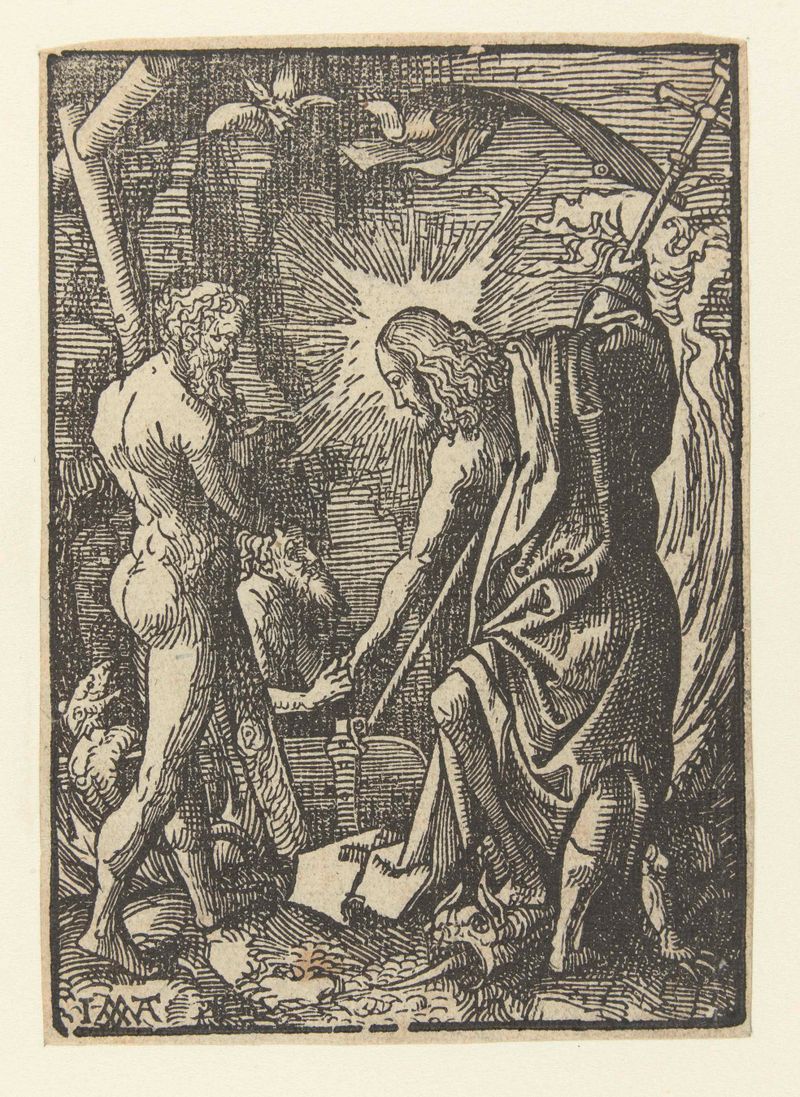
Christus in het voorgeborchte
Jacob Cornelisz van Oostsanen
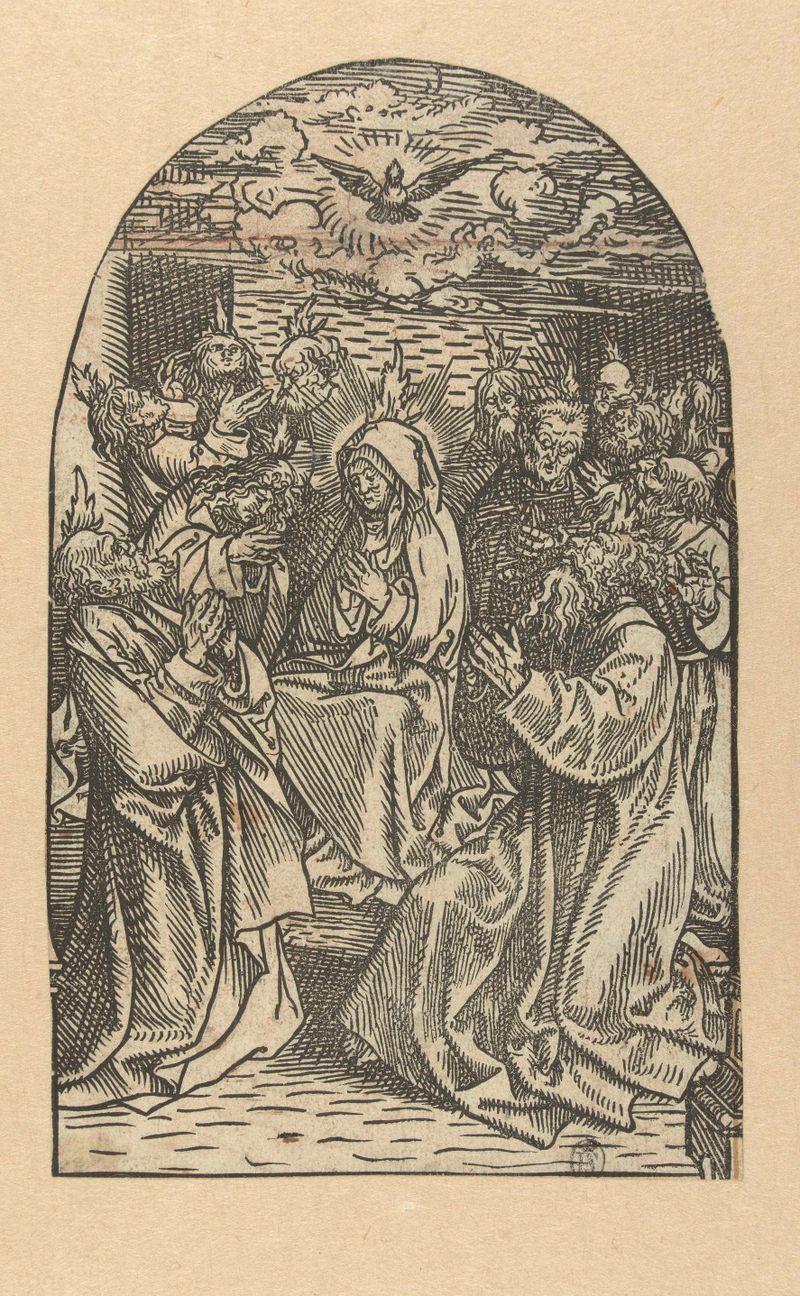
Uitstorting van de Heilige Geest
Jacob Cornelisz van Oostsanen
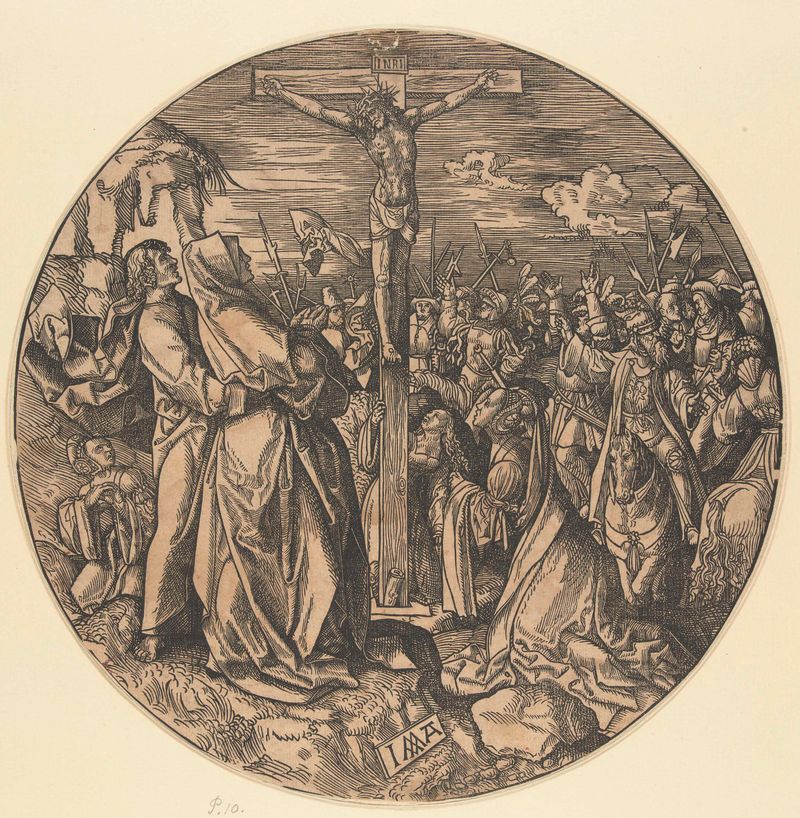
Christus aan het kruis
Jacob Cornelisz van Oostsanen

De kruisiging en de graflegging van Christus
Jacob Cornelisz van Oostsanen
More Religious Art
Browse all →
The Return of the Prodigal Son
Rembrandt van Rijn

The Garden of Earthly Delights
El Bosco

Count Orgaz’ funeral
El Greco

The Hundred Guilder Print: the central piece with Christ preaching, the plate arched
Rembrandt van Rijn

The Descent from the Cross
Rogier van der Weyden

The return of the prodigal son
Rembrandt van Rijn